
A purchase review can stall when a roof photo has no section label or the survey arrives after the decision meeting. We map the requested areas, inspect visible membrane and details, and organize findings by repair, testing, or further review. The report identifies what was accessible and what remains unknown. That gives the owner's team a roof-specific record to use alongside its transaction documents without turning a field walk into a valuation or legal opinion.
Gateway's planning map combines office, shopping, freeway-oriented commercial, and industrial uses. During diligence, that designation is an address-context note; the roof survey must verify the structure and assembly. Rialto's corridor index brings separate street locations into one municipal reference. Keep the diligence file tied to the parcel, building, and roof sections actually inspected. These names help place local properties in context, but they do not confirm a parcel's use or roof assembly. A Rialto corridor overview can support location sorting while the survey stays tied to the address and roof plan supplied by the client.

What should the survey cover before a transaction?
Define the building, roof sections, access points, occupied areas, and time available before scheduling. Ask for roof plans, prior inspection records, repair tickets, warranty documents, leak history, and any planned rooftop work. If the transaction team needs an opinion on one disputed area, name it before the visit. The survey should state whether it covers the whole roof, selected sections, or accessible conditions only.
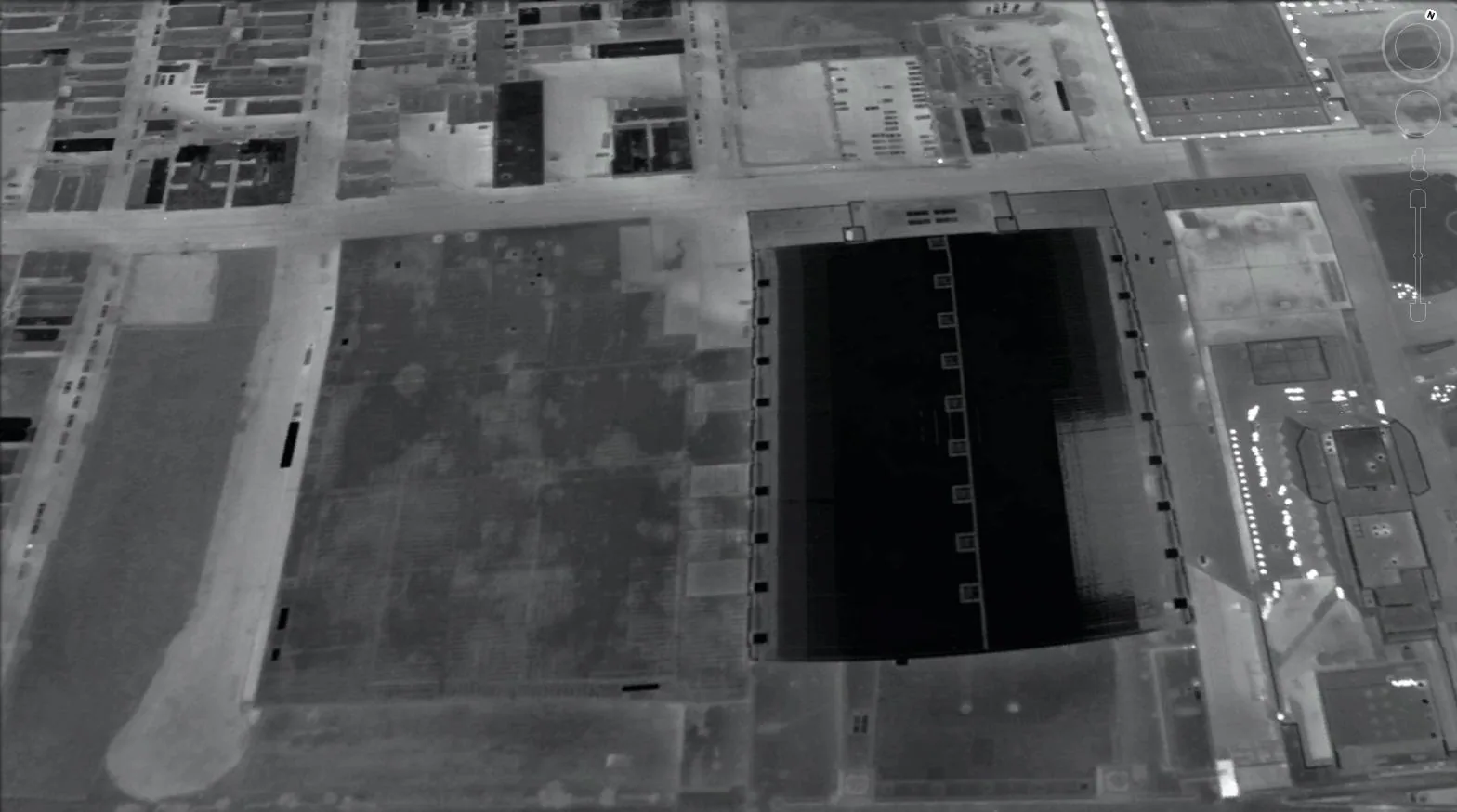
We review visible membrane, seams, penetrations, flashing, curbs, drains, parapets, and edge metal. The Diligence Notes identify apparent movement, open edges, ponding, patches, and items that may require testing. A commercial roof inspection can document those observations. If concealed moisture could change the repair boundary, an infrared survey may identify locations for physical confirmation. The method, conditions, and limits should travel with the result.
Documents can describe an intended system without proving what is installed today. We compare records with visible details and flag discrepancies for confirmation. If there is no roof plan, create a field sketch and identify its limitations. If access is denied to a section, log it as excluded. Those distinctions help the acquiring party avoid treating an incomplete view as a clean condition across the property.
How should survey findings be prioritized?
Group the observations into active water entry or safety concerns, repair candidates, testing needs, monitoring items, and possible capital work. For each one, identify location, photo reference, likely work boundary, and evidence still needed. Separate direct observation from interpretation. A staining pattern can justify tracing a water path; it does not by itself confirm that the roof above it has failed.
A condition report can place photographs and notes into a repeatable format. A repair scope can define a local correction after the responsible party authorizes work. For broad deterioration or multiple wet areas, recommend further investigation before assigning a whole-roof replacement. The buyer or lender can then distinguish an immediate maintenance item from a scope that could affect the capital plan.
Rialto's adopted Climate Adaptation Plan identifies heat and other citywide hazards and notes that hot days are regular. That context can frame maintenance planning for local property, but it cannot establish any asset's roof condition. The survey instead records actual surface wear, sealant condition, drain path, and prior repair evidence observed during the visit. Dated photos create a basis for comparison if the property is inspected again after transfer.
What information can clarify likely repair exposure?
A repair estimate depends on more than the number of visible openings. Preparation, material compatibility, access, deck condition, wet insulation, rooftop equipment, drain elevation, and perimeter details can change the scope. The survey can identify those drivers and list tests that may narrow them. It should not state a firm cost where the roof has not been opened or the work boundary has not been established.
A capital planning review can compare repair, testing, and replacement candidates. If a recover is under consideration, a recover evaluation should address retained layers, attachment, drainage, curbs, and finished elevations. The transaction team can request a separate proposal once the assumptions are confirmed. Keep allowance language and exclusions visible so a buyer does not read a preliminary survey as a fixed bid.
Proposed construction in Rialto is subject to municipal plan review and inspection under the applicable state code and local ordinance framework; verify the project's requirements with the design team. The survey can note a potential design or permit question for a planned correction, but the project's design and City review establish which approvals apply. Do not turn a property survey into a declaration that the proposed work has been permitted or approved.

Which Rialto facts help place a property review?
The General Plan marks commercial activity on Foothill, Riverside, and Valley, plus a Baseline/Riverside node. Those planning labels help locate an asset but do not replace its condition survey. Gateway also carries distinct business and industrial categories on the City's map; diligence notes should not infer roof use or occupancy from those categories. The survey may use these terms to organize market context, but exact parcel identification still comes from the client's address and property records.
Some assets fall near industrial and warehouse areas connected to rail lines or the Rialto portion of the Agua Mansa planning corridor. That setting can make vehicle access, roof entry, and loading schedules relevant to the survey route. It does not tell us which roof assembly is installed. We verify the access window with the owner or manager and record any area that could not be reached.
For an acquisition, site access may be limited by occupancy, safety procedures, or a transaction schedule. We state which surfaces were observed, where sampling did not occur, and which records were unavailable. If a follow-up visit is needed, list the exact area and question it should resolve. This gives the client a clean boundary between the survey completed and due diligence that remains.
What should the final roof survey deliver?
Deliver a concise summary, roof map, photo log, findings by section, testing recommendations, access limitations, and a list of next decisions. State whether a condition was repaired during the survey or only documented. Identify any temporary containment and the person responsible for continuing it. If the report is used by multiple transaction parties, keep the same source labels and issue date on each copy.
A roof asset record can carry confirmed findings into the owner's maintenance file after closing. A replacement assessment can refine a capital scope when the survey points to broad deterioration. Both should preserve the original survey conditions and state what changed afterward. The acquiring team can attach a final repair ticket or later inspection when the work is complete.
Before the survey, name the person authorized to approve access and identify any requested deliverable format. Afterward, review excluded sections and testing questions promptly. A clear handoff lets the owner decide whether to request a targeted return, a proposal, or no further roof work based on the actual findings.
Commercial Roofing Questions
Can a due-diligence survey verify the entire roof system?
It can describe the accessible surfaces and documents reviewed. Hidden layers require testing or openings, and any excluded or unverified section should be identified in the report.
Can you give a firm replacement price from a survey?
A survey can identify likely scope drivers. A fixed proposal requires defined boundaries, assembly information, access, and any testing needed to establish assumptions.
Does the survey include warranty interpretation?
No. We can inventory warranty records and document roof conditions. The issuer or the client's advisor interprets the contract terms.
What if the seller cannot provide roof plans?
We can prepare a field sketch for the sections reached and label it accordingly. Missing records and access limits stay visible as items that may need follow-up.
Can the report distinguish urgent work from later projects?
Yes. We separate active containment, repairs, testing, monitoring, and capital candidates, then attach the field evidence that supports each category.
Related Roofing Work
Set the roof survey scope before the review meeting
Share property records, roof plans, prior work orders, access limits, and the transaction timeline. We will define the sections to inspect and return a roof-specific condition record.