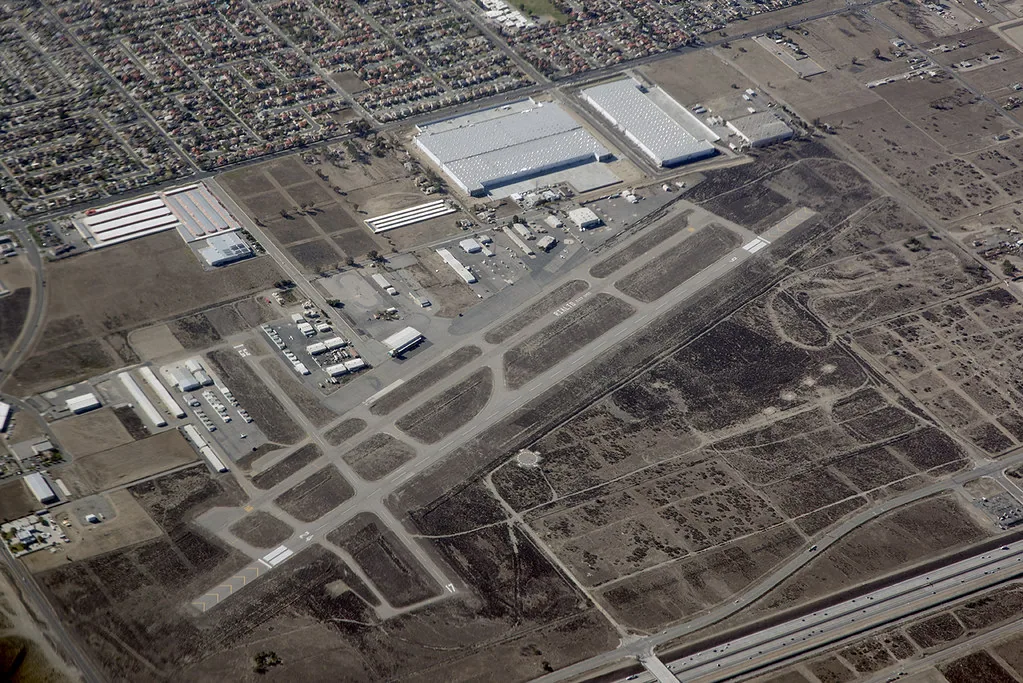
A service route starts with the property identifier and the contact who can authorize access. We schedule inspections, repair, replacement, recover, and maintenance work across Rialto and surrounding municipalities, then record the actual roof section reached. For broad planning geography, the Agua Mansa Specific Plan crosses jurisdictions. Its Rialto portion remains distinct from areas in Colton and the counties beyond the city.
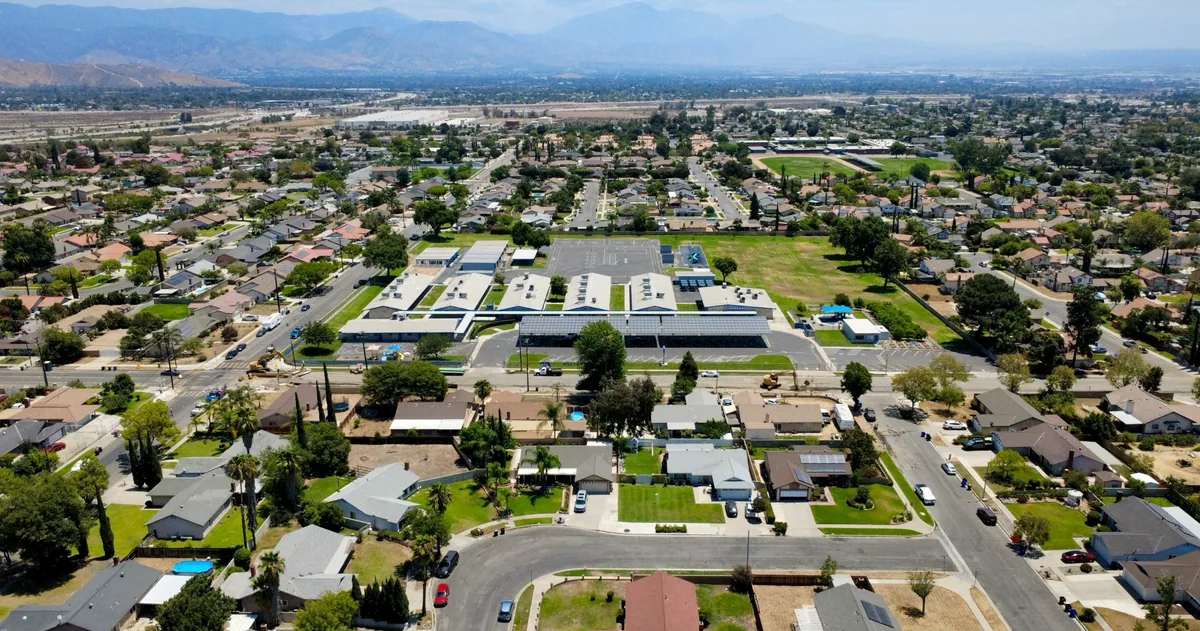
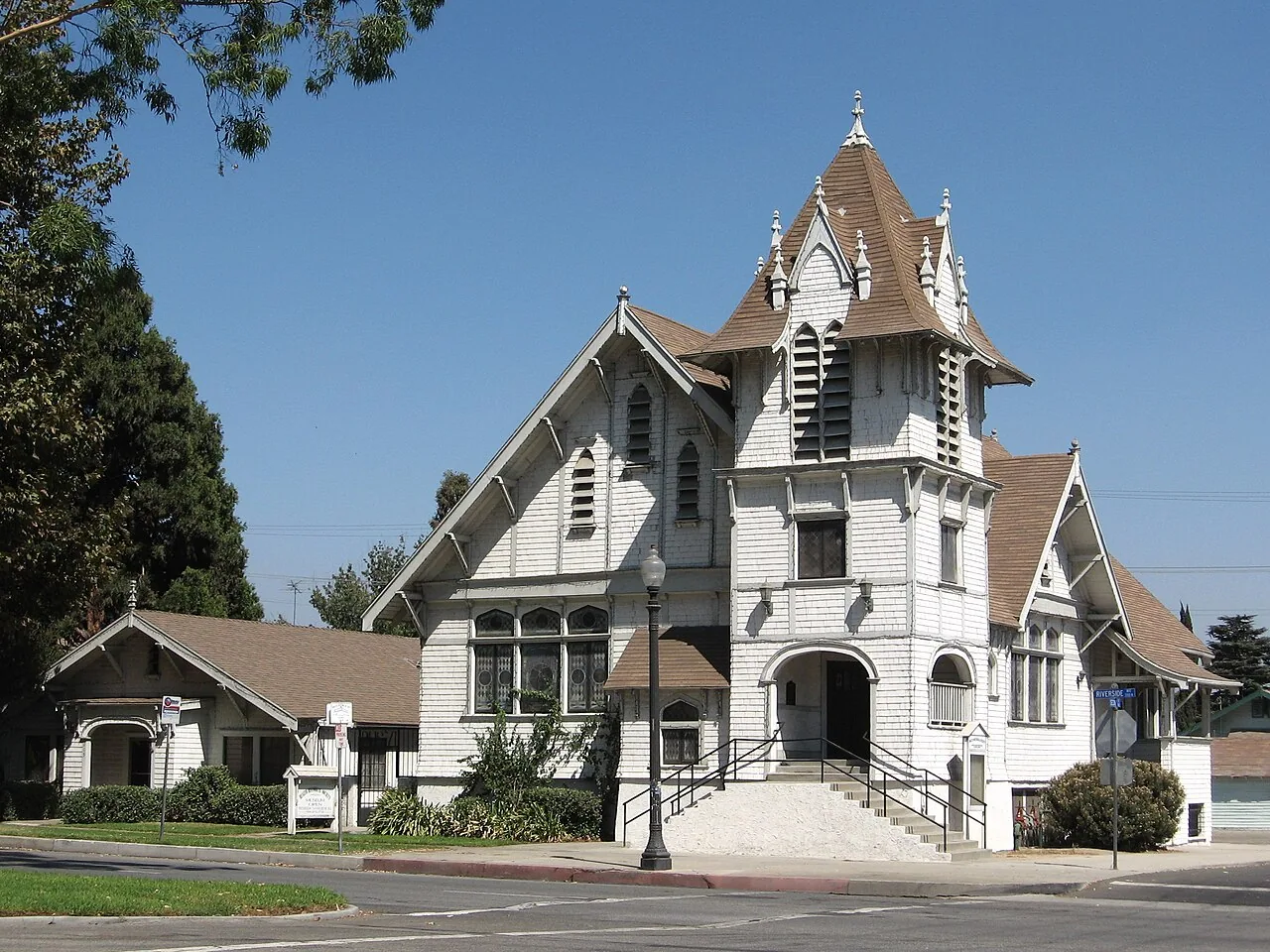
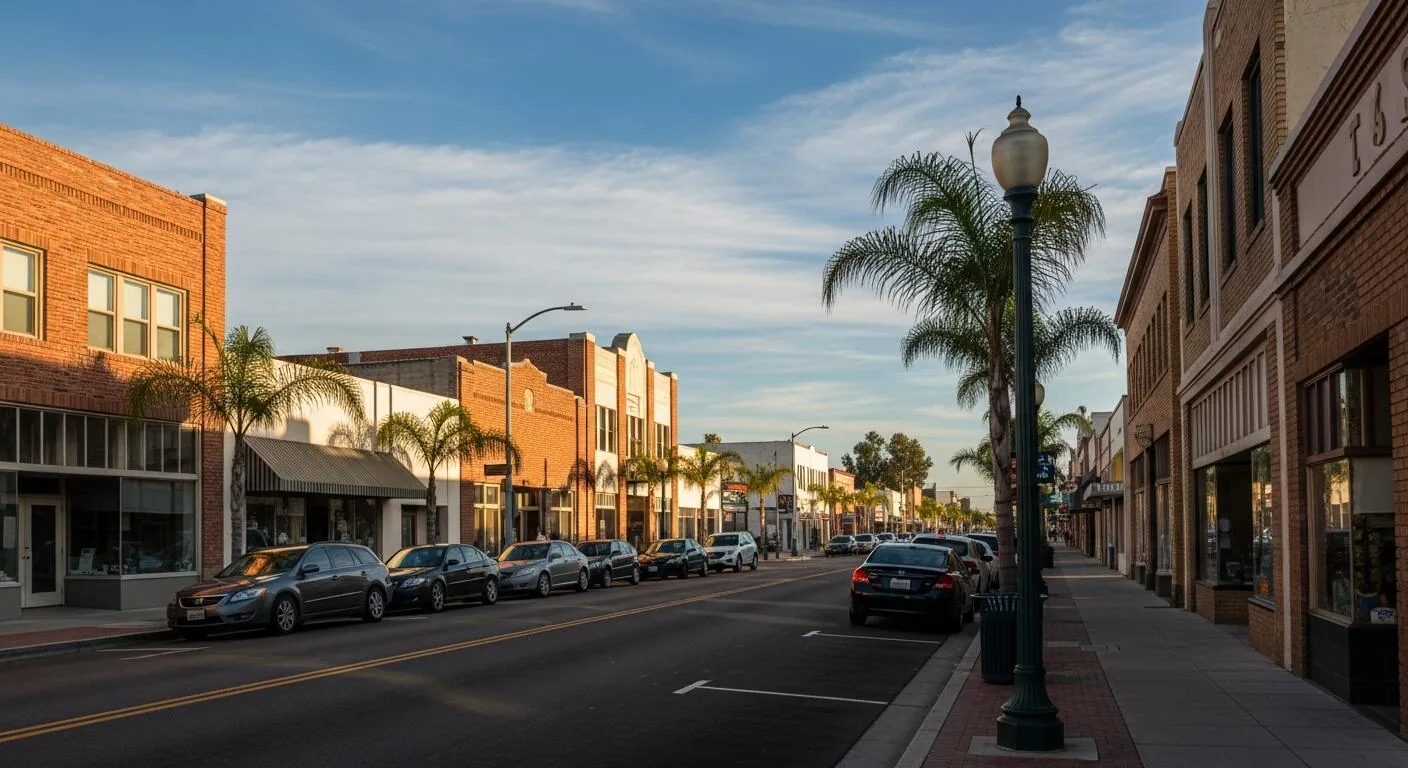
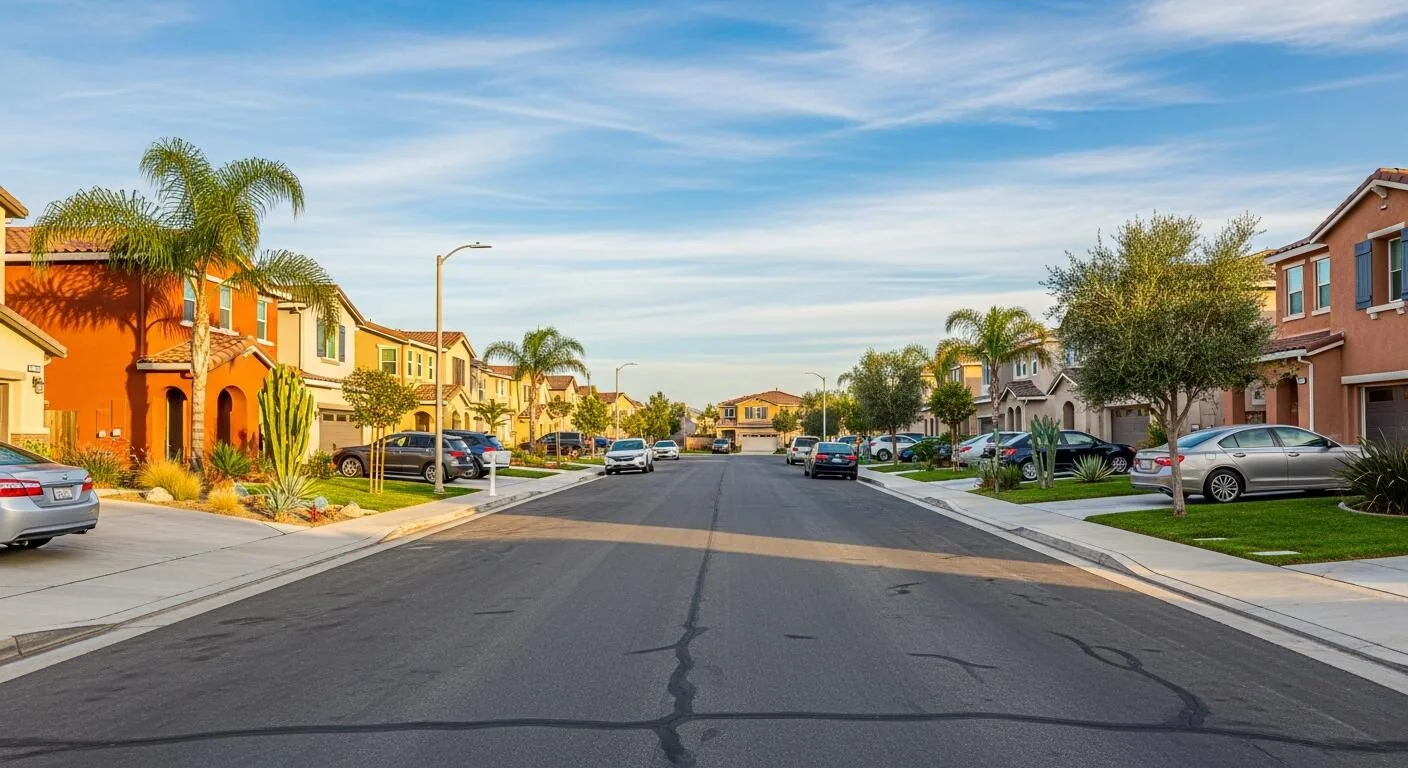
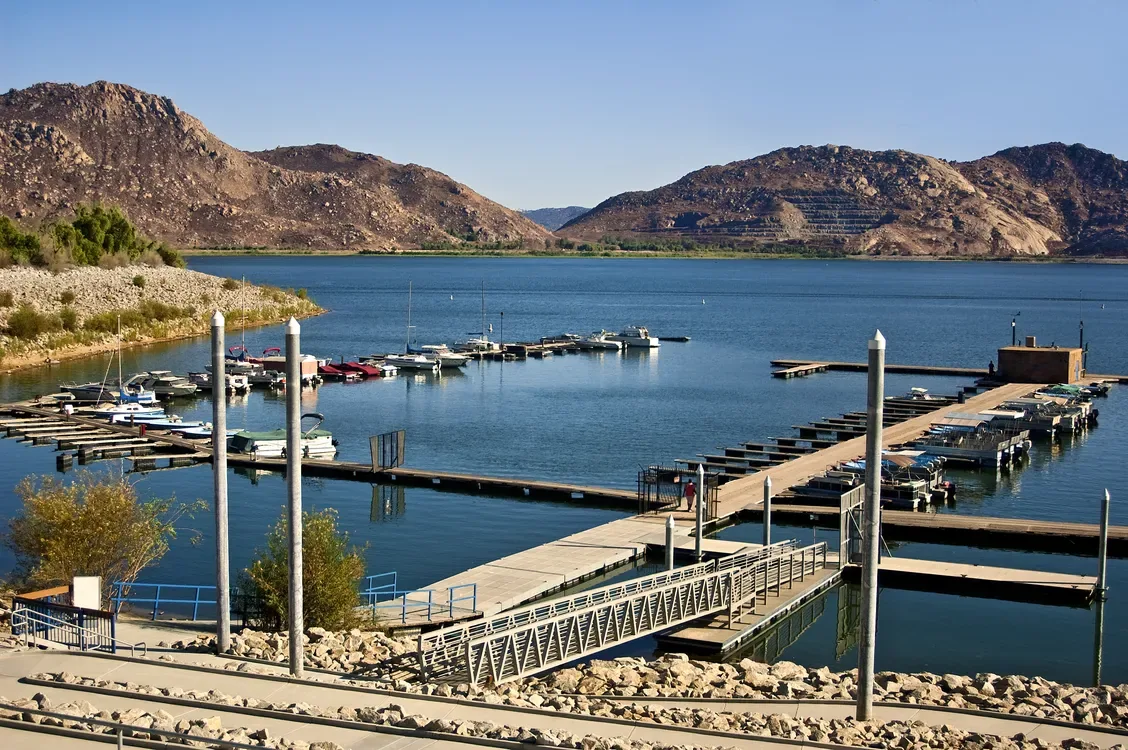
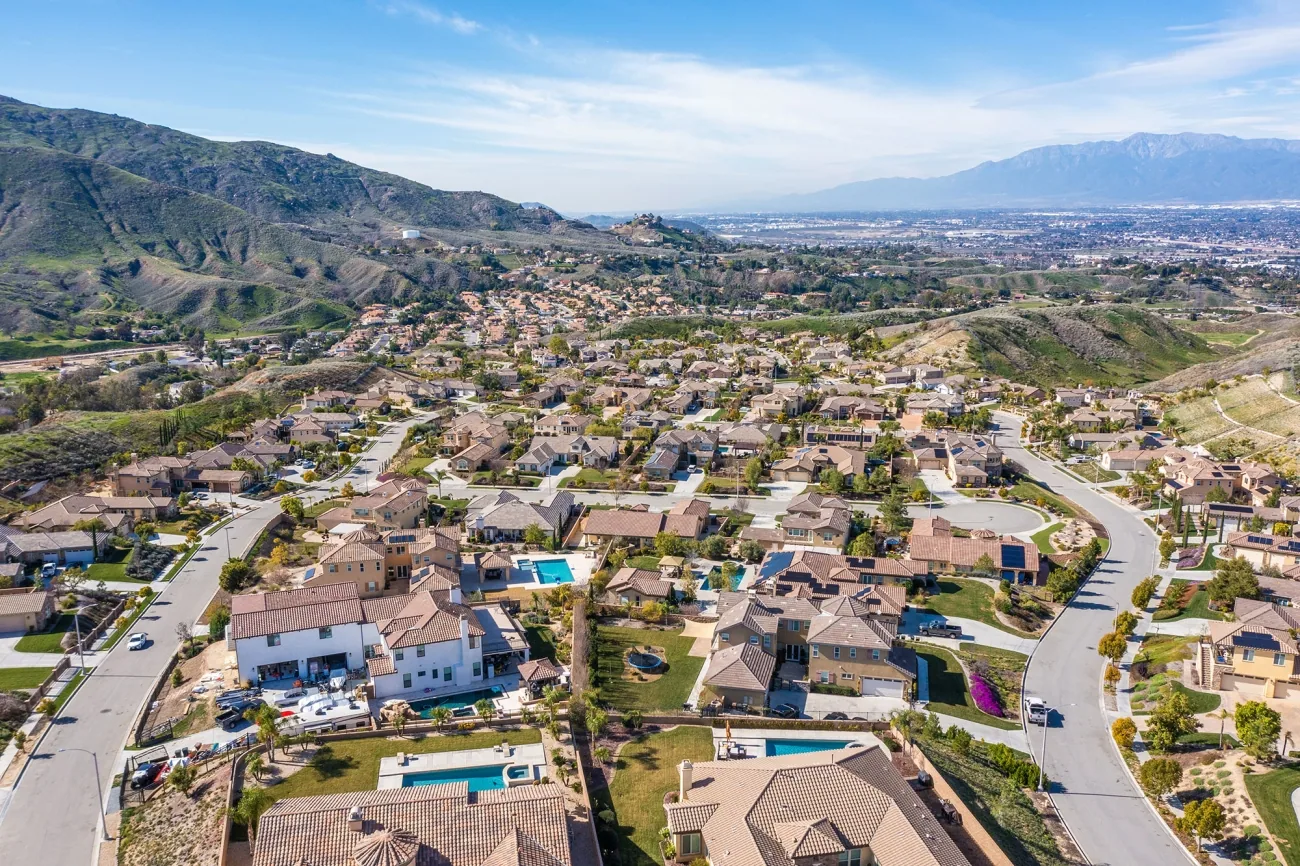
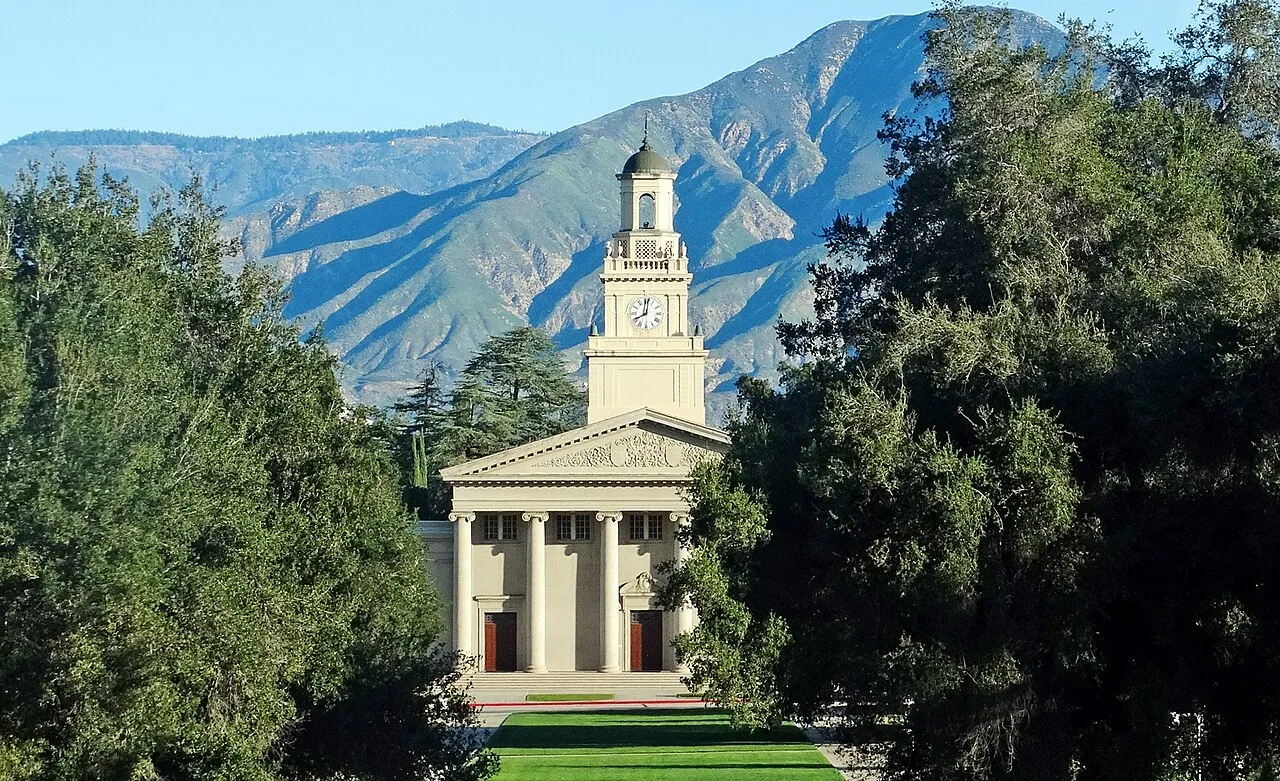
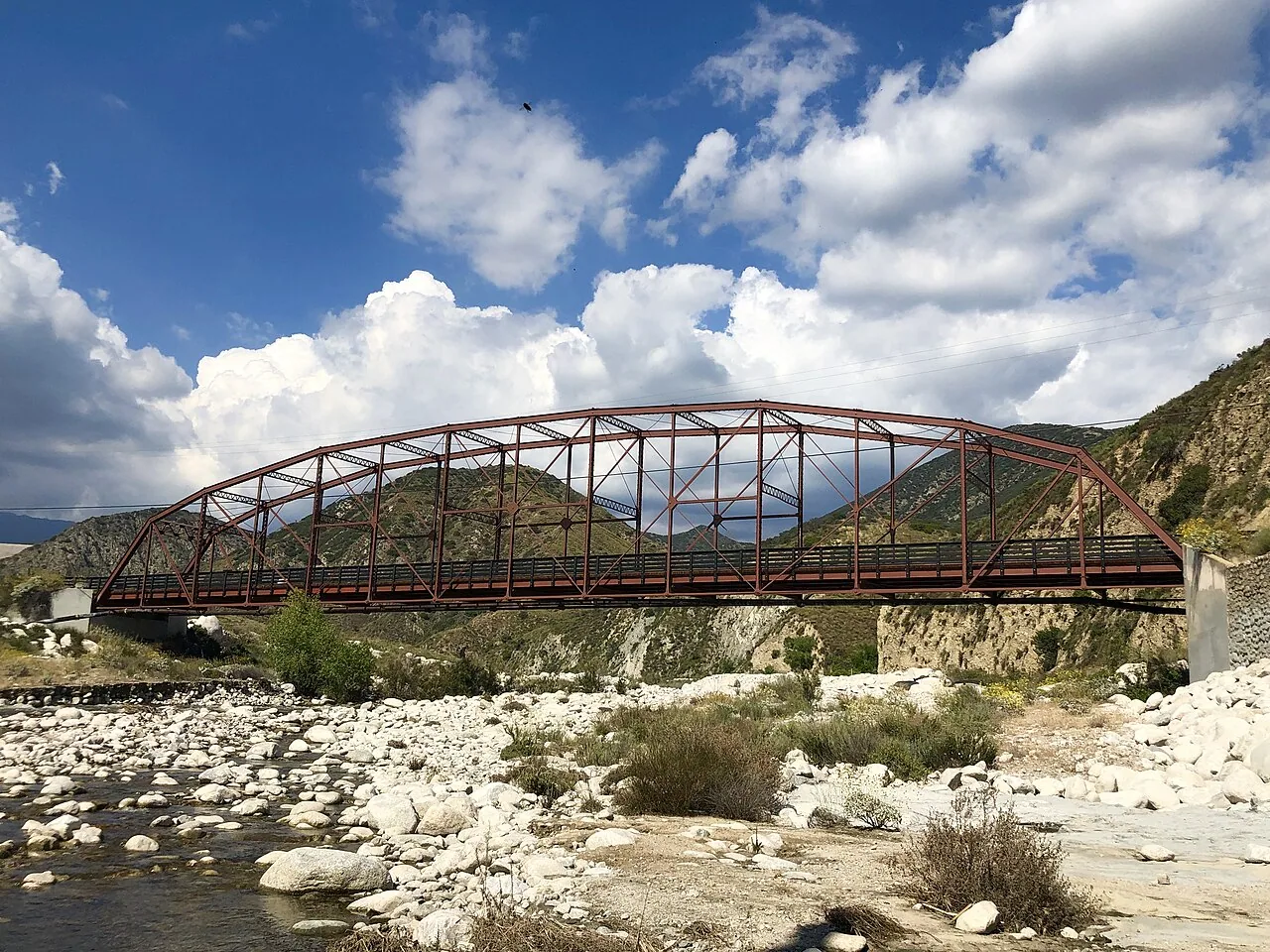
Which nearby city needs a roof route?
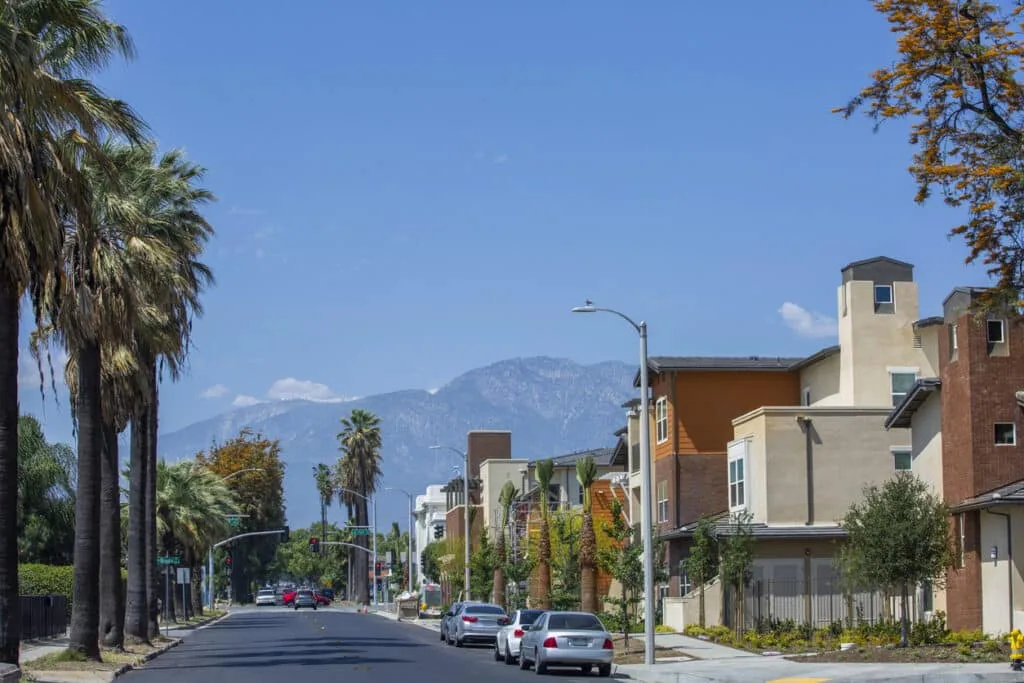
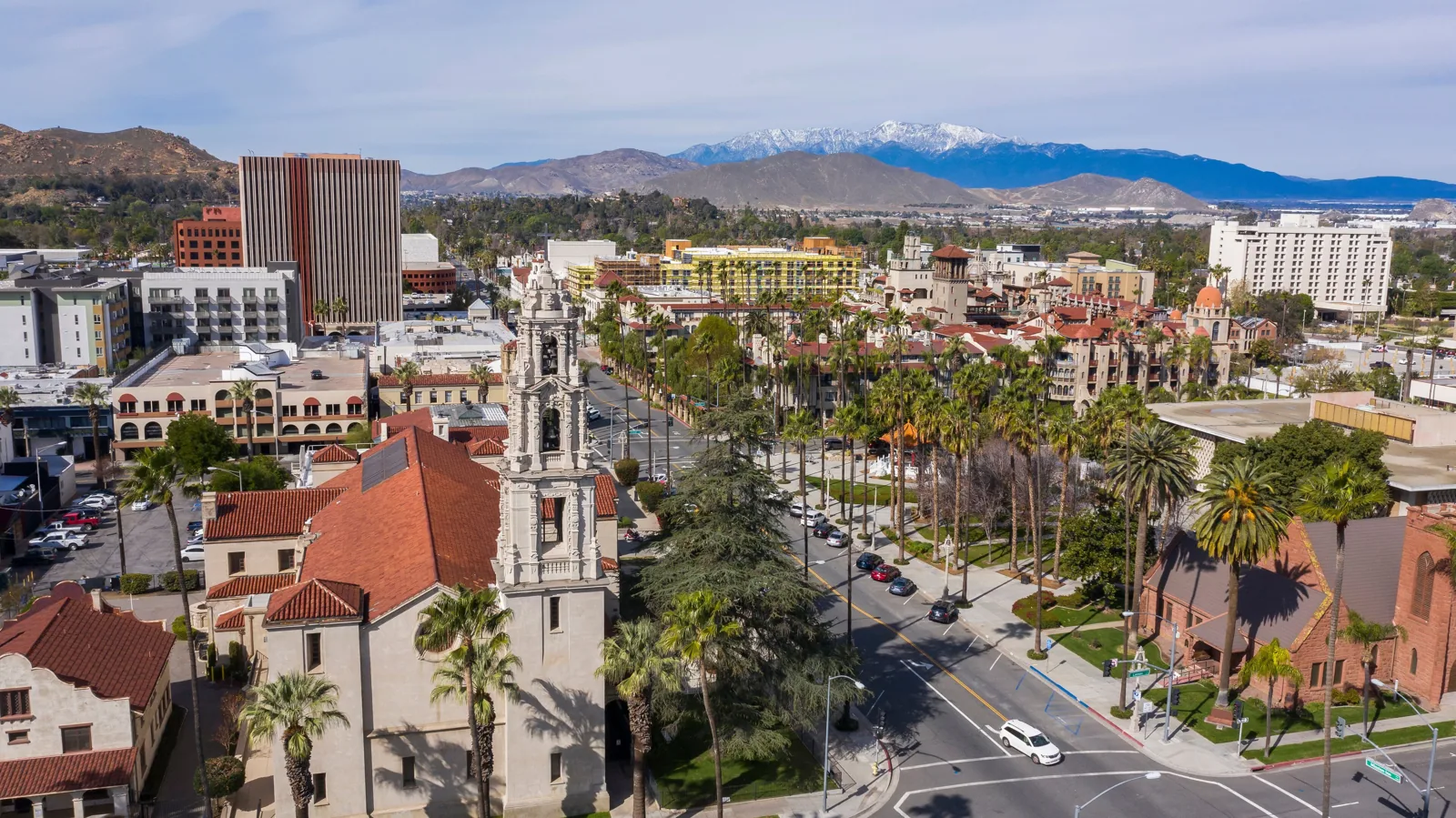
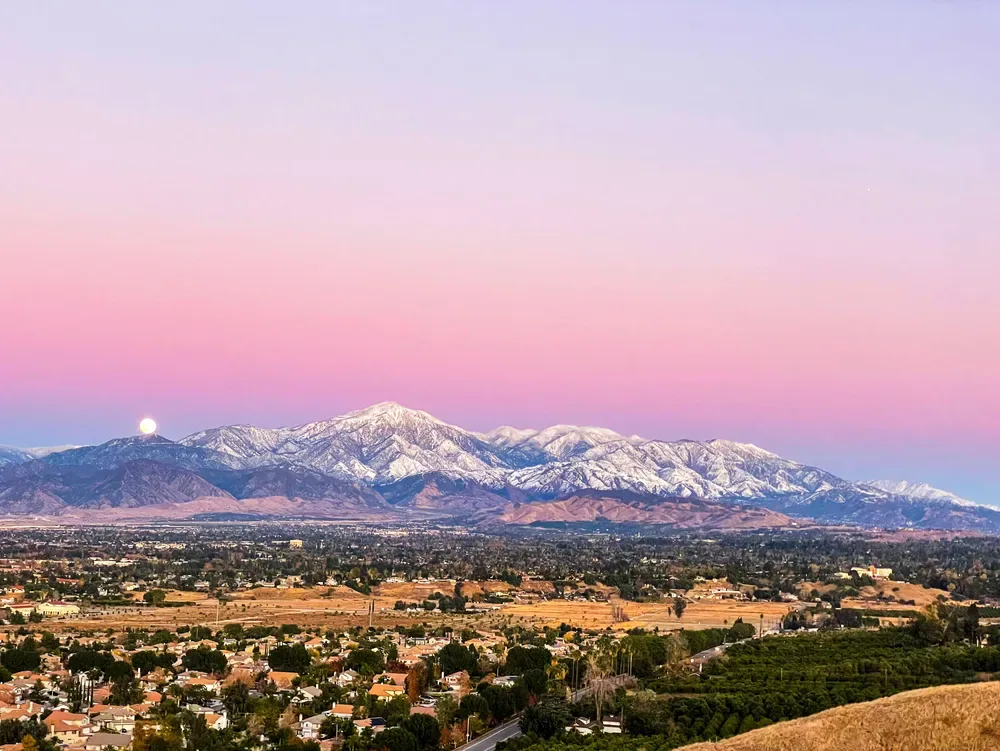
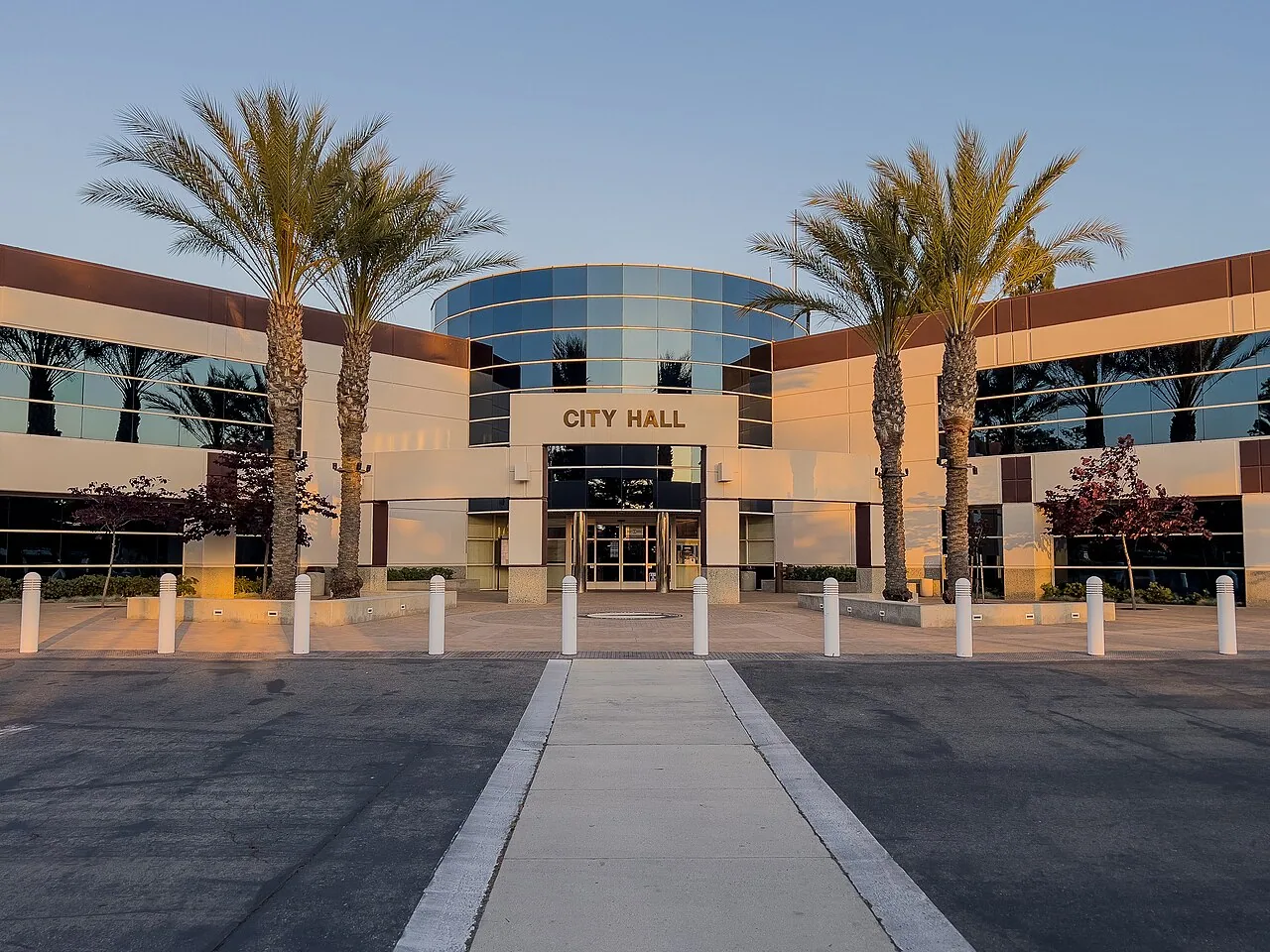
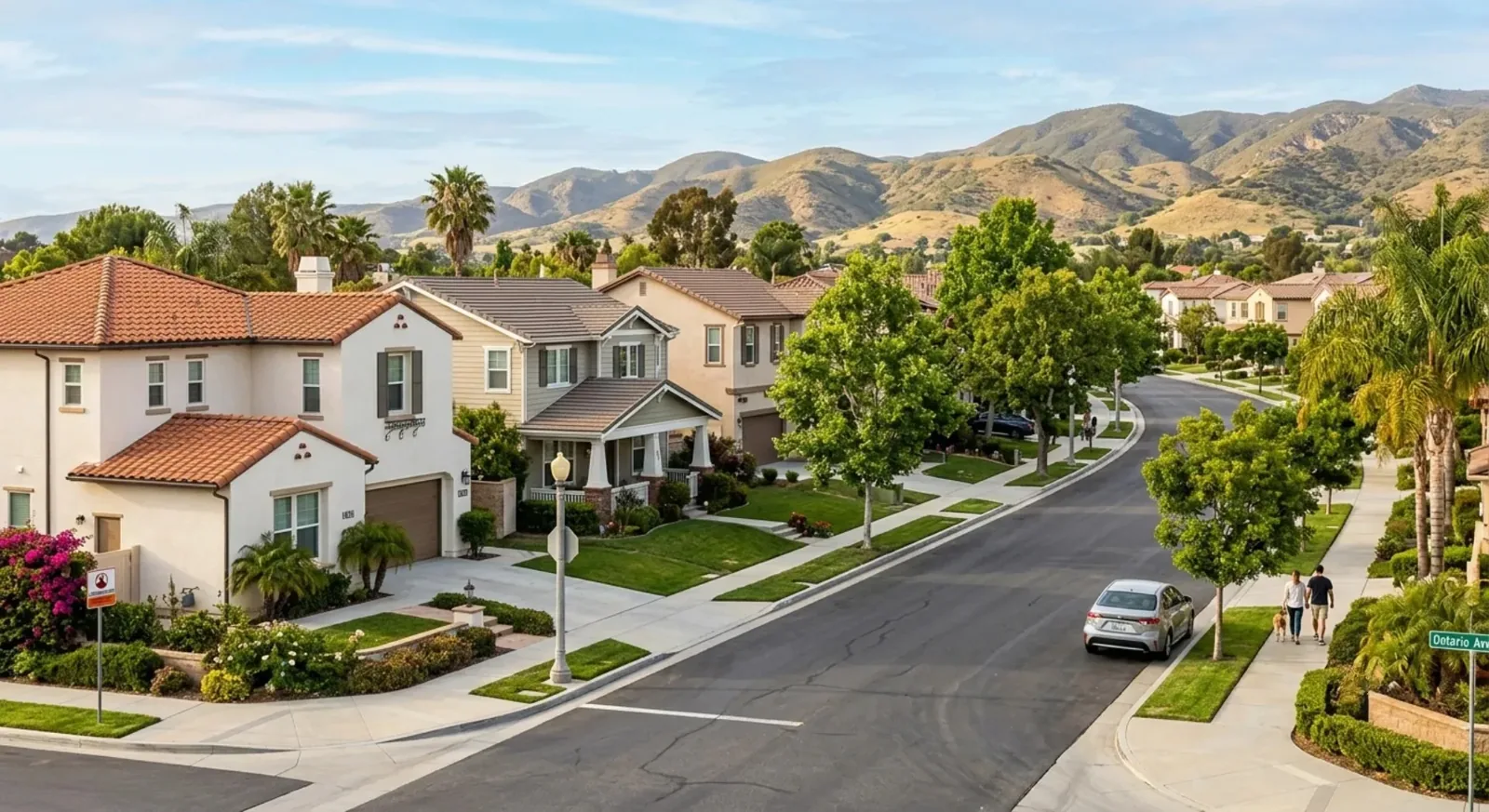
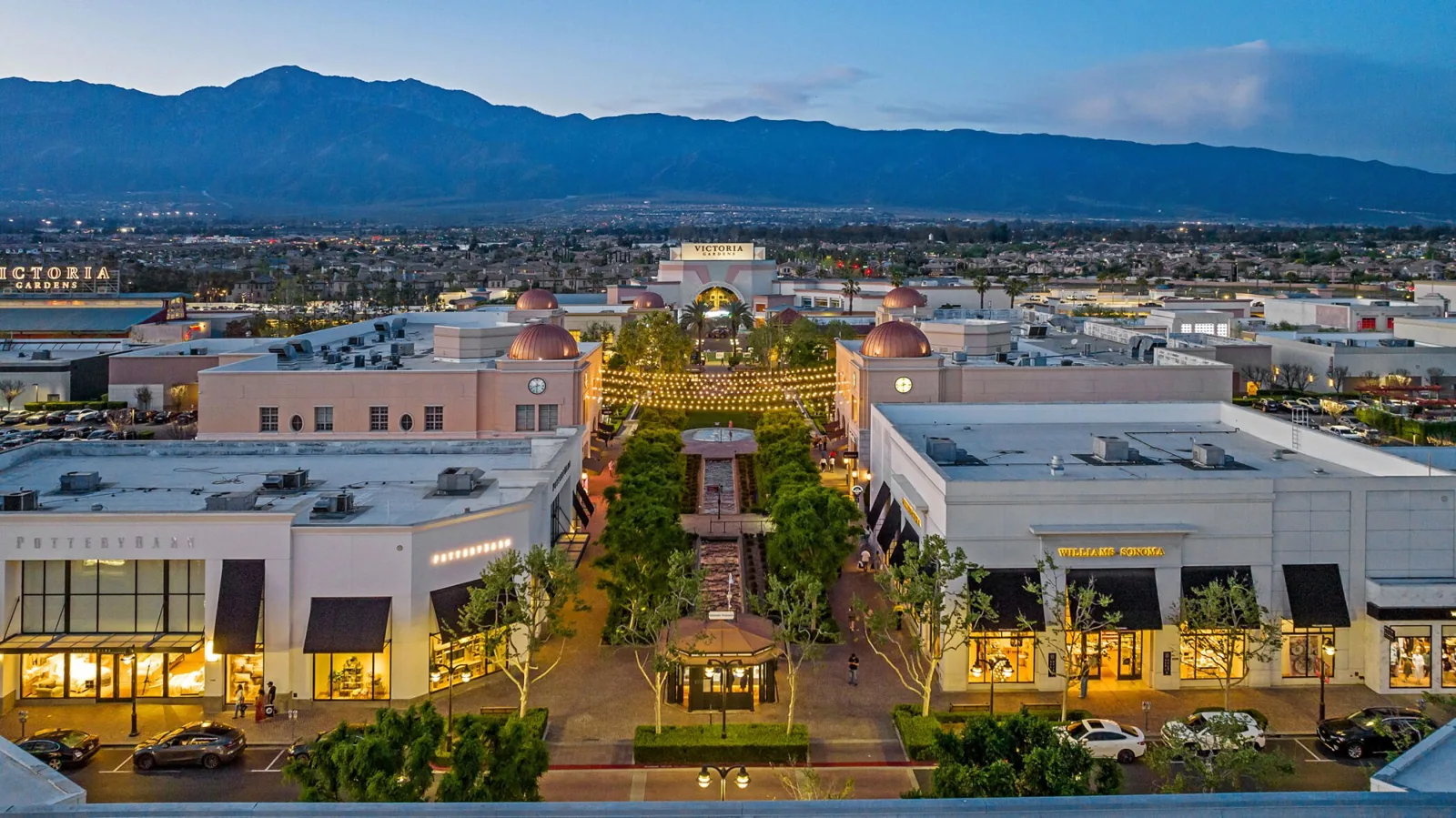
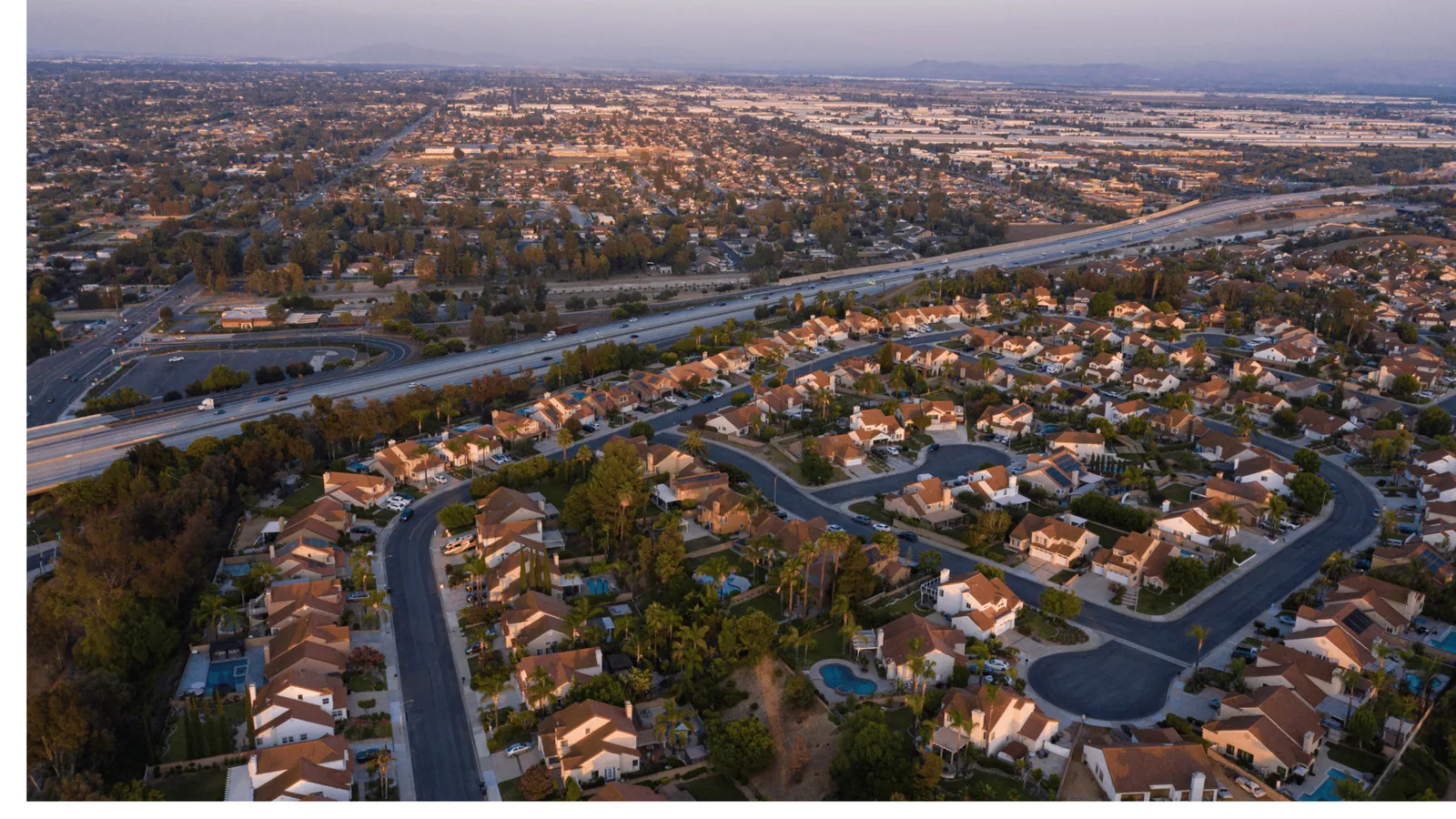
Our municipal service areas include Fontana, Ontario, Riverside, and San Bernardino. We also coordinate commercial roofing in Moreno Valley, Corona, Rancho Cucamonga, and Jurupa Valley. Each work order names the property, access limits, and roof section instead of treating a city name as a condition report.
How do Rialto's broad areas fit the visit?
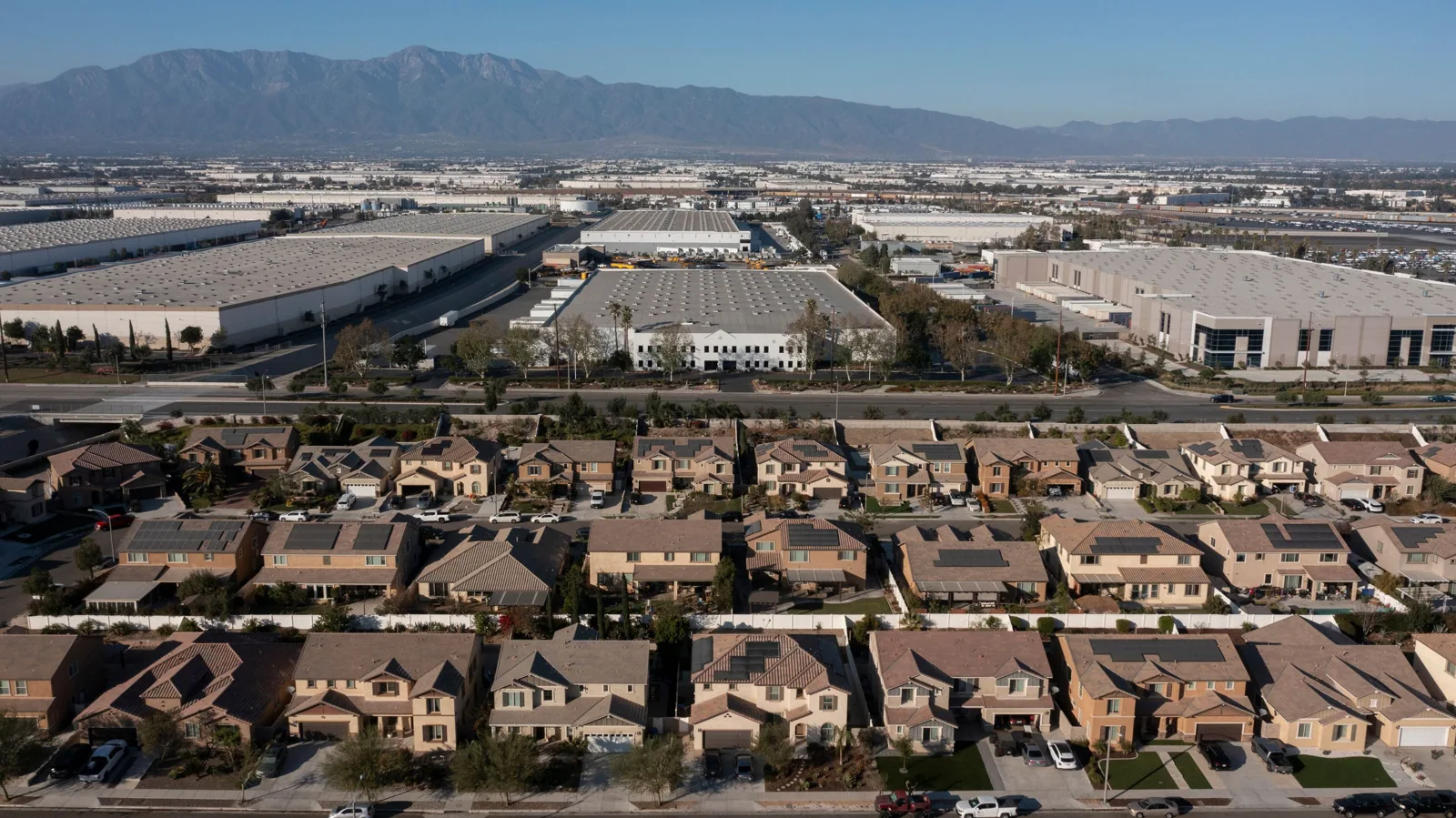
Rialto’s current Foothill Central Specific Plan now treats the former Foothill Boulevard and Central Area plan territories within one framework. The Foothill Central route treats those boundaries as one broad area. The Agua Mansa route is limited to the Rialto portion of a regional industrial plan. These names help locate a property; the owner still confirms roof access and the section approved for work.
What does a location change on the work order?
The route confirms the entry point, staging, operating window, interior protection, and person who can approve the scope. On the roof, we record seams, penetrations, drains, curbs, edges, and prior repairs. If the issue is active, we distinguish temporary protection from permanent work. A commercial inspection can document a reachable section, while a rapid response can establish containment when normal scheduling is not workable.
How do neighboring visits stay distinct?
Photos, roof-section labels, work-order numbers, and property IDs keep one location's findings from migrating into another site's record. The City identifies the Agua Mansa plan as a multi-jurisdiction geography and states that Rialto's share is only one portion. We apply the same discipline across municipal routes: each building is inspected on its own records and access instructions. A future visit can then continue from the last verified condition rather than assume two neighboring roofs match. The route record also identifies the person who accepted the completed section and the next decision owner. If access was limited, the open item states what must be arranged before a return visit. Those fields make municipal routing practical while keeping every recommendation specific to a property.
Commercial Roofing Questions
Does a service area describe every property in a district?
No. It identifies a broad route. Each roof visit is limited to the property and section authorized by its owner.
Does Agua Mansa include work in Colton?
The regional plan crosses jurisdictions. The Rialto service route is limited to its in-city portion, with each property's scope separately confirmed.
What should I share when requesting service in a nearby city?
Provide the property identifier, reported condition, roof drawings, access contact, and operating limits. We will set a route for the property itself.
How are different buildings in a portfolio documented?
We use distinct property IDs and roof-section labels, then attach findings and work orders to the correct location.
Request a Roof Assessment
Share the municipality or broad area, property identifier, roof concern, access route, and operating hours. We will confirm the first visit and its approved work boundary.