
A roof decision starts with the section that can be reached and the person who can authorize it. We confirm the reported condition, identify the interior area involved, and check the approved route before walking the membrane. Riverside's planning program includes 20 approved specific plans, each intended to guide land use, circulation, and infrastructure in a distinct area. That breadth matters when a property project crosses planning boundaries, but it does not tell us which membrane, deck, or repair a particular building has. We establish the roof facts from its own drawings and field inspection.
The City's plan inventory names Canyon Springs Business Park, Citrus Business Park, Hunter Business Park, and Sycamore Canyon Business Park among its geographies. These are broad planning names, not evidence of a specific tenant, roof assembly, or service history. For a Riverside assignment, we record the actual property identifier and the roof section inspected. A Ontario service route and a Corona municipal route cover separate city targets; neither substitutes for the owner-approved Riverside work boundary.
Where should the inspection route begin?
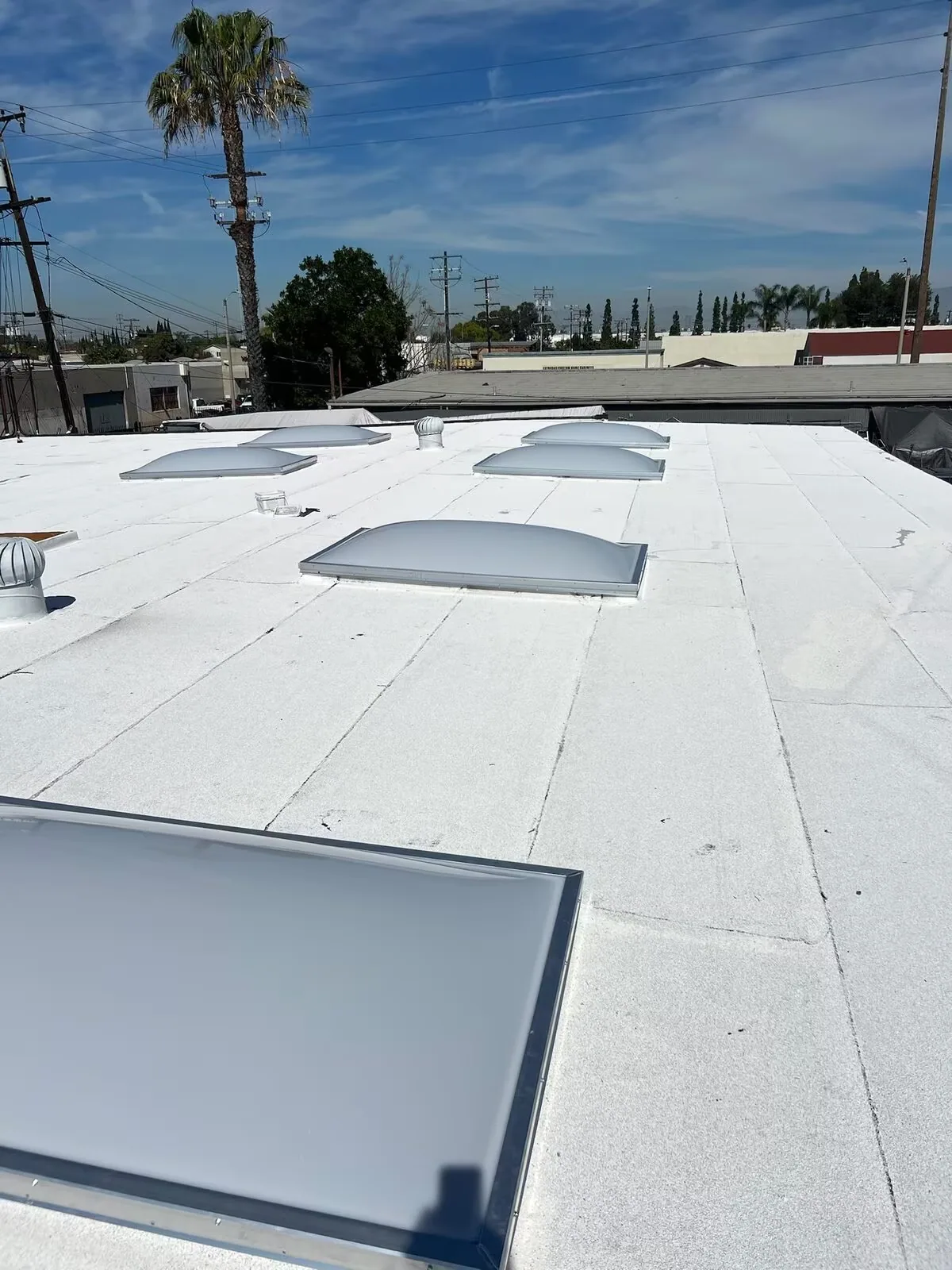
Start with the work order or leak log, then compare the reported room with the roof drawing. The property contact confirms entry, roof access, fall protection, equipment zones, and any interior area that requires protection. We mark the section reached and note any barrier that prevents access. On the roof, we trace the path around the report and examine seams, transitions, curbs, drains, penetrations, and perimeter details. Photos and labels should let a facilities lead return to the same location without relying on an informal description.
A city plan inventory can help orient a broader property discussion. It cannot confirm the conditions on a roof within Canyon Springs Business Park or any other named plan area. We check the assembly from property records, visible layers, and field details. A commercial inspection visit can record what is accessible. When moisture below the surface may change the work boundary, an infrared moisture survey
At a drain, we inspect the bowl, membrane connection, and visible route from low areas. At wall and curb transitions, we look for open corners, separated flashing, and movement where materials meet. Edge details receive their own note because perimeter attachment and metal condition can affect repair tie-ins. The report identifies the condition and location rather than assigning a cause before evidence supports it. If the suspected opening cannot be reached safely, we identify the access or escort needed to finish that part of the inspection.
What must be settled before the crew arrives?
Roof access, staging, tenant activity, and equipment service routes all affect the order of work. We confirm who can approve entry, where materials may be placed, which doors or lanes must remain available, and whether another trade controls a rooftop unit. The work order records the allowed route and the daily closing point. If a property contact changes the boundary, the crew pauses at the agreed limit and documents what remains. That is more useful than treating an incomplete walk as a full roof review.
An active leak can require interior protection and temporary dry-in before permanent repair materials are ready. We identify the immediate opening, protect the affected space where needed, and record any temporary step separately. A localized patch is appropriate only when the surrounding surface is stable and the substrate can support a sound tie-in. If water has spread under the assembly or the defect returns at a prior repair, we outline the test or expanded repair that would resolve the uncertainty. A leak repair scope sets that boundary; a rapid response visit
Work across several sections needs a crew sequence that leaves each completed area secure before another is opened. A phased reroof plan can show protection below, tie-in points, and who accepts the work area at closeout. We also identify where another trade must disconnect or return equipment before flashing is altered. Each shift then has a defined start point, end point, and person for the next approval.
How do we compare a repair with replacement?
A repair can remain small when the defect is isolated, the surrounding material is sound, and the surface can be prepared for a compatible correction. We remove loose material, establish a clean bond, and inspect the tie-in. Broader wet areas, repeated seam failures, loose attachment, or deck concerns may require testing or removal. We explain what evidence points toward the larger step and keep the approval request limited to the needed area. The decision should follow the condition found, not the name of a plan area.
A recover evaluation checks whether the existing layers can remain and whether transitions can accommodate another system. A replacement scope defines removal, substrate review, insulation, and daily tie-ins. Drain elevations, curbs, penetrations, perimeter metal, access, and interior protection can change both timing and cost. The estimate should distinguish confirmed quantities from assumptions and show which test or field measurement could change the scope.
Riverside's plan framework addresses land use, circulation, and infrastructure, but roof design and construction approvals depend on the actual project documents and applicable review. A capital review can place an immediate repair beside longer-term options. A roof asset record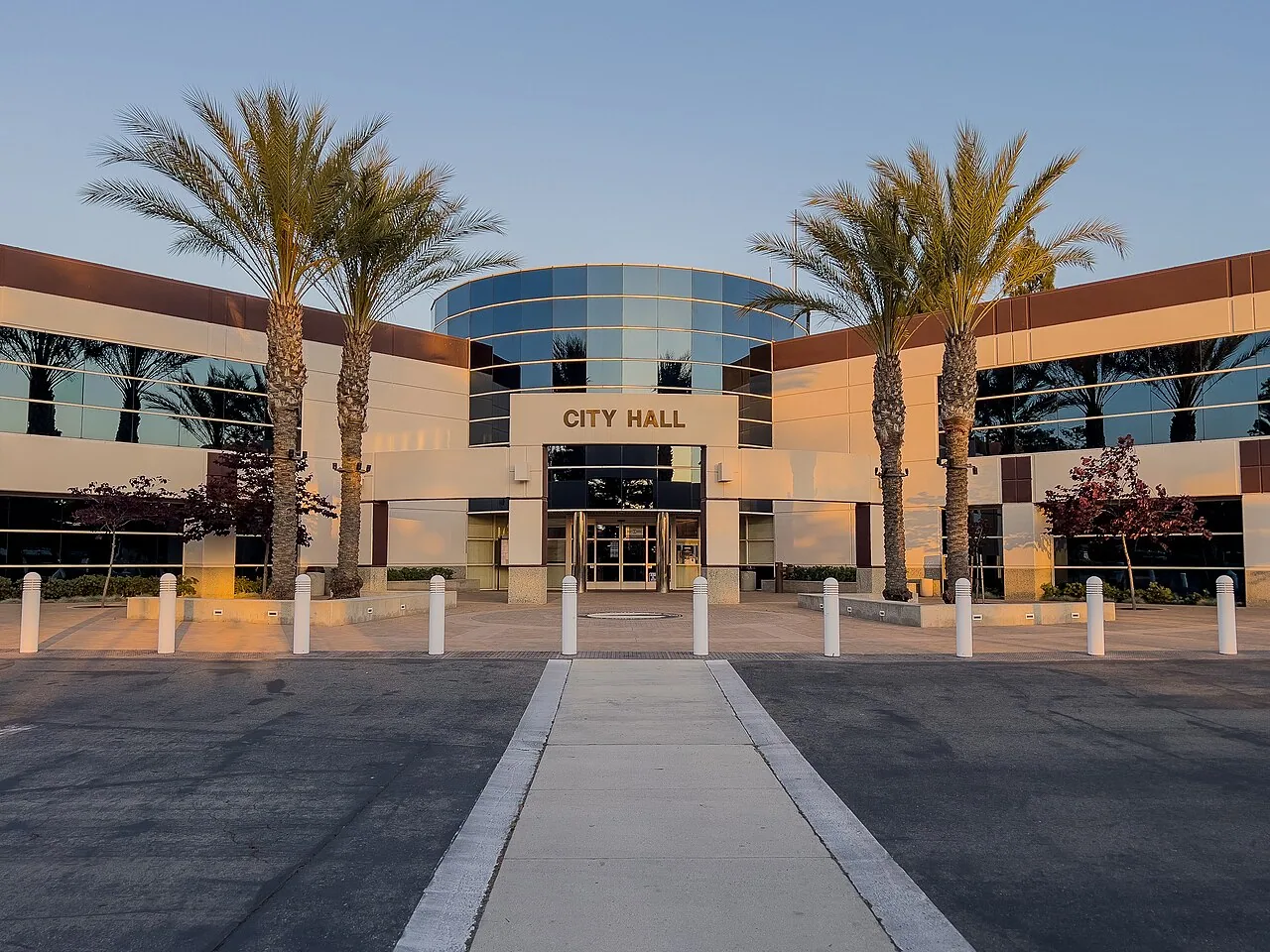
What makes a useful closeout record?
Closeout should identify the section worked, repair material, tie-in location, and condition left for follow-up. We attach contextual photos, name any temporary protection, and record whether the planned area was reached. If a restricted zone, equipment conflict, or missing drawing stopped the route, the next step names the person who can clear that issue. The property manager can then match the field record to the right work order instead of assigning a new crew to reconstruct the history. We also note which person accepted the work zone, whether temporary barriers or interior protection were removed, and any item awaiting another trade. If the owner has separate roof sections under one asset number, the closeout identifies each label used so a later inspection can return to the same point. These details make the handoff usable across facilities staff and shifts.
Before scheduling, provide the roof plan, prior repair tickets, leak locations, operating limits, and access contact. We confirm the safe entry path, any protection needed below, and the tie-in that must be secure before the workday ends. A maintenance visit
Commercial Roofing Questions
Do Riverside's 20 specific plans indicate how many roofs need work?
No. The plan count describes City planning documents, not buildings, roofs, or repair volume. We inspect the property named on the work order and report its verified condition.
Can a business-park name identify a roof assembly?
No. A named planning area can help orient the property record, but drawings and field evidence establish the membrane, insulation, and transitions on a specific building.
What if the leak appears below a different roof section?
We compare the interior location with the roof plan and trace likely paths through the assembly. The report notes where water may have traveled and what test would confirm the boundary.
How can work continue while tenants or equipment remain active?
We set a route with the site contact, mark areas that must remain open, and define daily closure points. The crew follows the authorized sequence and records access limits.
What can change the timing of a replacement scope?
Removal depth, wet substrate, transition details, staging, interior protection, equipment coordination, and the number of safe tie-ins affect the sequence. We state these drivers in the scope.
Related Roofing Work


Set a Riverside roof inspection
Send the property identifier, roof records, reported condition, access route, and operating limits. We will document the section reached and outline the next repair or capital decision.