
A board packet cannot rank a roof project from a stain photo alone. The facilities director needs the affected section, verified condition, work boundary, and what could change the estimate. We assemble those items into a capital review that separates immediate containment, repair, testing, and replacement candidates. Each recommendation carries its own evidence and access limits, so a budget request does not imply that every roof was opened or sampled.
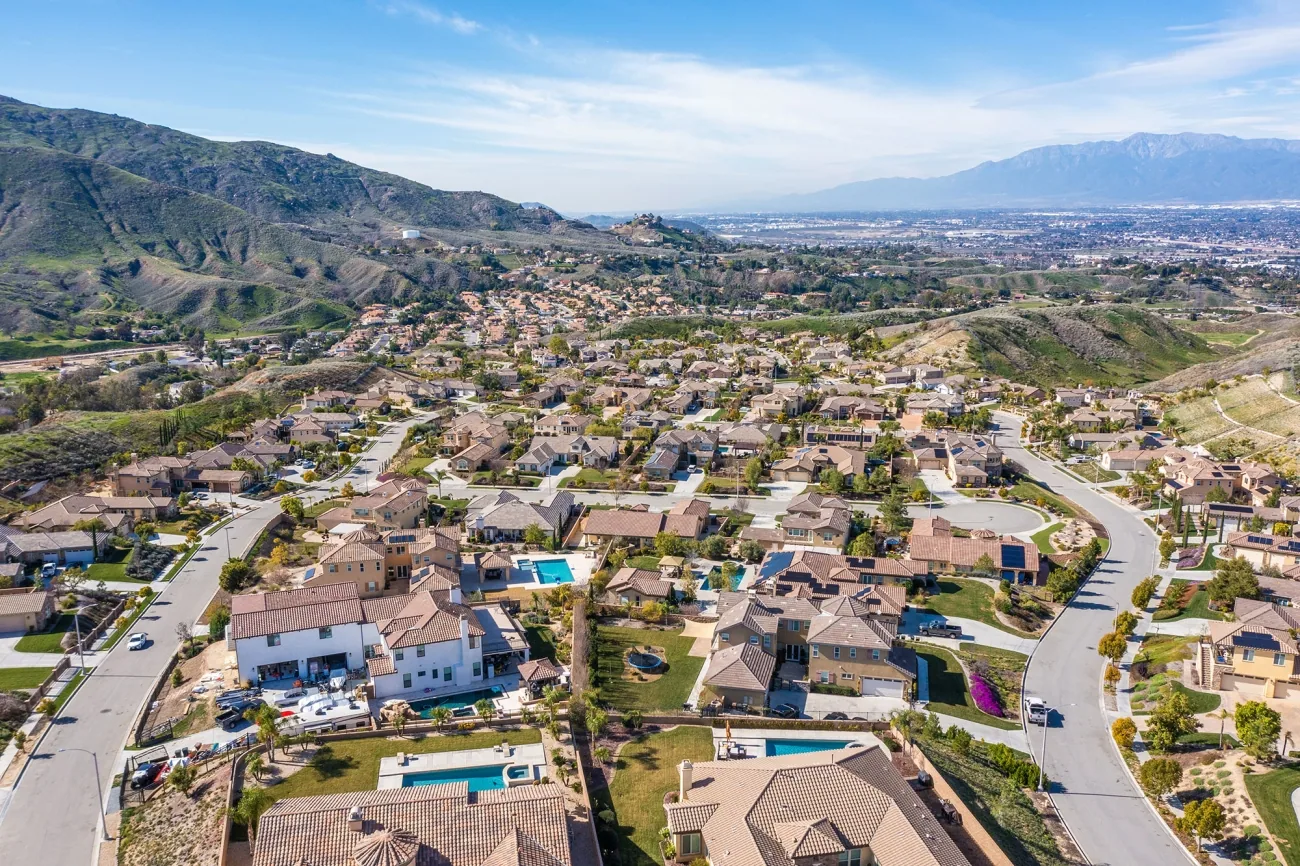
Rialto's mapped commercial streets and its part of the cross-jurisdiction Agua Mansa plan can serve as separate portfolio tags. Keep an address-level record for each property so an investment decision does not merge distinct roof assets. If a portfolio spans both, keep a separate access window, roof-condition record, and work order for each property before ranking its budget request. The commercial-corridor overview can orient that asset list.

What evidence belongs beside each funding request?
Begin with a roof plan, assembly where confirmed, repair history, photos, and a short statement of the observed condition. Identify the date and section inspected. Mark whether moisture was visible, tested, or only suspected. If a deck concern, attachment issue, or concealed layer remains unknown, list the test that could answer it and the decision that depends on that result. This keeps an estimate from reading like a final design when important field information is missing.
A condition report can organize the evidence behind the request. A hands-on inspection can update it when a leak recurs or a planned project approaches. For each option, show work area, removal assumptions, insulation or cover-board needs, curb and edge transitions, drainage, staging, and whether another trade must coordinate equipment. These are scope elements, not add-on quantities to invent before the roof has been reviewed.
Capital review also needs the operating consequence. Note whether the area serves receiving, office space, production, public access, or other active use. Record the access window and any planned shutdown or protection. The purpose is not to place every roof item on a single risk score; it is to help the owner see why a project is urgent, deferrable, or dependent on more information.
How should a repair and replacement option be compared?
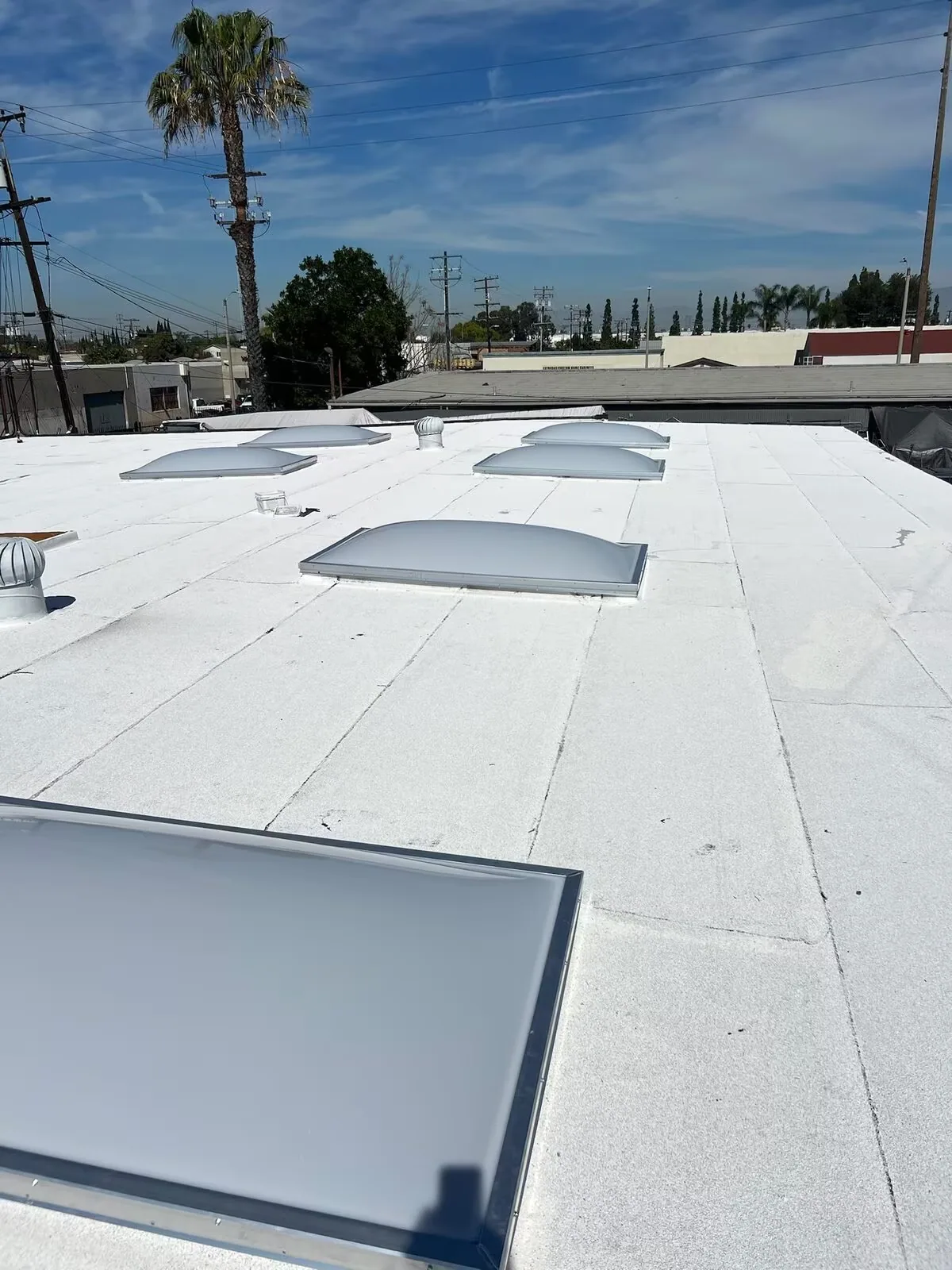
Compare options using the same roof-section boundary and assumptions. A repair scope should state what is removed, how the surface is prepared, what material ties into the existing system, and how the finished edge will be checked. A replacement option should include tear-off or recover assumptions, substrate review, insulation, drains, curbs, penetrations, edge metal, and temporary protection. When the scopes differ, list the difference rather than presenting one number as though both cover the same work.
A repair ticket may address a localized defect when the surrounding assembly remains suitable. Multiple wet areas, repeated seam openings, or widespread deterioration can lead to further testing or a larger project. A replacement assessment can define the broader boundary. A recover evaluation should document retained layers and whether they are dry, attached, and suitable to support another assembly.
Do not assign a precise renewal date from appearance alone. The condition record can indicate that a section deserves review during a certain budget cycle, while future inspections may move the timing. If the owner defers an item, state the known exposure and the interim action. That is more useful than hiding uncertainty behind a precise year unsupported by samples or manufacturer terms.
What local conditions should enter the capital discussion?
Rialto's adopted Climate Adaptation Plan names extreme heat, wildfire, flooding, and air pollution among City hazards and describes hot days as regular. Use the heat context when setting access windows and maintenance timing. For each funding request, base scope on the observed membrane, seam, flashing, and drainage condition, with testing listed where concealed layers could change the decision.
The Foothill Central Specific Plan Area consolidates the former Foothill and Central frameworks; the Gateway map separately shows business and industrial categories. These planning references help locate a portfolio entry, not rank its capital need. Use these boundaries to sort property records, then tie each funding line to its own inspection condition and access details. If a portfolio includes property in Agua Mansa's multi-jurisdiction planning area, identify its Rialto assets separately in the local work list and keep each address and access record with that property.
Keep a status field for proposed acquisitions, tenant changes, and expansions. Reserve a due-diligence step before adding a property to the funded roof list, then set its final scope from a site survey and the building documents the owner provides.

How can projects be staged without losing roof control?
Sequence work by the condition, access route, and ability to protect an open roof section at the end of each shift. A phased reroof may make sense when the building must remain active, but each phase needs a dry-in boundary, drain plan, equipment access, and completion check. If several properties share one budget cycle, do not assume that the same crew date or material staging works at every site.
When a capital project advances to construction, Rialto's municipal reviewers examine the plans and inspect work for compliance with applicable California codes and local rules. Rialto's newer state-code edition took effect January 1, 2026; the City applies it to plan and permit submissions received after December 31, 2025. Include that transition in design and submittal timing, then confirm the review route for the proposed scope.
A phased occupied-building plan can connect roof sections to operations. A maintenance visit can close smaller upkeep items while a capital project is scheduled, provided it does not conceal a condition that requires immediate correction. The plan should state what happens before mobilization, during a temporary delay, and at closeout.
What should the capital memo tell the approver?
Keep the memo short enough to review and specific enough to act on. Identify the property, roof section, condition, evidence, proposed scope, cost drivers, access needs, assumptions, exclusions, and the decision date. Show whether the request is for containment, permanent repair, testing, design, or replacement. If the owner is choosing between two approaches, identify the fact that would change the recommendation.
Attach the roof map and photos, then link them to the work orders and past corrections. A roof asset register can keep project history beside the next budget review. For a portfolio with multiple locations, use consistent labels but maintain separate funding decisions where roof conditions differ. The approver should be able to trace each requested action to evidence on a particular building rather than a general statement about Rialto's weather or building stock.
After the decision, return the approved scope and project status to the record. If funding is postponed, document the interim maintenance and next inspection date. When work is complete, attach closeout photographs and update the project boundary. That closes the loop between observation, allocation, and field result, and makes the next capital cycle easier to compare.
Commercial Roofing Questions
Can a capital plan set a replacement year for every roof?
It can identify a review window for each asset, but the date should reflect confirmed conditions and known limits. New testing or a later inspection may change the sequence.
What should be priced before testing is complete?
Separate confirmed work from allowances or follow-up testing. State the assumed boundary and which result could expand or reduce the scope.
How should a recurring leak rank against a planned reroof?
Compare the active exposure, repairability, access, and impact on operations. If containment is needed now, assign it separately from the longer capital decision.
Does the Rialto code date apply to every maintenance ticket?
No. The City's date guidance concerns submitted permit applications and plans. The proposed scope and review process determine whether a project requires that path.
Can maintenance work continue while capital funding is pending?
Yes, when the condition supports maintenance and the work does not postpone a necessary correction. The record should identify the interim action and next review.
Related Roofing Work

Turn roof findings into a ranked capital decision
Share the current roof register, inspection reports, repair history, budget cycle, and access limits. We will separate urgent work, testing, and capital scopes with the evidence behind each choice.