A manufacturer name belongs in a roof scope only after the installed assembly and compatible materials are verified. We compare product documentation with the roof's substrate, attachment, insulation, drainage, and transitions. In 2025, Rialto adopted design and build standards for new or expanded logistics facilities. That project rule does not specify a roofing membrane. We identify the property's assembly from owner records and field details before considering a manufacturer system.
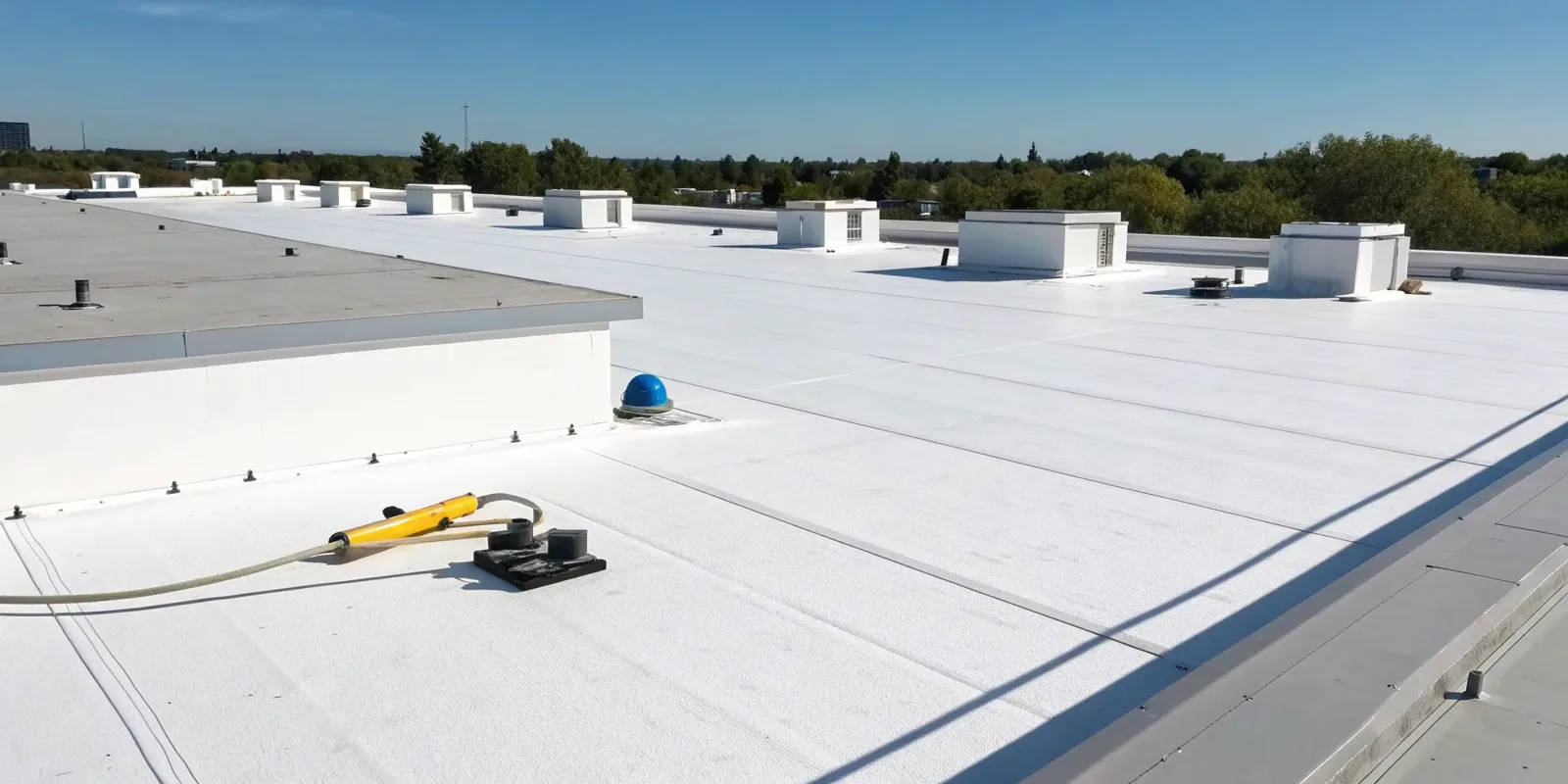
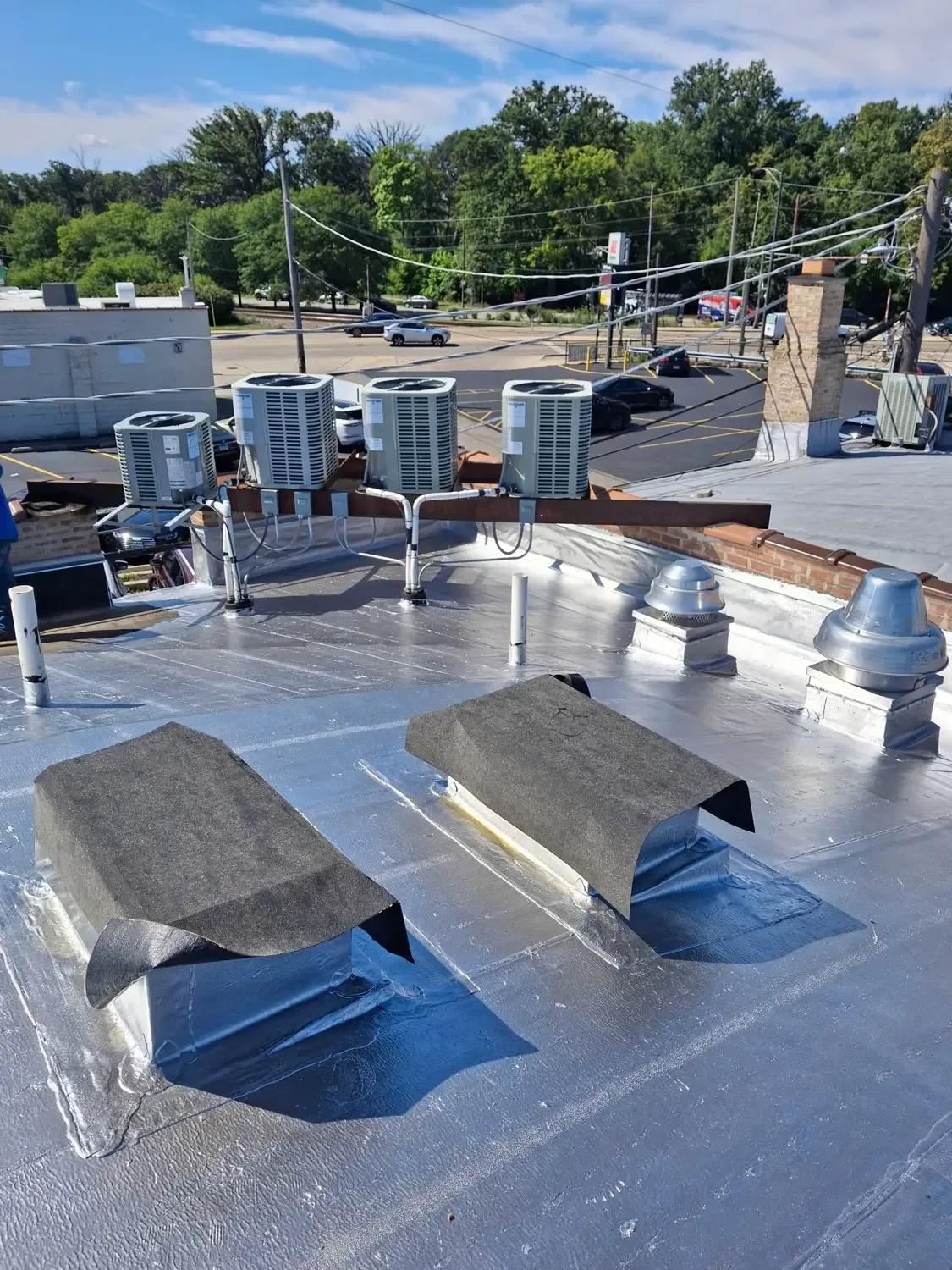
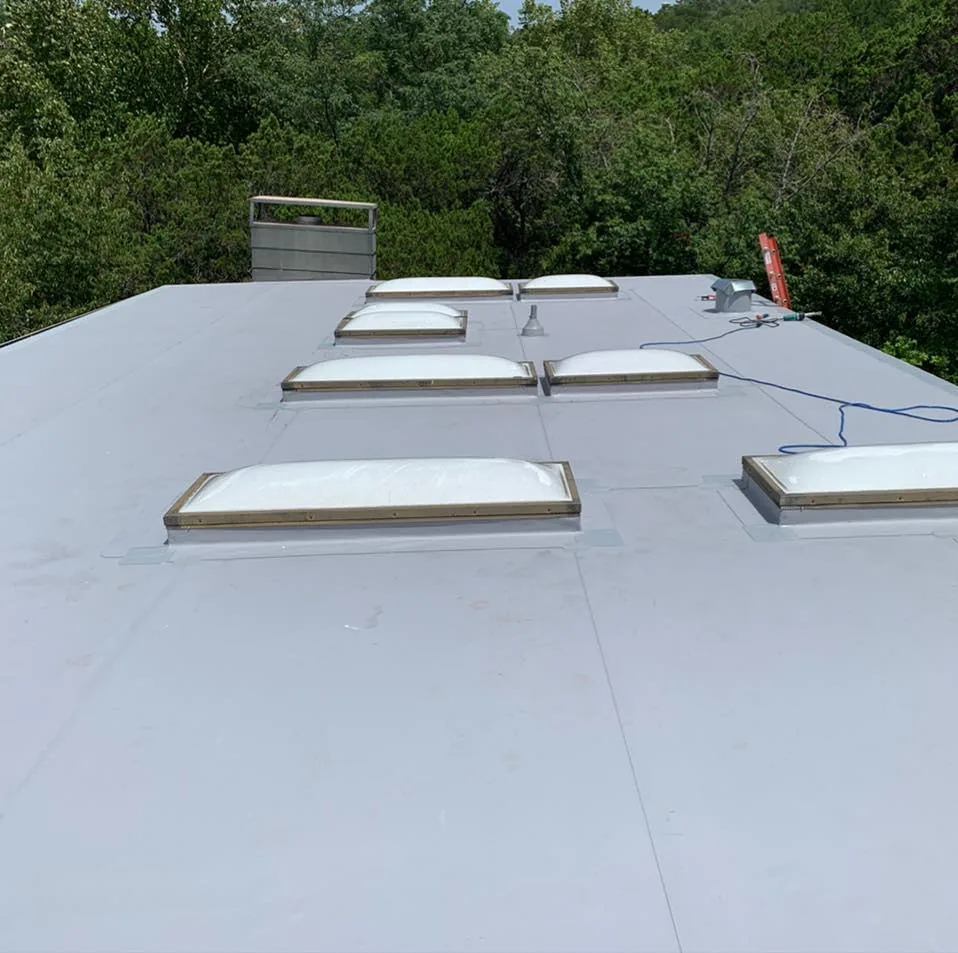
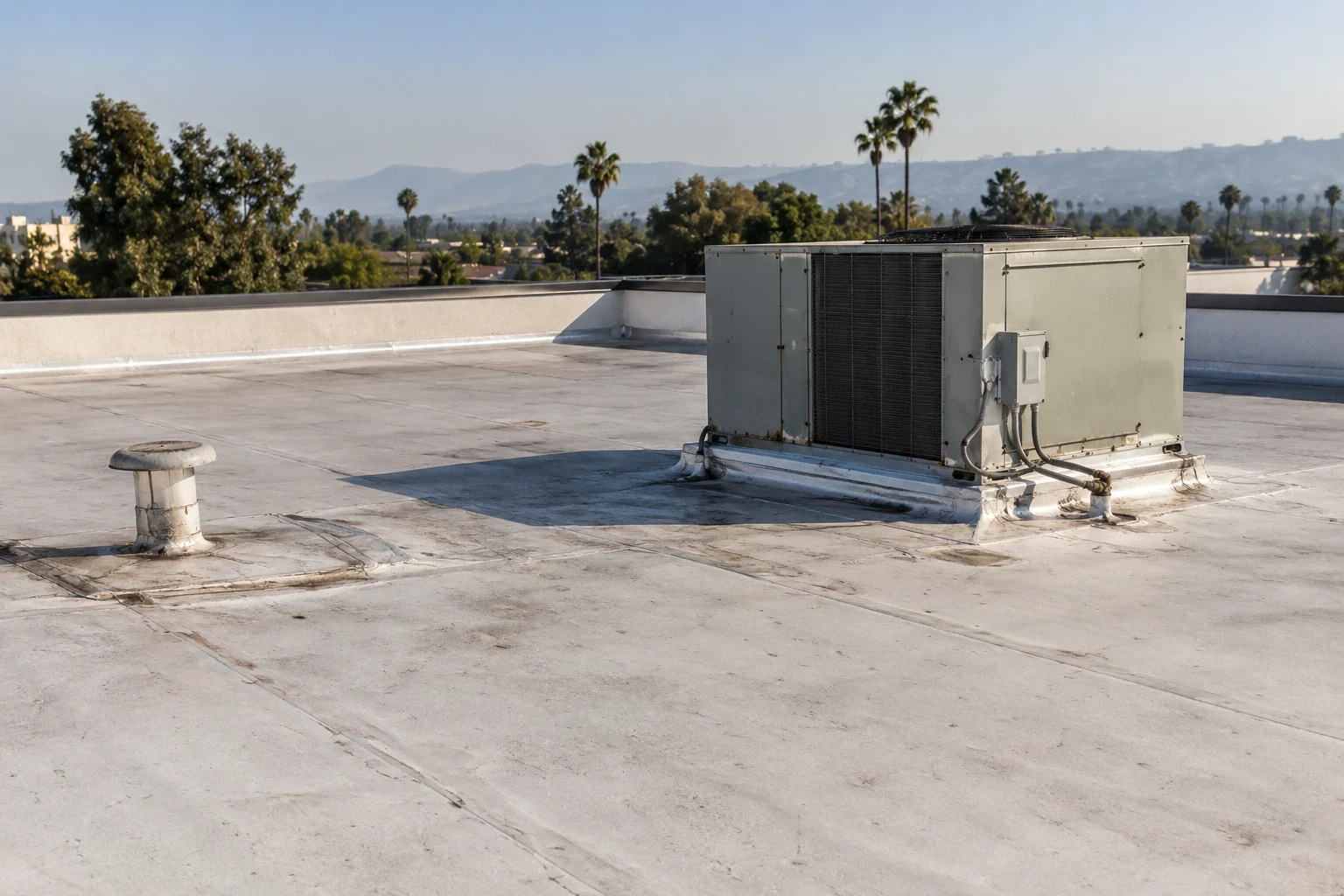
Which system families are in the review?
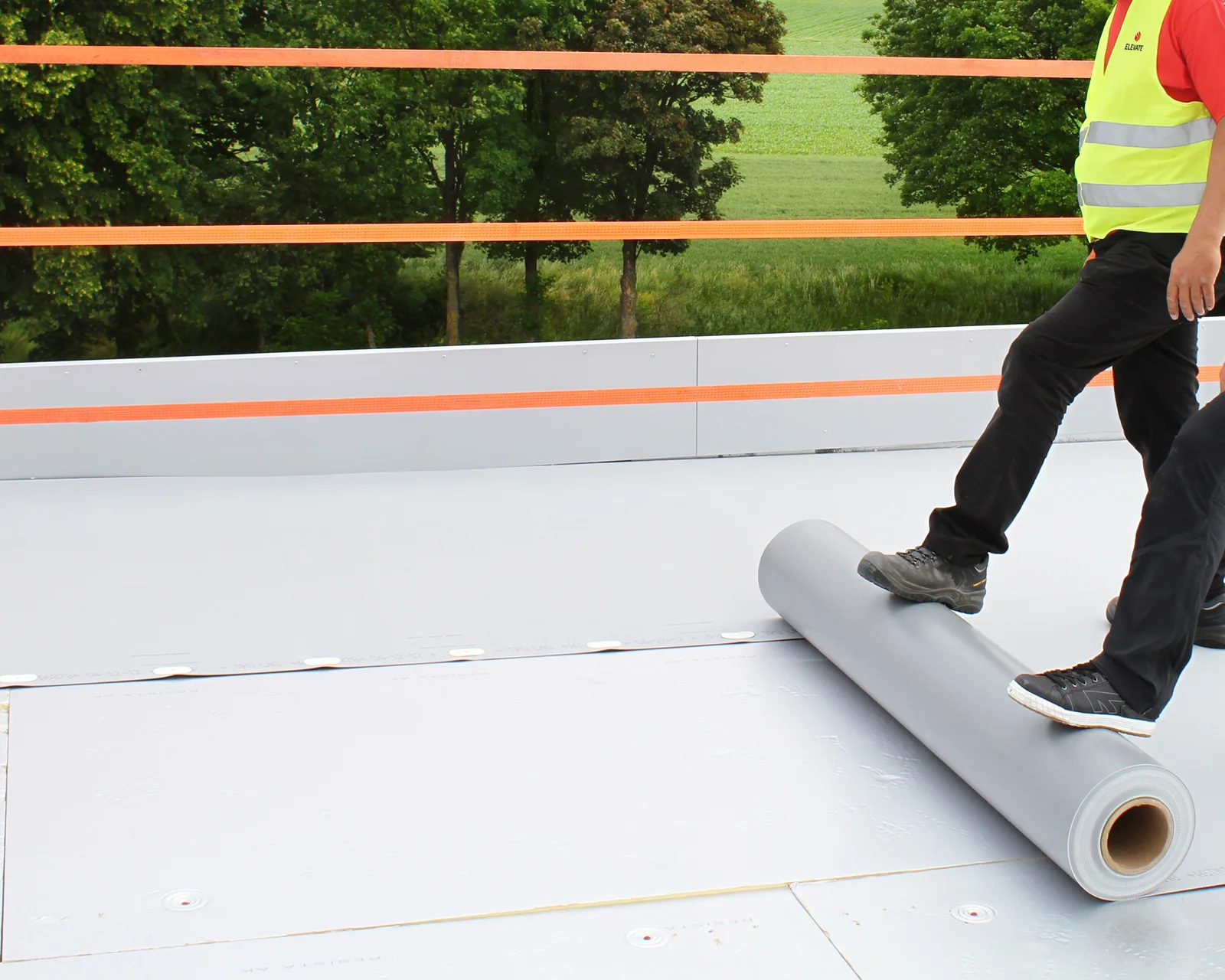
Manufacturer literature describes materials, details, and installation requirements. GAF, Carlisle SynTec, Johns Manville, and Holcim Elevate offer system information that can be compared with a project's design. Sika Sarnafil, Versico, Soprema, and Duro-Last each have their own product families. The selected material must fit the confirmed assembly and project documents.
What must be confirmed before specifying?
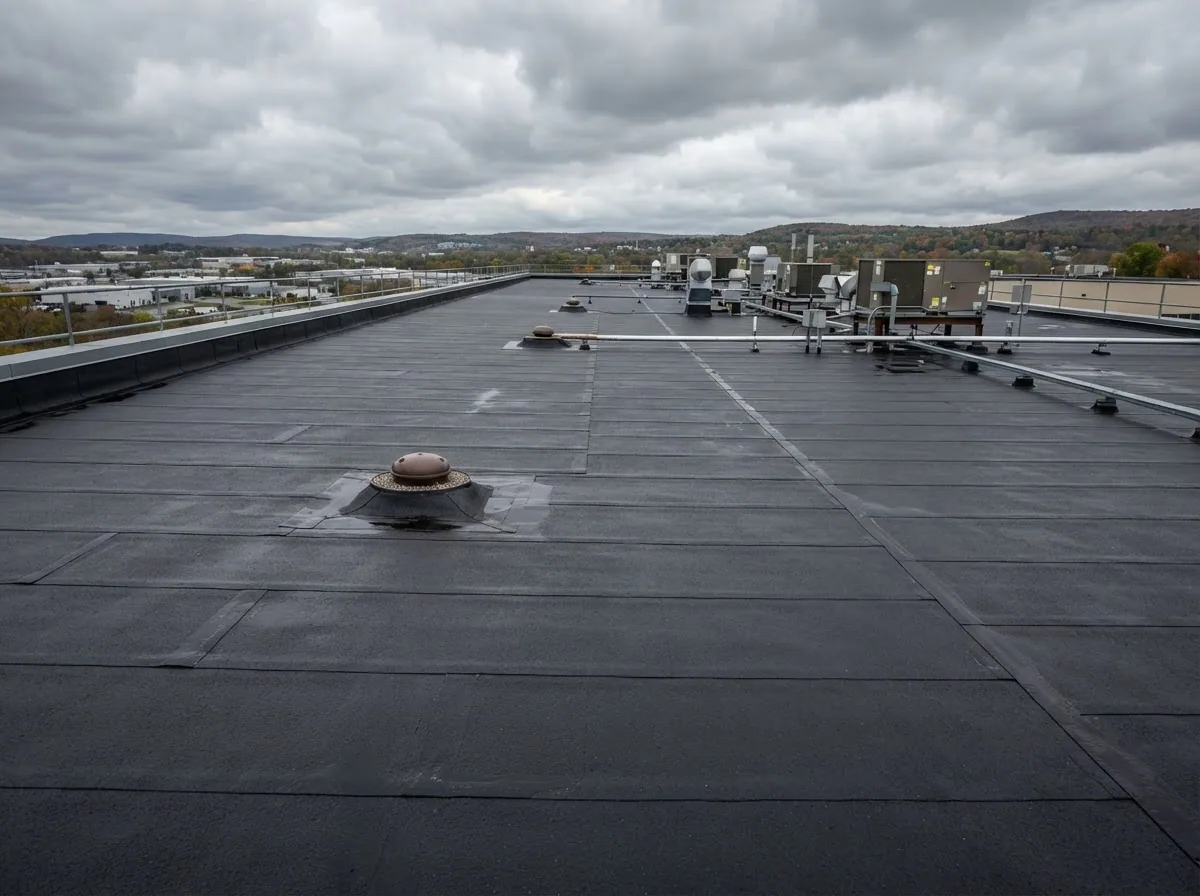
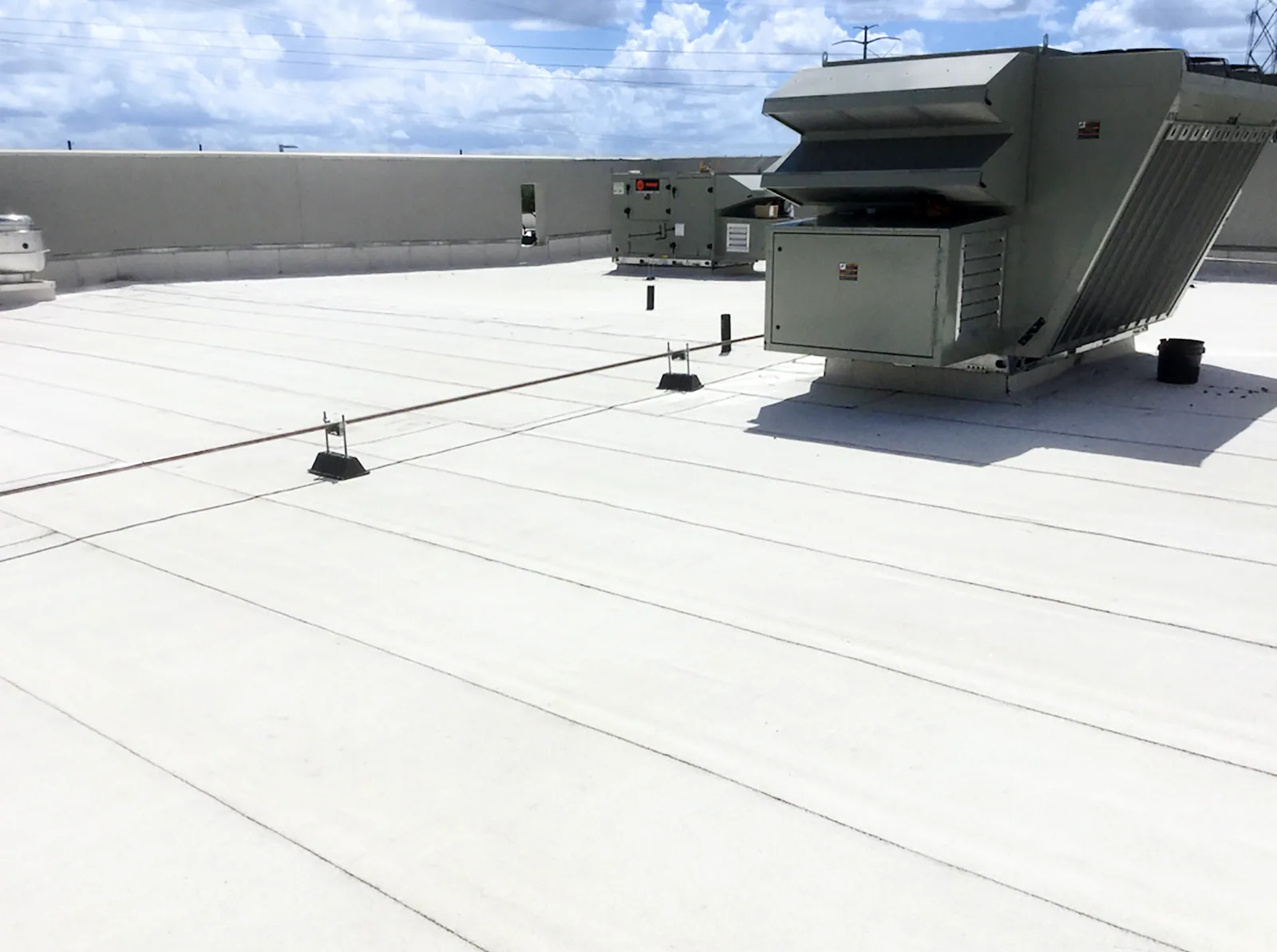
We identify the existing membrane or panel where evidence supports it, then inspect seams, penetrations, curbs, drains, and edges. A product sheet cannot resolve wet insulation, weak attachment, or a transition that needs redesign. We record the actual roof section and open questions. City review and product instructions address different project questions. The design submission and applicable code process establish the required approval, while the system documentation guides material and detail selection.
When should a system be repaired or replaced?
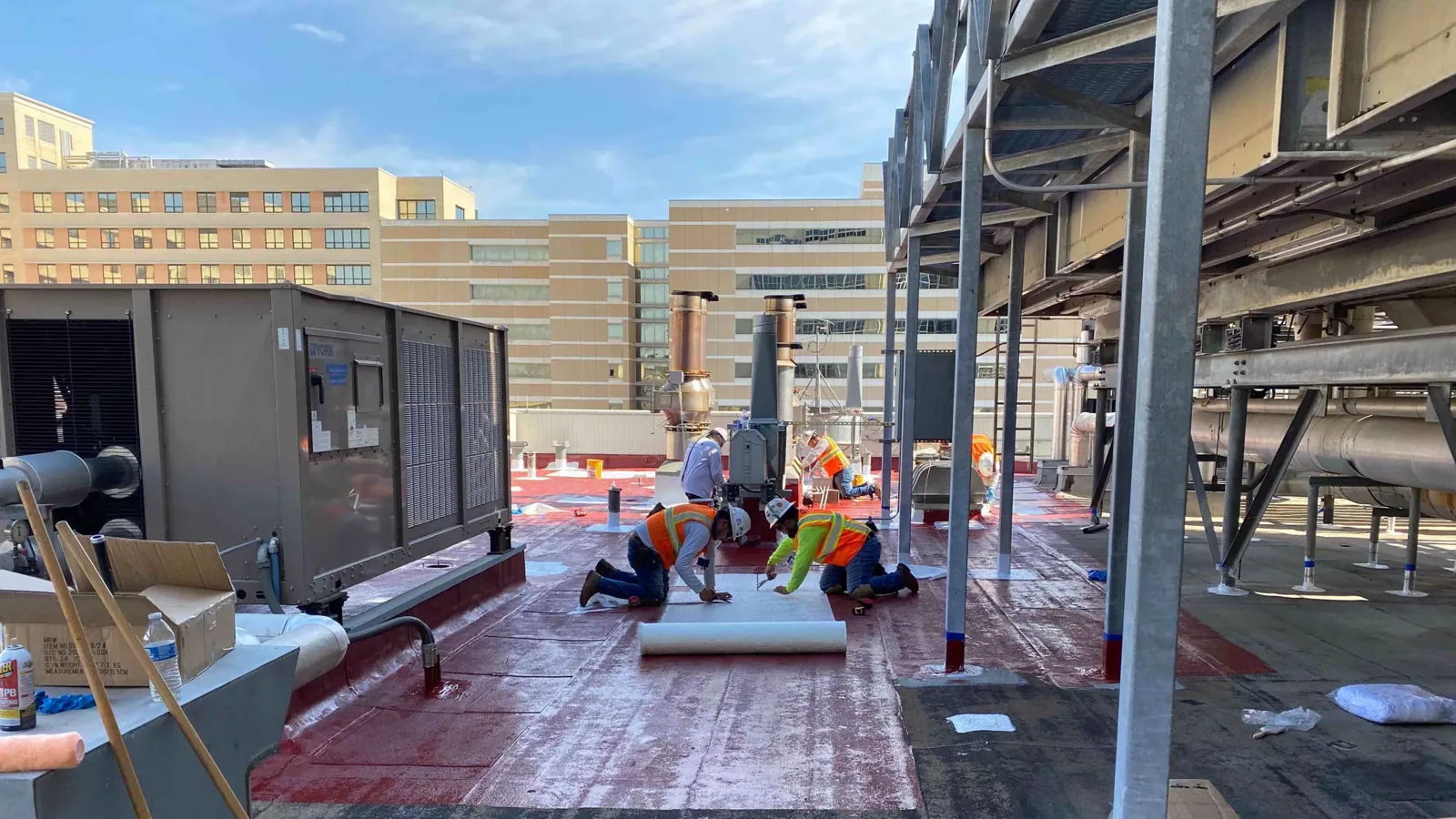
A compatible repair may be appropriate for a bounded defect and stable surrounding material. Repeated failures, broad moisture, or failing attachment may call for testing or a wider comparison. The scope should identify the product and detail only after those conditions are checked. A commercial roof inspection can document the assembly; a replacement scope can define removal, substrate preparation, and tie-ins. We do not assume a manufacturer relationship from the material listed in a roof record.
How should a facilities team retain system details?
Keep product information, repair history, photos, and roof-section labels under the property identifier. Record what was actually installed only when plans or field evidence support it. A later inspection can compare the current seam or flashing condition with the prior work order. This makes the system record useful for repair decisions without turning a product description into an unsupported claim about warranty, approval, or performance at a particular building. When a repair occurs, note its date, roof section, material used, and evidence source. Keep confirmed observations separate from assumptions so a future reviewer can identify what still needs verification.
Commercial Roofing Questions
Does a manufacturer page mean a contractor partnership?
No. It describes product information and system types. We do not infer a relationship from a roof's material record.
How do you choose a compatible repair material?
We verify the assembly, substrate, attachment, and detail conditions, then compare the proposed method with product documentation and project requirements.
What if the roof records and visible system do not match?
We note the conflict and identify the inspection or document needed to resolve it before specifying a material.
Can product documents replace City review?
No. Manufacturer instructions and applicable plan review address different parts of the project. The submitted design and City process establish required approvals.
Request a Roof Assessment
Share the roof records, prior repairs, and reported condition. We will compare the documented assembly with field evidence and identify the next work step.