
Before ordering a Duro-Last patch, identify the roof section and the condition that the work order needs to correct. A reported leak can enter at a field seam, curb, drain, or perimeter, then travel beneath the membrane. We compare the report with the roof plan, inspect the PVC surface and transitions, and document the repair boundary. If a record cannot establish the assembly, we call for confirmation before choosing a tie-in method.
The Agua Mansa Industrial Corridor is a multi-jurisdiction planning area with only part inside Rialto. The Gateway Specific Plan Area is also broad, with commercial and industrial use designations on its land-use map. These locations provide market context, but they do not establish a building's membrane or operating schedule. For an eligible property in Agua Mansa, our Rialto-area inspection route starts with the local access rules and roof register supplied by the facility.
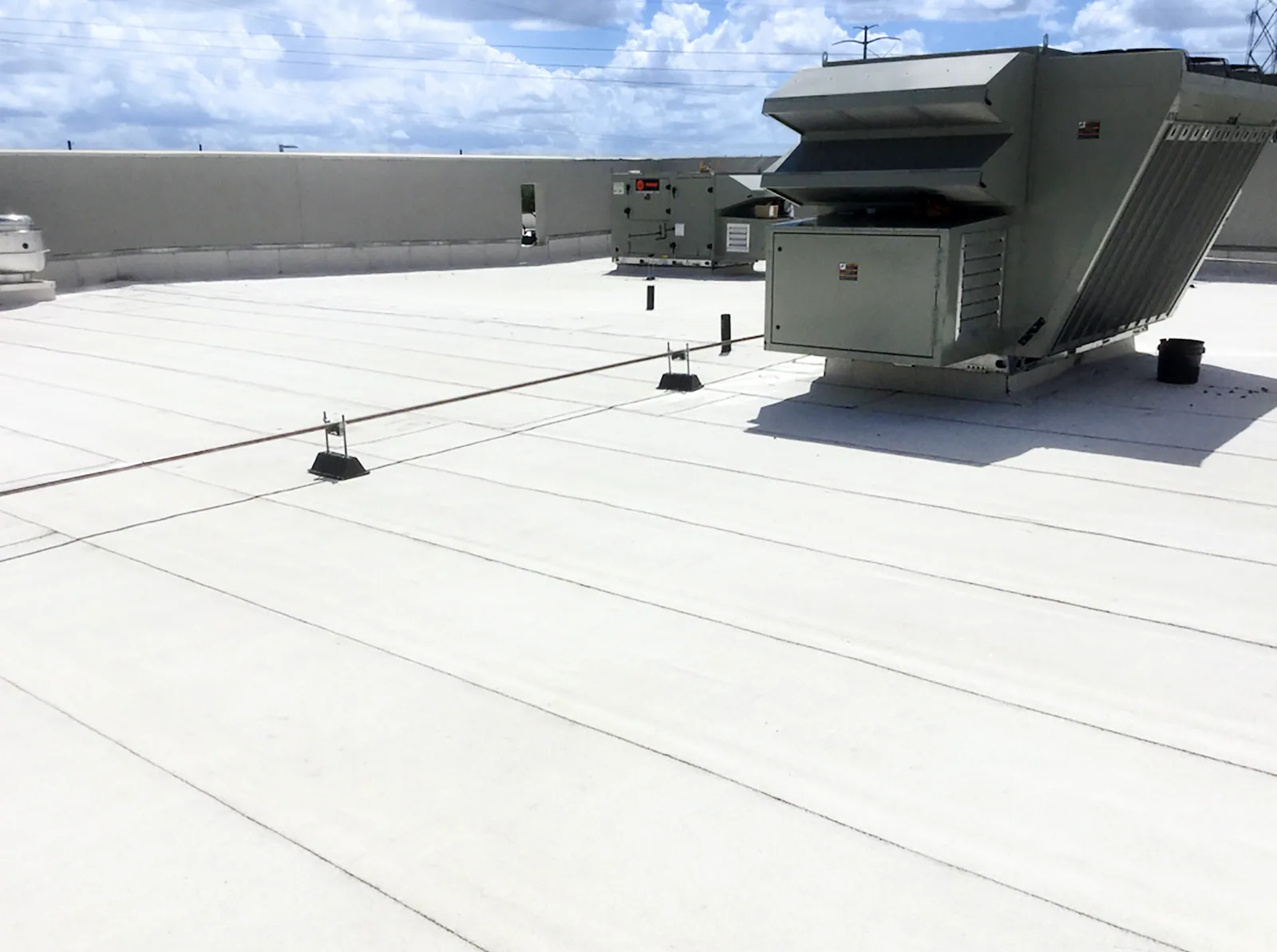
What is the installed PVC system?
Duro-Last is associated with prefabricated PVC roofing systems. The existing roof still has to be checked in place. We review submittals, labels, seam configuration, flashing, and patch history, then compare those records with the exposed material. A recover or later repair can alter the original layout. The work order states what was confirmed and which detail needs a test before a new material is selected. This protects the repair from being based solely on a prior proposal.
We inspect the field sheet for punctures, open seams, wrinkles, and surface contamination. Attachment and substrate are checked separately because a sound weld does not prove that insulation or deck below is secure. Around a curb or pipe, we follow the flashing into the field and look for a complete connection at the corners. If the roof is confirmed as PVC, PVC seam and flashing requirements can guide the scope. A second comparison with Sika Sarnafil system details stays grounded in the same field condition.
Where should a seam repair stop?
A seam repair should reach stable membrane and a continuous bond. We examine the lap along its full affected length, including patch edges, intersections, and nearby changes in plane. If safe and appropriate, the crew tests the weld and marks where separation begins and ends. Dirt, coating residue, or prior repair material can require additional preparation. The work order records those steps so the closeout can confirm the same boundary.
Water does not always appear below the point where it entered. We trace the reported wet area through the nearest drain, curb, penetration, and edge details. A raised seam can divert runoff; a loose flashing return can allow water to move under the sheet. We identify the connected conditions before assigning a patch. A seam failure work order can include the length, roof section, and tie-in limits. When an edge is involved, a separate coping and gutter inspection checks the metal connection.
What does the drainage route reveal?
At each outlet, we check the roof slope, drain bowl, membrane termination, and overflow path. Debris at the bowl is a maintenance item; a loose flange or detached PVC connection is an assembly repair. We also note low areas and standing water beside laps. A drain that passes water does not establish that the surrounding membrane is attached. The report separates outlet cleaning from repair work and specifies any area that needs moisture verification.
Rialto's climate adaptation plan names flooding and extreme heat among City hazards and says hot days are regular. This is planning context rather than proof of a defect on one Duro-Last roof. We document the surface and outlet conditions that were actually observed. If moisture below the membrane could change the scope, an infrared moisture survey can identify candidates for physical checks where conditions suit. For active water entry, a leak investigation records the path before a permanent correction is specified.
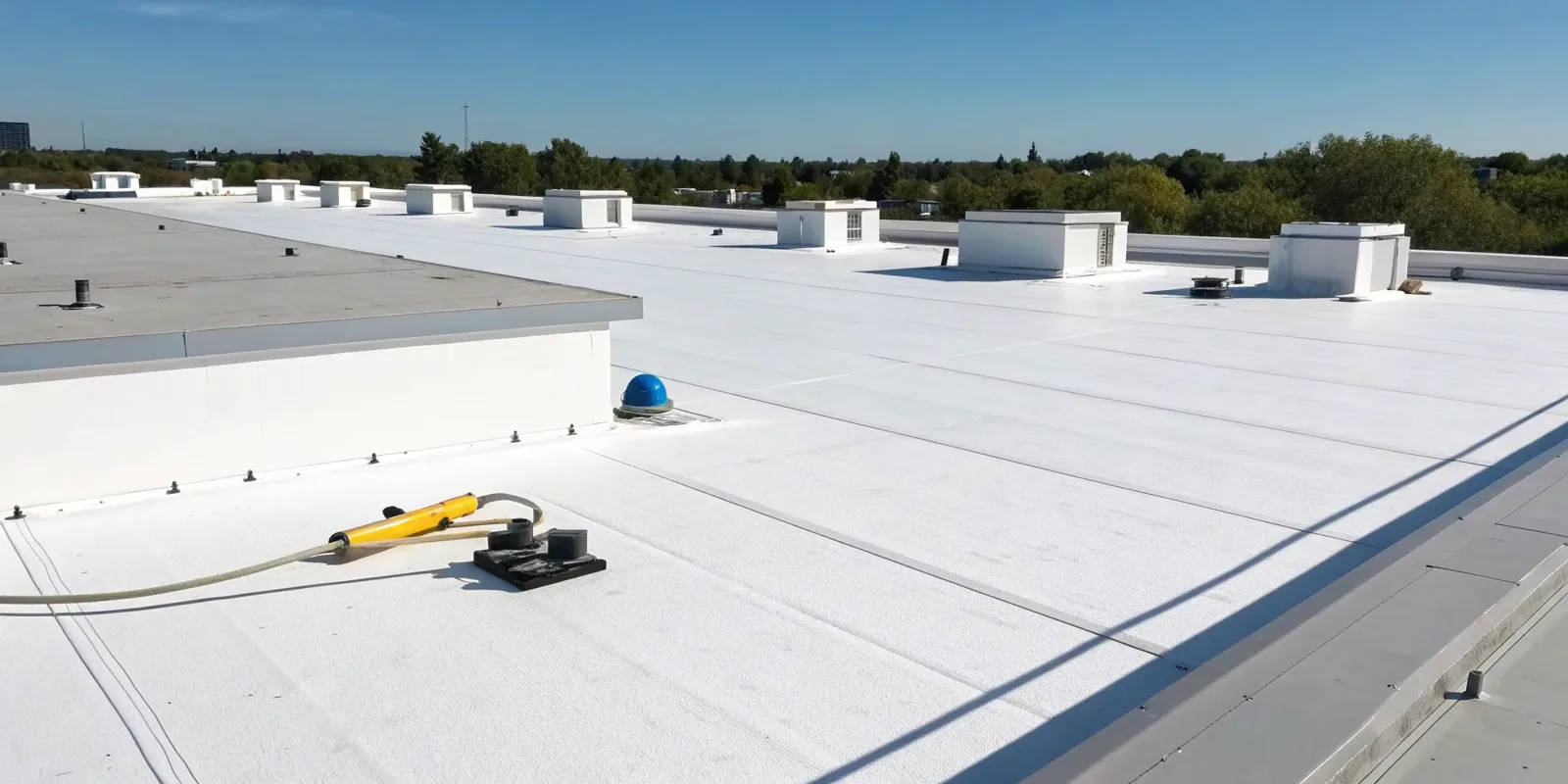
How should repairs be tracked?
Each work order should name the section, seam or flashing detail, material, preparation, and closeout test. Photos show the defect before work and the finished tie-in after it. If containment is temporary, the record says when a permanent repair is due. We also note if a roof area could not be inspected. A stable roof register makes repeat reports easier to compare and gives the facility director enough detail to assign follow-up without re-opening the same question.
Gateway's map for Rialto includes office and industrial parks alongside retail-commercial and freeway-commercial areas. A property's own activities and access requirements determine the roof route. We confirm who can authorize entry, where tools can be staged, and whether containment is required below. A roof asset record can group repair tickets and inspection findings by section. A maintenance visit can then check those details on a planned schedule instead of waiting for another leak report.
The repair record also makes the next inspection more efficient. The crew can return to the same marked seam, drain, or perimeter segment and compare the current photo with the prior closeout. If the condition has changed, the new note explains whether the patch edge moved or another detail became involved. That history supports a measured maintenance or capital decision.
When should repair become a capital review?
A local correction remains appropriate when the surrounding membrane is dry, stable, and able to hold a compatible tie-in. Repeated openings, multiple wet sections, or loose attachment can make patching a short-lived scope. We map the measured area and identify whether a core or wider inspection could change the decision. A recover is considered only if existing layers, insulation, attachment, and drainage support another assembly. If not, removal needs a clear boundary and sequence.
Before comparing another assembly, measure the retained layers, drain height, insulation condition, and edge transitions. Those items determine whether a recover remains viable or removal is needed. We mark test locations and define any allowance for concealed conditions. The closeout separates the inspected PVC surface from roof areas that were not opened. A replacement comparison can document removal, insulation, drainage, and edge transitions. For a different manufacturer reference, Versico membrane considerations can be examined against the roof's confirmed layers. Schedule a field review with roof plans, previous tickets, and access instructions in hand.
Commercial Roofing Questions
Does a Duro-Last record confirm all current roof layers?
The original submittal shows which system was specified, while later work may have changed the exposed assembly. We compare those records with the sheet and transitions, then flag any layer question that needs sampling before repair or recover planning.
How is a PVC patch boundary selected?
First, we trace the seam into adjoining flashing, assess attachment, and look for moisture near the opening. A repair needs sound sheet for its tie-in; if field checks extend the affected boundary, we measure it before patching.
Can the same inspection include drains and roof edges?
Include the connected outlet and perimeter when either lies along the reported water route. We list drainage parts, membrane terminations, and metal edges as separate observations rather than treating every edge as a failure.
How does Rialto's flooding context affect a roof inspection?
The City's plan identifies flooding among local hazards, but that does not show what happened at a particular roof. We inspect slope, outlets, seams, and water marks at the property and base the recommendation on those observations.
What does the closeout need after a Duro-Last repair?
Record the roof section, material, preparation, repair limit, photos, and verification step. If moisture testing or a follow-up visit remains, assign that action clearly so a temporary measure is not mistaken for permanent correction.
Related Roofing Work
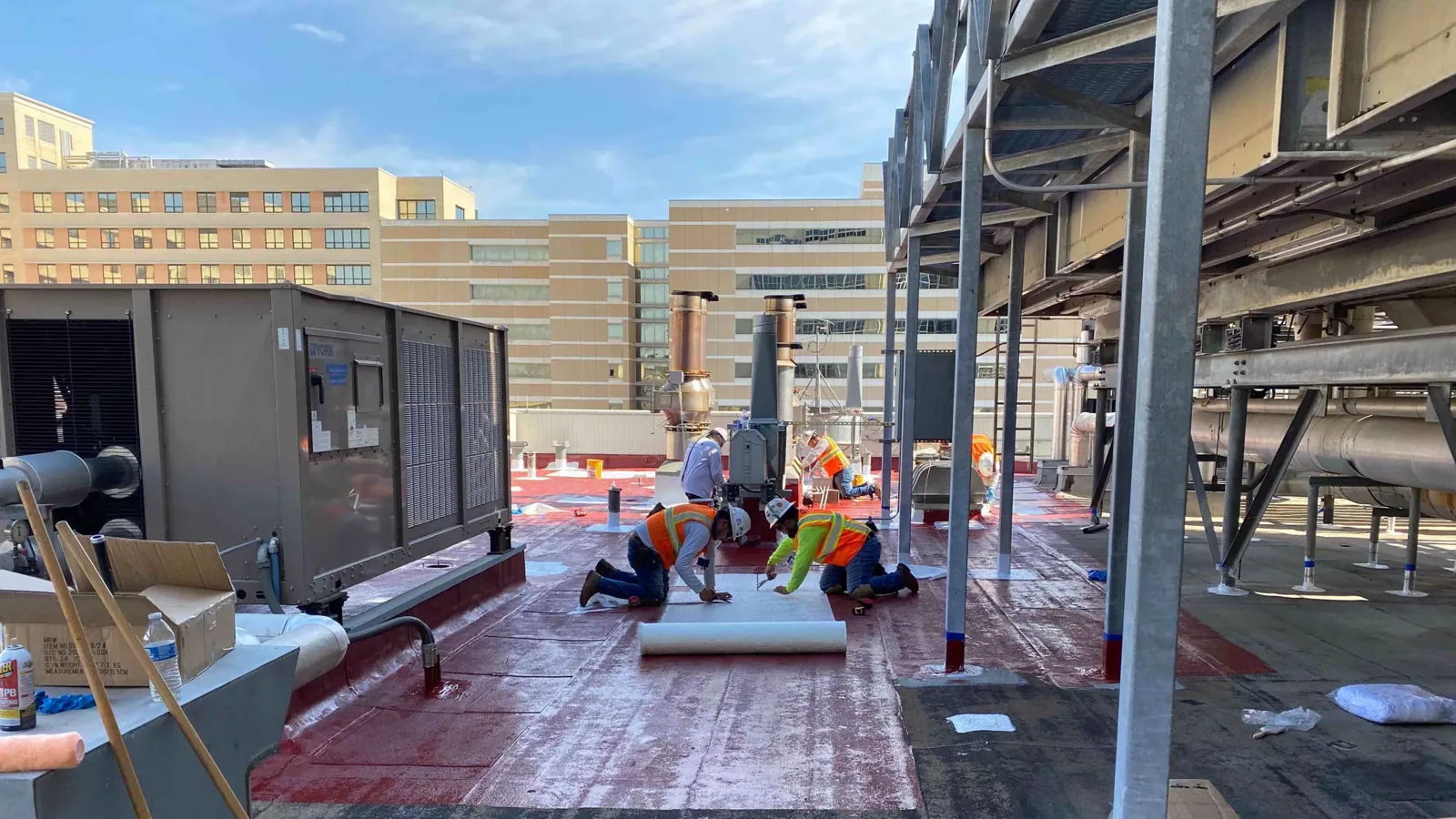
Put Duro-Last conditions in the roof register
Share the system records, roof plan, repair history, and access instructions. We will verify the exposed assembly and prepare a measured repair ticket or capital comparison.