A metal panel can remain straight while a clip, end lap, or penetration starts moving. The work order begins with the panel run and the first roof section that can be safely reached. We check seams, clips, fasteners, closures, and the water path at the reported location. The inspection route then follows the panel to its edge or transition, where the repair boundary can be set from observed conditions.
Rialto's adaptation plan names extreme heat as a City hazard and describes hot days as common. The General Plan identifies commercial areas along Foothill Boulevard and Valley Boulevard. During a standing-seam visit, we inspect joint sealant and panel movement, then use the facility's access window to plan a safe lift route.
What Holds the Panel Run in Place?
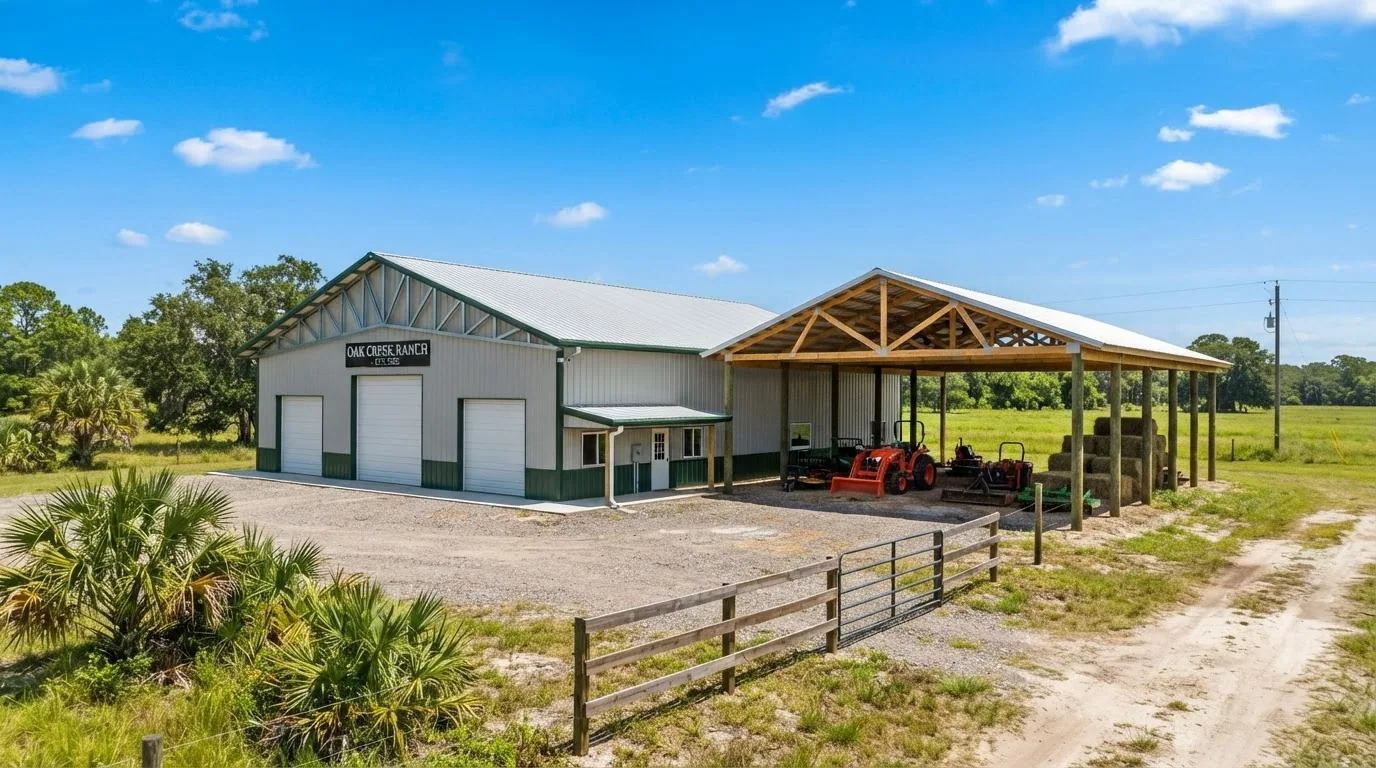
Standing-seam panels connect at raised vertical seams, with clips or other attachment concealed beneath the panel in many assemblies. We inspect the seam lock, end conditions, clips where accessible, and the perimeter attachment. Oil canning or waviness alone does not define a leak, but a loose seam, shifted panel, or open closure deserves a closer look. The roof register marks the affected run and adjacent transitions.
Thermal movement is part of metal roof design. A fixed point, clip spacing, panel length, and end detail all affect how the sheet moves. If the seam has opened near a curb or wall, we trace the panel back toward an expansion detail rather than seal the first visible gap. A edge and coping inspection can include closures and metal trim at the same perimeter.
Where Can Water Get Past the Metal?
Raised seams shed water across the panel field, but penetrations, end laps, valleys, and changes in slope create separate paths. We inspect closures, sealant, flashing, and fasteners around each interruption. The nearest interior report helps define the route, but water can travel along framing or insulation before it appears below. We compare the roof detail with the report and mark any test that could show whether moisture has reached the substrate.
A drainage check follows runoff to gutters, scuppers, and outlets where the system uses them. For Rialto properties near the commercial corridor group, roof access may compete with loading or customer movement. The facility contact establishes an approved path, and we keep inspection findings tied to the panel section rather than treating the entire building as one condition.
What Does the Surface Condition Tell Us?
Paint finish, exposed fasteners, sealant, and metal edges weather differently. We look for coating loss, corrosion at cut edges, failed sealant, and movement at panel joints. A surface finish issue does not necessarily mean the panel has failed through its thickness. We identify whether the work calls for surface preparation, a closure repair, replacement of a damaged section, or a separate coating review.
The Gateway Specific Plan Area includes an industrial-park designation in Rialto. For standing-seam work, use that location when planning staging, then record panel profile, clip movement, and end-lap condition before pricing a repair. A cool-roof assessment can consider surface properties when specified, while the current inspection documents the existing finish and metal condition. The repair ticket states what must be prepared before any new coating is applied.
Can a Standing Seam Panel Be Repaired in Place?
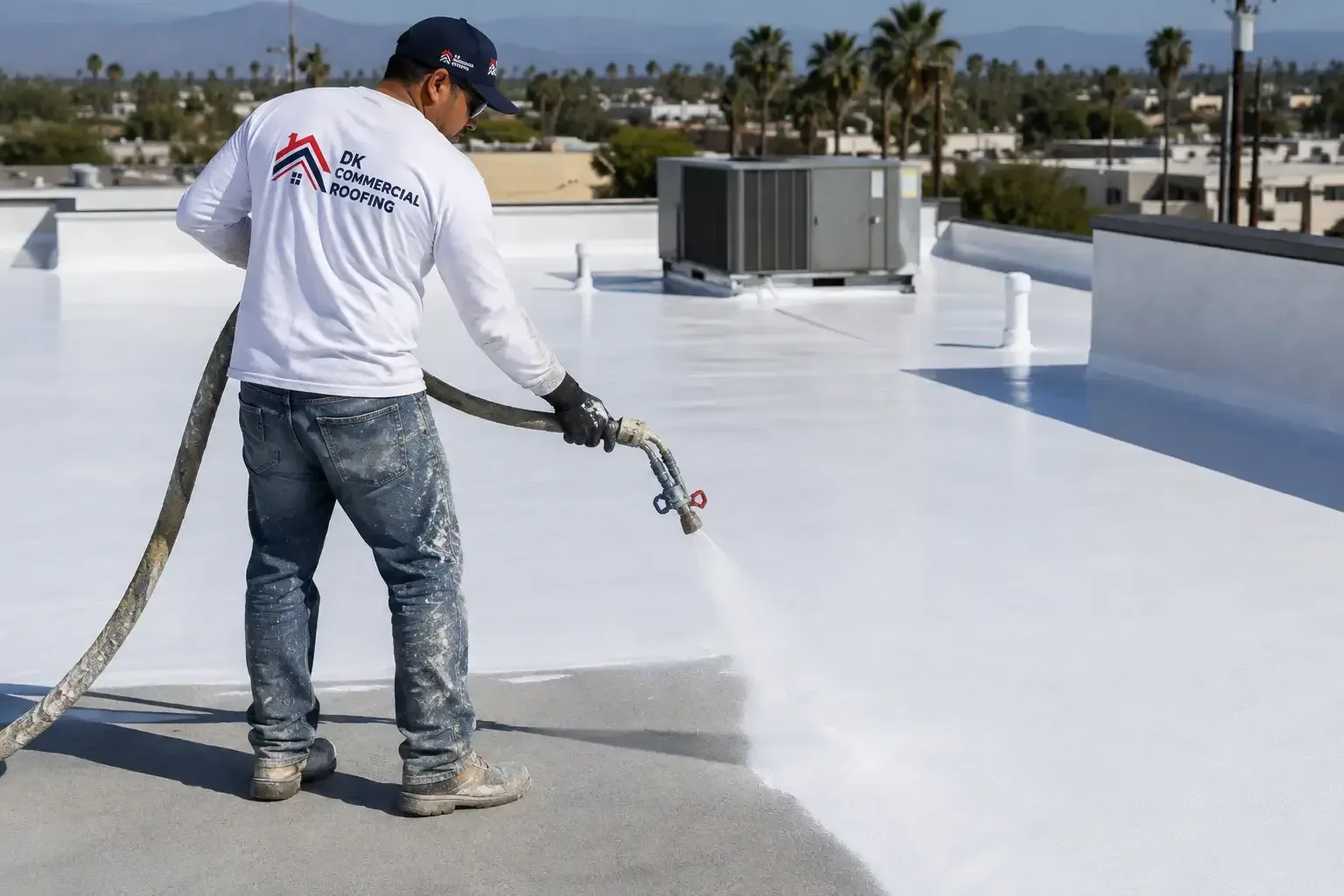
A repair can stay local when the panel is secure, the opening has a defined edge, and the surrounding metal accepts a compatible closure. We replace failed fasteners or closures where the design allows, restore the seam detail, and check how the panel drains afterward. Sealant alone is not a repair for a loose clip or damaged lock. We record the method and the inspected section for a later comparison.
If the panel has split, the substrate has moved, or several attachment points are loose, the work may require a larger section or a different system approach. A metal roof retrofit review can compare retained panels with a new assembly when the existing attachment no longer serves the work order. A commercial roof inspection can map damage before a replacement quantity is prepared.
What Changes the Installation Sequence?
Panel length, slope, substrate, clip layout, edge closure, and penetrations shape installation. The crew sequence also depends on material delivery, lift access, and how much roof can be left open between shifts. We mark the work section, dry-in point, and tie-in at existing metal before removing panels. If a mechanical trade must move a curb or support, we coordinate that change before new flashing closes the area.
A spray-foam roof system uses a different field assembly and transition detail from standing seam. We compare options only after the building conditions and drainage are recorded. The roof register states what will be removed, what remains, and how the final perimeter will close. That information helps the facility director align roof work with equipment access and the operating schedule.
Panel removal also changes the water path until the new sheet is tied in. We identify the live edge, temporary cover, and drainage route for each stage. The daily closeout names the completed runs and any area that must stay protected overnight. If a support or penetration shifts, we hold that section until the trade change is complete and the panel closure can land on a stable detail. A staged map shows operations staff when the work zone moves before the next crew arrives.
What Should the Metal Roof Record Include?
Rialto's 2025 California Building Standards became effective on January 1, 2026. Plans submitted after December 31, 2025 are reviewed to that edition. A standing-seam proposal can list panel profile, clips, eave closure, and penetration details for review; the condition record separately shows the field evidence and open questions about concealed supports. If panel replacement is proposed, identify whether the scope requires a matching profile, field-formed details, or a revised clip layout. That gives the owner a clear review point before metal is removed.
A condition report can show each panel run and repair location so the next shift does not repeat the inspection route. The roof record notes which details were accessed and what evidence is still needed. In the Foothill Central Specific Plan Area, confirm the roof section, lift position, and facility access window before setting panel-repair staging. We leave a clear work order and a next decision tied to the roof.
Commercial Roofing Questions
Do raised seams mean the metal roof is watertight?
They are one part of the drainage design. We inspect seam locks, end closures, penetrations, edges, and the route toward the outlet. A raised panel joint does not resolve a failed curb or loose perimeter detail.
Can a loose standing seam be sealed?
The repair has to address why the seam moved. We check clips, fixed points, panel ends, and adjacent flashing before selecting a closure or replacement detail. Surface sealant alone may not correct a loose connection.
What should be checked before recoating metal panels?
Before a metal recoating scope, we inspect finish wear, corrosion, fasteners, seams, and existing coatings. The substrate needs suitable preparation, and coating cannot repair a split panel or failed attachment. The work order separates coating from metal repair.
Can a metal roof stay in service during repairs?
The sequence depends on access, panel length, weather exposure, and whether a section must be opened. We plan each removal area to reach a secure tie-in by the end of the allowed work window.
What information helps plan replacement panels?
Provide roof drawings, panel profile if known, leak locations, equipment changes, access restrictions, and prior repair tickets. We check the existing runs and transitions before confirming quantities or the crew route.
Related Roofing Work
Map the Panel Run and Repair Boundary
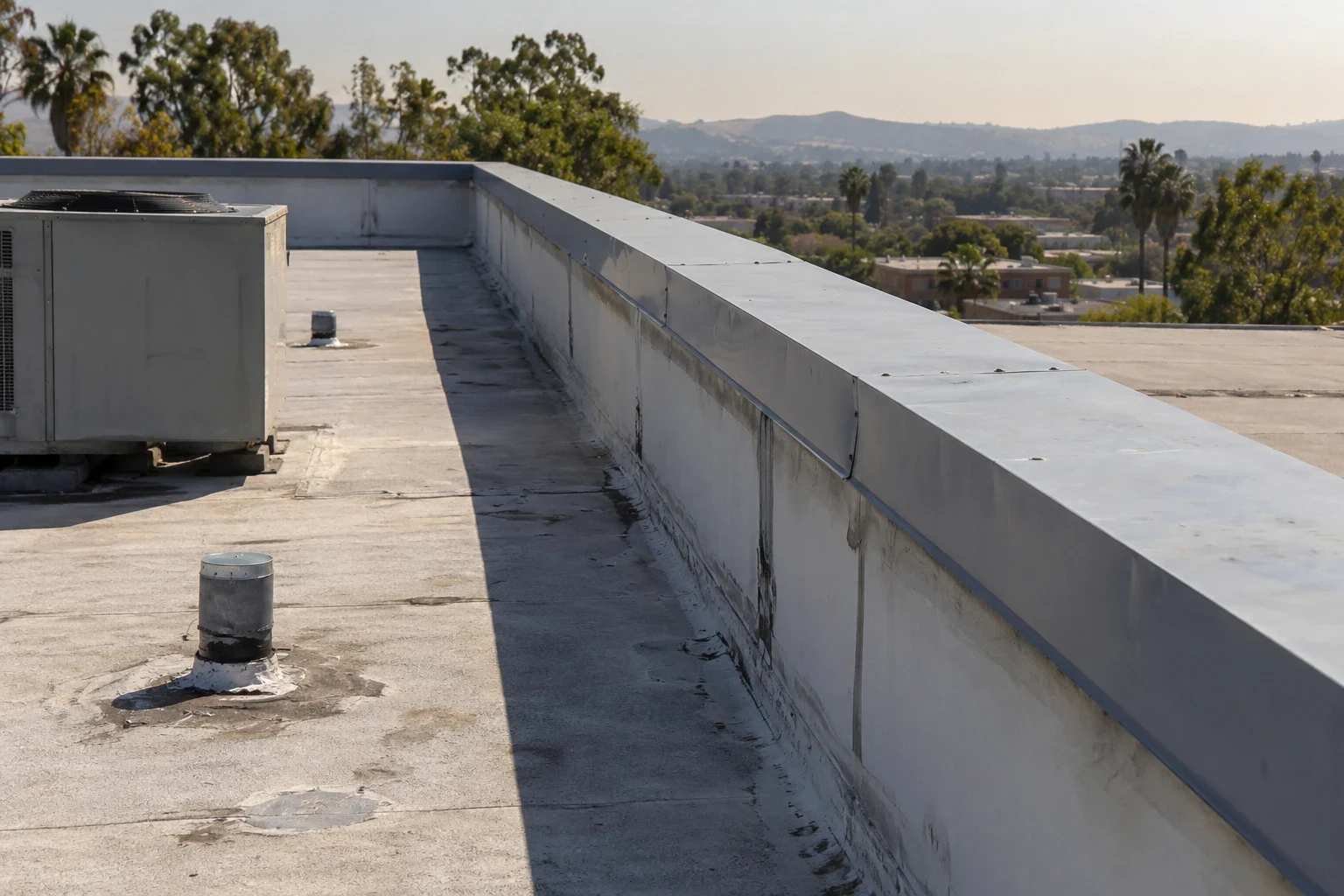
Share the roof drawing, leak location, repair history, and access window. We will inspect the seams, attachment, edges, and penetrations, then set a measured work order for the metal roof.