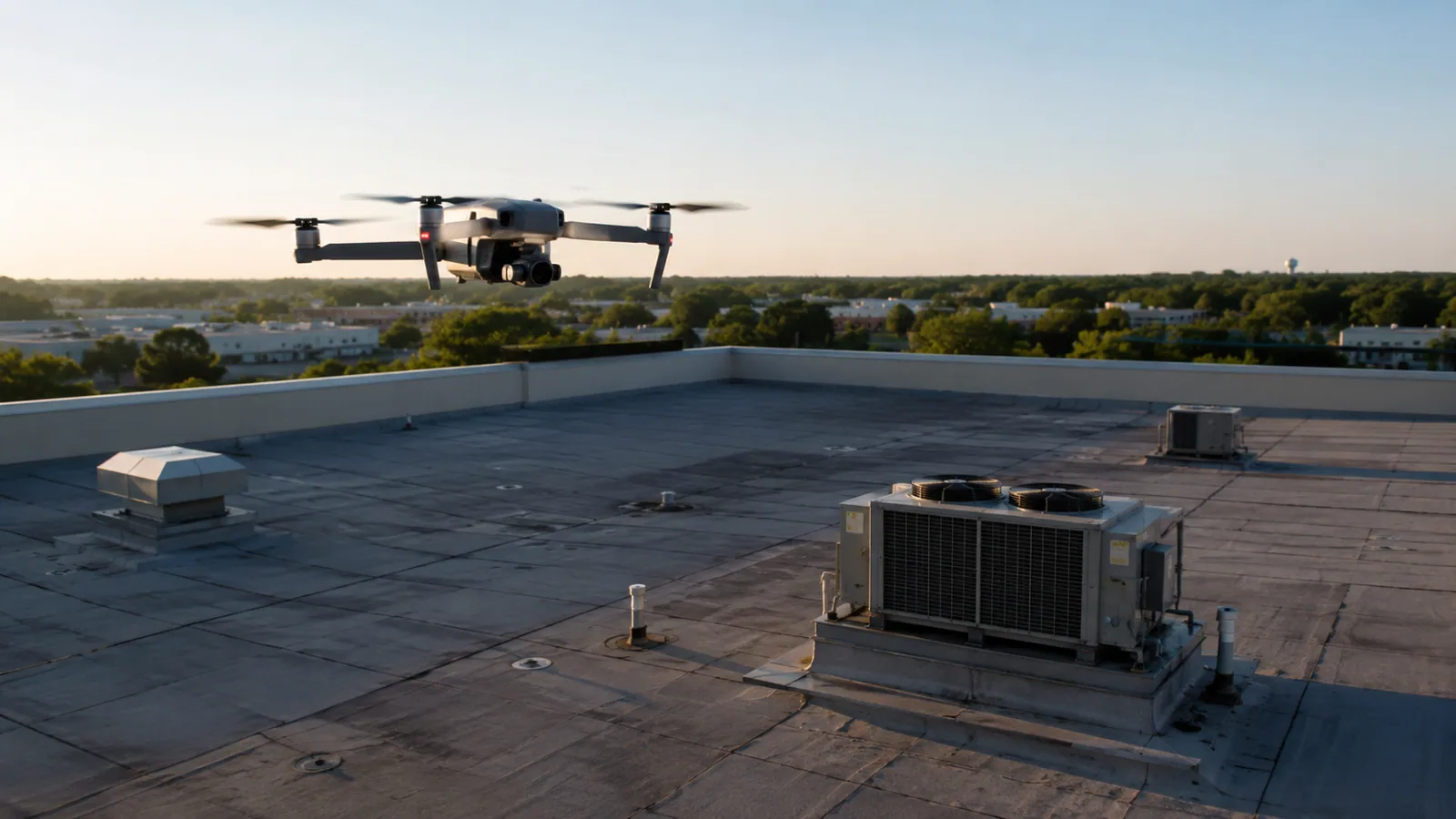
A facilities call begins with a condition and an operating limit. We identify the affected roof section, confirm safe access, and set the first work order around what the owner needs to decide. Commercial Roofing Rialto repairs, replaces, recovers, restores, coats, inspects, and maintains low-slope and metal commercial roofs. Work can include a hands-on walk, drone or infrared moisture review, photo-based condition report, or planned service visits. The method follows the verified assembly and the building's schedule.
The City's adopted climate plan also lists extreme heat, wildfire, flooding, and air pollution as citywide hazards. A site inspection still determines what is present on an individual roof. Our Rialto service route keeps the first visit tied to the owner's property and access instructions.

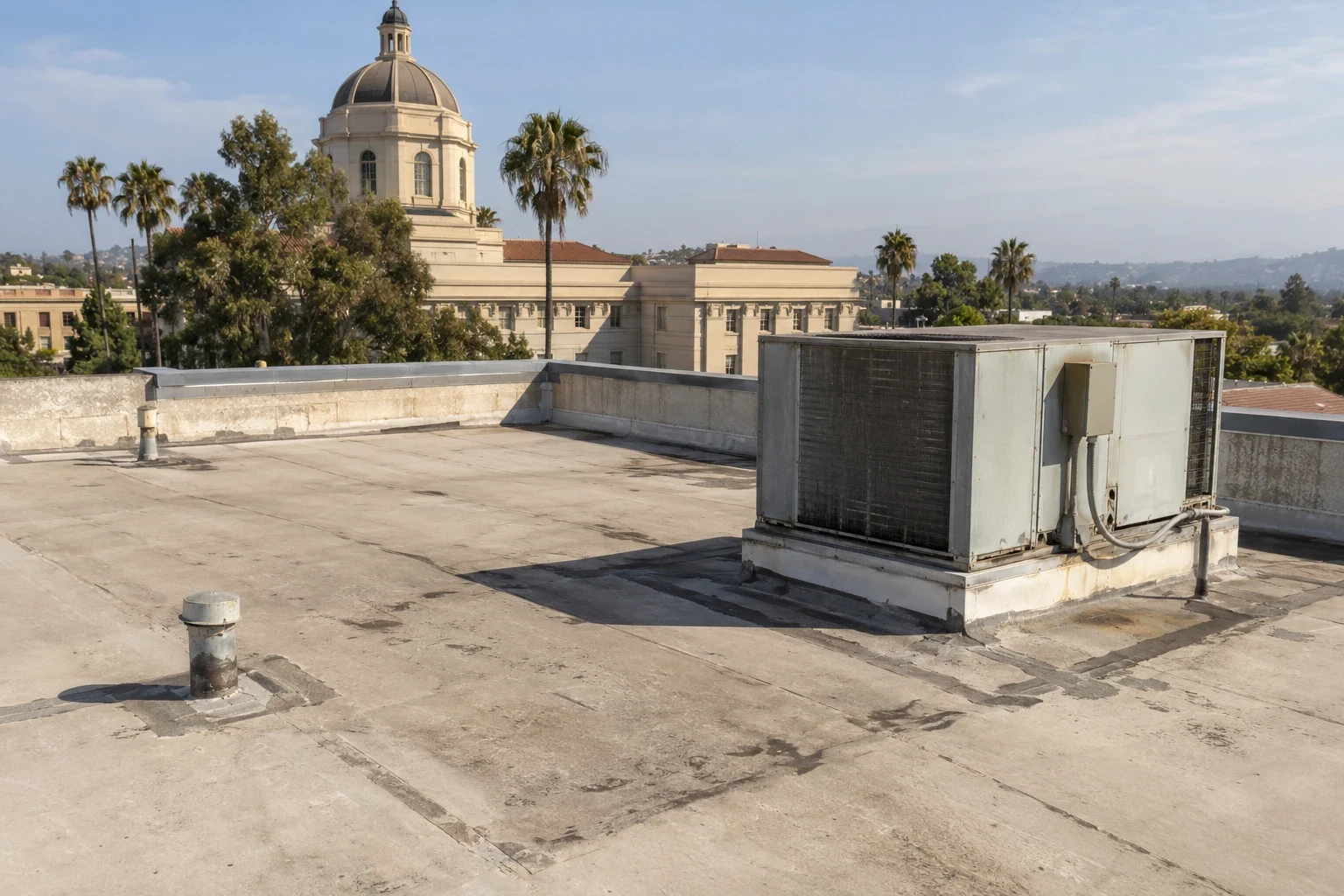
What does the first work order establish?
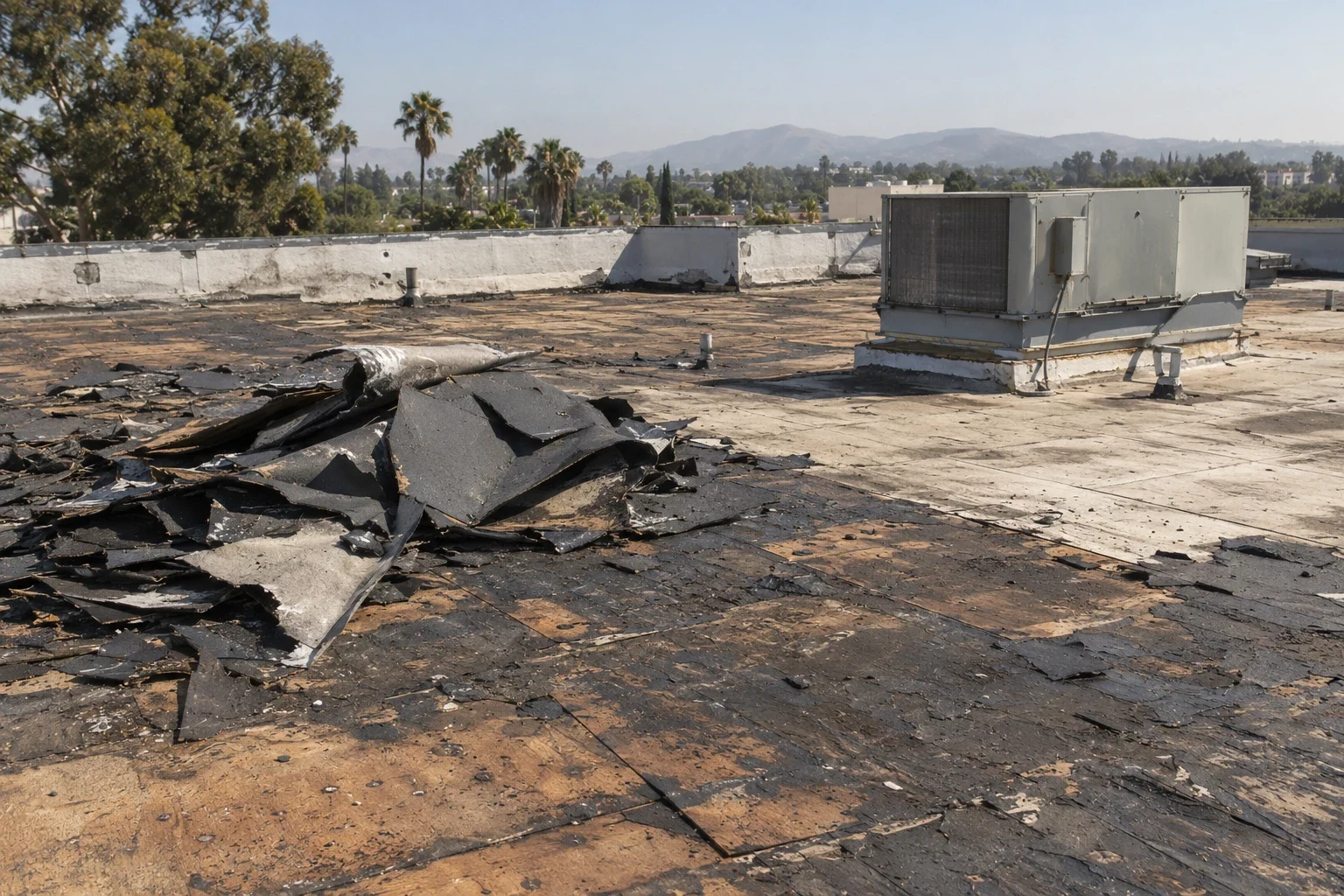
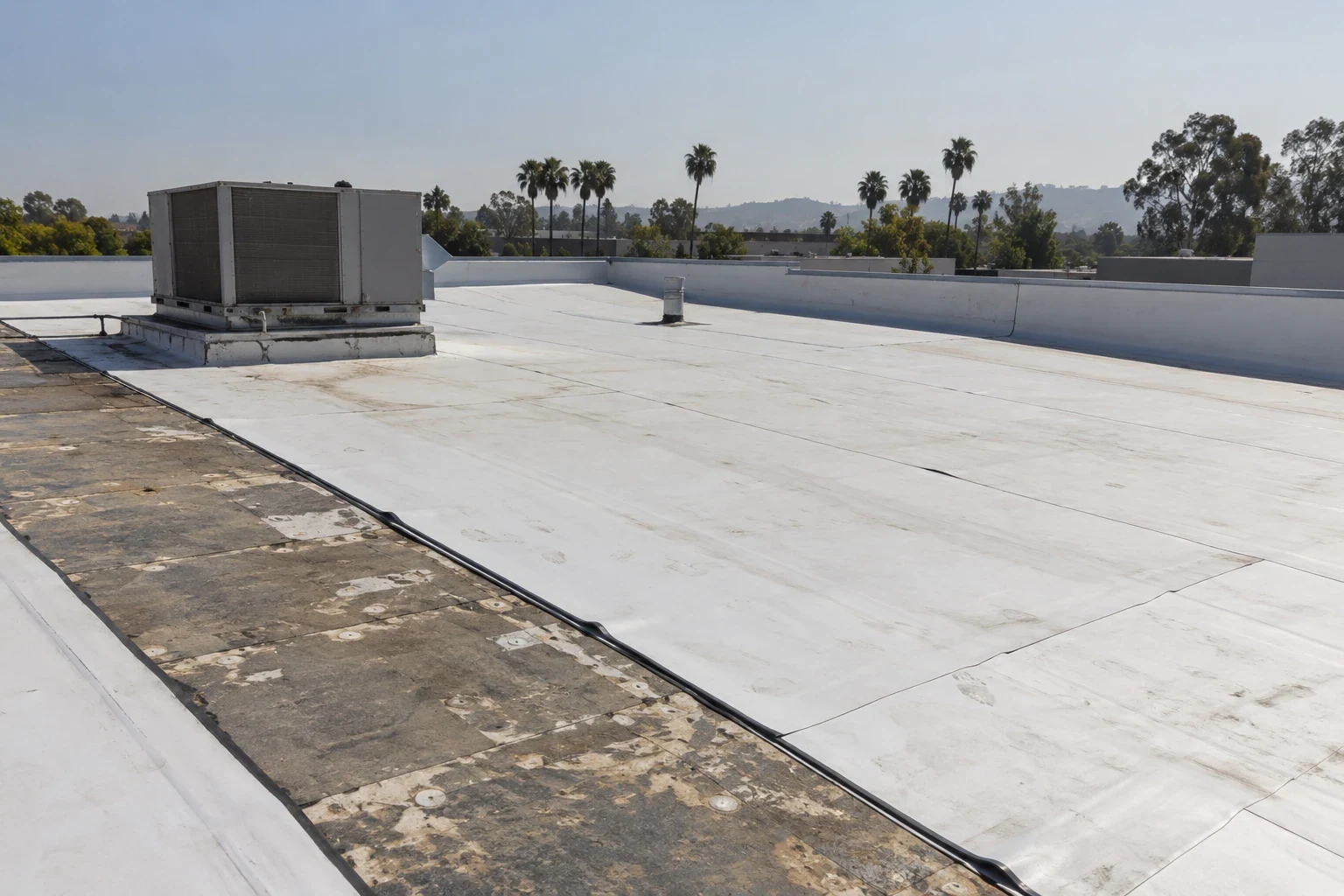
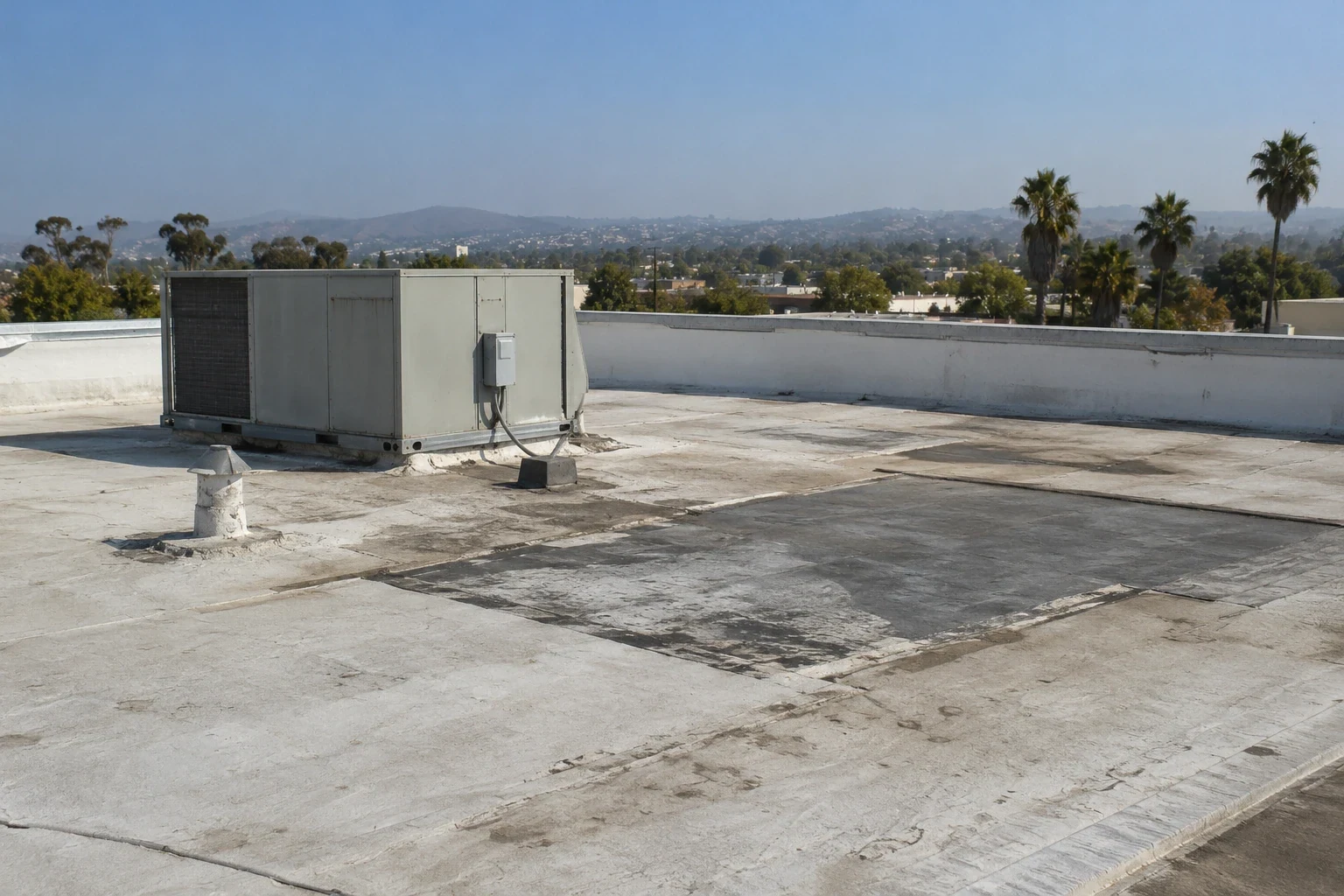
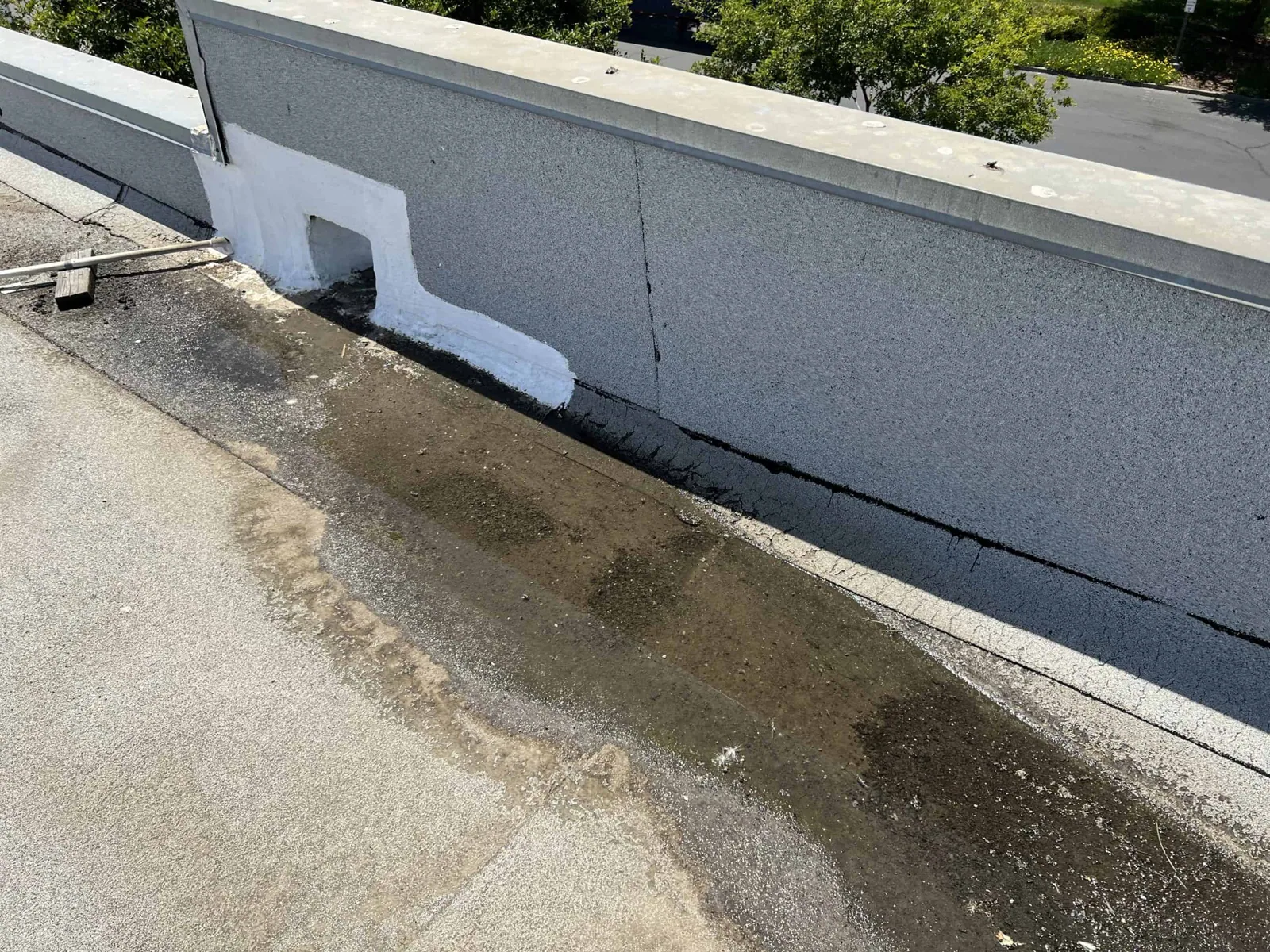
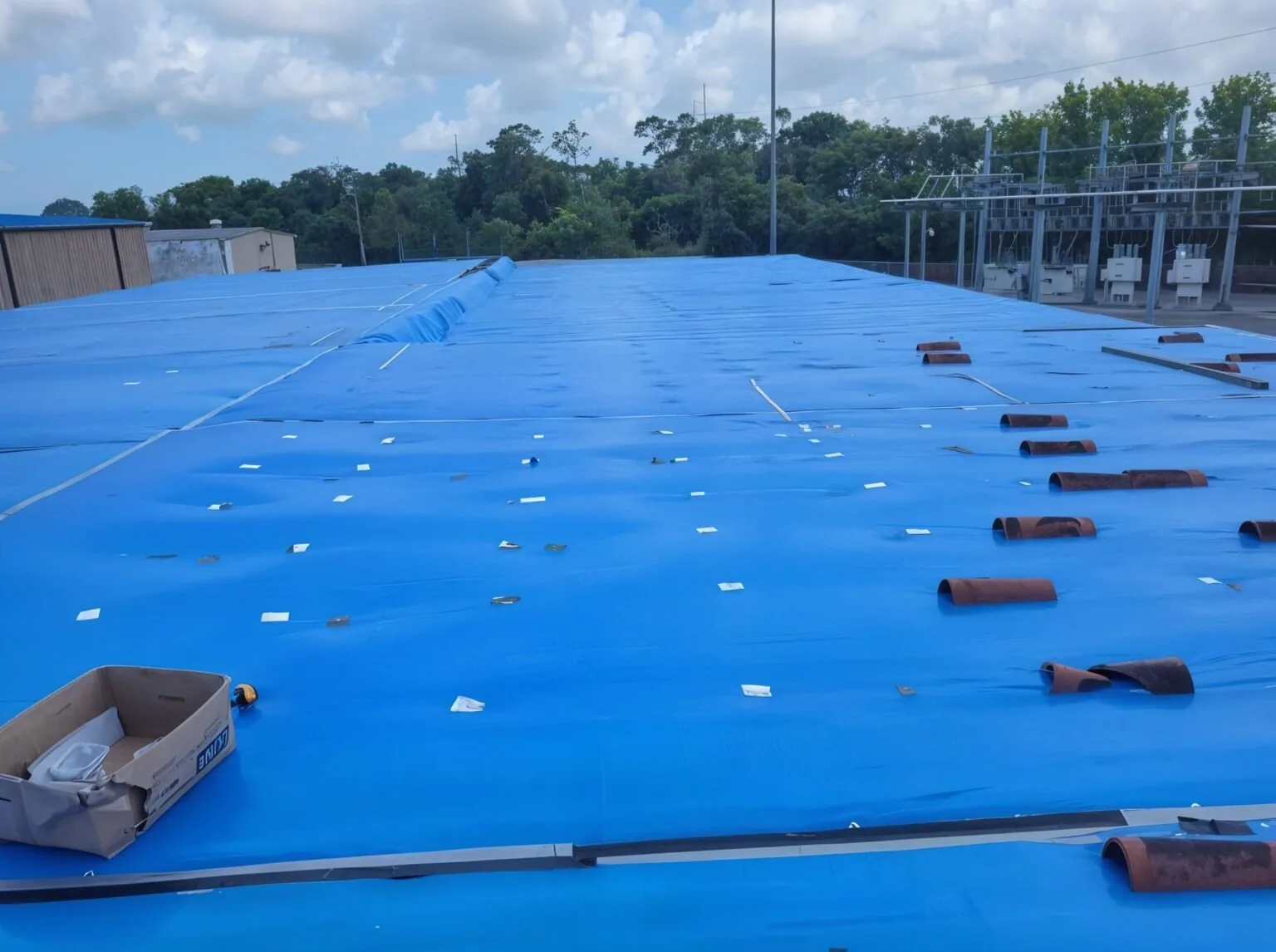
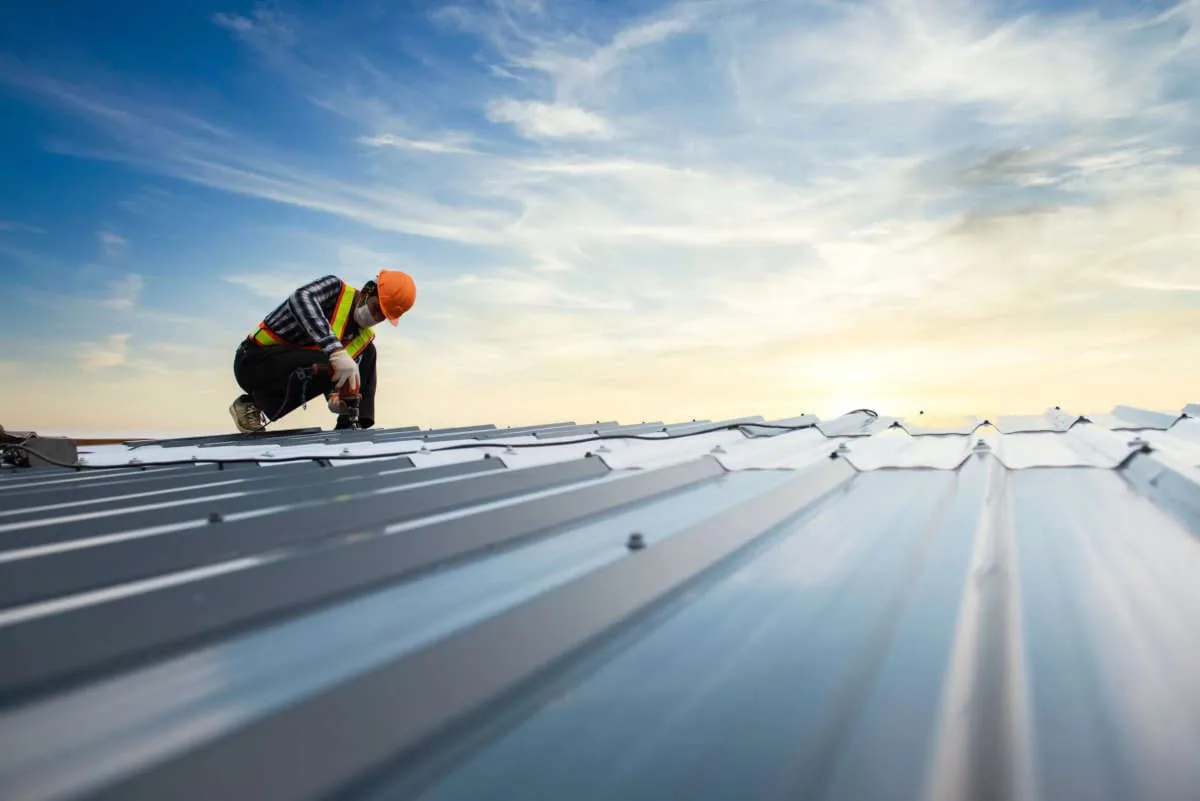
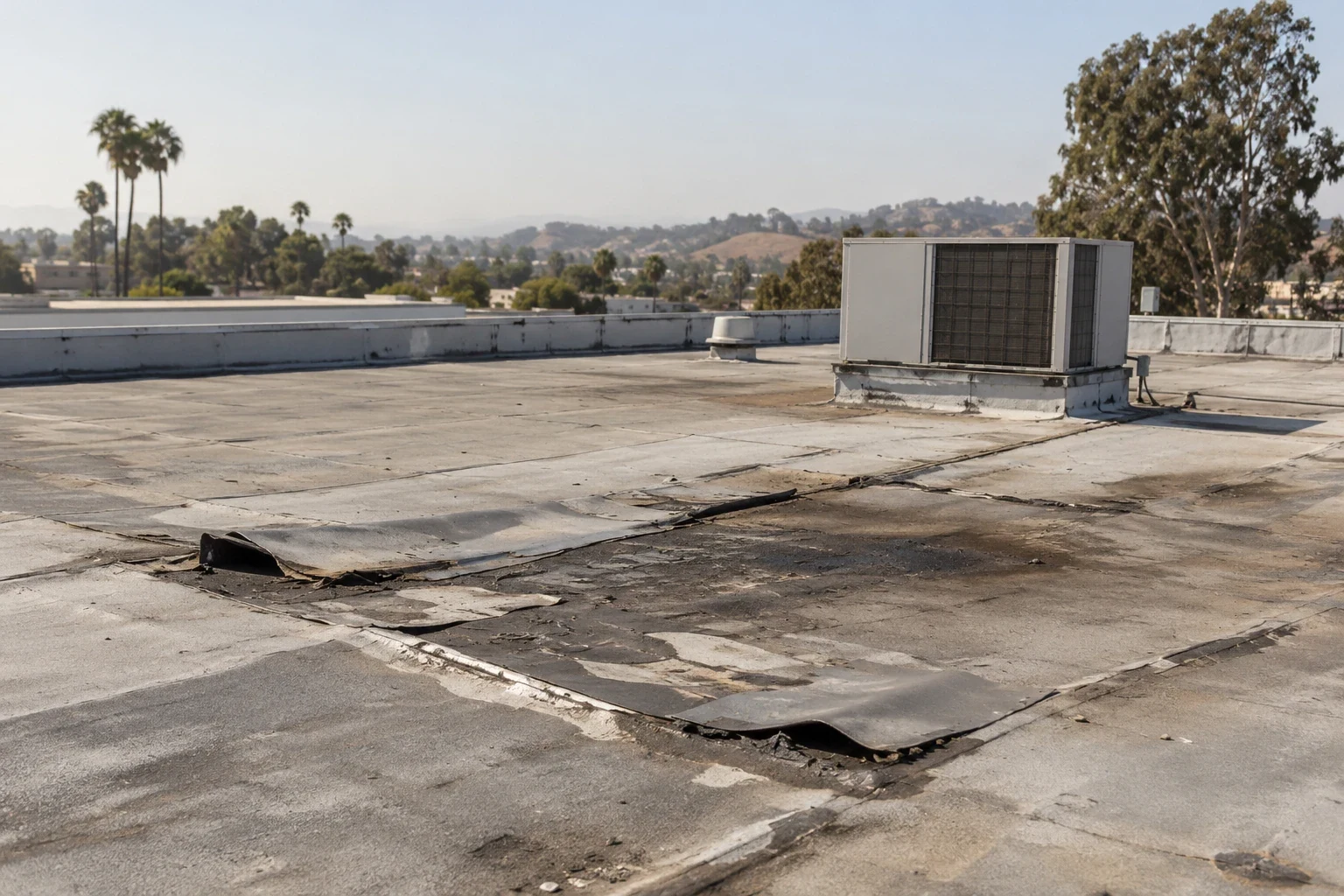
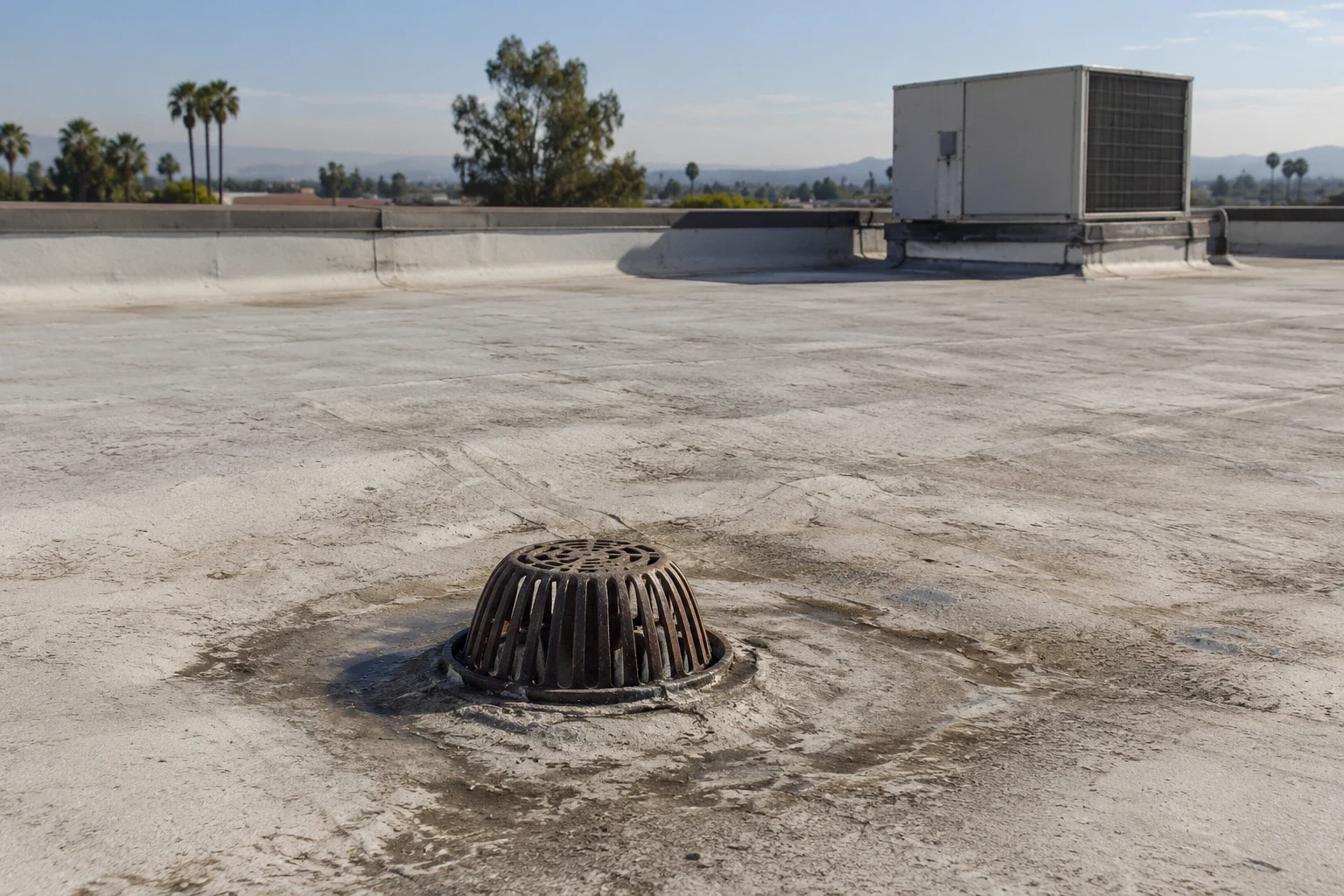
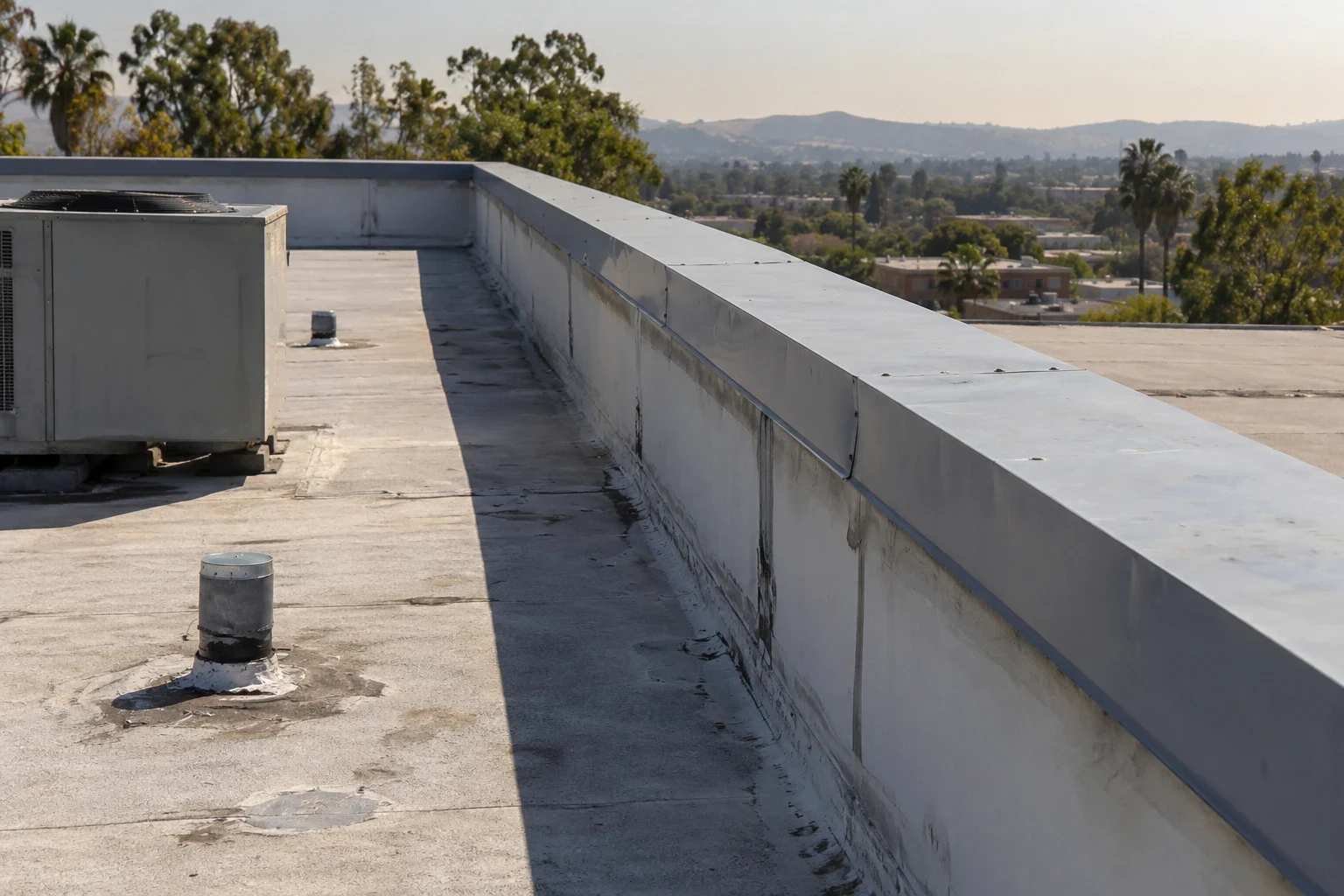
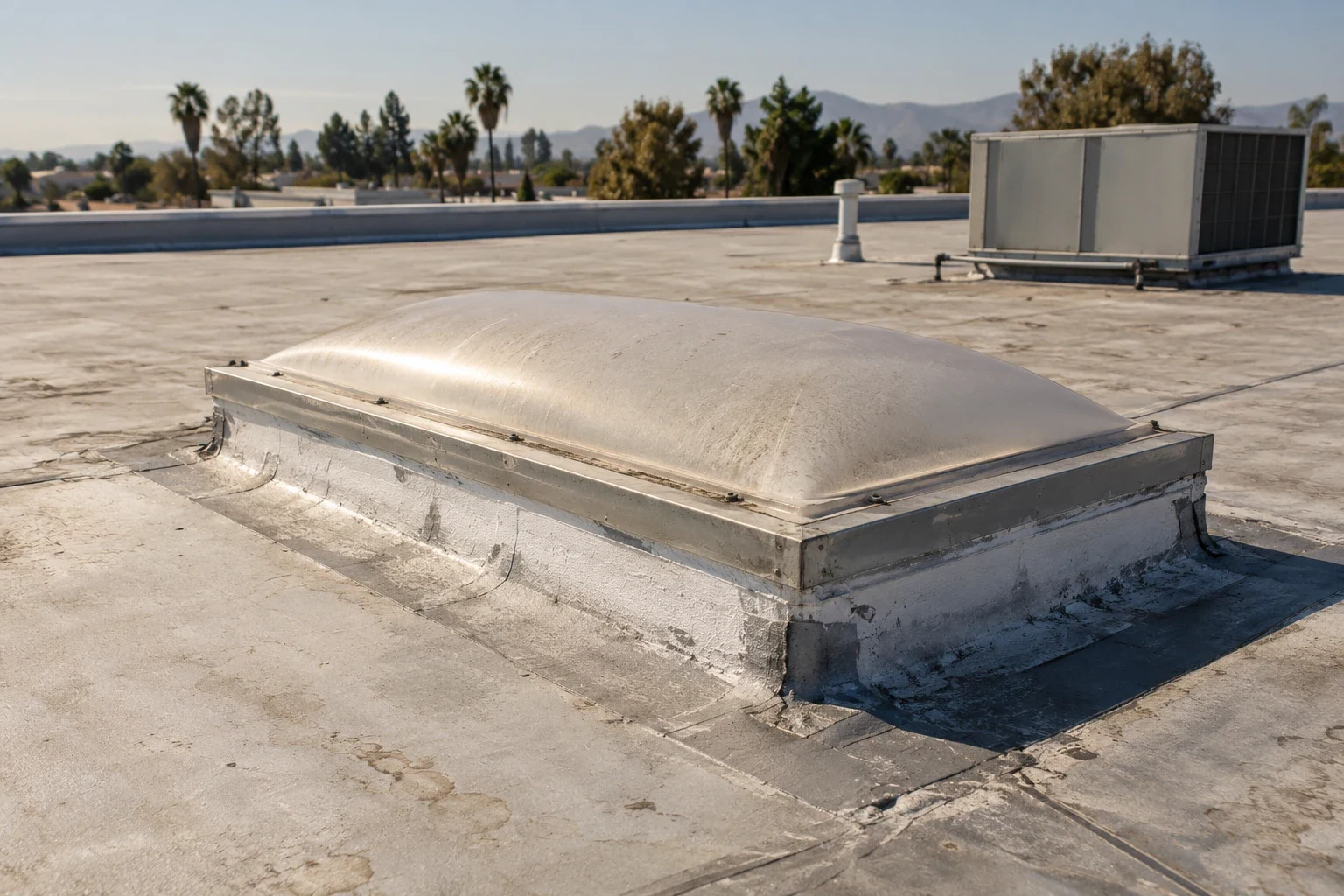
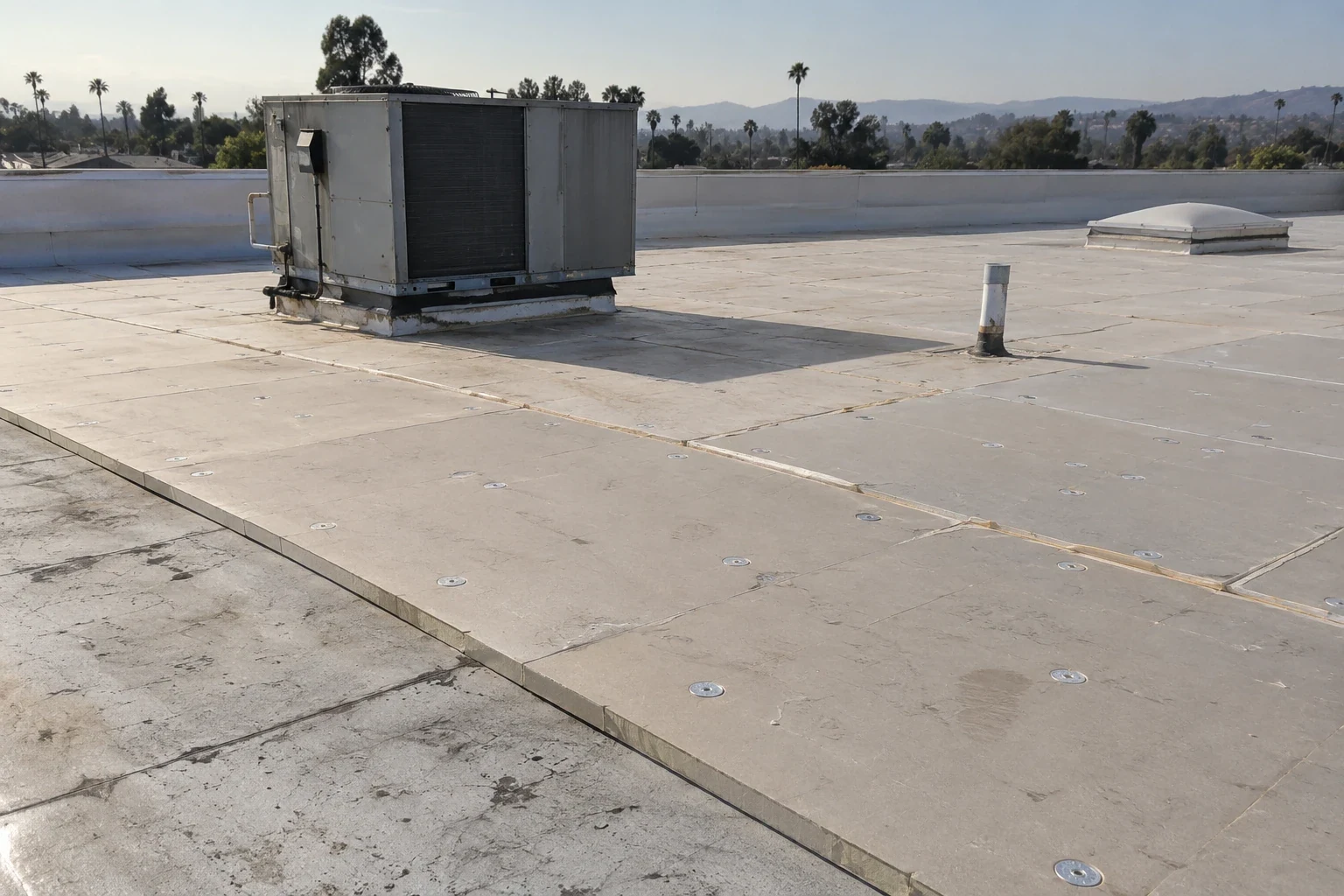
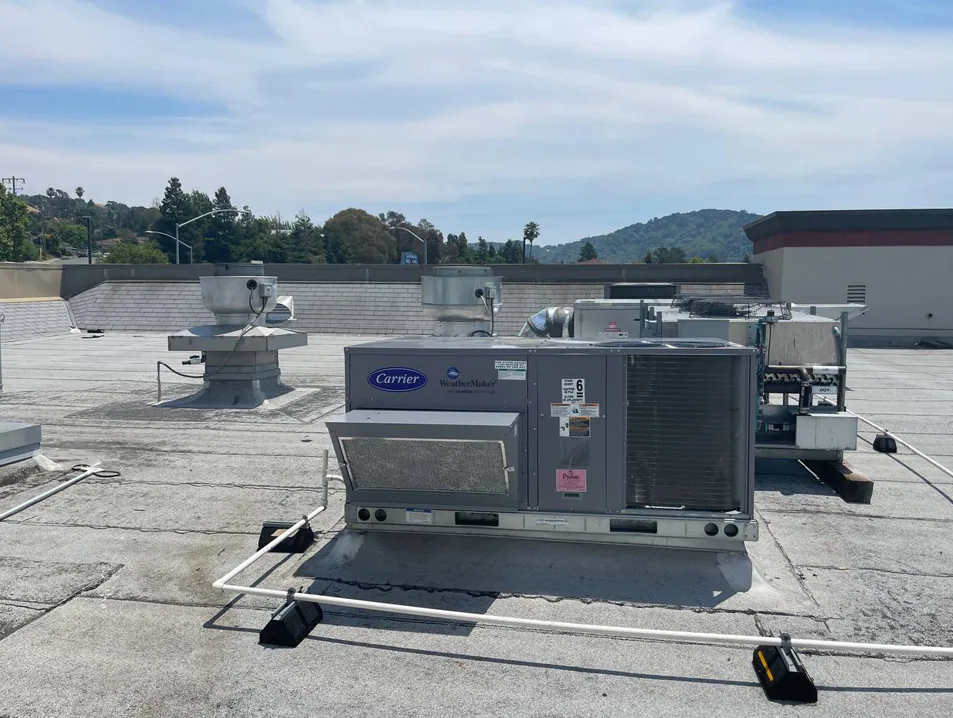
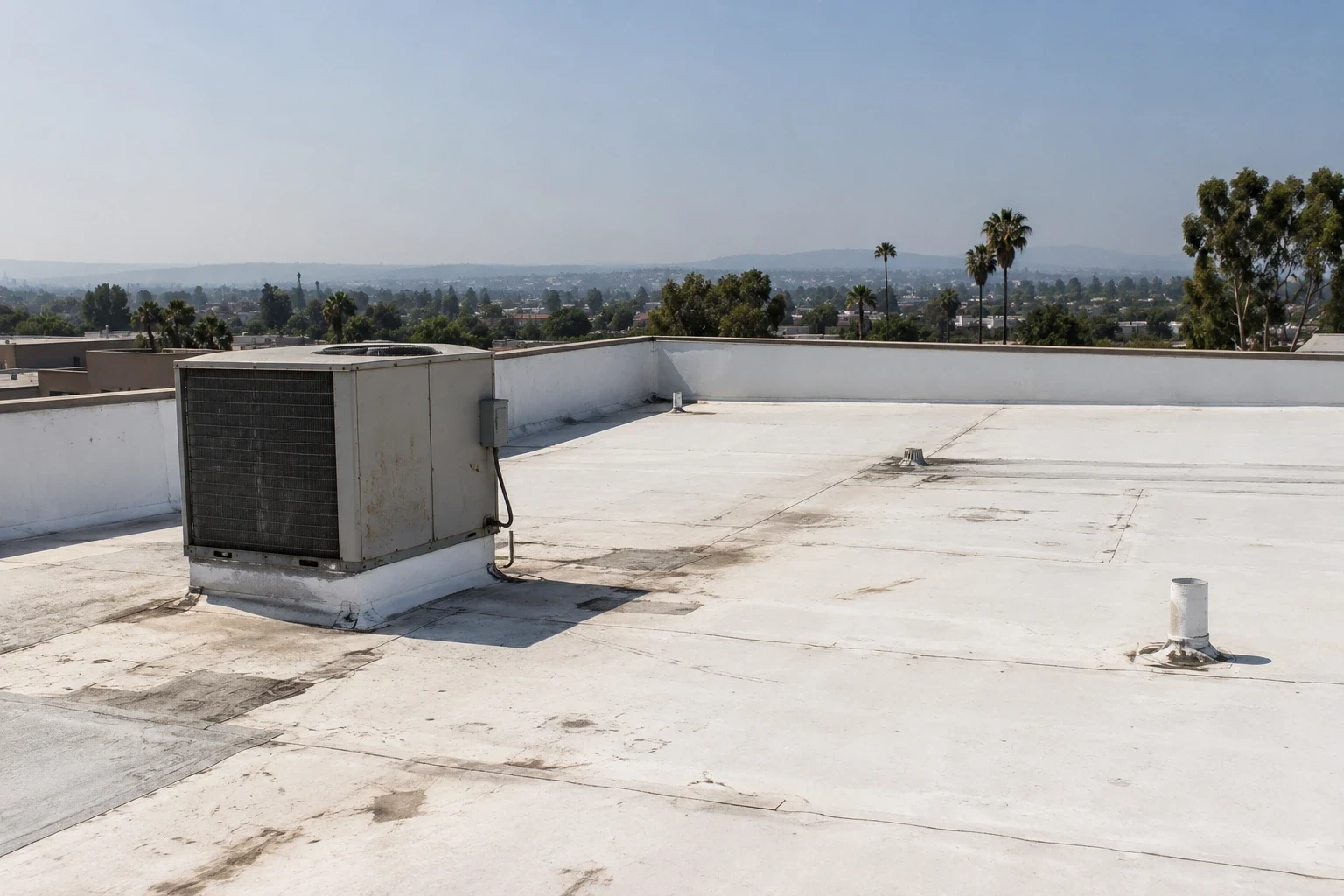
We start from the reported room, leak, or maintenance concern and compare it with the roof plan. The contact identifies the entry path, restricted areas, protection needed below, and any equipment or operating window that affects the sequence. On the roof, we document seams, drains, penetrations, curbs, edges, and visible repair history. A commercial inspection records what the route reaches. If water is active, leak repair or emergency response can separate immediate protection from the permanent correction.
Which service fits the roof decision?
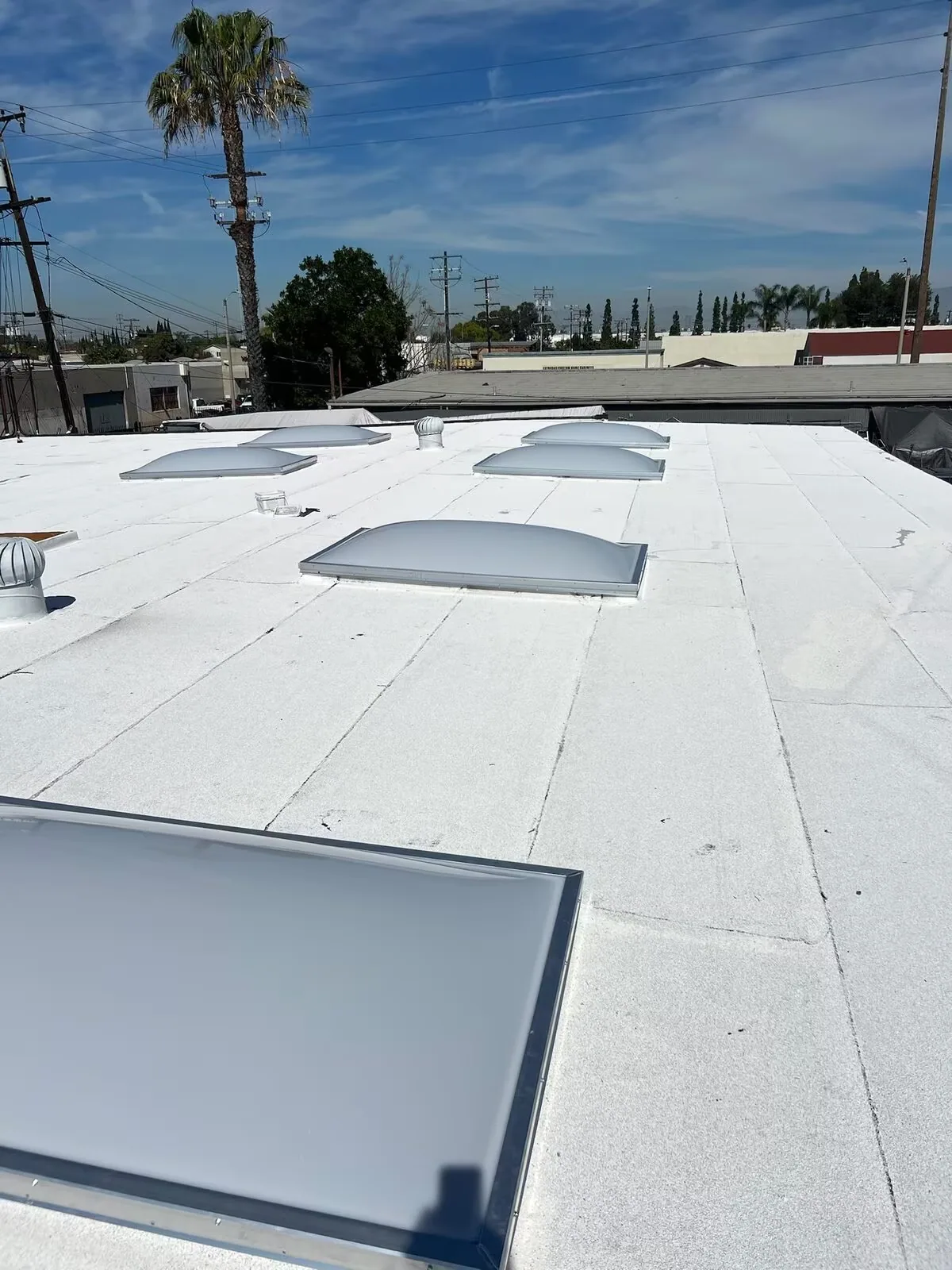
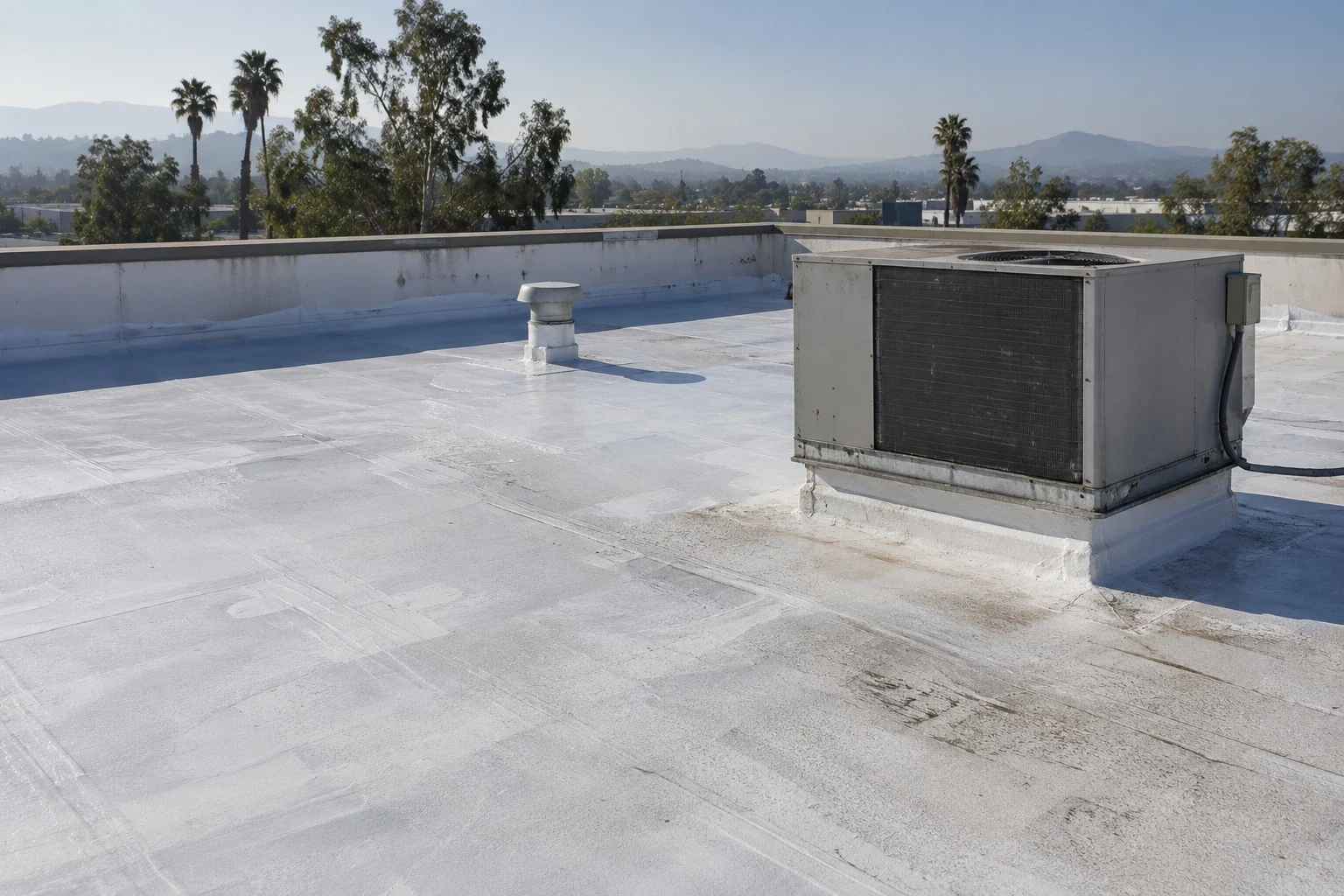
A local defect may call for a repair scope. Repeated failure or a broader condition may require a replacement plan or recover evaluation. If the owner needs a recurring route, preventive maintenance records drainage, seams, penetrations, and open actions over time. These choices depend on attachment, moisture, roof transitions, and access, not a label assigned to the district.
How do inspection findings reach the next decision?
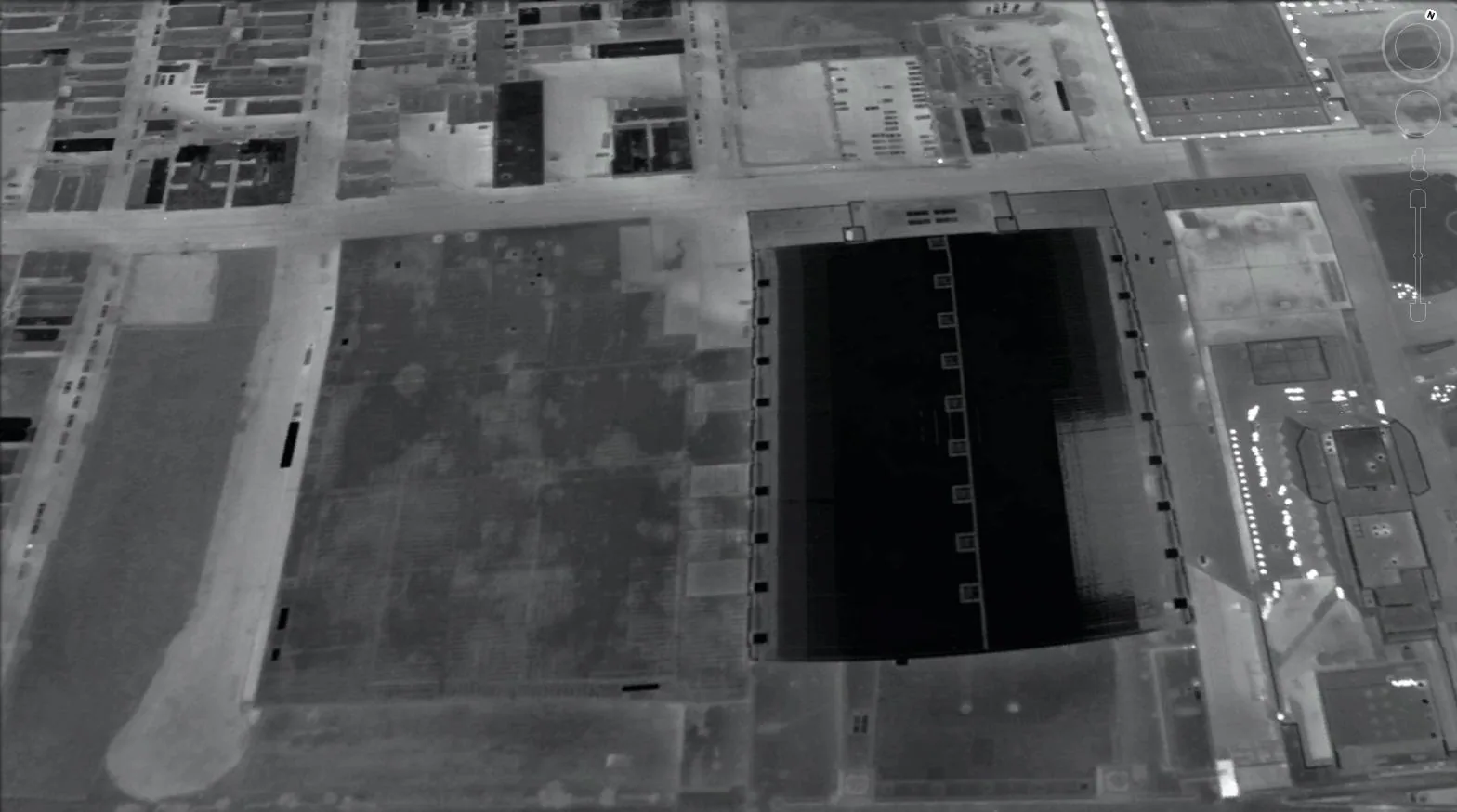
Photos and section labels make the condition record usable after the visit. We identify completed work, temporary protection, test recommendations, and areas not reached. A moisture survey can help select locations for physical verification when concealed conditions may change a repair boundary. The work order then gives the property team a clear approval point and a responsible contact. For projects submitted after December 31, 2025, Rialto says review uses the 2025 California Building Standards effective January 1, 2026; project documents determine the applicable path.
What should the owner receive at closeout?
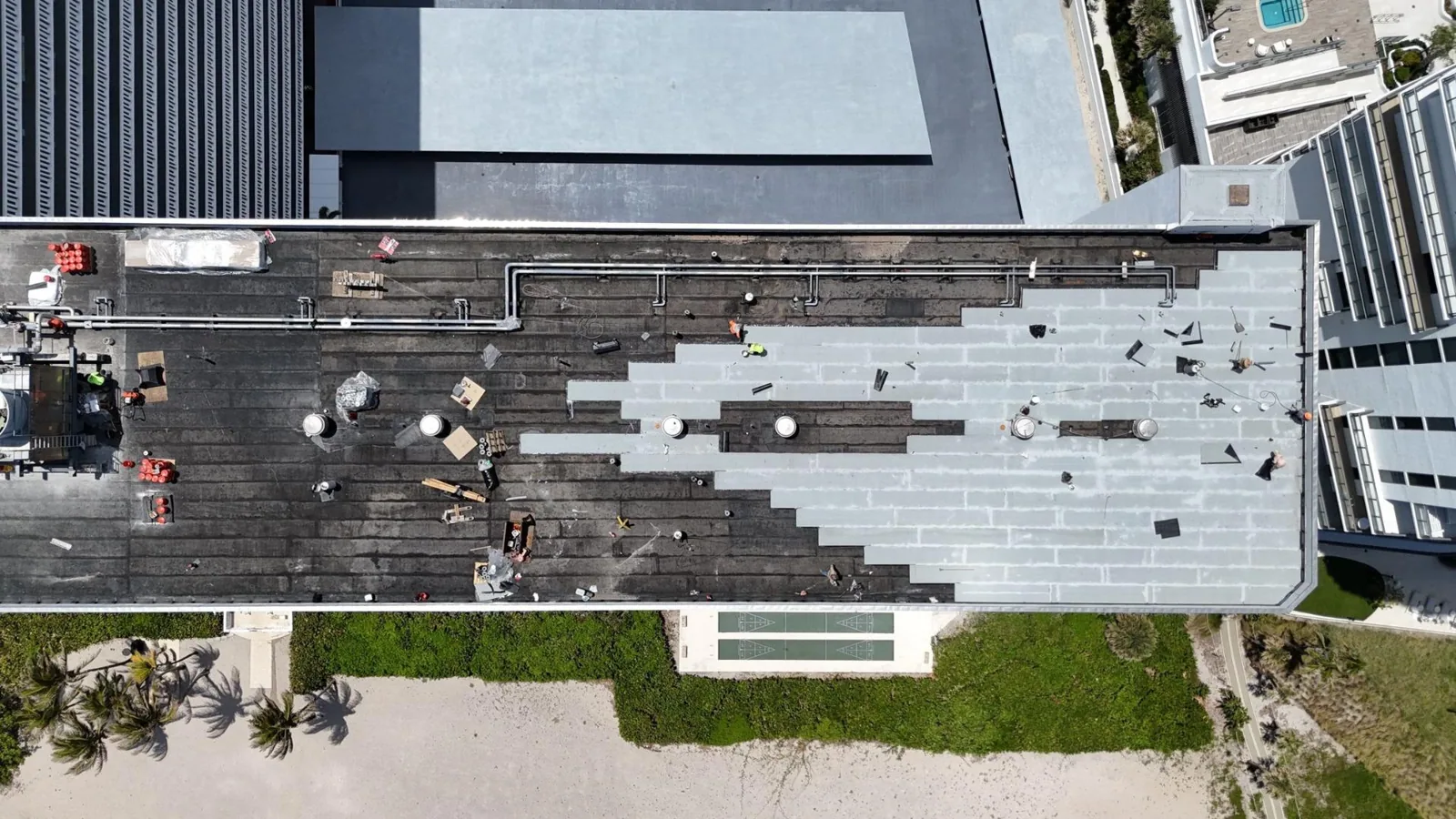
The handoff names the roof section, materials installed, tie-in location, and any next action. We coordinate around occupied spaces and state which access or trade approval remains open. A phased reroof sequence can show daily work limits and closure points. The facilities lead receives a record that distinguishes a finished correction from temporary containment, making the next repair or capital review easier to assign.
Commercial Roofing Questions
Can inspection and repair happen on the same visit?
A clear, accessible defect may support a same-visit correction. We first inspect the surrounding material and state whether testing, containment, or another approval is needed.
How is Rialto's climate plan used in roof work?
It gives citywide planning context for heat, wildfire, flooding, and air pollution. We base a roof recommendation on the section inspected and its recorded condition.
What should a facilities lead have ready?
A roof plan, leak history, access instructions, operating window, and approval contact help us set a safe route and useful work order.
When do you recommend replacement instead of repair?
Repeated defects, broad moisture, unstable attachment, or failing transitions may justify a larger comparison. We document the evidence before proposing the scope.
Request a Roof Assessment
Share the property identifier, reported condition, roof records, access route, and operating limits. We will confirm the first inspection boundary and the next decision.