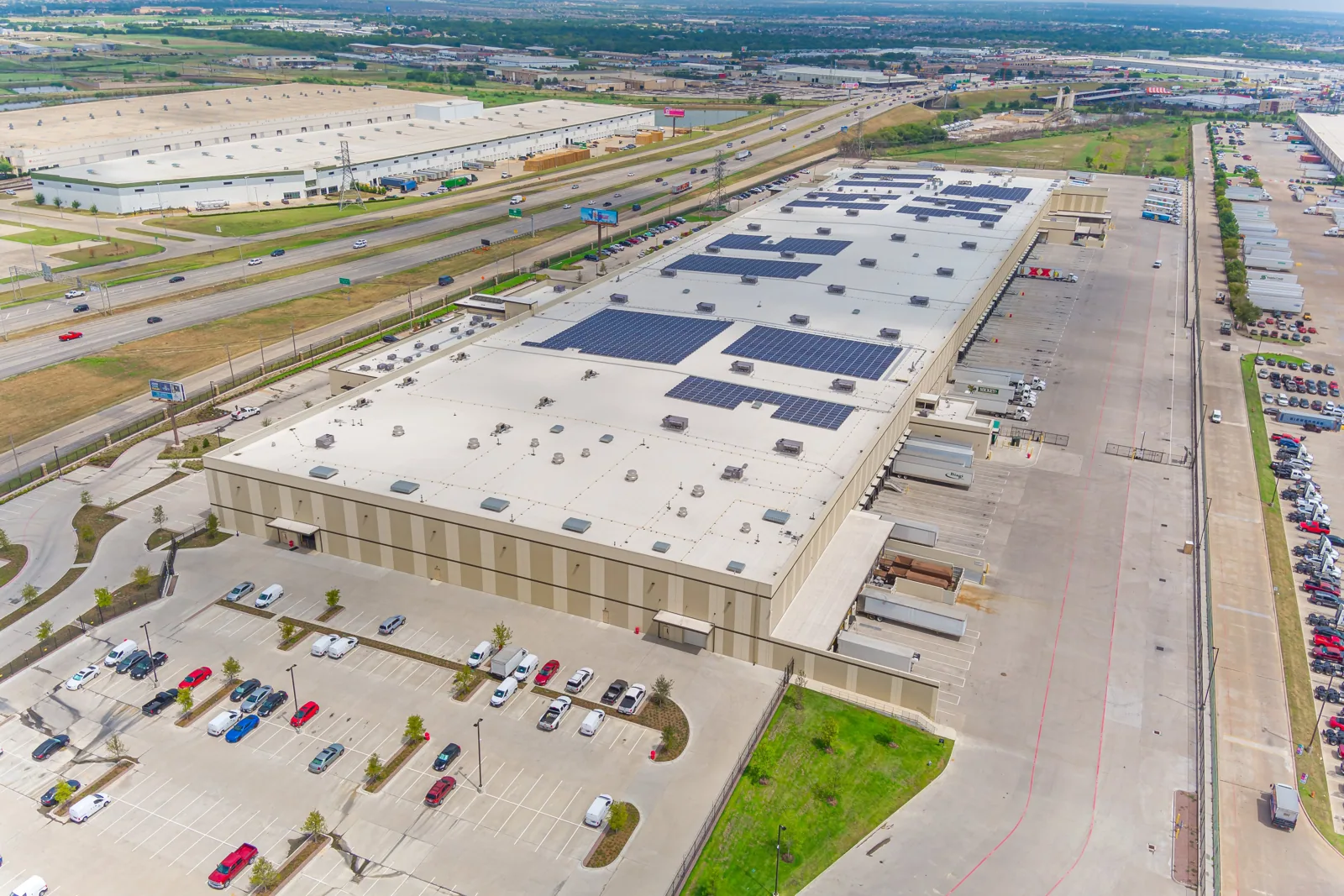
A roof repair near cooling equipment starts with a question from operations: what can be isolated, and for how long? We identify the affected roof section, check the equipment and penetration details around it, and agree on an access route with the facility contact. The inspection record distinguishes a confirmed membrane defect from a condition that needs mechanical review. That lets the owner set a work order without turning an unverified roof observation into an outage plan.
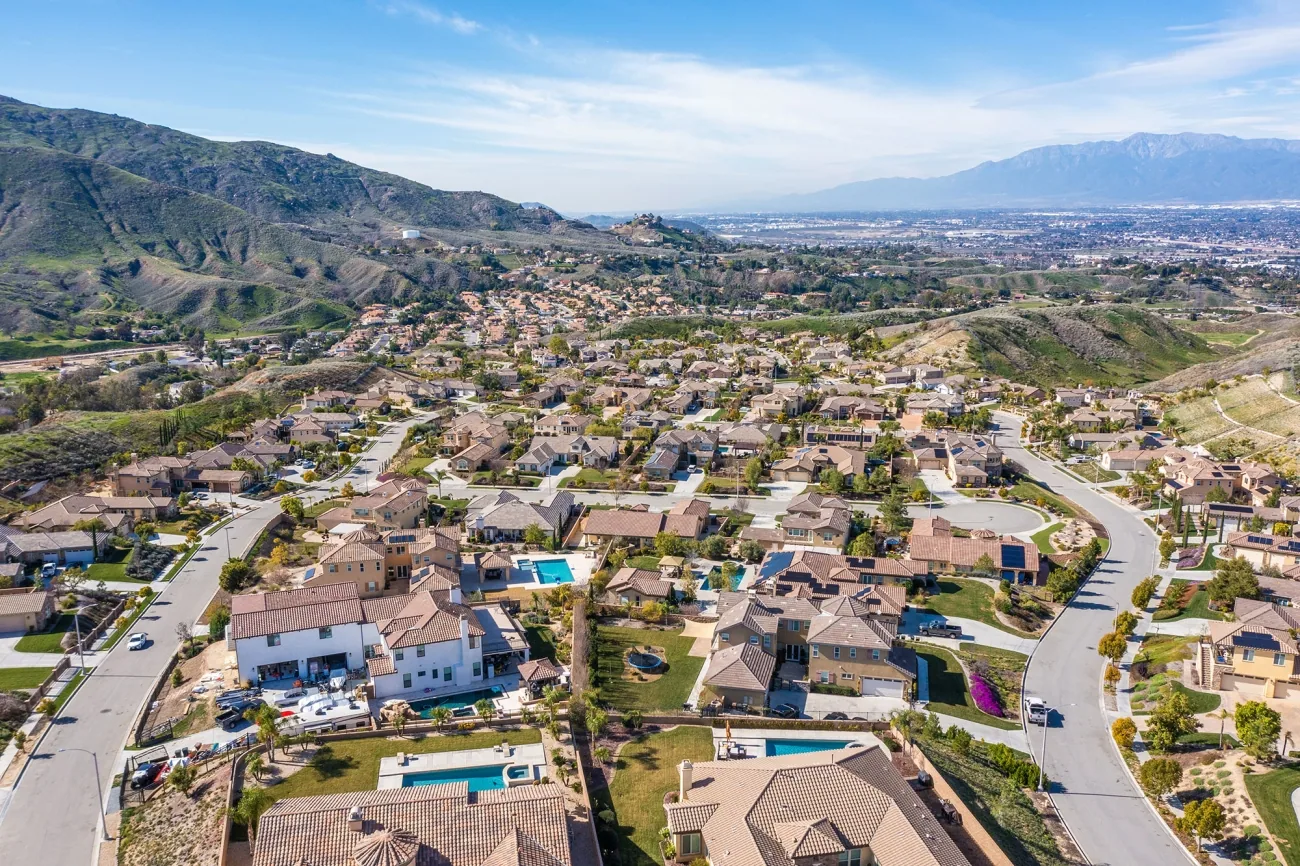
Rialto's Gateway Specific Plan includes office-park and industrial-park land-use designations, while the General Plan identifies commercial areas along Foothill Boulevard and Riverside Avenue. These locations describe broad planning geography, not a claim about a specific data center. A Gateway area overview adds local context; a roof inspection records the assembly and operating limits at the actual property.

Which roof details affect cooling equipment?
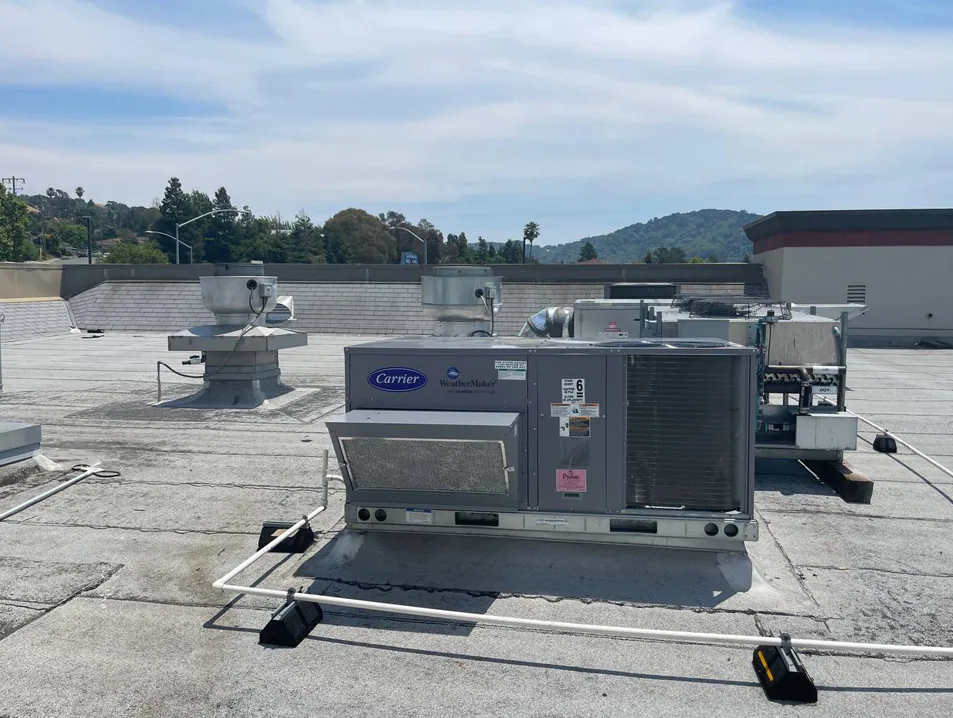
Cooling units, piping, electrical runs, and supports interrupt the roof surface and may require access for service. We inspect curb flashing, penetrations, membrane seams, fasteners, and nearby drainage. If a leak is reported inside a technical room, we trace the roof area above it rather than assuming the closest unit is the source. The facility contact identifies equipment that must remain active and any route that cannot be used during an inspection.
A roof repair at a curb should not interfere with the service path or leave a loose edge where maintenance staff work. We coordinate any lifted covers or temporary protection with the responsible equipment contact and record the detail that was repaired. Our curb and equipment support review can isolate the roof-to-equipment interface from mechanical work. If water appears at several nearby points, we map the drainage and membrane conditions before deciding how far the repair should extend.
How do we plan an inspection without disturbing operations?
Controlled access means the inspection route and visitor requirements should be clear before anyone reaches the roof. We confirm who approves entry, whether an escort is required, which equipment zones are restricted, and where the crew can stage tools. A facility contact can identify the operating window and any notification required before work near a cooling unit. If the inspection requires a test opening, the location and closeout plan are agreed before the surface is cut.
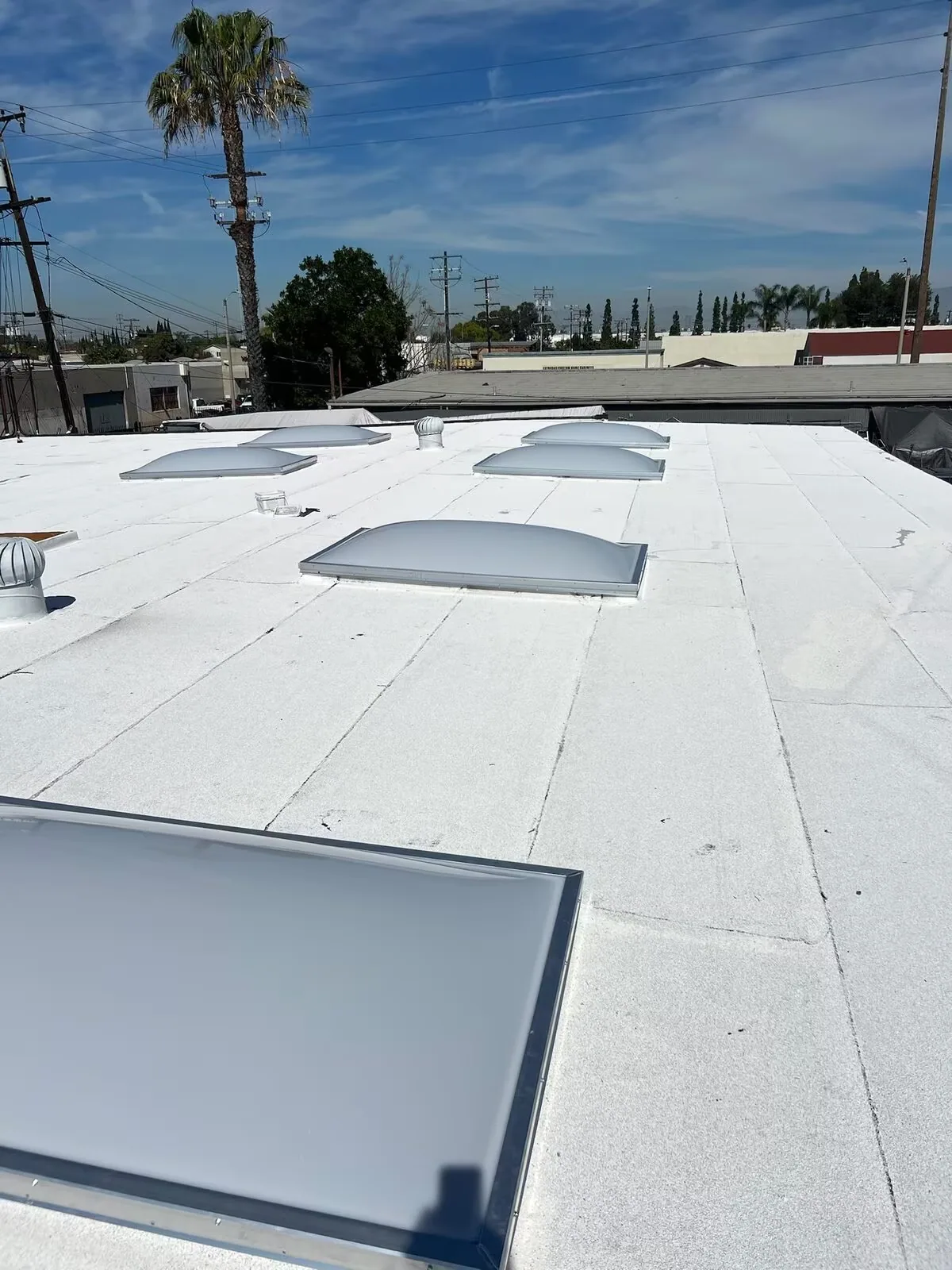
We keep the observation set narrow enough to answer the owner's question. The route covers the reported area and adjacent conditions that could move water, with photos tied to roof zones and equipment names supplied by the facility. A moisture survey may help locate patterns for physical verification when hidden insulation is in question. If the affected area is active, our emergency repair response can focus first on containment and safe protection while the permanent scope is developed.
What does drainage have to do with a data hall leak?
Water can travel from a drain, scupper, or roof seam before reaching an interior point. We mark collection points and inspect the route around curbs, raised equipment, and membrane transitions. A blocked drain or low section can leave water near a detail that otherwise appears intact. The report shows the path we checked and separates drainage maintenance from a roof opening that requires repair.
Rialto's climate plan identifies flooding and extreme heat among its citywide climate hazards and notes that hot days are regular. This is planning context for Rialto, not a forecast for a data hall or a claim that an individual building has experienced flooding. We document observed surface conditions and drainage performance during the visit. Where membrane or water-routing concerns extend beyond one opening, a drain and scupper review can be coordinated with the roof repair sequence.
How are repair and replacement options compared?
A localized repair fits when the defect is bounded and surrounding membrane, attachment, and transitions remain serviceable. Recurring leaks, widespread wet insulation, or deteriorated deck can require a broader evaluation. We identify what is confirmed and what remains behind the roof layers. If more information would change the decision, the scope names the test and the location rather than treating a single sample as a full-roof result.
For replacement, system selection follows the substrate, expected access, drainage, equipment layout, and manufacturer requirements for the proposed assembly. The project plan also accounts for protecting sensitive equipment and limiting roof openings by section. Our replacement scope can separate removal, substrate correction, new roofing, and curb transitions. A related office-building roof evaluation may share controlled access concerns, while a manufacturing plant roof review may share equipment and exhaust details; each property still requires its own inspection route.
What should the condition record preserve?
A useful record identifies the roof zone, equipment or penetration involved, observed condition, action taken, and access limits. Photos should show enough surrounding detail to relocate the repair without revealing restricted operations. We can keep equipment names supplied by the owner, match the report to an existing roof register, and identify which locations were not reached. This gives facilities and operations the same reference when a later change ticket or service request is opened.
When equipment is replaced or moved, the roof record should be updated. A new curb, support, or line can change the water path and create an unrecorded penetration. We document the roof tie-in after authorized equipment work and note follow-up checks that belong on the next inspection route. If the roof's condition feeds a broader asset review, a photo-based condition record can keep repair, monitor, and test items distinct.
How can a larger roof project be phased?
Phasing starts with roof areas, tie-in points, access routes, and a dry-in limit for each work shift. The facility contact identifies systems that cannot be exposed to dust, water, or interruption. We coordinate lifts, removal, and material storage around those constraints. The plan names who can approve a field change if hidden conditions appear, so the crew does not extend a roof opening beyond the agreed work area.
Rialto's General Plan includes Valley Boulevard among the City's major commercial areas, and Gateway spans broad office and industrial planning designations. These planning facts orient a service request but do not establish the equipment layout or security process at a property. We use the owner's access procedure, drawings, and inspection findings to set the actual sequence. The owner receives a closeout by section, with remaining work and tests listed before the next phase is scheduled.
Commercial Roofing Questions
Can you inspect a roof while cooling systems remain online?
We can plan the route around operating equipment when the facility contact confirms access and restricted zones. Any work that affects a unit or support is coordinated before the crew touches it.
Does a roof leak near a cooling unit prove the curb failed?
No. Water may move from another seam, drain, or penetration. We inspect the surrounding roof and record evidence before assigning the cause to the curb.
How do you handle a test opening at a controlled facility?
We identify the proposed location, access approval, interior protection, and restoration plan in advance. The facility contact authorizes the work before the roof is opened.
When does a data center need a full roof replacement?
That depends on the extent of confirmed moisture, deck and attachment conditions, repeated failures, and whether a repair can tie into sound material. We map the findings before recommending broader work.
What belongs in a roof condition report for technical operations?
Use roof zones and approved equipment labels, then record the observation, photo, repair or test, and access limit. The format should let facilities and operations find the same point later.
Related Roofing Work
Set roof access around equipment requirements
Share the affected zone, access procedure, equipment restrictions, and any existing roof plan or leak ticket. We can define a focused inspection route and coordinate the next work window.