
A moisture survey should answer one question: where should the roof be opened before the owner approves the next scope? Infrared imaging can map temperature patterns that may indicate retained moisture, but a thermal pattern is not a moisture reading by itself. We review the roof assembly, leak tickets, drainage, and surface conditions, then decide whether infrared is suitable. Suspect areas are marked for targeted core cuts when physical confirmation will change the repair boundary, recover decision, or replacement quantity.
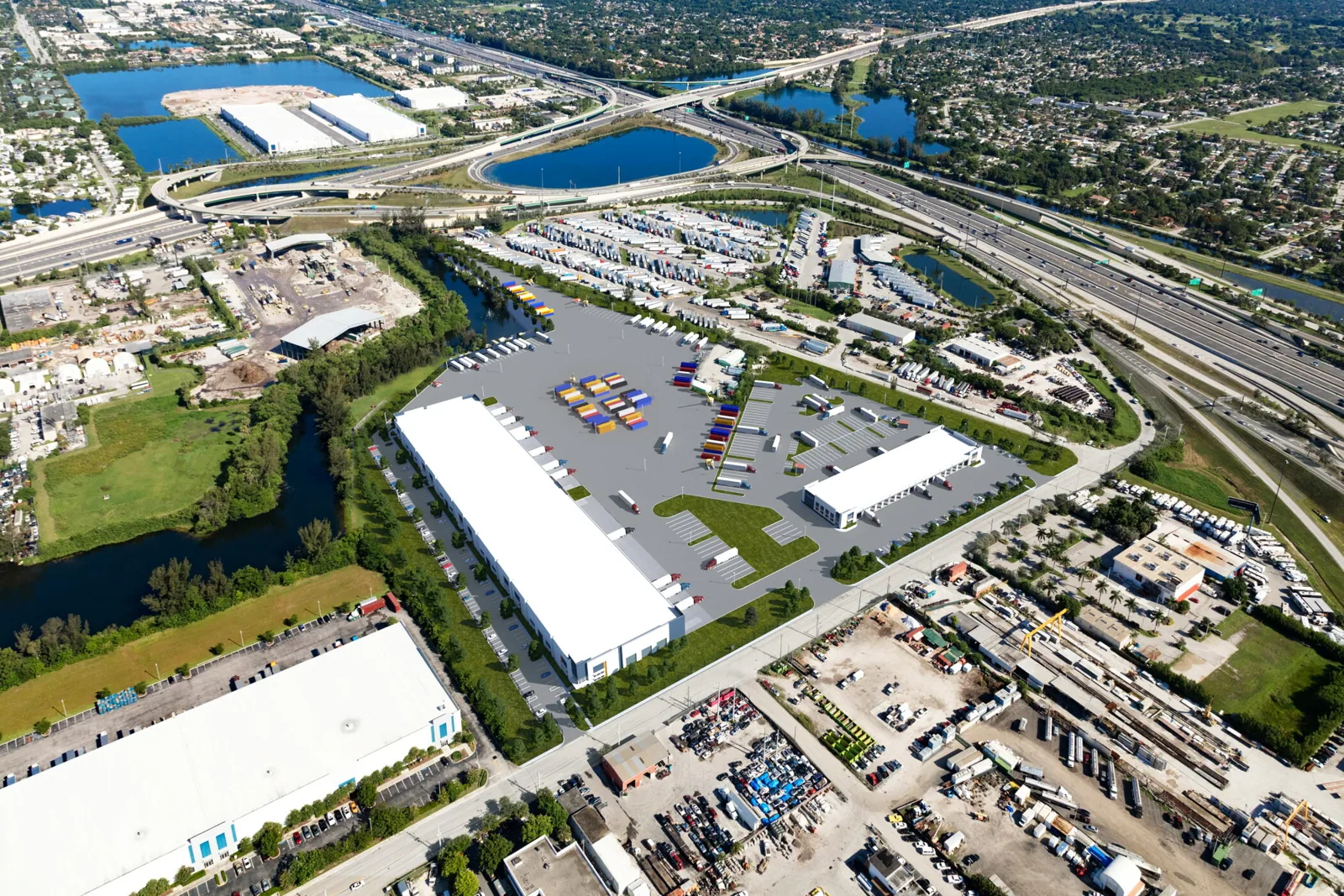
The Agua Mansa Specific Plan spans Rialto, Colton, and county territory. For a survey in its Rialto portion, we mark roof sections from the building drawings and confirm their names with the facility contact. Commercial designations along Foothill Boulevard and Riverside Avenue can help identify the broader dispatch area. The survey map instead follows the roof register and marks which sections were accessible. The warehouse roof review links those findings to the active areas below. The Rialto portion of the Agua Mansa industrial corridor is an industrial planning area; we set each roof route and staging window with the facility contact.

When is infrared useful?
Infrared works best when the roof surface and conditions support a meaningful comparison. The survey lead checks membrane type, recent weather, surface shade, rooftop equipment, and timing before capture. Heat stored in the assembly can produce patterns that warrant closer review. Equipment shadows, ballast, standing water, reflective surfaces, and changing conditions can complicate the image. We note those limits on the plan rather than treating every color difference as wet insulation. If conditions are unsuitable, a visual route and selected core cuts may answer the question more directly.
The City's climate adaptation document treats heat as a community planning concern. For imaging, we record the surface state and capture time and assess each anomaly against the roof assembly and visible field conditions. The report also names areas the survey could not reach. If a leak is active, a separate leak trace can run alongside the moisture work, because the entry point and the wet insulation boundary may not match.
How is the roof mapped?
We divide the roof into areas that match the plan, access points, drainage zones, and operational use below. The route notes seams, drains, penetrations, curbs, edges, and prior patches that could influence a thermal pattern. Each anomaly receives a location reference and initial interpretation, with repair action held for physical confirmation. We also identify roof areas that the survey could not reach because of restricted access or equipment. A clear map lets the owner compare the image with leak reports and decide where physical verification makes sense. When a suspect pattern crosses a roof-section boundary, we sample on both sides only if the assembly or repair decision changes there. The report connects each opening to its map reference and leaves unsampled areas separate from confirmed findings.
Gateway's land-use map spans business-park offices, shopping uses, freeway-oriented commerce, and industrial parks. At an individual roof, we match the survey to the address, roof plan, facility contact, access window, and staging limits before instruments or tools move through the property. A drone image set may help index hard-to-reach roof sections, while infrared interpretation and core verification follow their own conditions and methods.
What does a core cut confirm?
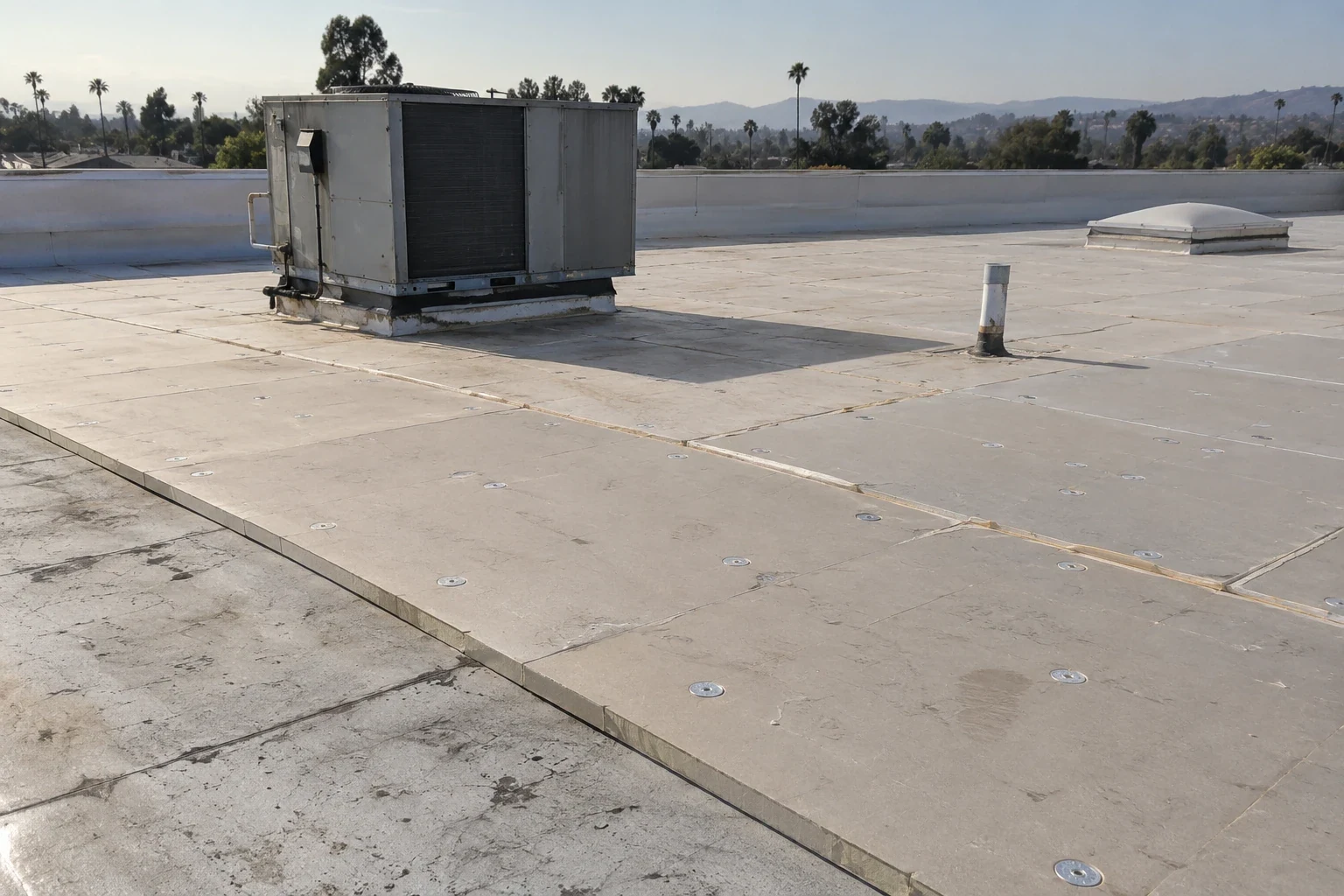
A core cut shows the layers and moisture condition at that exact point. We choose locations from the infrared map, visual observations, and leak history. The owner sees why each sample is useful before the roof is opened. We record membrane, insulation, substrate, and any moisture observed, then restore the opening with compatible materials. One dry sample does not prove the entire section is dry, and one wet sample does not define the full removal area. The sample map and its limits remain together.
When a result changes the scope, we can take additional samples around the boundary to refine the affected zone. That may separate a localized wet pocket from a broader assembly condition. The decision can then be tied to a repair, removal, or eligible recover rather than an unsupported roof-wide assumption. For a recover evaluation, the owner needs the layer count, attachment, substrate, and moisture findings. If those checks fail, a replacement review can use the same mapped sections.
What does the owner receive?
The report includes the roof plan, survey conditions, mapped anomalies, core locations, sample findings, areas not reviewed, and the next recommended action. We mark each item as confirmed, suspect, or awaiting physical check. The facility director can compare the map with leak tickets and budget by roof section. We label a thermal pattern as suspect until a core or field check confirms the condition. That keeps the removal estimate tied to a physical finding rather than an image alone.
The California standards edition taking effect in Rialto on January 1, 2026 applies to applications received after December 31, 2025. This field report remains limited to moisture observations, apart from permit review. We flag when a project scope needs permit or design review, while the moisture report remains a field record. A condition report can join survey results with inspection photos and completed repairs. For capital review, the roof budget record can separate confirmed wet areas from contingencies that need more sampling.
What helps the survey run well?
Send the current roof plan, leak locations, prior repairs, warranty documents, and roof access instructions before the visit. Identify areas where production, loading, or security rules restrict access. Tell us whether the surface has recently been washed, coated, or repaired; those conditions can affect interpretation. The contact should be available to identify interior reports and confirm roof-section names. We agree on core locations before making openings and restore each test point after documentation.
The first work order should state whether the goal is leak response, recover eligibility, or replacement quantity. That helps set the number and location of samples. If the assembly changes across additions, we separate those sections instead of applying one reading to the full roof. Schedule a survey or hands-on inspection, and we will review the building record, choose a route, and explain what the images can support. The result is a mapped set of findings and a practical next decision, not a thermal picture without a work order.
Commercial Roofing Questions
Does infrared prove that insulation is wet?
No. It identifies temperature patterns that may warrant investigation under suitable conditions. A core cut confirms the layers and moisture at its specific location. We mark the limits of both methods so the owner can approve the right verification without treating an image as a laboratory result.
How many core cuts will a survey include?
The number follows the roof layout and the decision being made. We select points from the mapped patterns, visible conditions, and leak history, then add samples if a boundary remains uncertain. Each opening is recorded and restored after the layers are checked.
Can the survey be done after a hot day in Rialto?
Possibly, but capture timing and recent weather affect interpretation. We review the surface and conditions before deciding whether infrared will produce useful comparisons. Rialto's climate plan says hot days are regular, so we record the surface and weather conditions present on the capture date before interpreting the thermal pattern.
Can the report determine a recover or replacement scope?
It can supply moisture and assembly findings that inform the decision. The owner also needs layer count, attachment, substrate condition, drainage, and applicable code review. We combine those findings by roof section and state where more testing is needed before quantities are set.
Related Roofing Work
Map the suspect areas before setting quantities
Schedule an infrared survey or core-cut review. Share roof plans, leak locations, prior repairs, recent surface work, and operating restrictions so we can plan the route and sampling points.