
A warranty file is hard to use when a leak ticket has no roof plan, install record, or repair history beside it. We organize the documents that describe the assembly, maintenance, inspections, and prior corrections. Then we compare a new condition with the paperwork and identify what needs review before work changes the roof. The facilities director receives a clear record of the issue and the next document or inspection needed.
The Foothill Central Specific Plan Area consolidates prior subareas, while Rialto's corridor index identifies commercial streets including Riverside Avenue; both are only portfolio labels for warranty records. A warranty file should identify the covered building and roof assembly directly. Those place names can sort a portfolio index, but warranty requirements remain specific to each roof system and document set. A Rialto corridor overview provides broad location context; it does not replace the building's contract and closeout file.
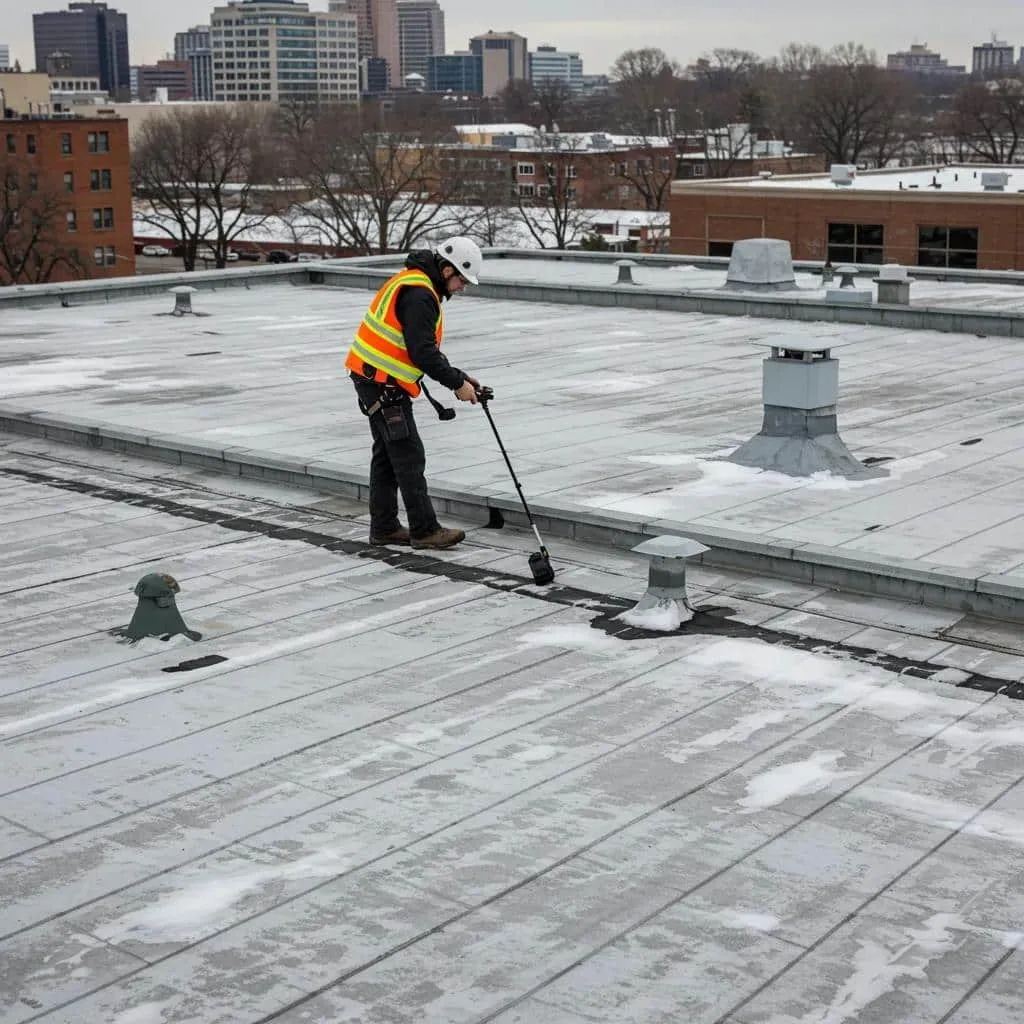
Which records should stay with the roof?
Gather the executed warranty document, roof plan, system description, installer closeout, approved details, product data, and any inspection schedule or maintenance condition. Add dates, building references, roof zones, and the contact responsible for notices. If the original scope or product list is missing, record that gap instead of filling it with an assumption. The owner can request the source document or commission a survey to confirm what is installed.
Keep repair tickets, service reports, photographs, leak logs, and work approvals in the same property file. A roof asset register can connect them to the specific assembly and section. A condition report can document visible changes over time. The file should show which records came from the installer, manufacturer, building owner, or later service visit, so a reader can distinguish executed requirements from internal maintenance notes.
Do not reduce the contract to a calendar reminder. Read its coverage, notice procedures, maintenance requirements, exclusions, and repair authorization language. If the document is ambiguous, identify the exact question for the issuing party. A roofer can help document roof conditions and prepare a repair scope, but only the responsible warranty issuer can interpret its obligations.
What should happen when a covered area leaks?
Record the time, interior location, weather conditions reported by the property contact, and steps taken to contain water. Then map the room to the roof section and photograph the visible symptom before temporary protection changes the evidence. Note whether the roof surface can be reached safely and whether a drain, curb, seam, or flashing detail appears involved. A hands-on inspection can document those conditions and the route completed.
Review the notice instructions and timing in the actual warranty before authorizing work that could affect a covered area. If the document requires an issuer review or a particular notice channel, keep proof of that submission in the file. Separate emergency containment from permanent correction and explain any action taken before a response. A leak investigation can locate the water path; it does not itself decide whether a warranty covers the repair.
The municipal construction process reviews plans and inspects work under the applicable California requirements and Rialto ordinances; retain the approval record with the warranty file. That municipal process is distinct from a manufacturer's warranty procedure. The owner should keep City approvals, design records, and warranty correspondence separate but associated with the same project. This avoids treating a permit or inspection result as an interpretation of contract coverage.
When should a repair wait for written direction?
Before removing membrane or changing a flashing detail, check the warranty's repair and authorization language. Some documents require advance review; others specify maintenance or reporting duties. We can photograph the condition, identify the suspected entry point, outline a proposed correction, and note the materials or details involved. The owner can then route that information to the issuer for direction where the contract calls for it.
For immediate water control, record what was done, by whom, and whether the measure was temporary. A permanent repair ticket should state preparation, system compatibility, tie-in, access, and the completion check. A roof repair scope can document those details. If widespread deterioration or repeated failures point beyond a spot fix, a replacement assessment can define a different option, with warranty implications reviewed against the actual documents.
Do not make a product claim from a roof color, logo, or visible sheet alone. Confirm the installed system through closeout records or a qualified field review. If the system identity remains unknown, describe observed materials and keep the product field open until evidence supports a name. That discipline protects both the maintenance record and any later request for warranty review.

How do local conditions affect the maintenance file?
The City climate plan notes recurring hot days within a broader hazard assessment. Warranty review should rely on the system's records and observed condition, not citywide weather context. That is a planning reference, not a roof-specific exposure record. The maintenance file should instead show the condition of the actual surface, seams, sealant, curbs, edges, and drains when inspected. Dated photos help compare a detail between visits; notes should not infer damage from citywide climate language alone.
Foothill Central sets district-level planning direction, while Rialto's corridor index covers separate commercial street locations. Neither reference extends a warranty beyond its documented property and scope. A portfolio manager may use those names to sort properties, but should retain the parcel and building identifier needed to locate the applicable warranty. For a building along one of the city corridors, access hours and tenant operations can influence when maintenance is possible. Document the approved work window and the roof section visited.
A preventive maintenance visit can clear debris, check drains, and record accessible details where the warranty and roof design allow. Keep service entries specific about the work completed and items deferred. If a condition needs issuer approval, place that question on its own tracking line rather than marking the roof fully maintained. A consistent record makes it easier to show what was done without suggesting an outcome the maintenance visit did not verify.
What should the owner request before a claim review?
Provide the warranty document, roof plan, system closeout, installation date if recorded, prior service tickets, inspection photos, and a concise timeline of the reported condition. Identify the area affected and which temporary or permanent work has already occurred. Keep original documents intact. Add later clarifications as dated records with their source and the person who received them.
When a manufacturer or issuer requests more information, answer with the locations and records requested. Do not send an entire property archive if a limited roof area is at issue. If a manufacturer system review is relevant, verify the installed product first and follow the instructions in the actual contract. A separate capital review can proceed for work that may not be covered, while preserving the distinction between a maintenance decision and an issuer's response.
At closeout, file the response, approved scope, completed work photos, and any remaining obligation. If the claim is denied or limited, keep the rationale and next action in the property record. That lets the owner assess whether to repair, monitor, or fund a different scope using the condition evidence and the contract language together.
Commercial Roofing Questions
Does a roof warranty cover every leak?
Coverage depends on the issued document, the installed system, the cause, and any stated exclusions or maintenance duties. We can document the condition, while the issuer determines how its terms apply.
Should a permanent repair wait for issuer approval?
Review the contract's notice and authorization clauses first. If they call for approval, send the condition record and proposed scope through the stated process; document any urgent containment separately.
What if the building has no warranty file?
Start with roof plans, closeout documents, invoices, and prior service records. A field review can describe the installed assembly, but the owner should obtain the executed contract from the issuing party if one exists.
Can routine maintenance affect coverage?
The document may list inspection, cleaning, or reporting requirements. Keep a dated log of work performed and deferred items, and request clarification from the issuer when the requirement is unclear.
Does a City inspection establish manufacturer coverage?
No. Municipal review and a private warranty are separate processes. Keep the City record with the project file, then follow the warranty's own notice and review requirements.
Related Roofing Work

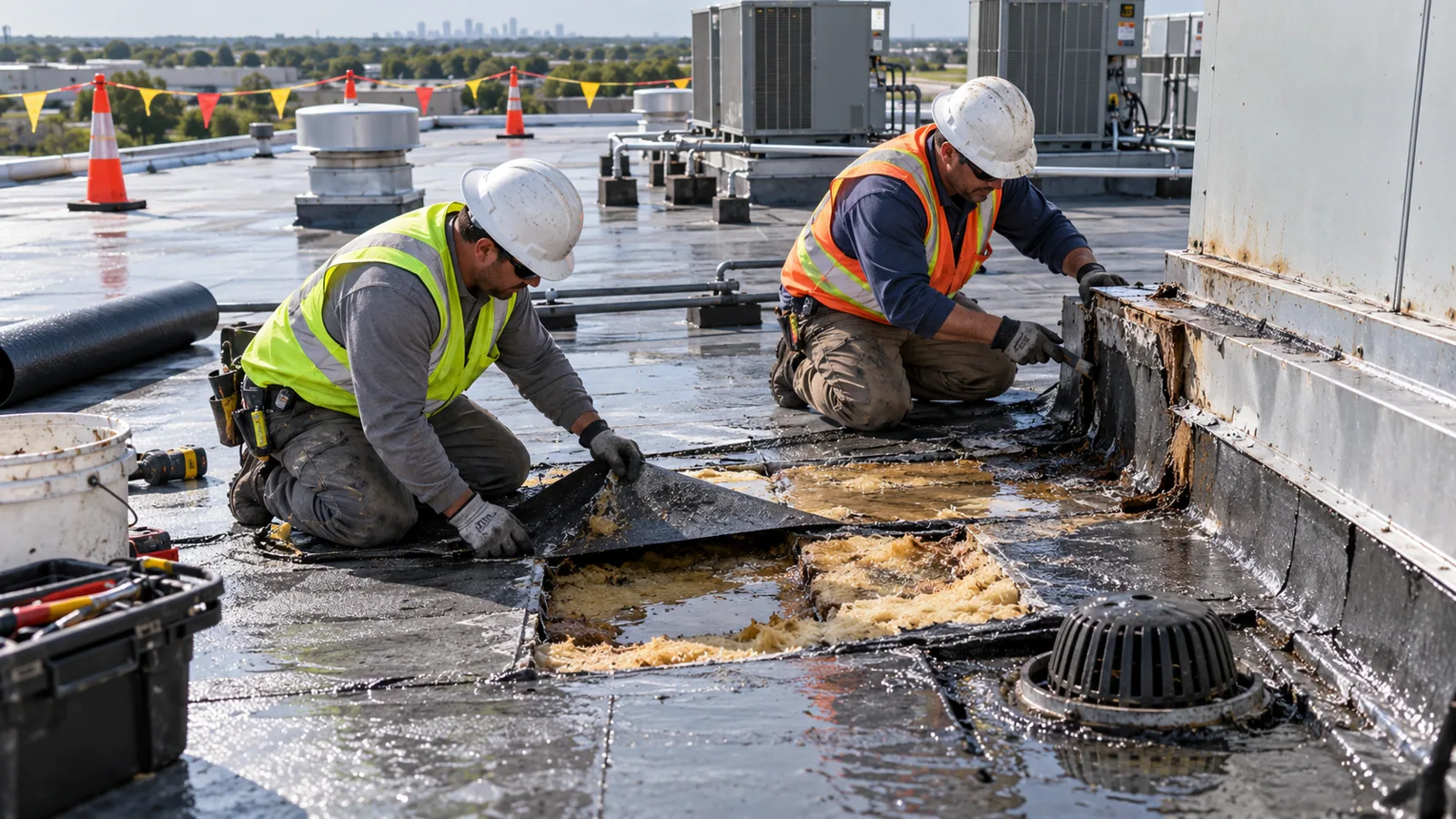
Put the warranty record beside the roof condition
Share the executed warranty, roof plan, closeout records, prior repair tickets, and access limits. We will map the reported condition and identify the documents or field checks needed next.