
A production shift may continue while a roof section needs repair. First identify the process area below, the access path above, and the condition that has interrupted work. We trace the reported leak or membrane failure across seams, curbs, penetrations, and drainage details, then mark a safe inspection route. That keeps the repair ticket tied to a real roof section and gives operations a clear view of containment, permanent correction, and any follow-up decision.
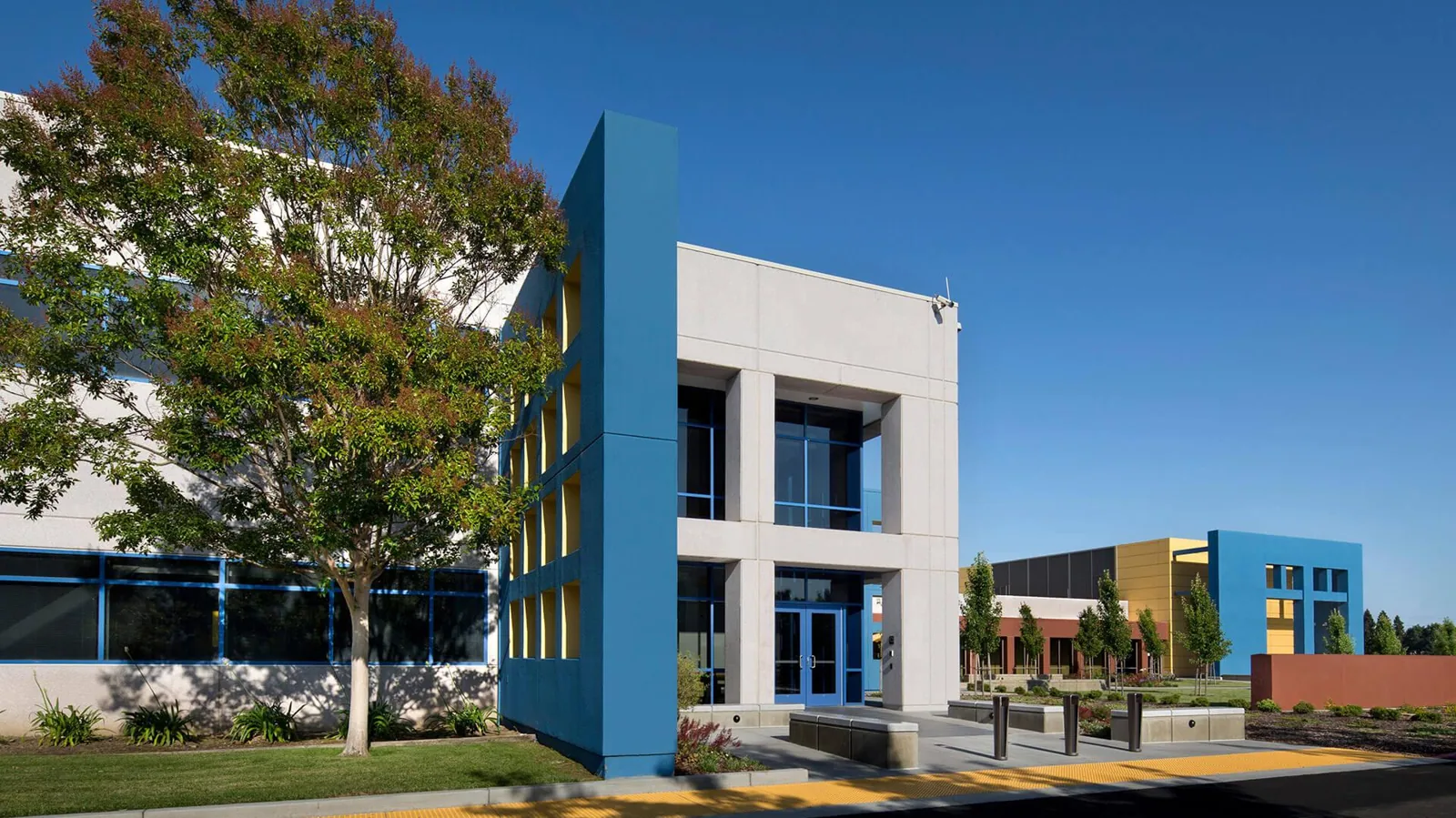
Rialto planning identifies Agua Mansa as a broad industrial area that spans more than one jurisdiction, with only its Rialto portion relevant to this service area. The Gateway industrial area includes industrial-park designations within Rialto. That planning context does not identify a particular facility's roof type or current condition. A roof inspection records the actual assembly and operating limits before work is scoped.

Which roof details sit above the production line?
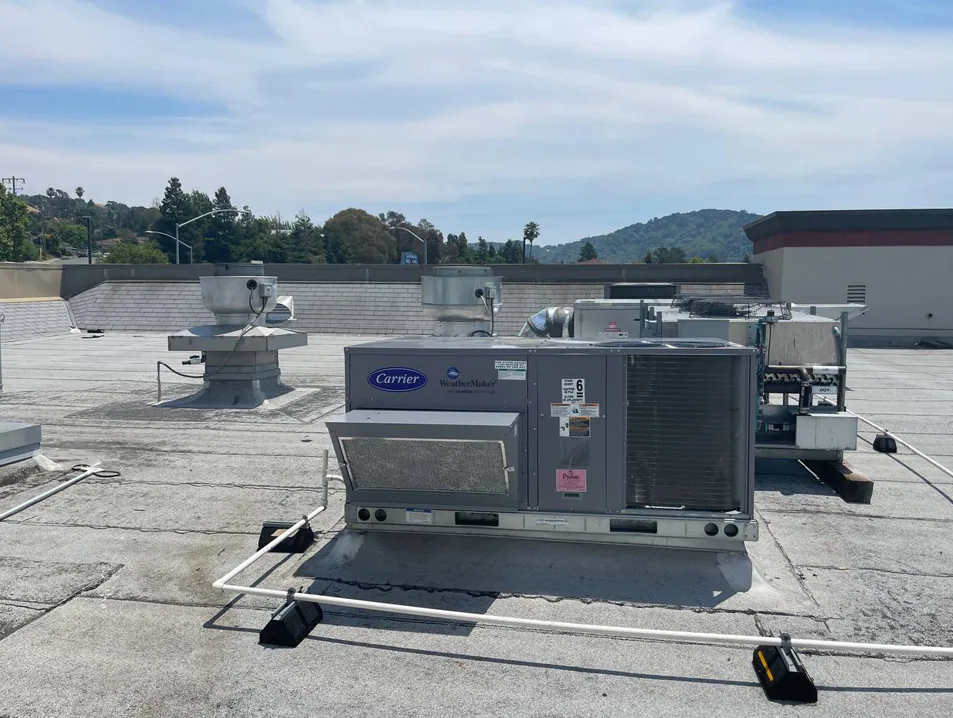
Manufacturing roofs may carry exhaust, make-up air, piping, electrical conduit, duct supports, and service platforms. Each penetration creates a transition through the membrane. We map these details by roof section and note which equipment cannot be shut down or moved during the access window. At a reported leak, we check the nearby curb, flashing, fasteners, seams, and water route before assuming the visible stain points straight up to the defect.
The work plan accounts for nearby lines, roof traffic, and the specific elevation where a repair will be staged. A clear boundary helps operations identify which equipment and floor area are affected. We coordinate with the person responsible for process equipment before lifting covers, touching supports, or setting protection around an opening. The curb and equipment review can separate roof flashing from equipment work that needs another trade. If multiple details are crowded into a narrow zone, we isolate the repair area and confirm the correct tie-in material before mobilizing.
What does local heat change in the inspection?
The City’s adaptation planning identifies heat extremes as a broad hazard and notes that high-temperature days recur in Rialto. On a manufacturing roof, that context supports checking exposed laps, sealants, patch edges, and equipment curb details during the visit. It does not establish a temperature history or predict how a particular assembly will perform. We record the conditions actually present, including whether the repair area is accessible and safe during the planned shift.
We compare the visible roof field with the product and repair history when those records exist. A brittle patch, separated seam, or lifted edge may need a localized correction, but a repeated condition can point to wider movement or attachment concerns. We note the difference between observed surface wear and moisture that has been confirmed below it. That distinction keeps a maintenance ticket from becoming an unsupported replacement recommendation. Where the assembly's layers are uncertain, a moisture survey or targeted opening may help determine the next step.
How is a repair coordinated with operating equipment?
Before work starts, we confirm who controls roof access, which lines or fans must remain active, and whether the affected area below needs a temporary boundary. Production schedules can change by shift, so the crew sequence should state the work area, expected access period, and dry-in point. If the repair requires a test opening or removal of wet insulation, we agree on interior protection and a secure closeout before the opening is made.
The Rialto General Plan’s commercial geography includes Valley Boulevard and Foothill Boulevard, plus Riverside Avenue and its junction with Baseline Road. At industrial properties, the actual access route and receiving conditions still come from the facility team. We coordinate delivery timing and staging with those instructions rather than inferring site access from the district. For a larger project, phased occupied-building roofing can help sequence removal and installation while keeping required areas in service.
How do we select a repair or replacement assembly?
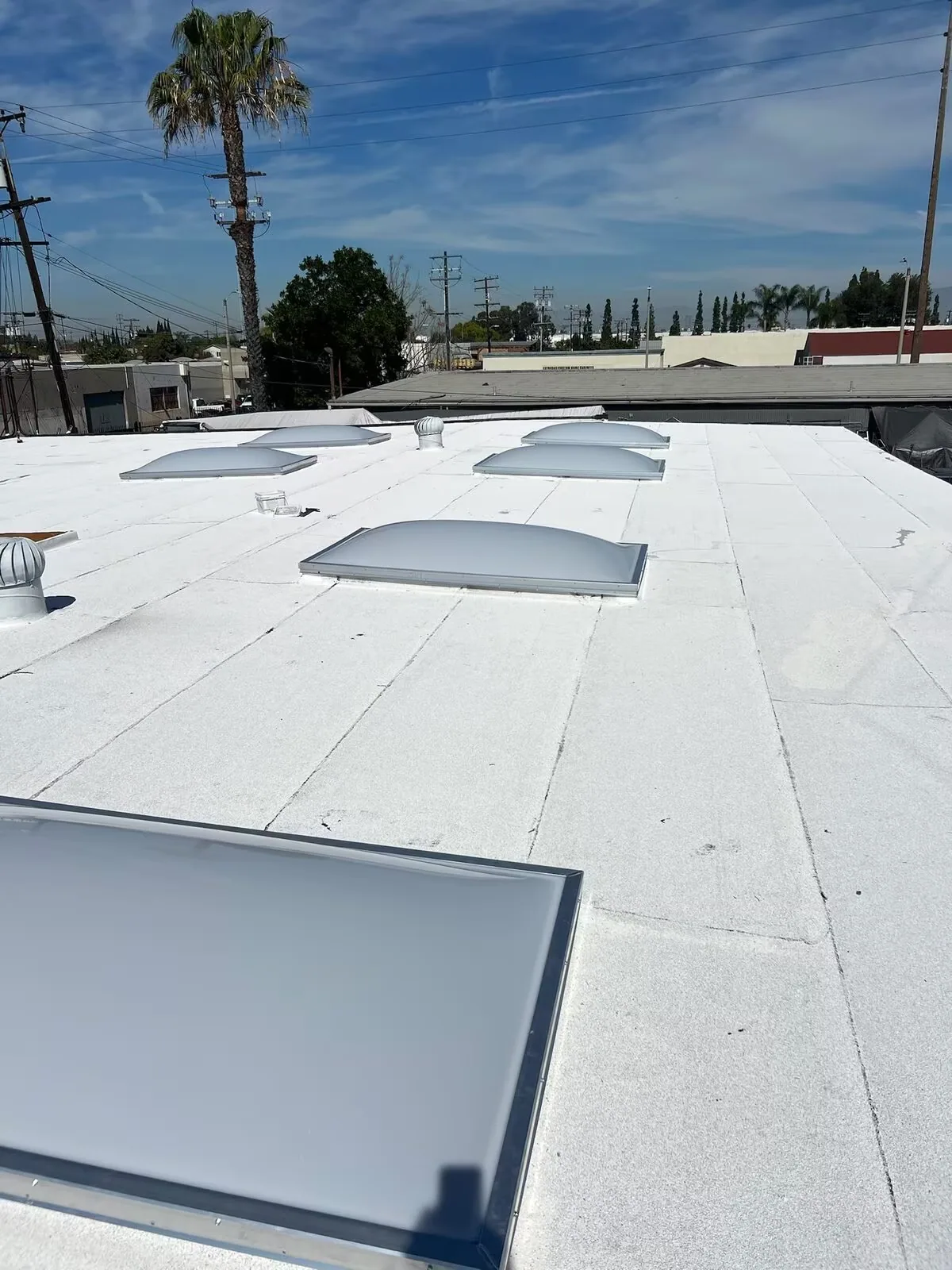
The existing membrane, substrate, deck, and attachment method set the limits for a new assembly. We identify whether the roof is a single-ply membrane, built-up system, modified bitumen, metal, or another construction where visible or documented. We inspect transitions at parapets, drains, curbs, and expansion joints. If the deck condition or insulation cannot be confirmed from the surface, we state what test would resolve the question and where it belongs.
A new system must connect to compatible material and carry through the details that remain. We compare repair, recover, and replacement options using the affected roof sections, confirmed moisture, and planned production windows. For a related storage use, a warehouse roof assessment may prioritize drainage and inventory zones, while a distribution center review may emphasize dock access. The assembly still follows the evidence at the plant under review, not a neighboring use.
Which findings belong in the capital review?
Separate a confirmed leak from broad condition concerns. We label each roof section as repair, monitor, test, or evaluate for replacement, then include photos and a concise reason for the recommendation. If the owner has production limits, we state which phases can happen during regular operation and which require a shutdown or protected area. This makes it possible to compare a short repair window with a planned capital project using common assumptions.
When production plans call for a roof modification, we use the owner's roof register and field inspection to define the work. A capital planning review can organize condition, timing, and access dependencies across sections. If the assembly is beyond a localized repair, we can prepare a replacement scope with removal, substrate correction, new insulation, and edge work described as separate items.
What remains after the crew leaves the roof?
The closeout should give facilities and production staff a stable reference. We identify the roof zone, penetration or seam repaired, material used, and condition that remains open. If nearby equipment restricted inspection, that limit stays in the record so a later visit can complete the check. The maintenance team can then schedule the next route without guessing which repair was discussed or whether a temporary cover remains in place.
A manufacturing plant may have several roof assemblies or operating zones, so we keep each location distinct. For the Rialto portion of Agua Mansa or an industrial area mapped through Gateway, broad location identifies the service context; the roof register describes the property itself. The owner can attach the closeout to the equipment log, maintenance ticket, or capital file that will guide the next review.
Commercial Roofing Questions
Can roof repairs happen while a production line is running?
They can when the repair route, safety controls, interior protection, and equipment limits are coordinated with the facility contact. We set the work zone and access window before opening the roof.
Do exhaust curbs need a different inspection from the membrane field?
Yes. We look at the curb flashing and its connection to the surrounding membrane, then coordinate any equipment work with the responsible trade. The record shows which part needs correction.
How do you decide whether insulation can stay?
Visible condition and targeted testing guide that decision. We identify suspected wet or compressed areas and verify them when the result would change the repair, recover, or replacement scope.
What if process equipment blocks part of the roof?
We document the restricted area and arrange access with the facility contact. A roof condition report should distinguish inspected locations from areas that could not be reached.
Can a repair be isolated to one production bay?
A localized scope is appropriate when the defect and surrounding assembly are bounded and a sound tie-in is available. We check related seams and drainage before limiting the work to that bay.
Related Roofing Work
Map the roof work to the production window
Share the affected process area, roof access instructions, equipment restrictions, and prior leak records. We can set an inspection route and identify whether the next work order is a repair, test, or capital item.