A roof plan starts with what the building does and which areas must remain available. We confirm the roof assembly and access boundary before choosing a repair, maintenance, or replacement sequence. The Gateway Specific Plan sets out office-park, retail-commercial, freeway-commercial, and industrial-park designations in a broad Rialto plan area. Those labels orient a property record; the inspected roof and owner's instructions set the work scope.
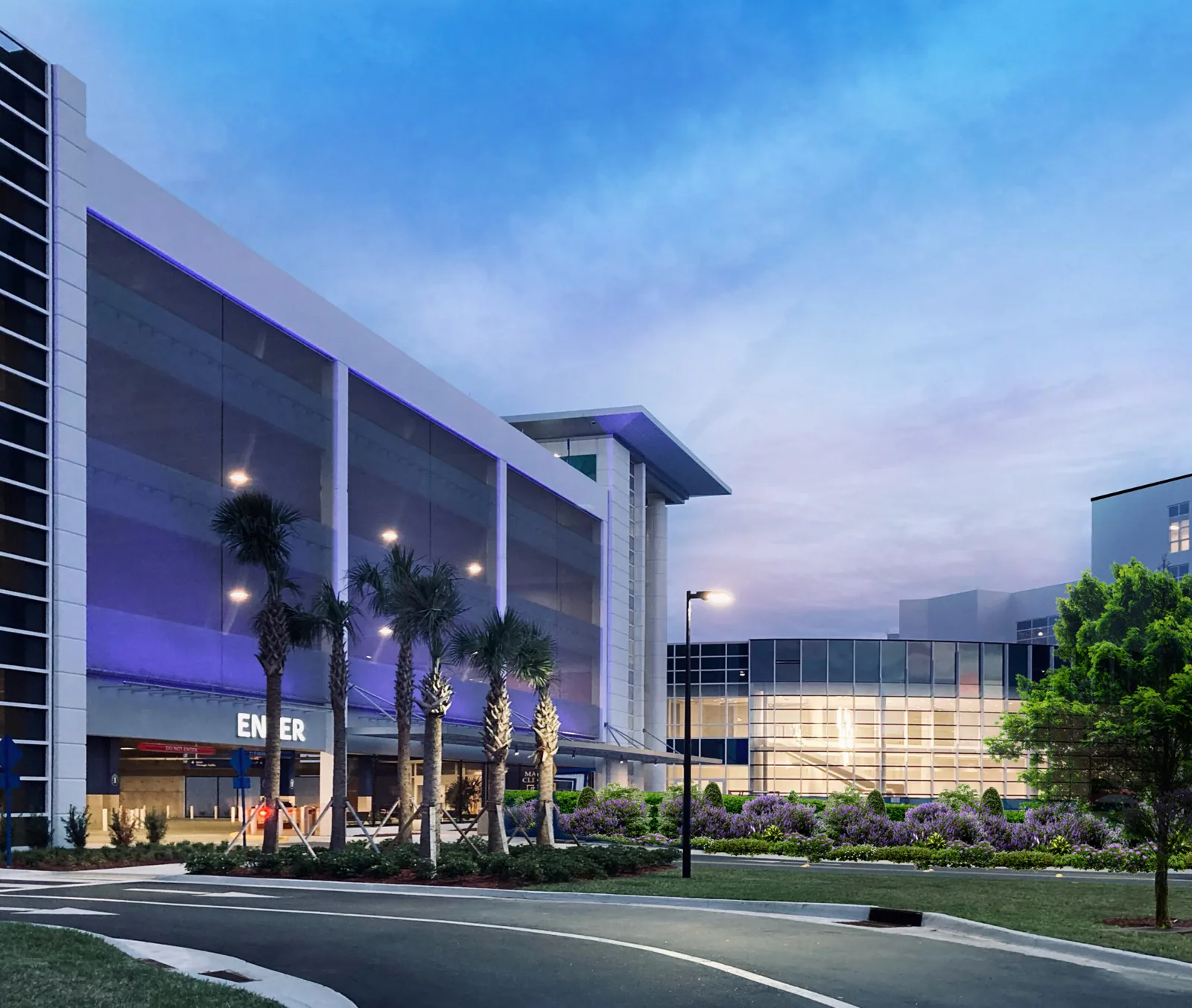
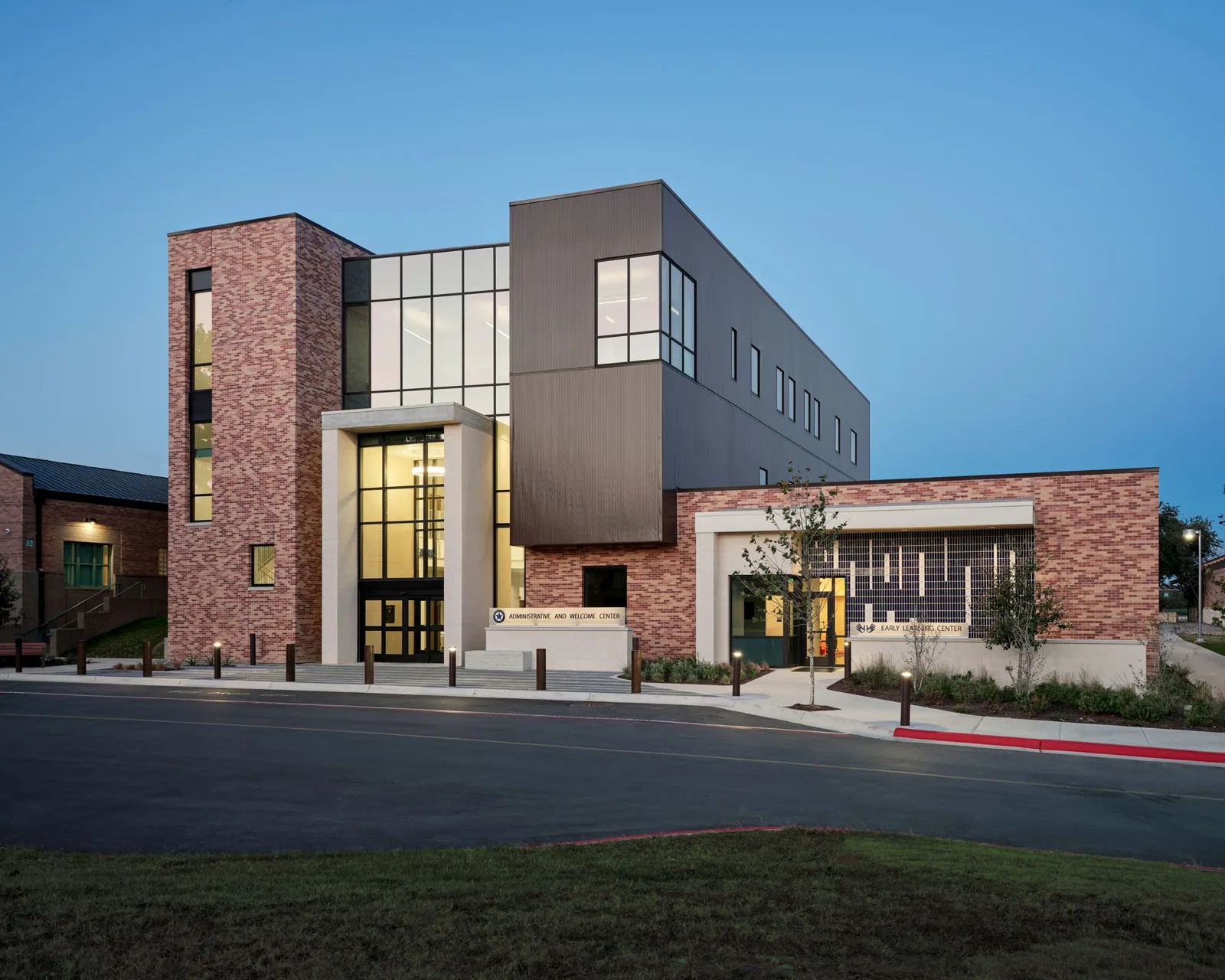
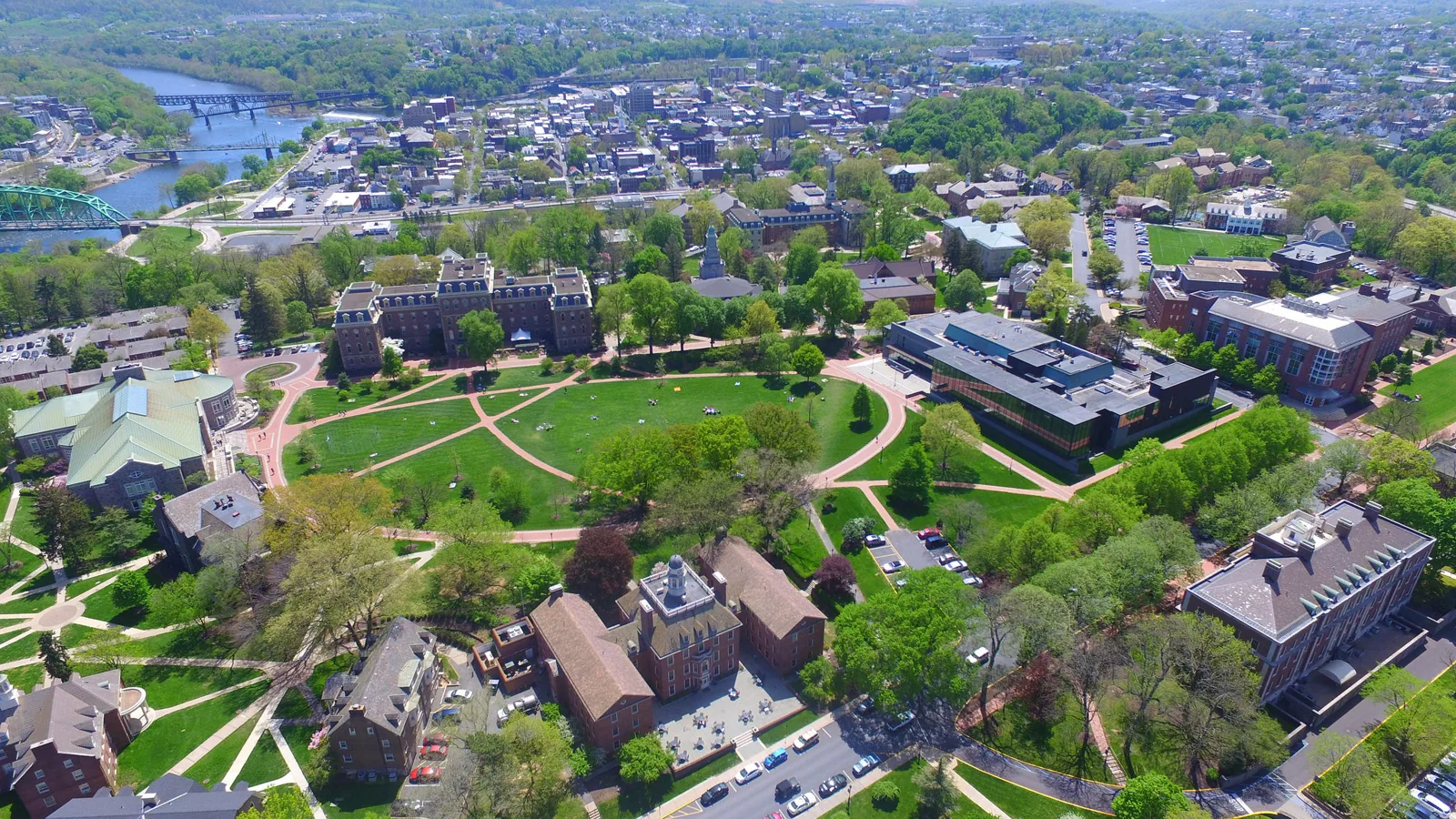
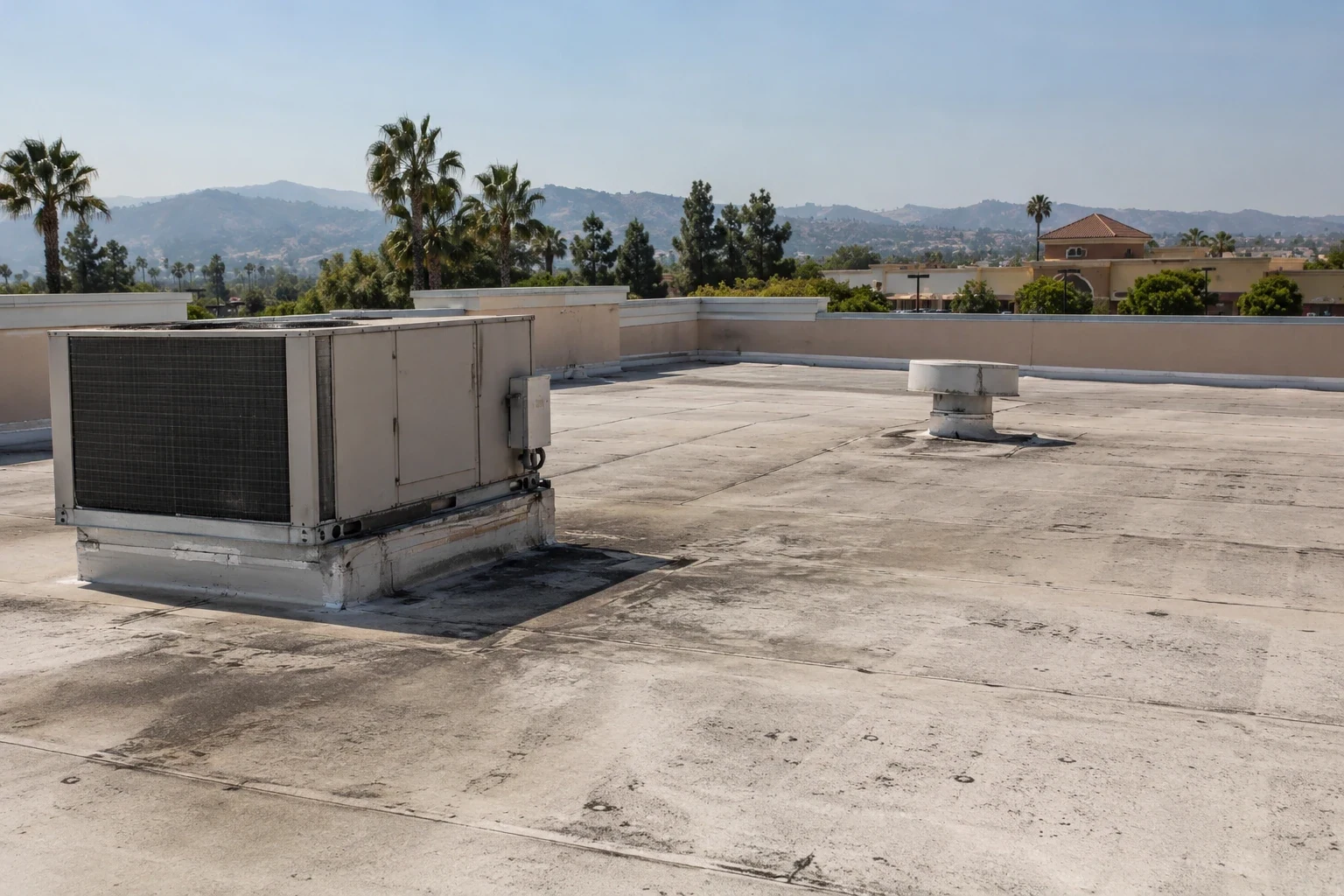
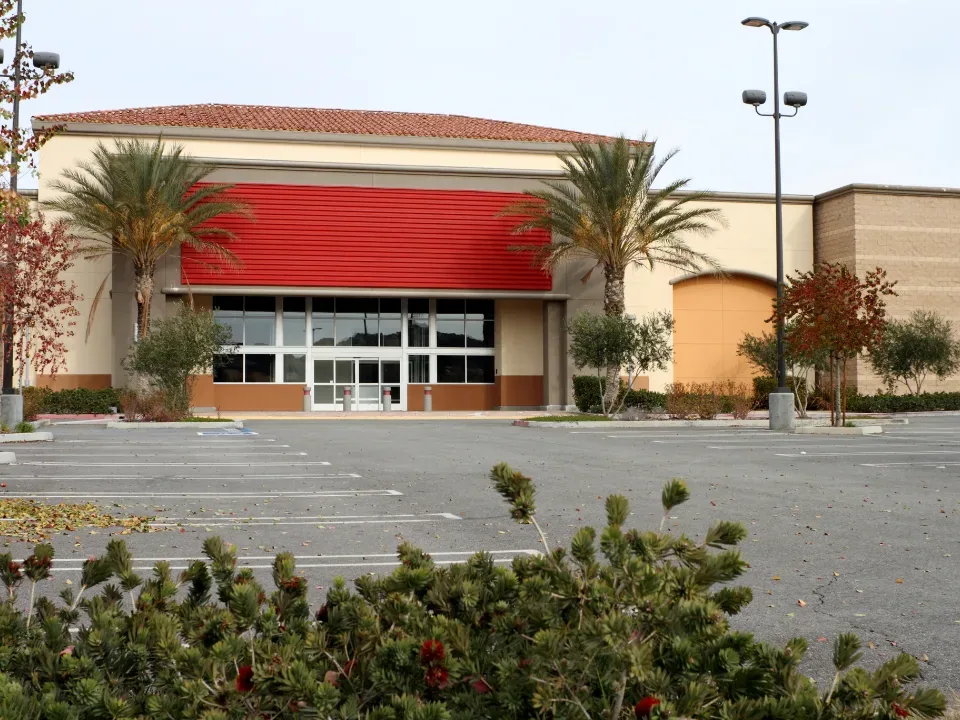
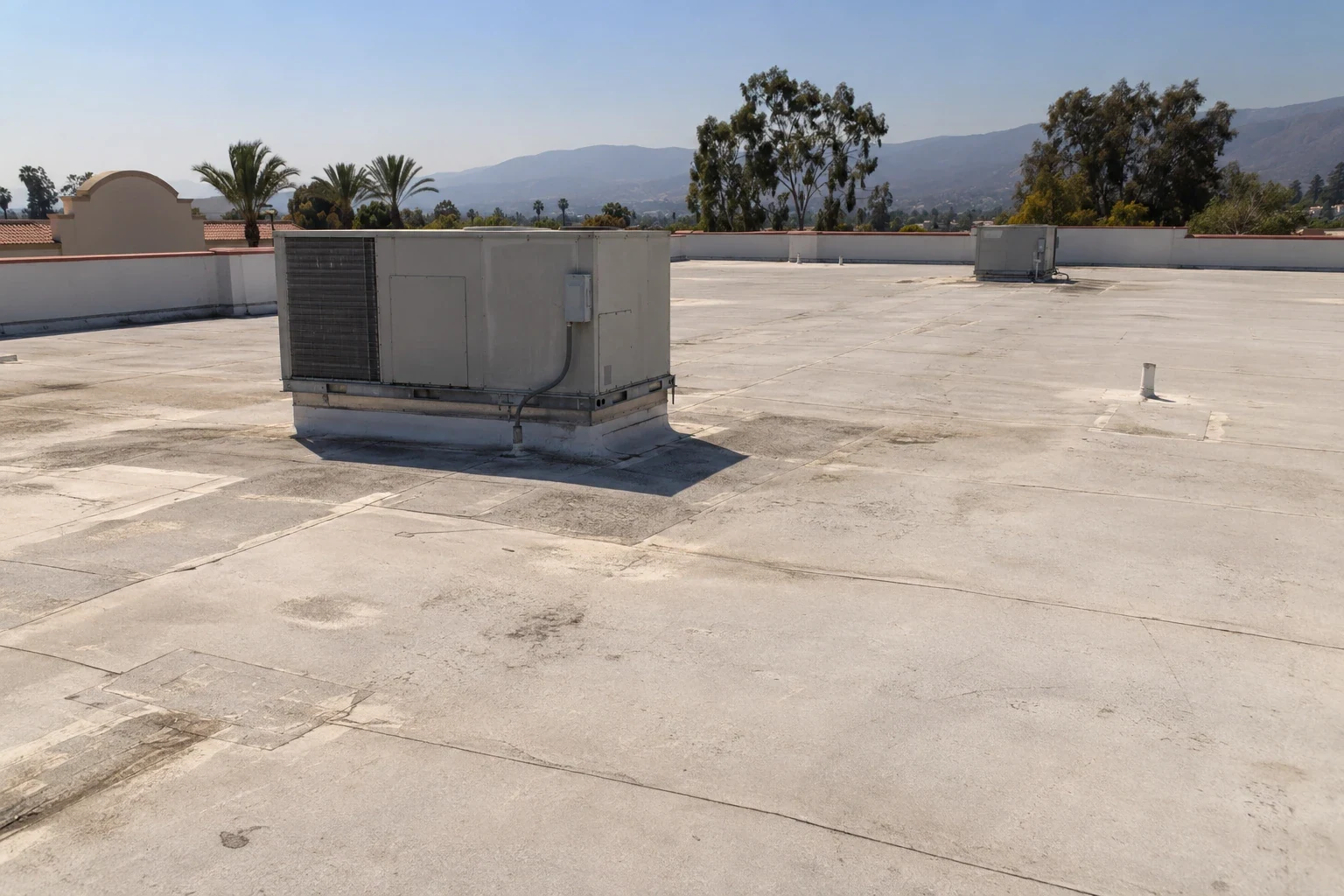
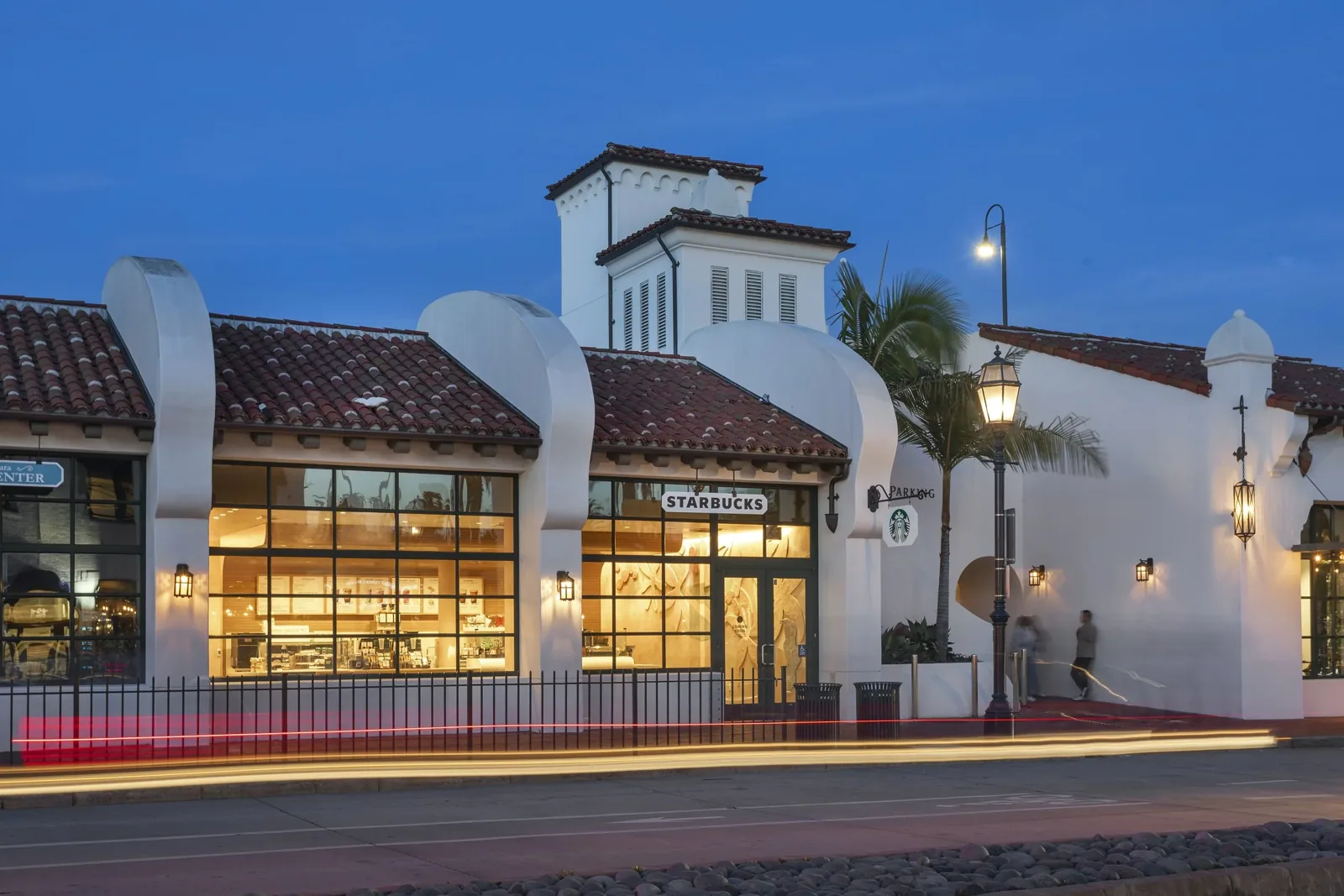
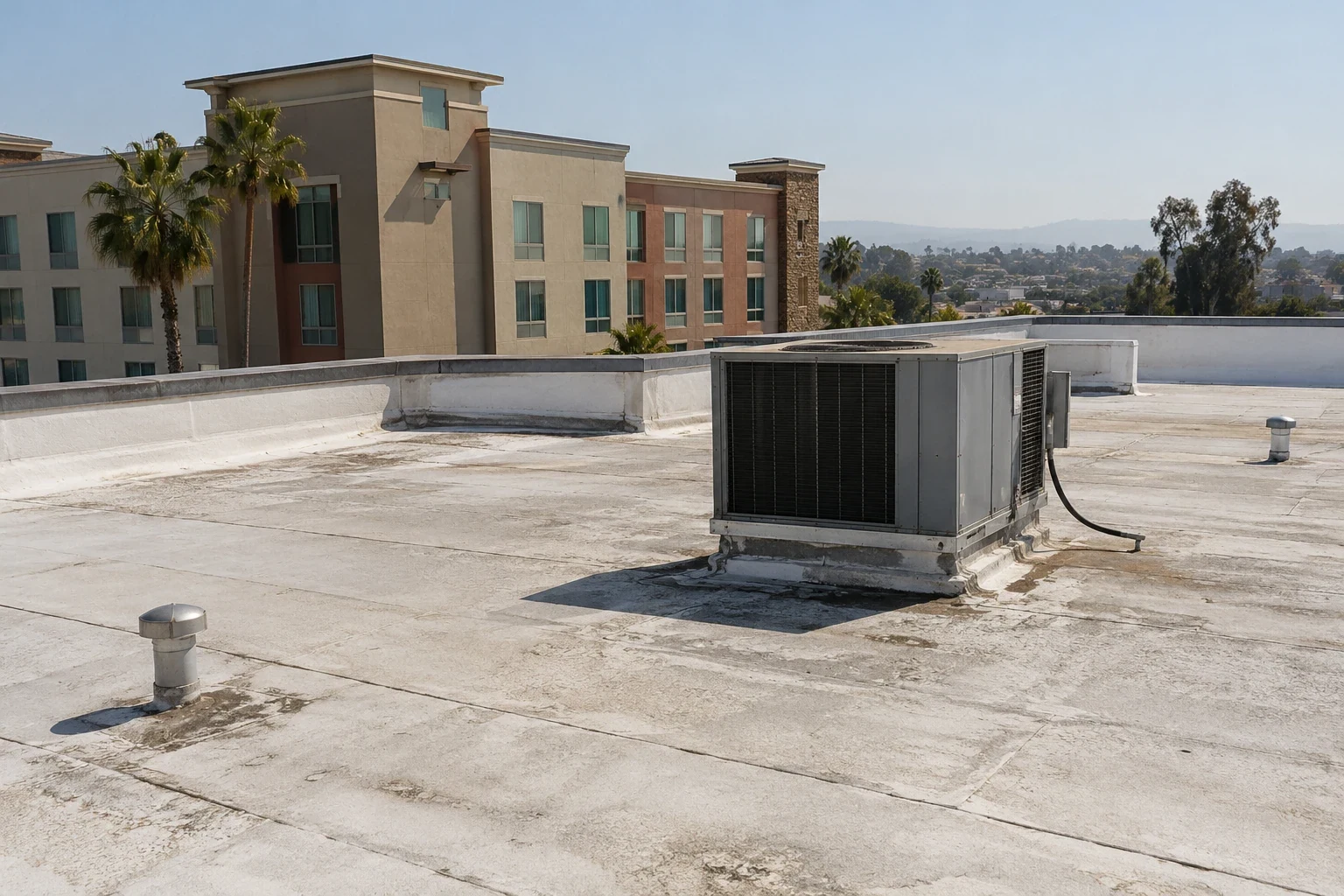
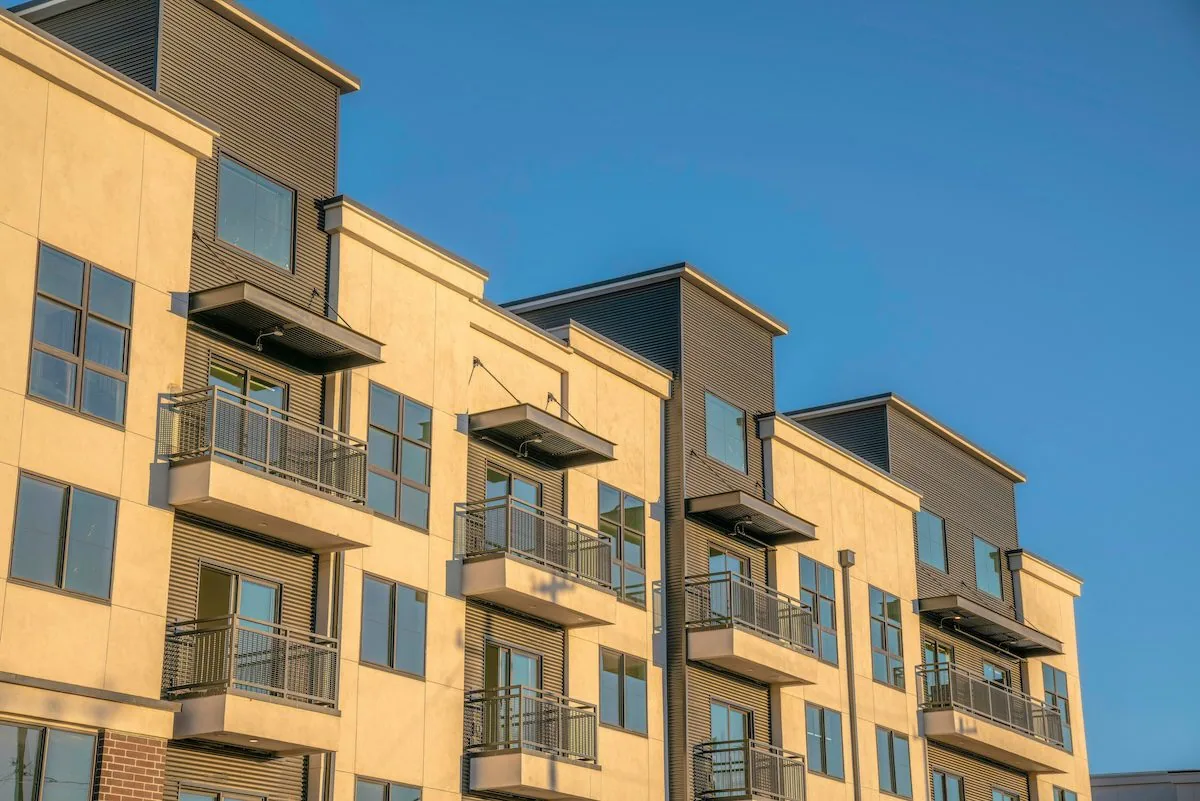
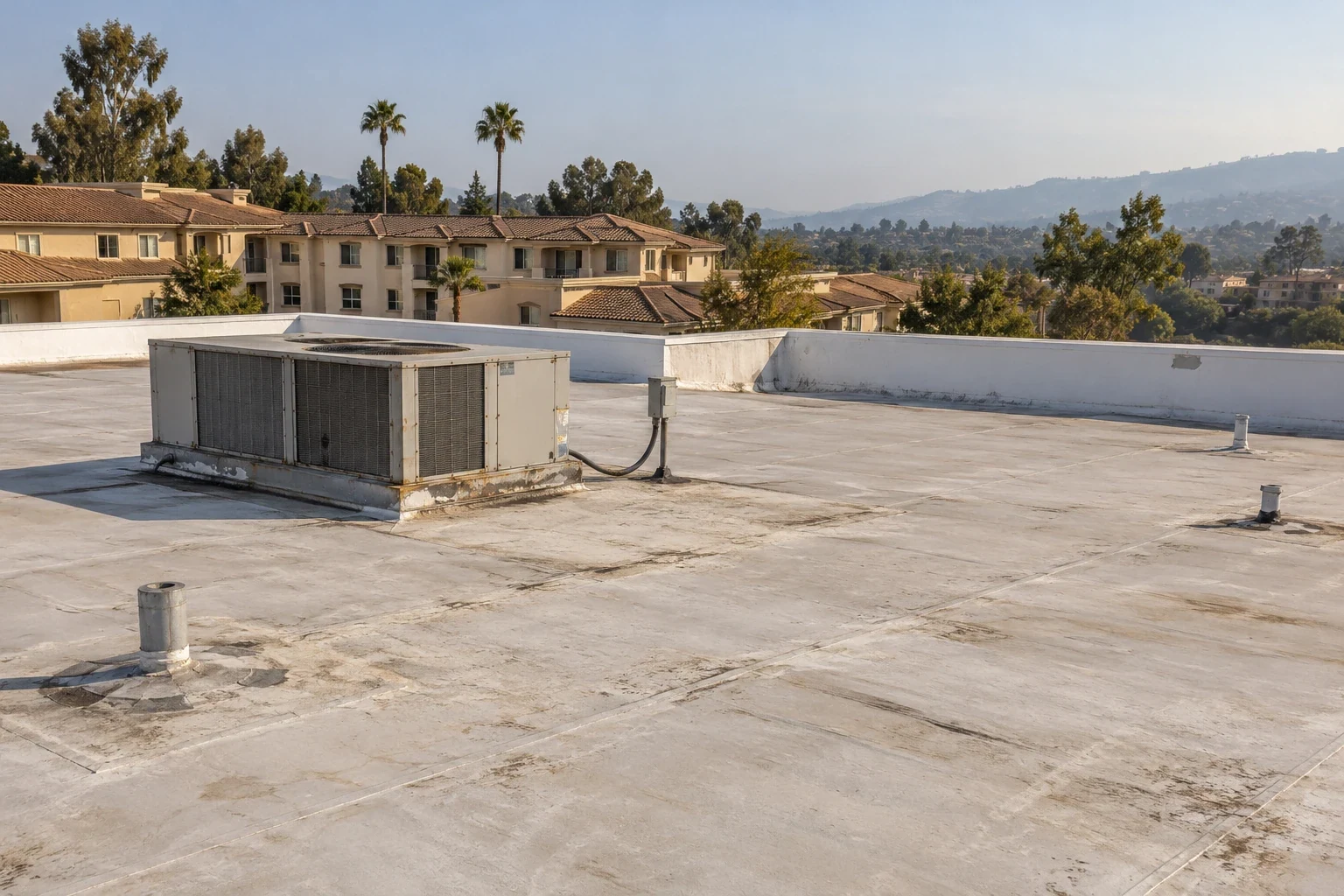
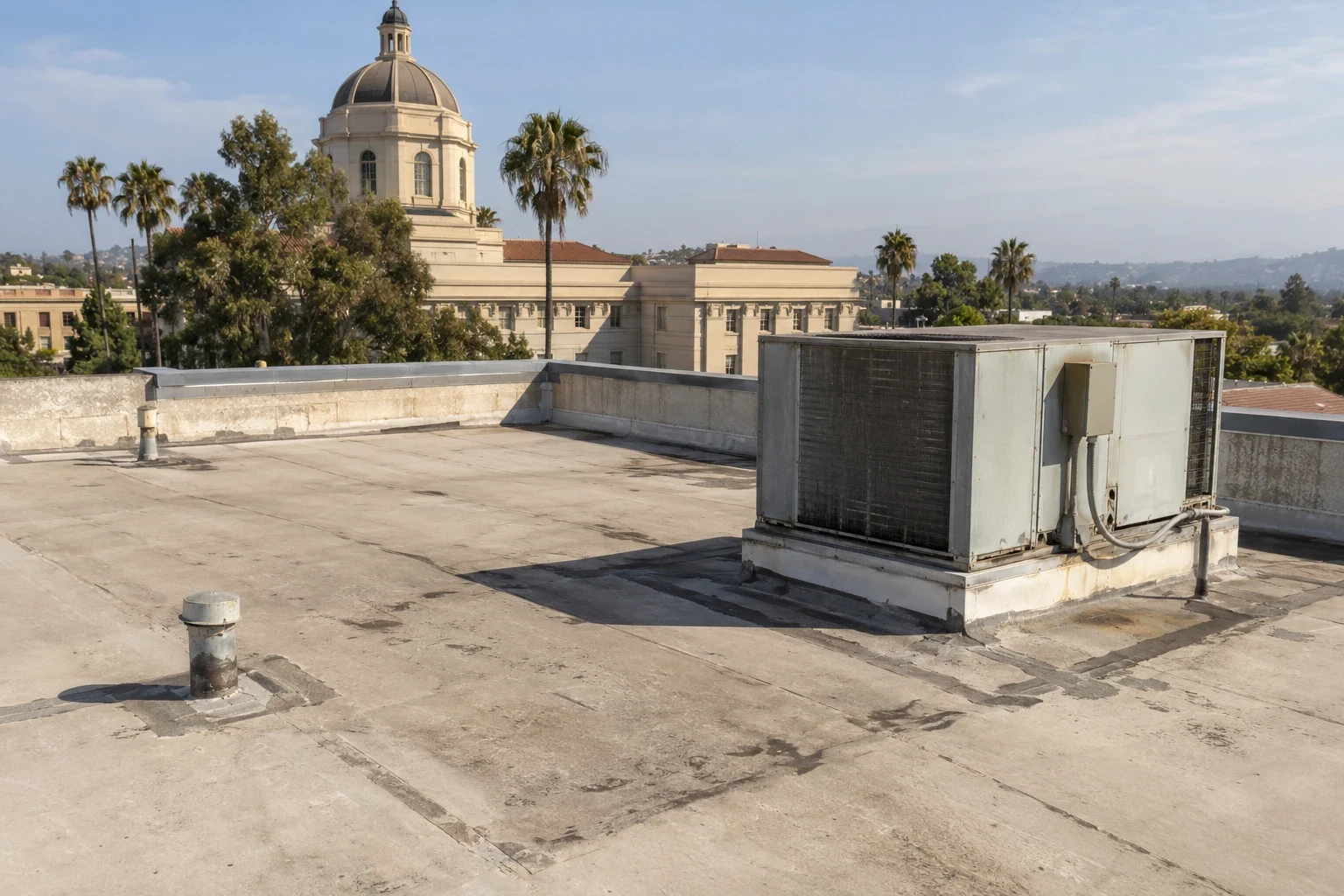
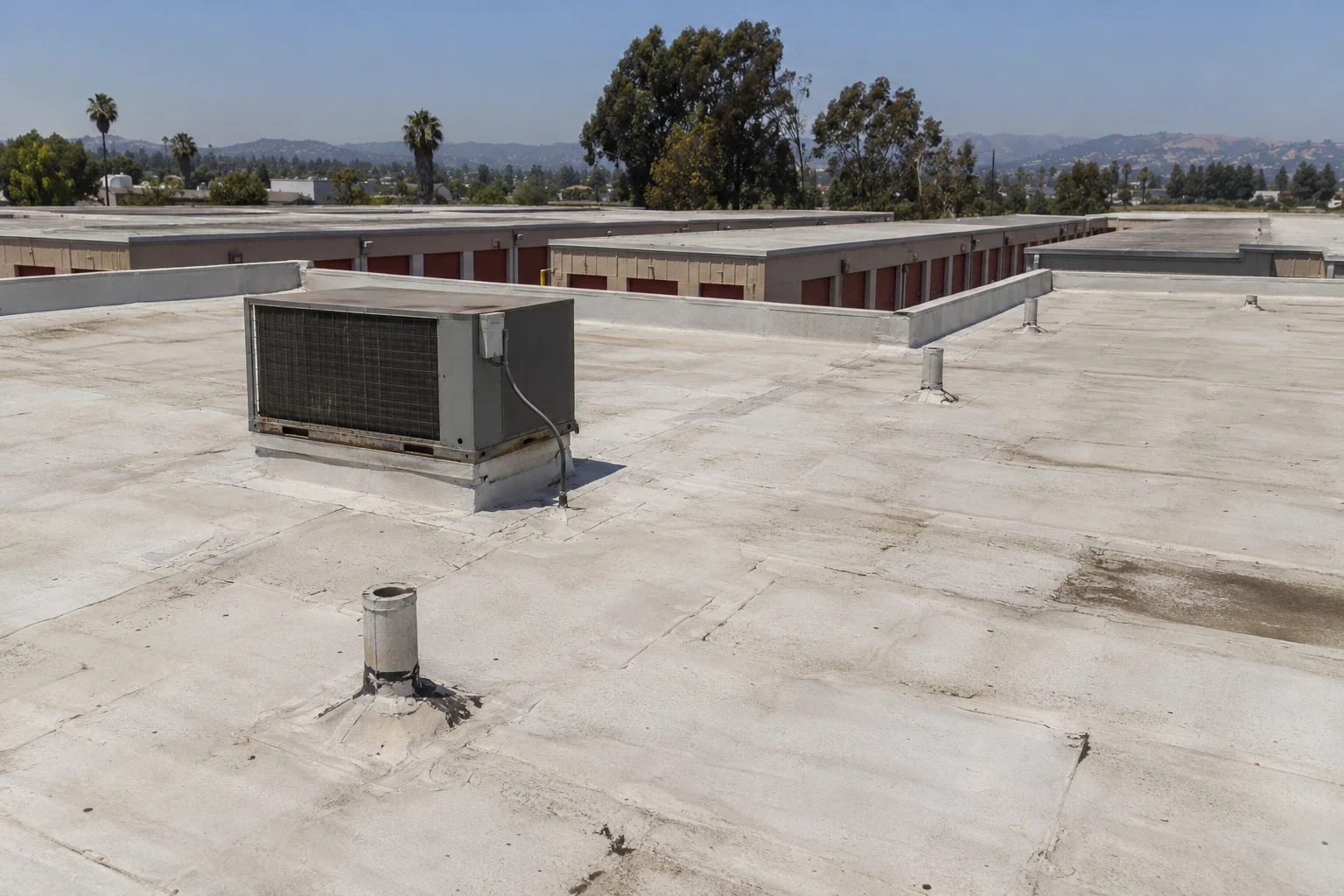
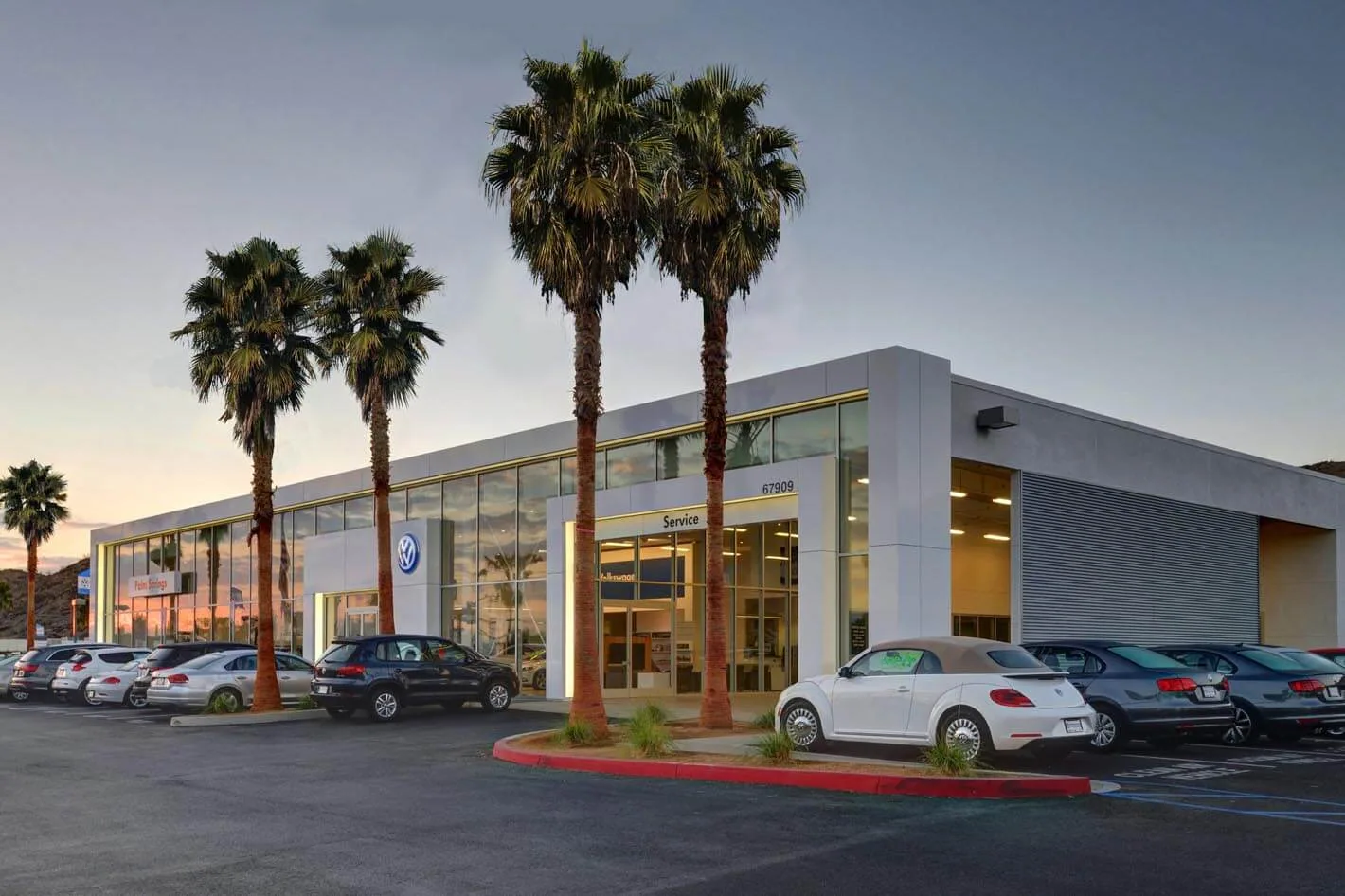

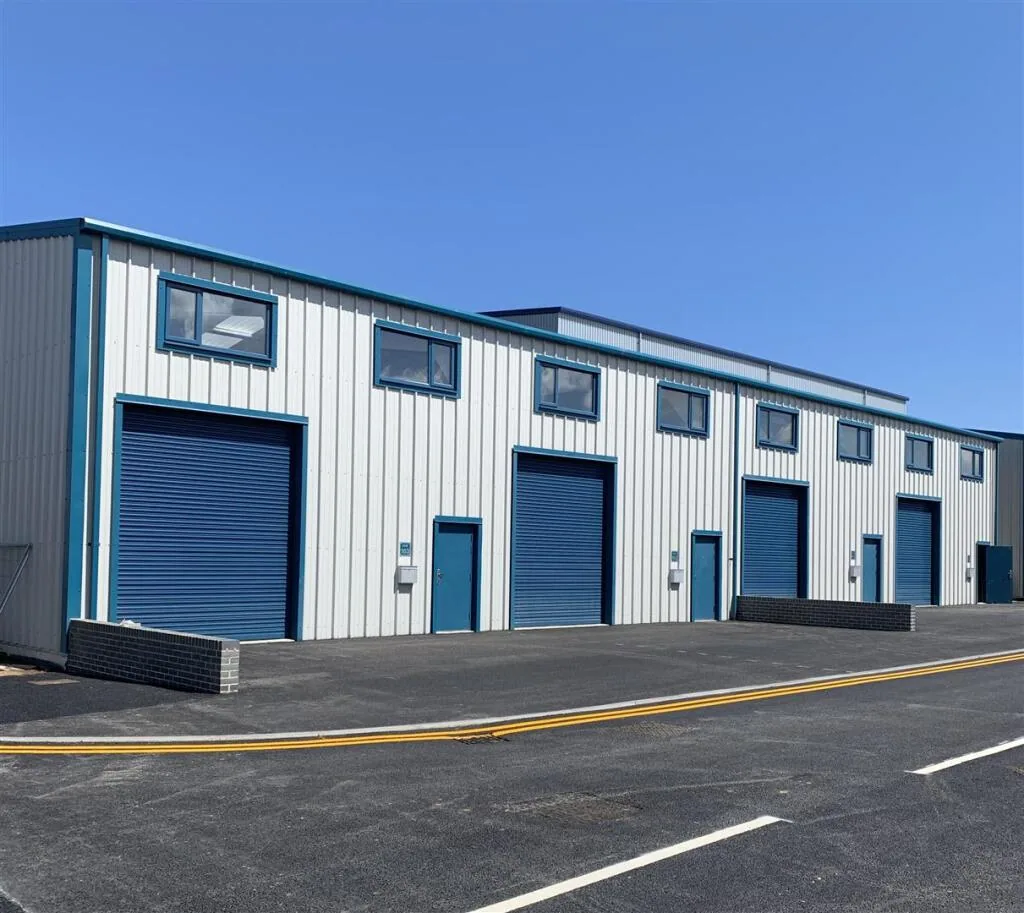
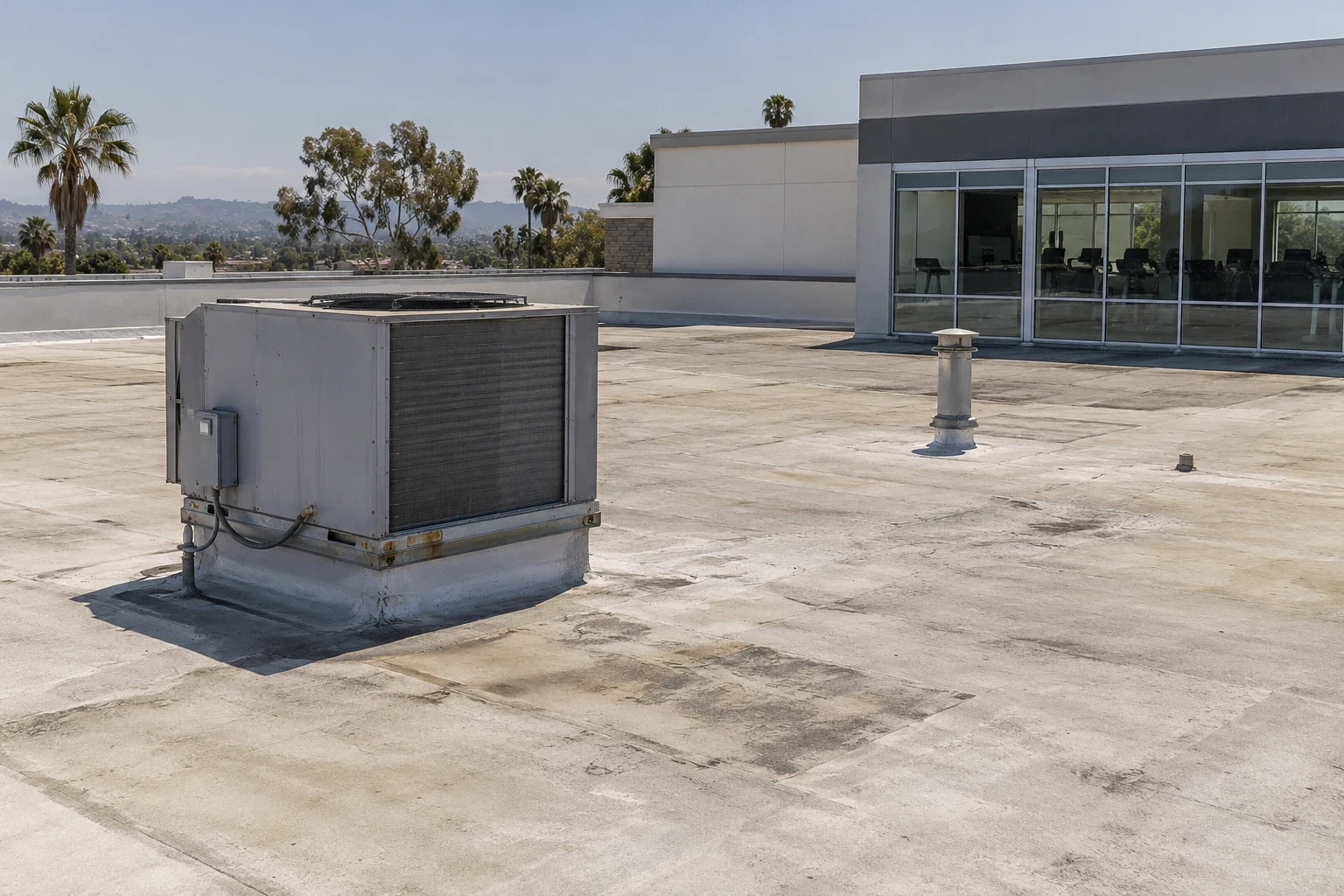
What should the property type change in the inspection?
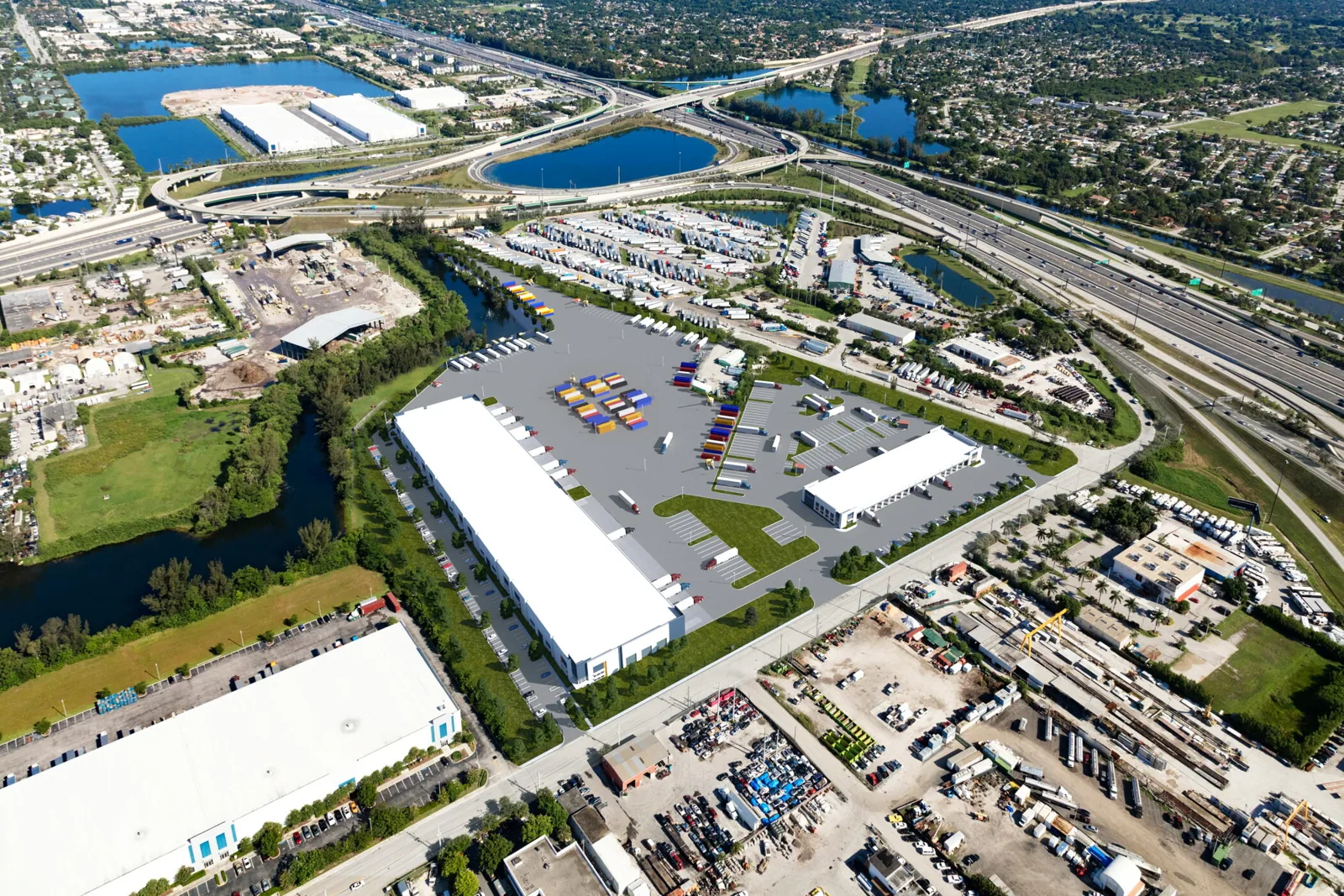
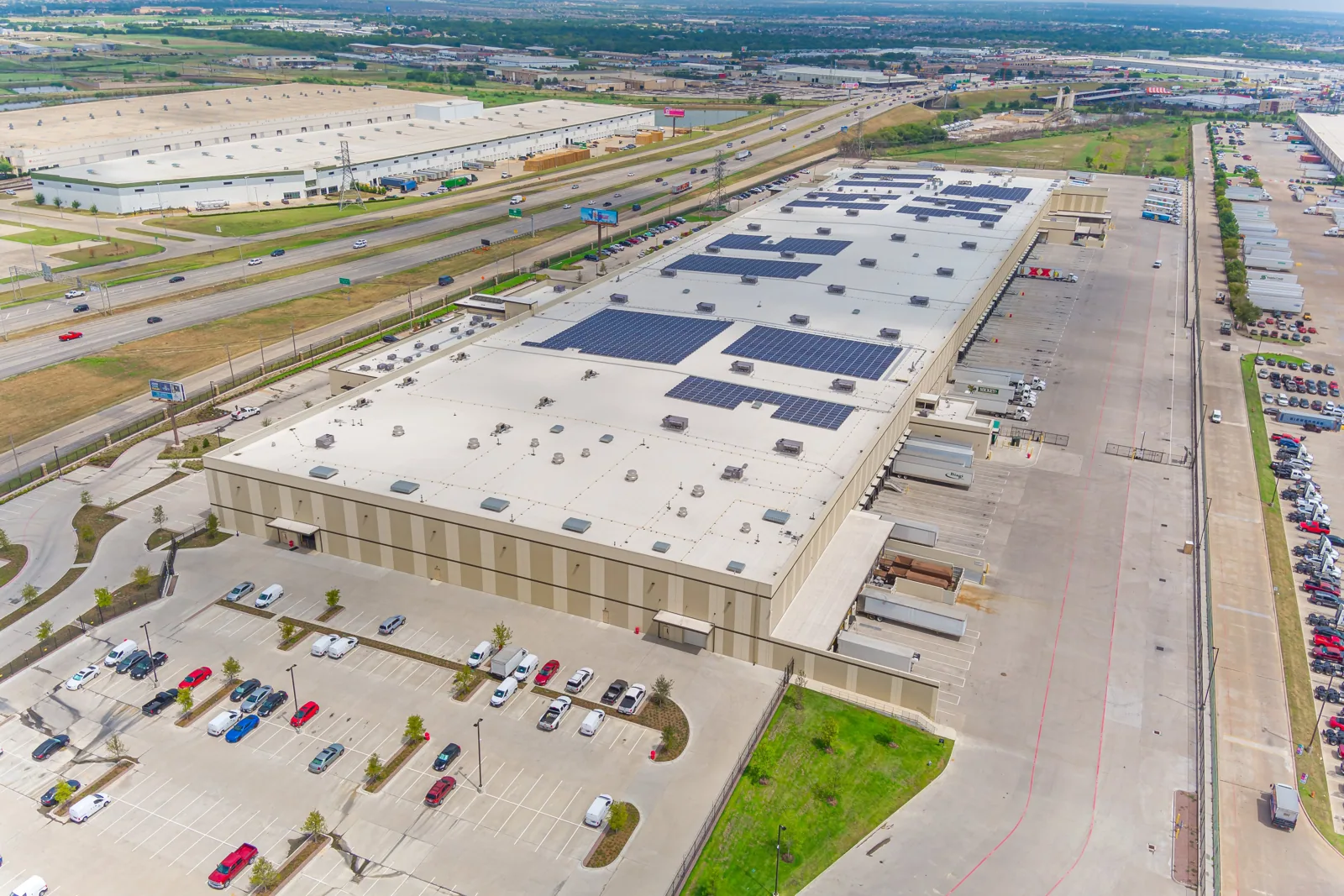
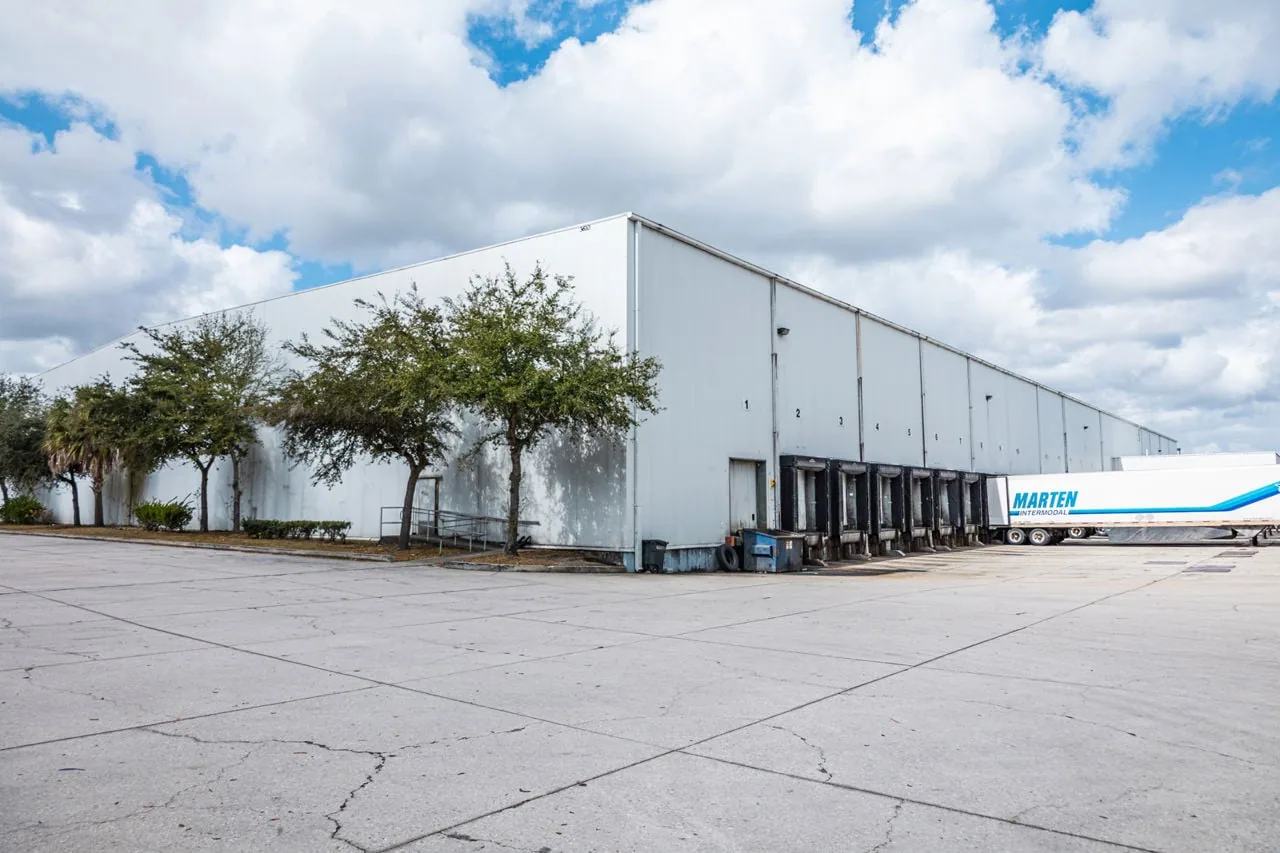
Each roof walk follows the same evidence rule, but access and continuity needs vary by building. A warehouse roof inspection may need a route that keeps receiving or inventory areas protected. A distribution building can require careful sequencing around equipment and loading activity. A manufacturing roof needs the owner to identify processes and work windows that cannot be interrupted. We record the contact, section labels, and limits before assigning the crew sequence.
Which details belong in the roof record?
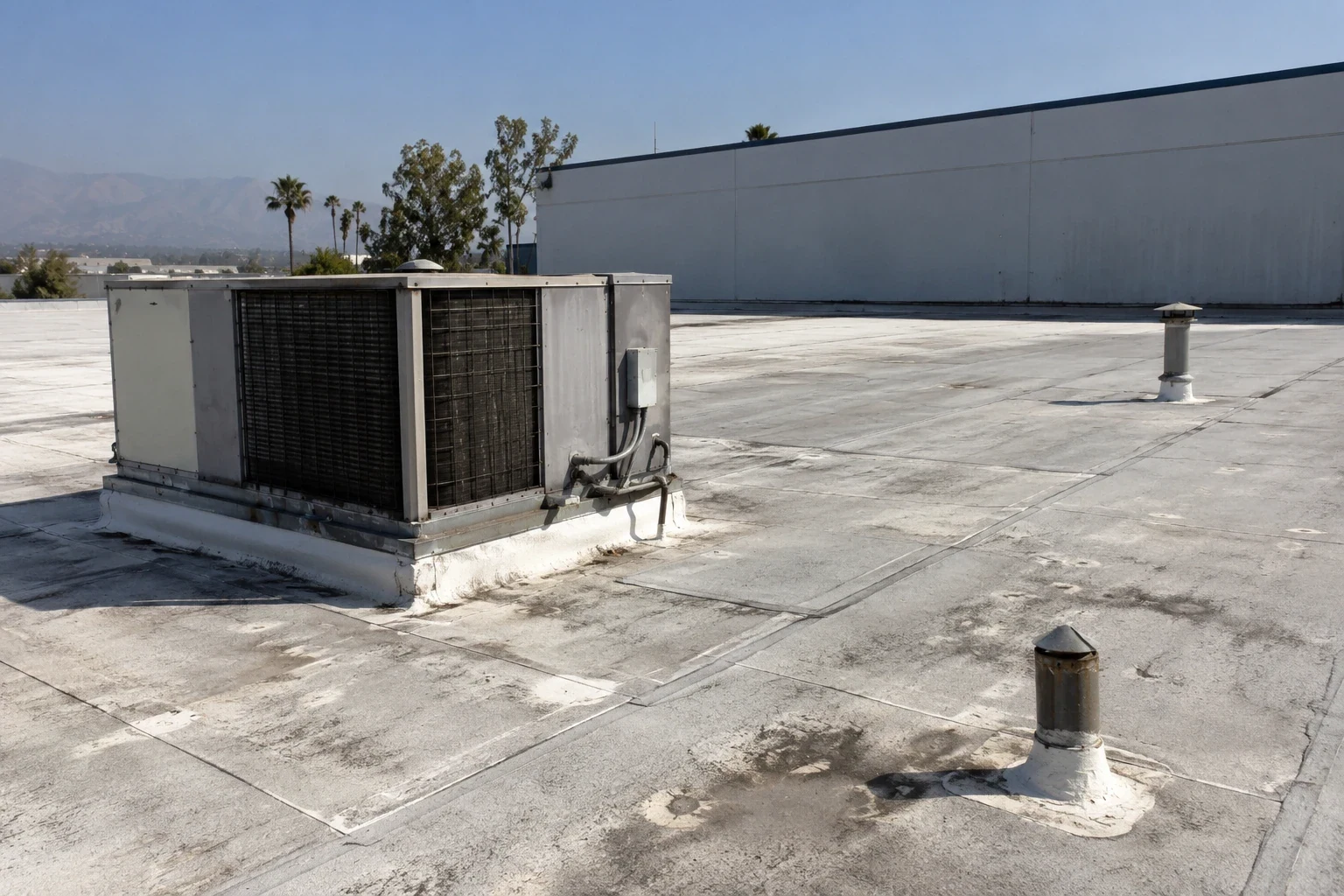
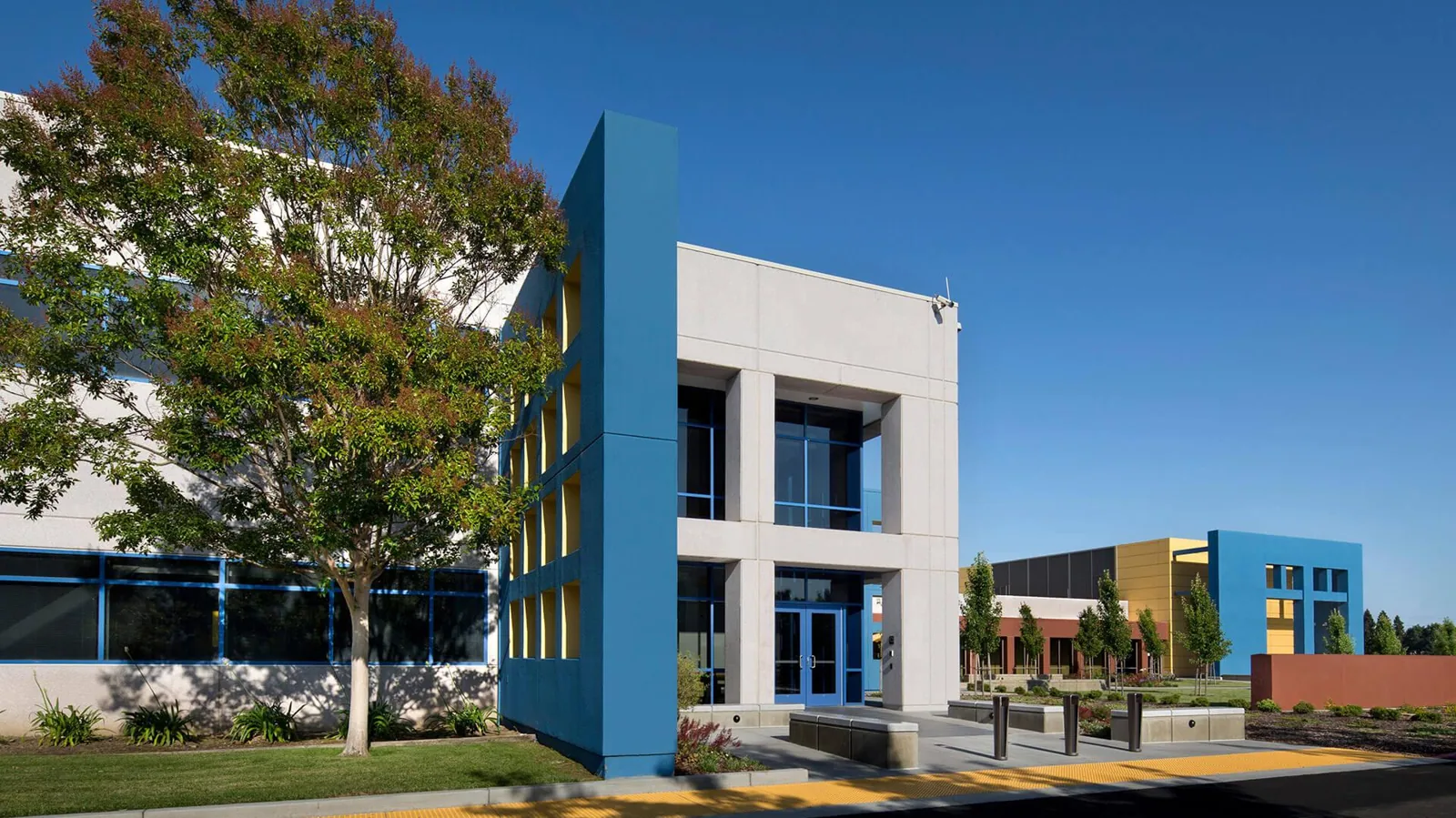
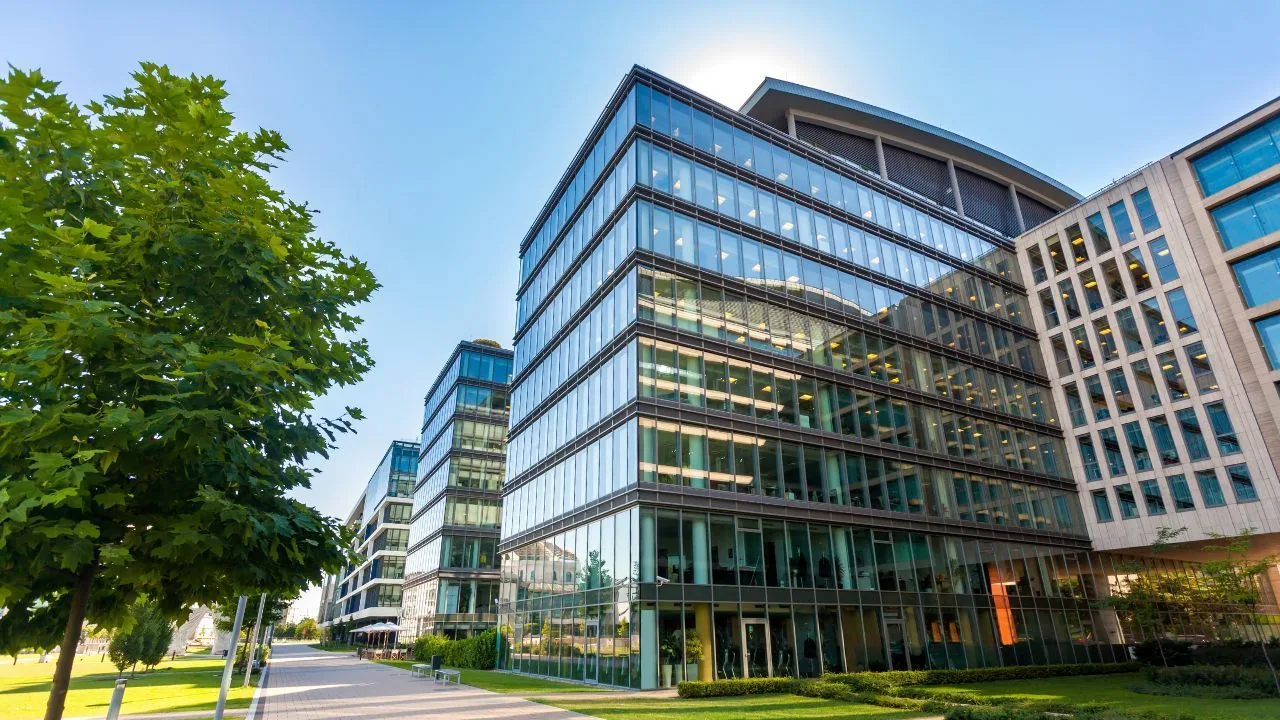
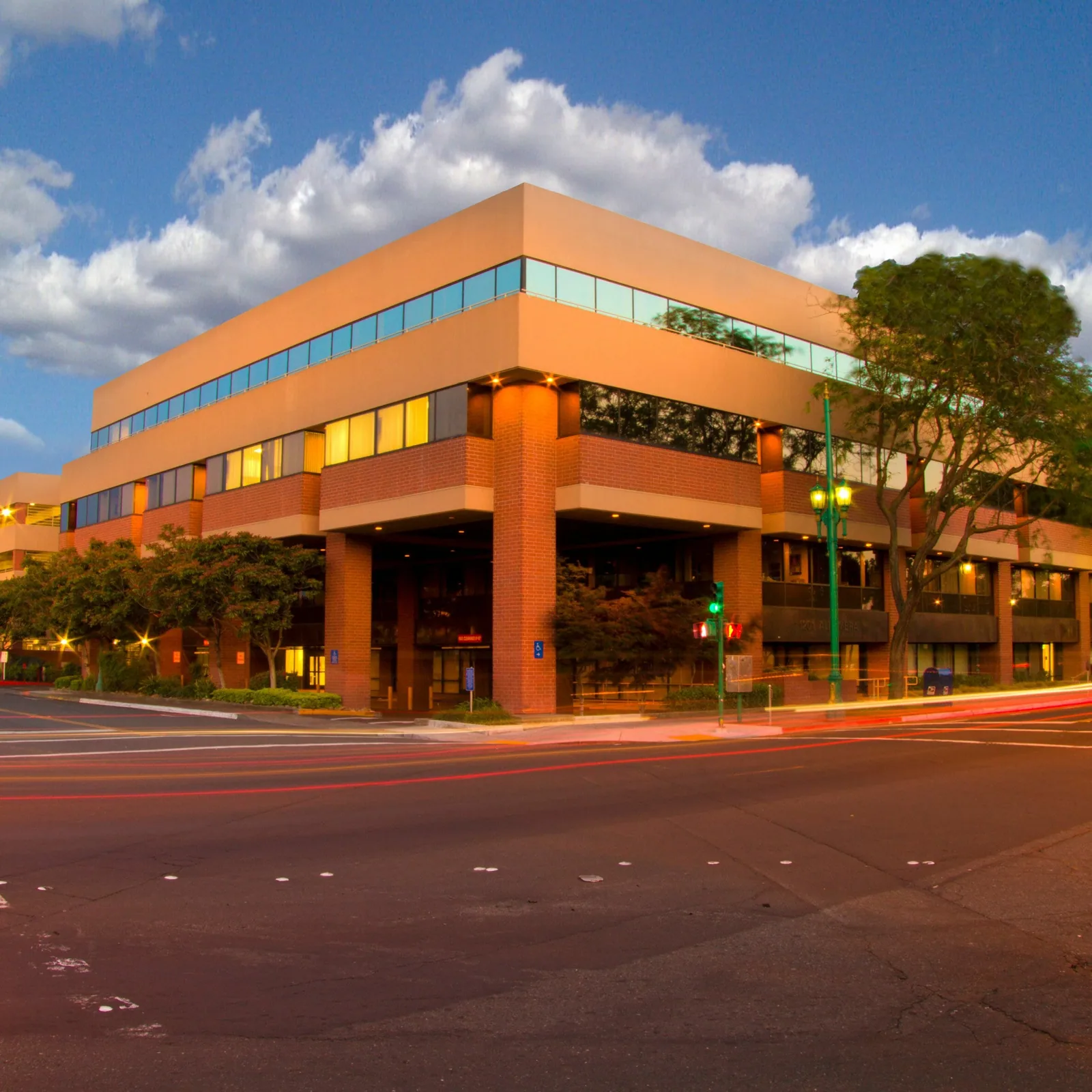
We document seams, penetrations, curbs, drains, edge metal, prior repairs, and any area the crew could not reach. At offices, office roof service may need coordination around occupied suites and rooftop equipment. For medical offices or schools, the property contact sets protected zones and entry approvals. The roof type is verified from records or field evidence, not inferred from the building's use or its location along a commercial corridor.
How do repairs fit occupied properties?
A leak ticket should identify the room, roof section, operating restriction, and person who can approve access. We separate immediate protection from permanent correction, then note what evidence would widen the repair. A grocery property, shopping center, or public building each needs an owner-approved path and work window. We plan ties, interior protection, and daily closure from the actual site instructions instead of treating a property category as a standard operating profile.
What supports a longer-term roof choice?
Recurring failures, moisture across multiple sections, or unstable attachment may justify testing or a wider scope. A repair, recover, or replacement choice follows review of the roof layers, drainage pattern, transition details, and authorized access. A temperature-controlled property or data center should have its own continuity and equipment requirements documented by its facility contact. The next work order can then carry confirmed findings into a capital review without applying one building's roof history to another.
Commercial Roofing Questions
Does the building's use identify its roof system?
No. We confirm the installed assembly from property drawings, visible transitions, and field evidence before specifying repair materials.
What changes between a warehouse and an occupied office?
Access, operations below, equipment routes, and approved work hours change the sequence. The site contact defines limits for the building being inspected.
Can a roof scope cover several property types at once?
A portfolio review can compare locations, but each roof retains separate drawings, condition notes, quantities, and approvals. We keep the work order tied to each asset.
When should a property manager request testing?
Suspected concealed moisture, repeated failures, or movement beyond a patch can make testing useful. We identify the location and decision it will inform before opening material.
Request a Roof Assessment
Share the property type, roof plan, operating limits, and reported condition. We will verify the section and document the work sequence it requires.