
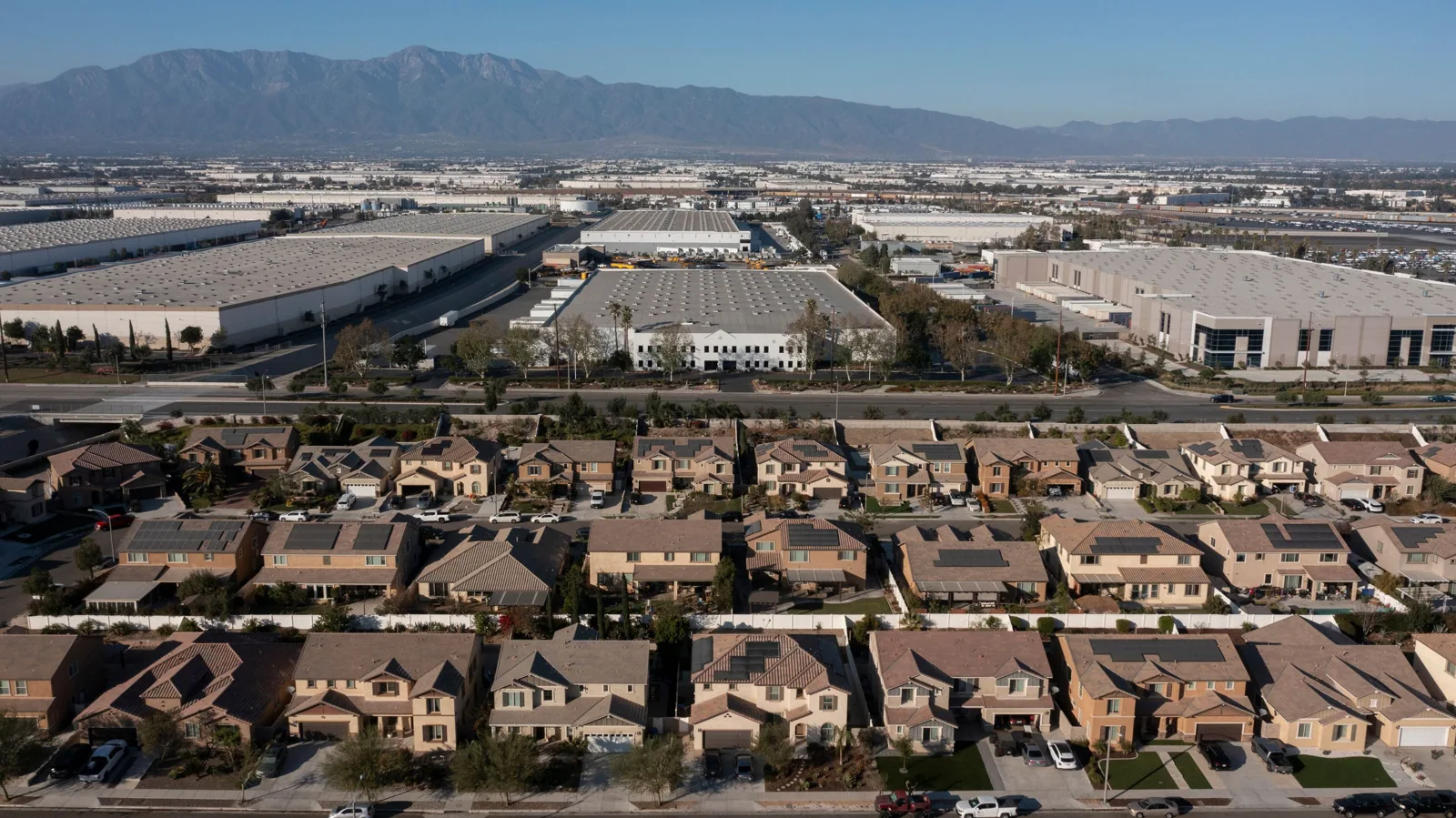
Fontana roof inspections should account for loading below: confirm the reported section, approved access, and operating limits before setting the inspection route. We first confirm the affected area, who can approve access, and which operations must stay open. Then we identify the roof section above the report and trace seams, curbs, drains, and edge transitions along an approved path. In Fontana, the Southwest Industrial Park plan describes trucking, warehousing and distribution, and vehicle storage as principal development orientations. That context makes access windows and equipment movement useful planning inputs, while the building's own records and field conditions determine the roof work.
The plan describes 55 parcels averaging 7.03 acres and places the area between I-10 and the county line, generally bounded by Jurupa Avenue, Etiwanda Avenue, and Mulberry Avenue. Those are parcel and planning details, not measurements of roof area or a claim about any one property. We use the property identifier, roof plan, and contact instructions to set a work boundary. A Rialto service route and the Ontario service area can support coordination across the wider market, while a Fontana assignment stays tied to the site approved by its owner.
What should the first roof walk establish?
Before climbing, we review the leak ticket, repair history, roof drawings, and the route the building contact has authorized. The contact identifies an entry point, any escort requirement, active loading areas, equipment paths, and sections that cannot be crossed. On the roof, we label the reported section and follow the likely path from the interior symptom outward. We check membrane seams, wall transitions, penetrations, curbs, drains, and perimeter details. Each finding gets a location and photo reference that another shift can use without repeating the search.
Industrial and distribution work may involve multiple roof sections, but the plan's parcel count does not establish how many roofs a particular operator has. We verify the building and assembly from its own documents or visible details. If a drawing uses a different label from the roof hatch or field marker, we resolve that discrepancy before the name appears on a ticket. A hands-on inspection can document the accessible route. A condition report with photos can separate observed defects from areas that were not reached.
At each drain, we inspect the membrane connection, visible debris, and the route water can take across the surface. At curbs and penetrations, we look at corners, flashing, and seams where different materials meet. At the perimeter, we record termination and edge-metal conditions that may affect attachment or tie-in work. A stain below is a useful starting point, not a repair location by itself. When water could have traveled beneath the surface, we mark the area for additional testing rather than expand the repair boundary from appearance alone.
How do we keep the work route usable?
A truck path, staging area, and roof access route should be agreed before materials arrive. We ask which lanes must remain clear, when receiving activity peaks, who can move equipment, and where the crew may safely stage. The work order records the approved route and the section limits. If a lift, ladder, hatch, or roof zone is unavailable, we identify that limit and reset the sequence with the responsible contact. We do not treat a general plan boundary as permission to enter a property or cross an active operating area.
For a localized leak, the first visit may need interior protection or temporary dry-in before a permanent repair can be completed. We identify the opening, secure it for the immediate condition, and document the return work required. A stable membrane around a small defect may support a local patch. Wet insulation beyond the opening, loose attachment, recurring seam separation, or a compromised deck can make a wider review necessary. The ticket identifies which observation changed the scope so a manager can approve the next action without confusing containment with completion.
For work that touches several sections, a phased reroof sequence can define daily openings and closeouts. A leak investigation follows the reported water path; a rapid response visit can address an active opening when normal scheduling cannot wait. Each route still needs the contact, access rules, and tie-in point confirmed before a crew begins.
When does a repair need a larger review?
A confined repair is viable only if inspection finds a sound substrate and a clean boundary around the failed material. The crew then prepares the verified surface and joins compatible material at that limit before checking the connection. If several patches have failed in nearby sections, moisture appears beyond the visible entry, or attachment is moving, a repair-only scope may not address the condition. A targeted moisture survey or test opening can help establish how far the affected area reaches. We state why that step is needed before any opening is made.
Replacement or recover planning depends on the existing layers, attachment, moisture, drain elevations, curbs, and perimeter transitions. A recover evaluation checks whether the existing assembly can remain under a new system. A replacement scope sets removal, substrate review, and tie-in sequence. The estimate should identify access, staging, interior protection, material removal, detail changes, and safe daily closure as separate drivers. It should not infer roof size from the Southwest Industrial Park's parcel acreage.
When a building owner has work in more than one part of Fontana, consistent roof-section labels and work-order identifiers make records easier to compare. A roof register can retain dates, photos, repairs, and open recommendations under the owner's asset IDs. A capital review can then place a confirmed repair beside testing or replacement options. The next decision stays connected to field evidence, not to the area's trucking or warehouse designation.
What belongs in the handoff?
At the end of a shift, the work record should show what was opened, what was secured, which materials were installed, and where the crew stopped. We attach photos to roof-section labels and identify whether the correction is permanent or temporary. If a drain, curb, or equipment zone remains inaccessible, the report carries that limitation forward with the person who can resolve it. This makes the next visit a continuation of a defined work order rather than a fresh diagnosis.
Owners can provide roof plans, prior tickets, warranty paperwork, operating windows, and the contact authorized to approve entry. We confirm whether interior protection or coordination with another trade is needed before selecting a work window. Scheduled maintenance can record conditions that merit follow-up and separate completed tasks from later recommendations. For an active leak in Fontana, share the affected room or work area and any immediate access restriction so we can set the first safe route.
Commercial Roofing Questions
Does the Southwest Industrial Park parcel average describe roof size?
No. It is a planning description of parcels, not a measurement of a building or its roof. We use the property's roof plan or field measurements to define the actual scope.
Can a repair be completed around truck movements?
We confirm loading windows, staging limits, roof entry, and any route that must stay clear with the site contact. The work order records the sequence and the areas the crew is authorized to reach.
What do you need before inspecting a reported leak?
Send the room or operating area affected, the latest ticket, available roof drawings, and the person who can authorize access. We will compare the report with the roof section and document the inspection boundary.
When should we test beyond the visible leak?
Repeated failures, suspected wet insulation, or movement around nearby seams can justify targeted testing. We identify the reason and proposed locations before opening material or widening a repair.
How is temporary dry-in recorded?
The ticket marks the protected area, method, date, and permanent work that remains. That keeps an urgent measure distinct from a completed correction when another shift takes over.
Related Roofing Work
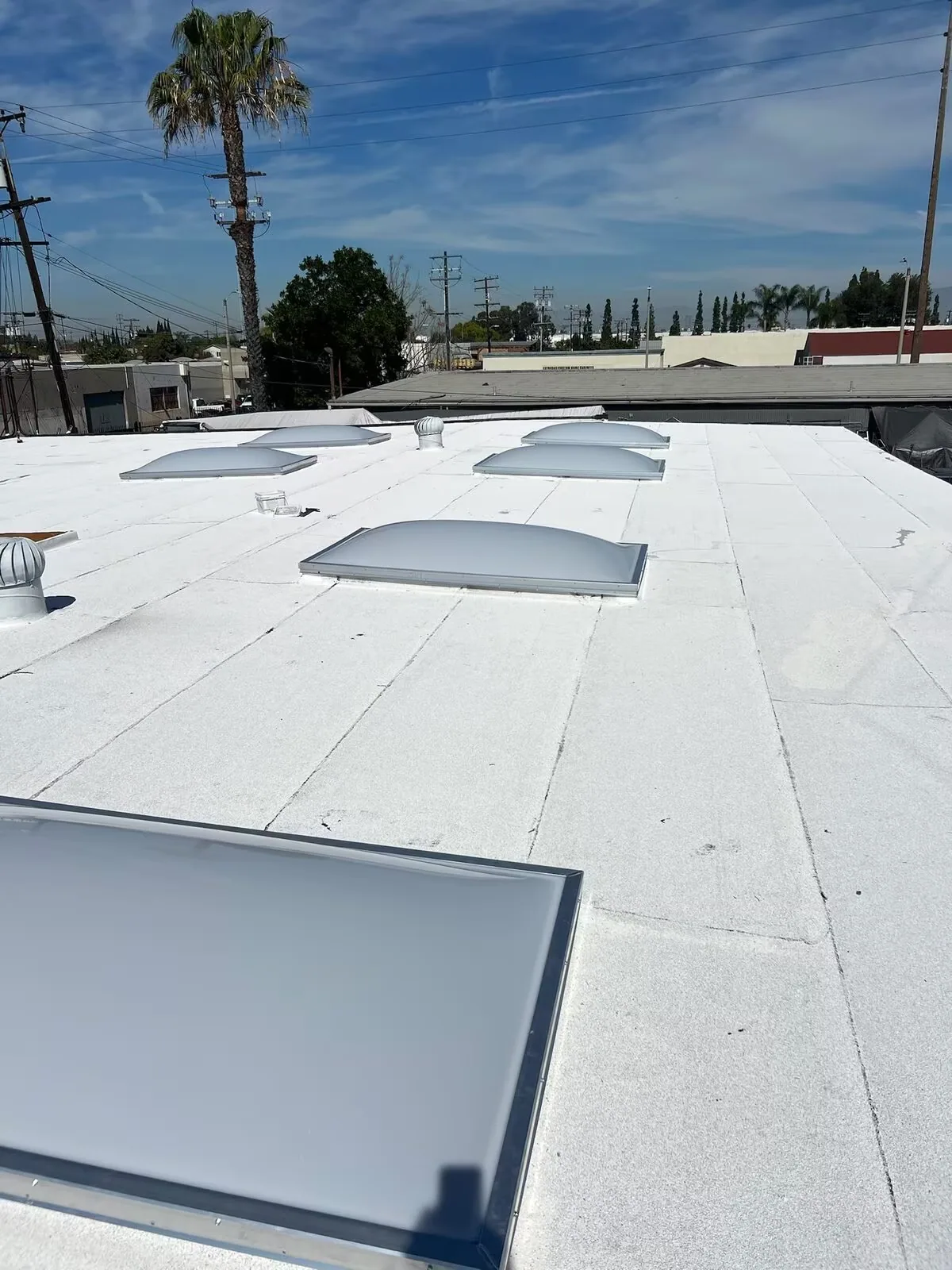
Set a Fontana roof inspection route
Share the property identifier, roof records, reported condition, approved access path, and operating window. We will document the reachable section and define the repair, test, or capital review that follows.