
A photo of a loose lap is difficult to use when it has no roof-zone label. We build the condition report from a mapped inspection route, with each image tied to a section, detail, and next action. The facility director can see what the crew observed, what remains uncertain, and whether a repair ticket, test, or capital review follows. That makes the document useful to the person assigning the work after the walk.
The General Plan identifies commercial nodes on several Rialto streets and separately maps industrial and warehouse patterns. A condition report can use those broad tags but must retain the inspected property's roof-section names. These market references help orient asset records; they are not building-level roof evidence. The Rialto corridors overview can accompany portfolio context, but the report itself names the property and roof areas actually inspected.
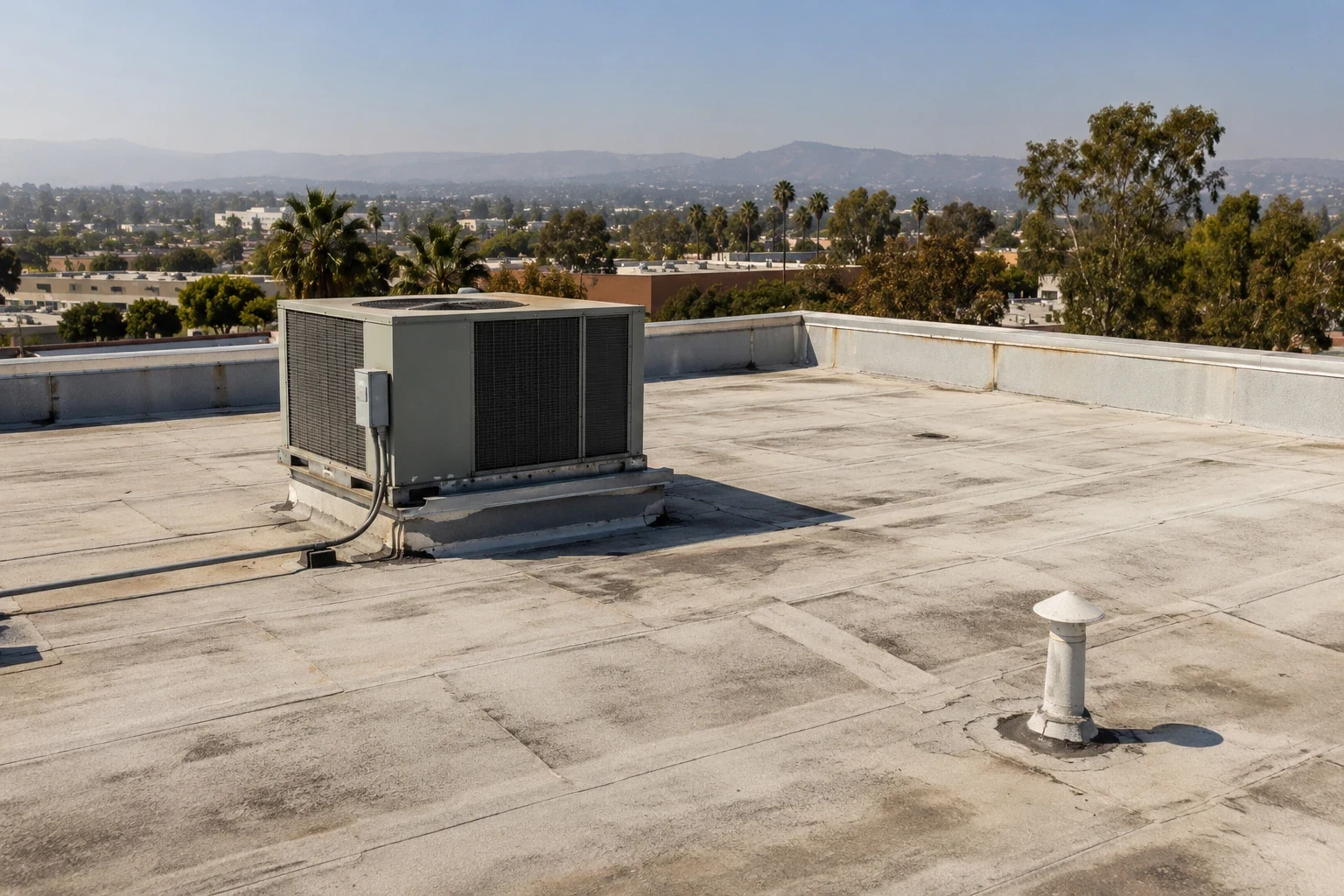
What should each photo identify?
Every image should carry the building, roof section, date, and a short detail label. A photo of a drain needs the drain name or plan location. A seam image should show enough surrounding field to place it, then a closer view of the opening or repair. For a curb, include the flashing turn-up and the equipment reference. A consistent frame lets another employee return to the same point without relying on the original inspector.
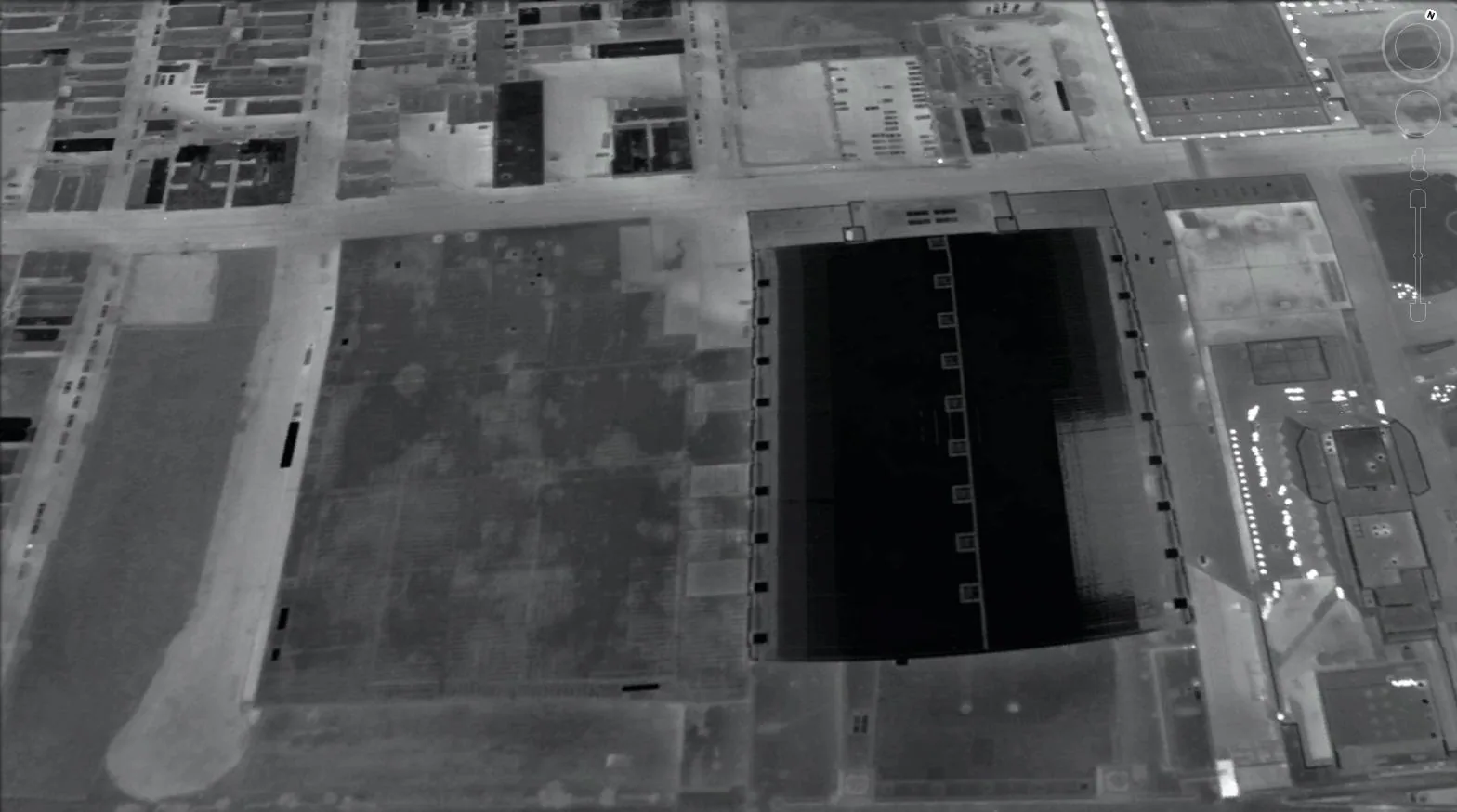
We use overview, mid-range, and close-up images where they answer different questions. The overview ties the defect to a roof section; the closer frames show attachment, edge condition, or material separation. Photos should not imply dimensions or hidden damage that the camera cannot establish. A hands-on inspection supplies the route and observations behind the report. If image patterns suggest concealed moisture, an infrared survey may help select a place for physical confirmation.
Keep the original image associated with its caption and report item. If a later repair changes the condition, add a dated follow-up rather than overwriting the first image. That preserves the sequence: what was present, what was done, and whether a later visit found the same issue or a new one.
How should a report separate evidence from diagnosis?
Use direct language for visible conditions: an open lap, a split boot, loose metal, debris at a bowl, or water at a low point. Then state what the observation may mean, with a clear note when confirmation is needed. A ceiling stain and a roof opening are two separate observations until the water path is traced. The report should not label a suspected wet area as confirmed moisture without a test or physical evidence.
Rialto's climate adaptation plan names heat among citywide hazards and says hot days are a regular condition. That planning context does not establish roof-level heat exposure or damage. In the condition record, describe the membrane, seam, sealant, and repair surface that were actually reviewed. If the owner wants to compare a recent observation with prior seasons, use dated photos and maintenance history rather than a predicted performance claim.
Testing should answer a decision question. A core sample may identify layers and moisture at the sample point; infrared can show patterns that warrant further inspection under suitable conditions. Neither method makes every untested area known. The report should map the test locations and state what the results can support. A drain and scupper review can similarly separate outlet condition from membrane damage nearby.
How does the report become an assigned task?
Each report item should have a disposition: correct now, contain and return, test, monitor, or include in capital review. The recommendation names the roof boundary, preparation, likely tie-in, and any access or trade coordination that affects the work. Do not combine several unrelated details under a single “roof repair” label. A manager needs to know whether the request is a drain cleanout, flashing correction, seam repair, or larger assembly question.
A repair work order can reference the report photo and roof plan, then state the preparation and completion check. If deterioration spans separate sections, a replacement assessment can define a broader scope. The report should identify which conditions support each option and what test would change the recommendation. This lets procurement compare proposals against the same work area and assumptions.
When access was limited, label the area not inspected and the reason. The condition record should not use a partial route to describe a whole building. For an active leak, separate temporary containment from permanent correction and assign a follow-up owner. A closed ticket should have completion evidence attached to the original location.
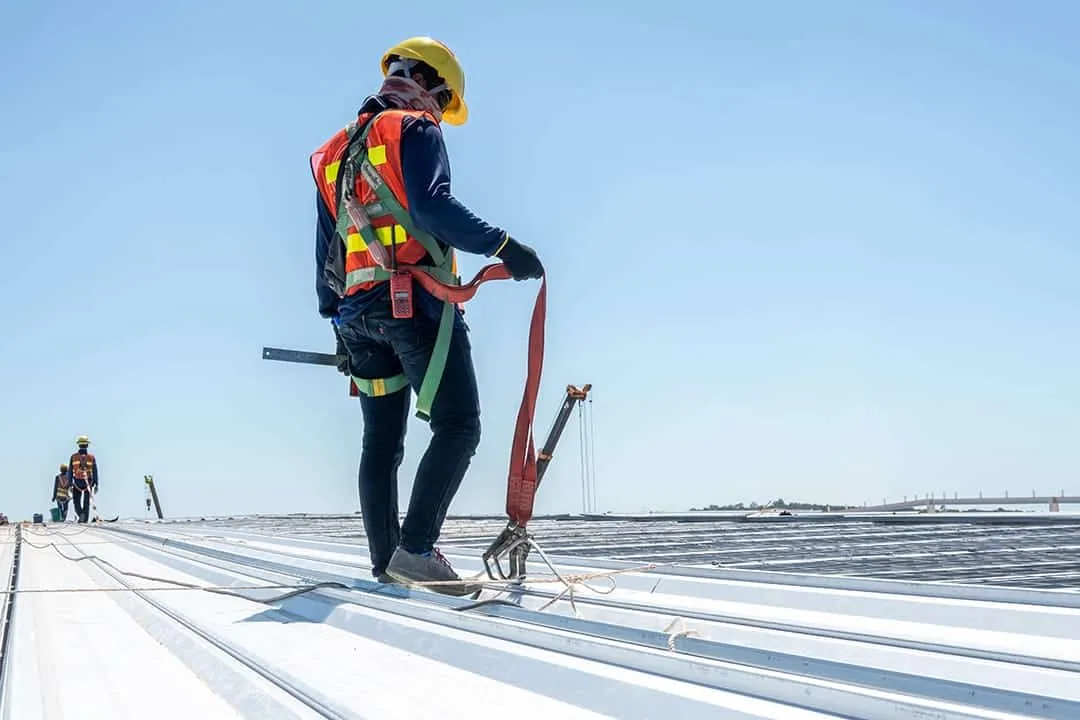
Which local details belong in the record?
City planning uses the Rialto Commercial Corridors label to group distinct street locations; the roof record should still carry one property identifier and site-specific findings. Gateway is a planning district with more than one permitted land-use category, not a substitute for the building's roof plan. They can support a portfolio's location index, but neither replaces the parcel, building, and roof-zone identifiers that make a report actionable. For an industrial asset associated with the Agua Mansa planning area, document that only the Rialto portion is in this local view.
For construction proposals, the City's code office conducts plan review and field inspections under state standards and municipal ordinances. The applicable path depends on the proposed work. The report can identify when a recommended correction may need design or permit coordination, but a field observation does not establish the project's approval path. The owner should keep the applicable design documents and City review with the repair or capital file once the scope is defined.
Use the same naming system for roofs along Foothill Boulevard and industrial properties closer to the rail lines only if it works for the owner's maintenance team. Each record needs enough detail to find the correct roof section, not a generic district label. A roof asset register can connect those reports to inspection dates and repair history while retaining distinct property records.
What should travel with the report?
Include the roof plan or field sketch, photo index, route completed, access limitations, test locations, repair history reviewed, and an action list. Identify the person who received the findings and the date they were assigned. When a project is postponed, preserve the interim measure and a recommended revisit window. The report should help another shift understand what remains open without a verbal briefing.
A capital planning file can use condition records to compare repair, testing, and replacement needs. For scheduled upkeep, a preventive maintenance visit can revisit drains and other details previously marked for attention. Keep the completed work evidence beside the original item, not as a loose photo in a separate folder. That closes the reporting loop and provides a traceable base for the next inspection.
Before we visit, share roof drawings, prior reports, open work orders, access rules, and the name of the person who can approve testing. Tell us whether the audience needs a field list, a budget summary, or both. We can set the report format around the decision while retaining the locations, images, and limitations that support it.
Commercial Roofing Questions
Can a condition report include only one roof section?
Yes. The report can define a selected area and list any neighboring sections left outside the walk. That boundary keeps the findings aligned with the inspection actually completed.
Are photos enough to confirm hidden moisture?
No. Photographs show visible surfaces and details. Infrared patterns or a core opening may help answer a hidden-layer question, but the method and test area should be stated.
Can the report rank urgent and planned work separately?
Yes. We can separate containment, permanent repairs, tests, monitoring, and capital candidates, then identify the evidence and next owner for each item.
What if the roof map is outdated?
We can label visible sections on a field sketch and confirm names with the facility contact. The report should note which drawing or sketch was used so the owner can update its records.
Does the report include repair pricing?
It can define the work boundary and cost drivers. A repair proposal should state preparation, access, material tie-ins, exclusions, and how completion will be checked.
Related Roofing Work
Get a report tied to roof sections and next actions
Share the roof plan, prior reports, open tickets, access rules, and intended decision. We will map the inspection route and organize photographs and recommendations by location.