
A dispatch plan changes when a roof repair closes an access lane or interrupts a building system. Before we set the crew sequence, we locate the reported condition by roof section, learn the dock and receiving schedule, and identify any equipment that must stay available. Then we inspect the roof above the affected operation, tracing seams, penetrations, drains, curbs, and perimeter details. The work order can separate containment from the permanent correction and show what the owner needs to decide next.
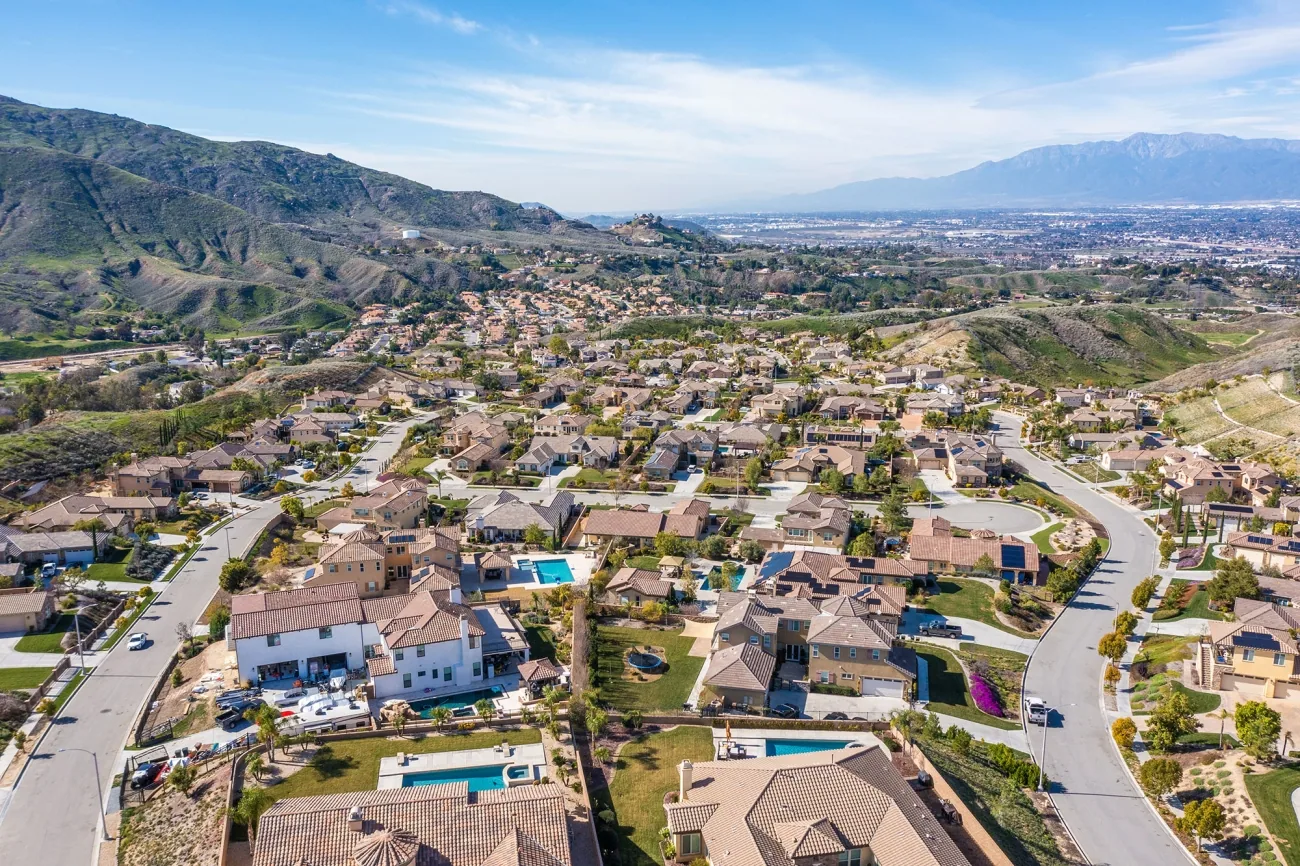
Rialto's General Plan describes industrial and warehouse uses in northern and southern parts of the City and near rail lines. The Rialto portion of the Agua Mansa corridor is one local planning geography where industrial land use is prominent. A roof inspection still documents the particular assembly, access route, and conditions at the property.
What changes when dispatch continues during roof work?
A distribution operation may have receiving, outbound staging, refrigeration, conveyors, or charging equipment active on different schedules. We ask which zones can be isolated and who can authorize a short interruption before planning work near rooftop equipment or interior systems. The facility contact identifies truck paths and the roof access point. We keep material staging outside designated travel areas and sequence repairs so an open section can be protected before the crew moves elsewhere.
The circulation plan directs designated truck movement away from homes and other sensitive locations. That city planning fact describes transportation routing, not a delivery route to an individual building. At the property, the logistics contact provides the current gate and dock instructions. Where reroofing must proceed while operations continue, an occupied-building roof sequence can organize phased openings, daily dry-in, and communication for the floor team.
How do roof drains relate to the dock area below?
We mark each drain, scupper, downspout, and low point against the roof plan, then compare that path with any reported interior water. A leak at a dock may come from an edge, wall transition, drain connection, or a separate opening upstream. We inspect the roof route rather than assuming the closest penetration is responsible. The closeout record identifies the affected section and describes whether the drain, surrounding membrane, or an adjacent detail needs service.
Debris at a bowl or a change in roof elevation can slow drainage. We check whether the membrane approaches the inlet cleanly and whether a proposed repair or new layer changes its height. A drain and scupper inspection can keep collection points on a separate work order from membrane repairs. That matters when a facility is scheduling maintenance outside the receiving peak; a drain crew and a repair crew may need different access and floor protection even when they work in the same roof section.
Which roof conditions affect a distribution center?
We inspect the field membrane, seams, fasteners, curbs, penetrations, skylights, edge metal, and previous repairs. Repeated equipment supports can create small flashing details that are easy to miss from an interior leak report. We note whether a seam is open, a patch is loose, or a penetration boot has pulled away, and whether the condition is active. If the roof assembly is not fully visible, records or selective sampling may be needed before the repair scope includes concealed insulation or deck.
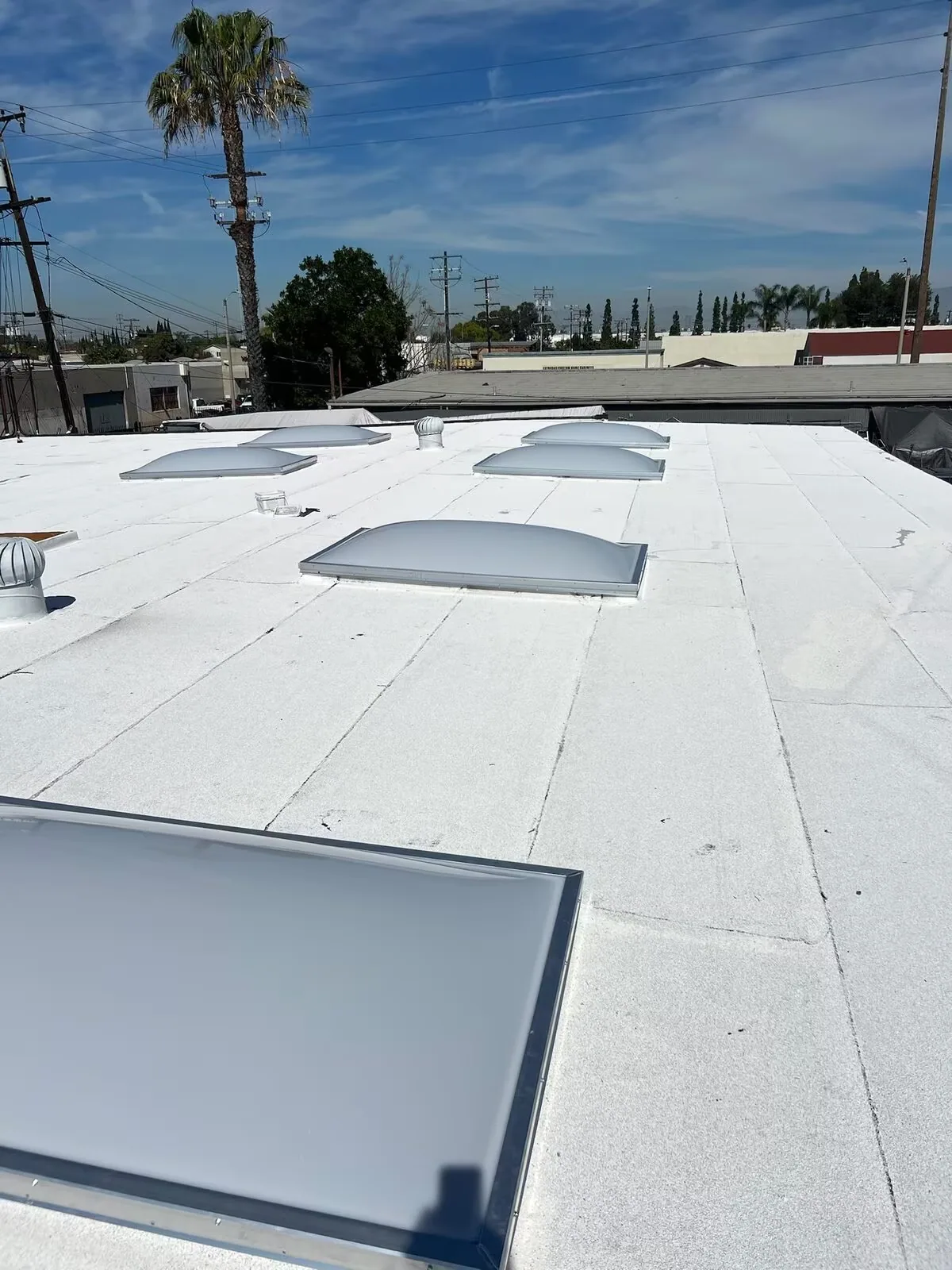
Rialto's climate planning identifies extreme heat as a citywide hazard and describes hot days as regular. This informs the local planning context; it does not establish a heat problem on a particular distribution center. We record the observed surface condition and the condition of sealants, lap edges, and past repairs during the visit. If the assembly is suitable, a TPO roof system may be evaluated against other options for a new or replacement membrane. The decision depends on substrate, attachment, drainage, details, and operations.
How do findings become useful across roof sections?
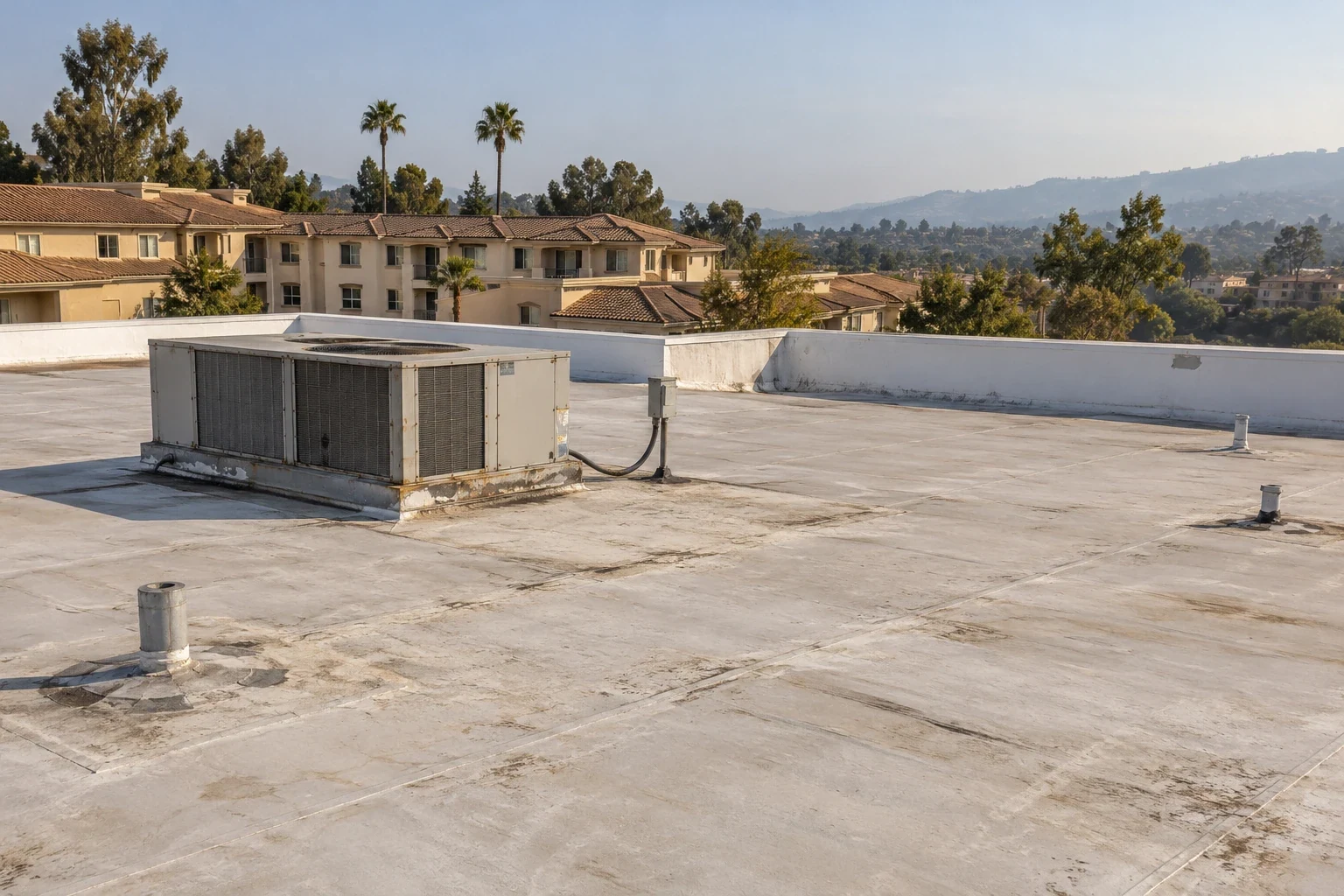
One photo per defect is not enough when several bays look alike. We label observations by roof section and establish a repeatable point, such as the nearest hatch, drain, or grid reference provided by the facility team. Each entry includes the condition, the action proposed, and whether the item requires immediate containment, planned repair, or another inspection. This lets maintenance staff match the work order to the right part of the building and compare later visits without relying on memory.
For a portfolio of distribution properties, the same field names can support an asset register, but each roof keeps its own evidence and limitations. We do not transfer a repair finding from one operation to another. A related warehouse roof review may have similar storage concerns, while a manufacturing plant roof assessment may add process equipment and exhaust details. The comparison helps an owner ask the right question without assuming the assemblies are interchangeable.
When should the owner choose repair, recover, or replacement?
A repair makes sense when the affected area is localized and surrounding membrane, insulation, and attachment remain suitable. A recover can be considered when existing layers are eligible and the new assembly can terminate properly at drains, curbs, walls, and edges. Widespread wet insulation, unstable substrate, or repeated failures may support replacement instead. We map the evidence and state which questions remain open before the capital decision.
Timing changes with roof access, weather exposure, material handling, removal, deck work, and how much of the operation must continue through each phase. A replacement scope can be staged by roof section, with daily dry-in limits coordinated in advance. We identify the loading and equipment constraints that could affect sequence, then describe the work zone and expected handoff. For a smaller confirmed failure, the crew can use a repair ticket that records the tie-in and photographs without reopening the full roof decision.
What should the closeout leave with operations?
The facility team needs a clear handoff: what was inspected, which sections were not accessed, what the crew repaired, and what still needs attention. We include photo references and note any test or access limitation that affects interpretation. If the repair is temporary containment, we label the next permanent step and the condition that should trigger it. A service record that names a zone and a task is easier to route than a general note that says only to watch the roof.
In Rialto, named areas such as Agua Mansa and the commercial corridors are planning-scale geography. They help orient a request, while each property's dispatch schedule, roof sections, and drains determine the actual plan. We can include the right facility contact, access window, operating restrictions, and drawings in the first work order. That keeps the roof decision linked to operations from inspection through closeout.
Commercial Roofing Questions
Can roof work be scheduled between receiving shifts?
We can build the crew sequence around agreed access windows, weather protection, and areas that must stay open. The facility contact confirms dock activity and equipment restrictions before the schedule is set.
What if a leak shows up far from the roof opening?
The interior location is one clue. We follow the roof section and drainage path, then inspect seams, penetrations, curbs, and edges that could carry water toward the reported area.
Do you need to close a dock to repair the roof above it?
Not in every case. We determine whether the area below needs protection or an exclusion zone, then coordinate a safe work period with operations before mobilizing.
Can a distribution center use a phased reroof?
Phasing can keep selected areas in service when access, tie-ins, weather exposure, and end-of-shift dry-in are planned. We map the sequence and identify the zones affected each day.
What records help when several buildings are involved?
Provide roof plans, prior scopes, open leak tickets, and the preferred building and section names. We keep each property's findings distinct and align the report labels with your register.
Related Roofing Work
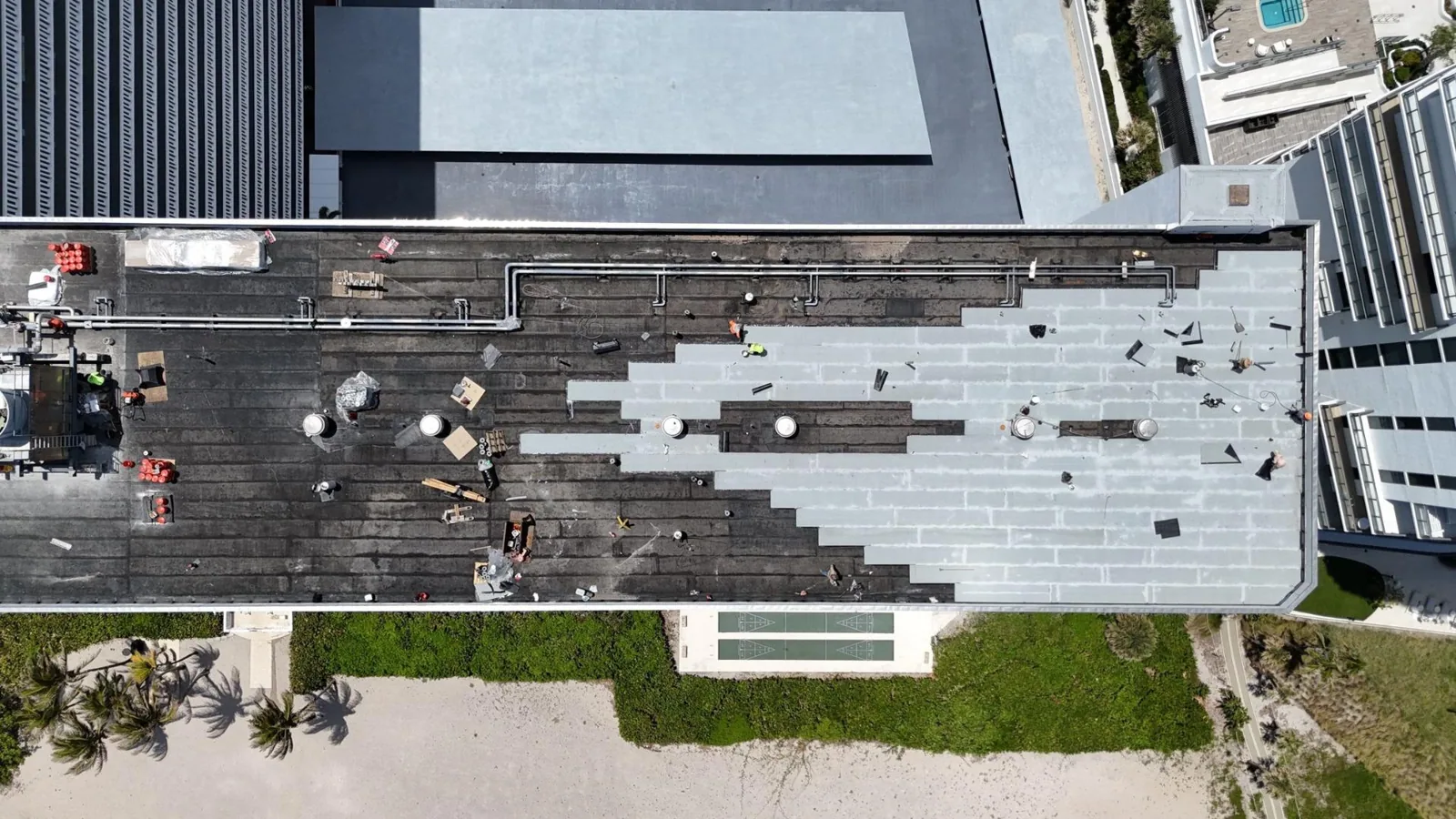
Plan the roof route around dispatch
Share the affected roof section, dock or equipment schedule, prior repair records, and access instructions. We can organize the inspection route and identify which work can be phased.