
On a warehouse roof, the receiving lane below belongs in the inspection plan: map reported moisture to the section above before tracing a drain, seam, curb, penetration, or edge. First map the wet area to the roof section above it, then check whether water is moving from a drain, seam, curb, penetration, or edge. We set the inspection route around the facility's access window and the activity below. That sequence helps isolate an urgent repair from a larger condition that belongs in the capital review.
Rialto’s General Plan places industrial and warehouse activity close to rail corridors, with mapped areas in the northern and southern city. The Agua Mansa Specific Plan also covers an industrial planning area that spans several jurisdictions. For a building in the Rialto portion, our Agua Mansa corridor service area gives the regional context, while a hands-on roof inspection records the property-specific conditions.
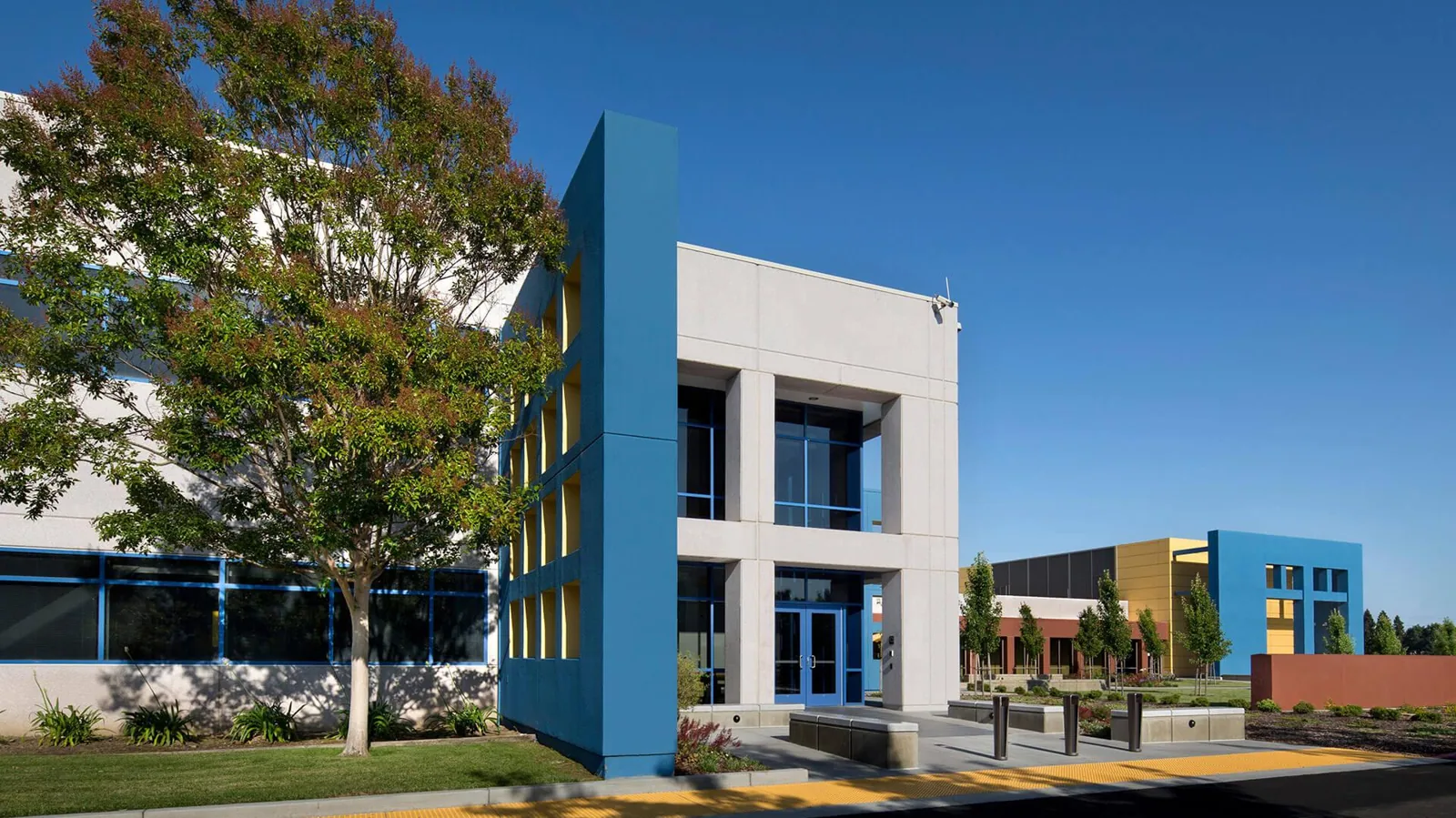
What should the roof register show?
Warehouse roofs often have long field runs, repeated penetrations, loading-side edges, and several drainage zones. We break the assembly into sections that a facility director can recognize from the floor plan and the roof access route. Each entry records the membrane or panel type where known, visible repairs, drains, curbs, edge details, and the condition that prompted the visit. A location-specific photo makes the next inspection useful; a close-up without a section reference does not.
We compare that record with leak tickets, prior scopes, warranty documents, and the facility contact's notes. If the drawing is out of date, we confirm section names before adding observations. A related use is a distribution center roof, where dispatch windows can make section labels and access sequencing especially useful. This gives the owner a clean record for budgeting without assigning an unsupported remaining life to a roof that has not been sampled.
Where does water collect across a large roof?
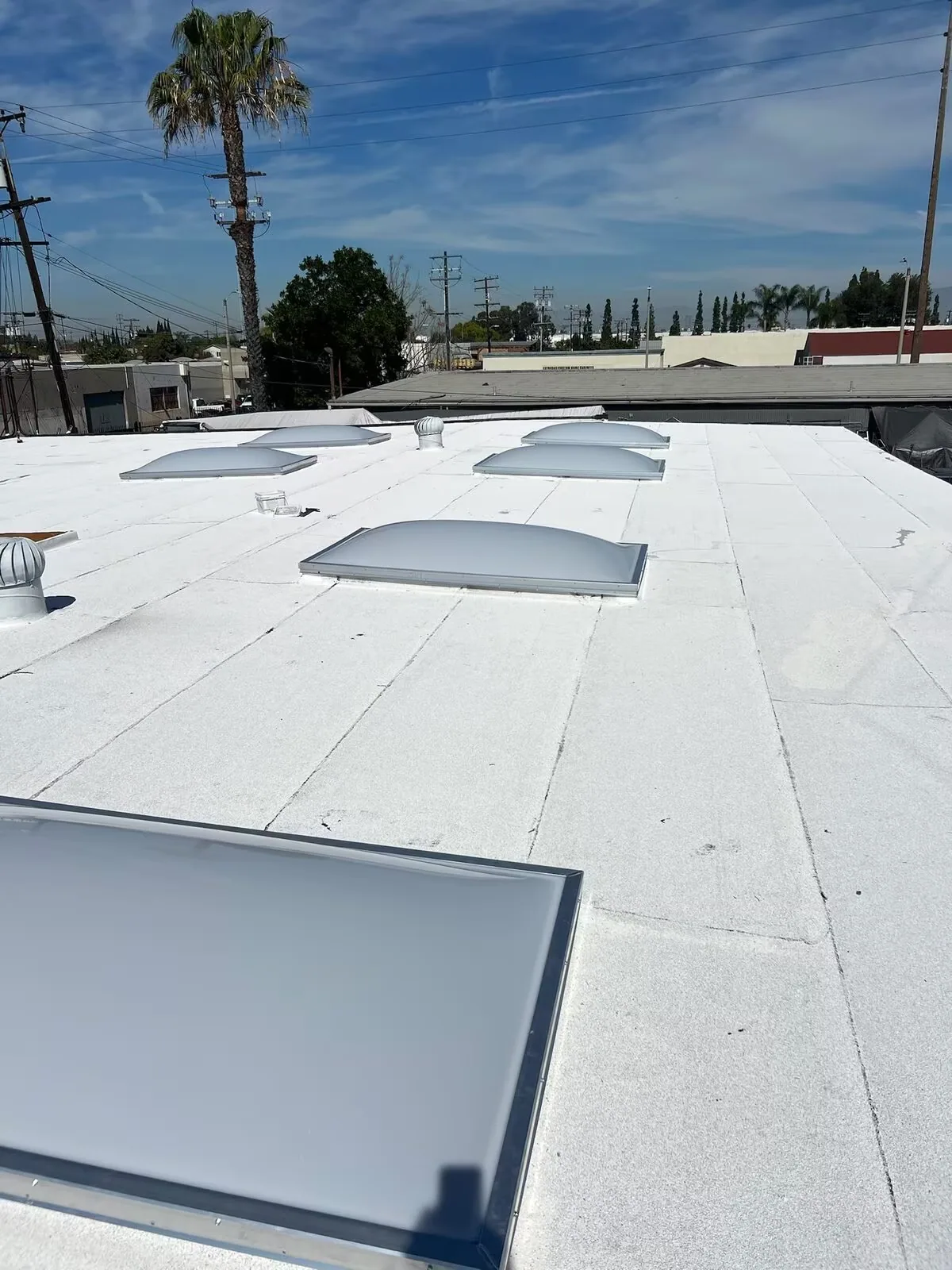
A wide roof can have more than one drain path. We check the approach to each drain or scupper, look for debris and low areas, and note seams or penetrations in the same flow route. Water that remains after drainage has occurred can point to a slope or obstruction issue; staining below may indicate a separate opening. The work order names the section, the observed condition, and the next check instead of combining every roof symptom into one ticket.
When a warehouse roof has hidden moisture concerns, visual review alone may not identify how far a wet area extends. We can use drone-assisted documentation for suitable views of areas difficult to reach, then select physical checks where a result would change the repair scope. A drain and scupper review tracks the collection points separately from membrane conditions. The two records help determine whether the next step is cleaning, localized correction, or a broader drainage design.
What gets checked across the roof field?
Seam openings, punctures, surface wear, loose patches, and repairs that have lifted at an edge can all interrupt the roof field. We check the affected location and nearby transitions, then confirm whether the membrane is compatible with the proposed repair material. If the roof has several repair generations, we note which layers are visible and where the assembly remains concealed. The repair ticket should say what failed, where the crew will tie in, and how the finished area will be documented.
Rialto's climate plan identifies extreme heat among its citywide hazards and describes hot days as a regular condition. That context makes it useful to record the actual condition of exposed seams, sealants, and prior repairs during the visit; it does not predict performance at a particular warehouse. Where storage and production share a roof, a manufacturing plant roof review may add attention to equipment and exhaust transitions. System selection still follows the substrate and roof details.
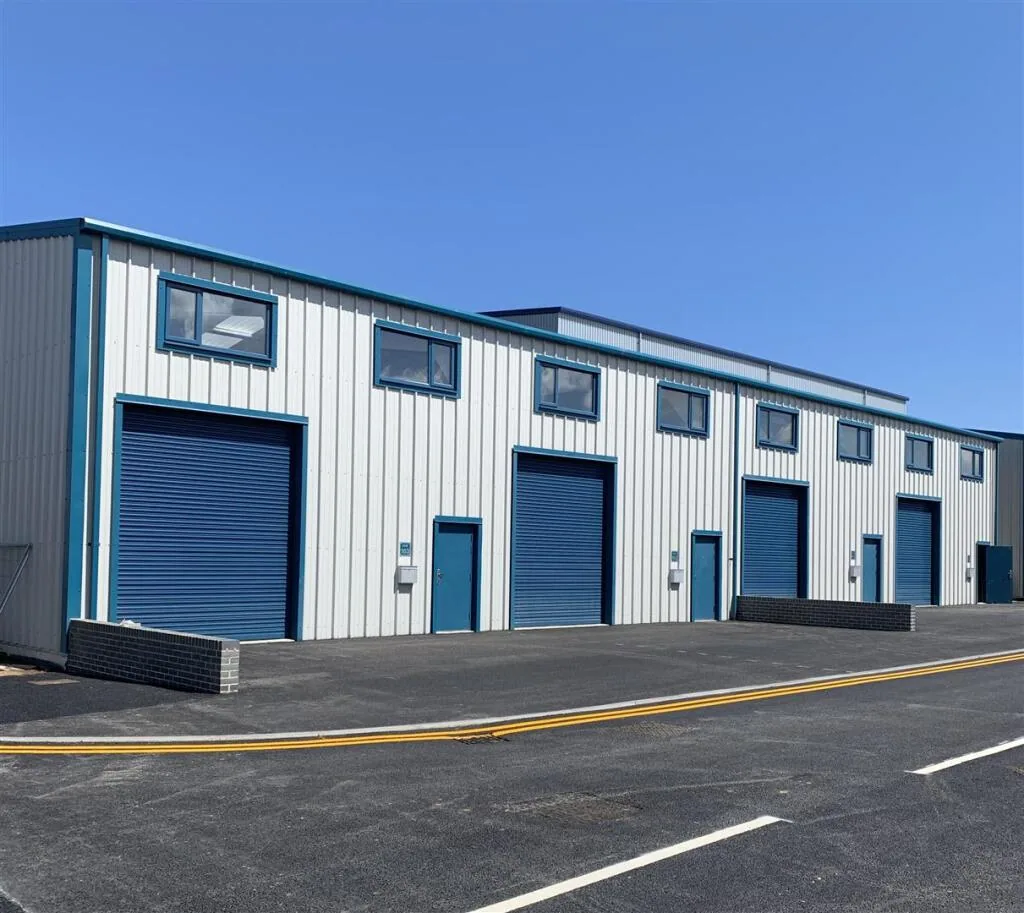
How do crews work around receiving and inventory?
A roof opening above active storage needs a plan for both the roof and the floor below. Before work starts, we confirm the access hatch, check-in procedure, lift or ladder route, staging area, operating hours, and any zones that must remain clear. If a repair requires removal or a test opening, the facility contact can identify inventory or equipment that needs protection. The crew sequence should keep exposure limited to an area that can be secured before the shift ends.
The City’s circulation update designates truck routes that steer freight away from residential districts and sensitive receptors. That is transportation context for local logistics activity, not a roof access map. At the property, we confirm the gate and receiving schedule with the facility contact, then plan deliveries and staging around those instructions. For a reported opening after wind, a wind-related roof assessment can document edge metal, membrane, and rooftop equipment conditions while keeping the operating plan visible to the owner.
When does a warehouse need more than a patch?
A localized correction fits when the affected area is bounded, surrounding material remains sound, and the repair can connect to a stable surface. Repeated leaks, moisture across several bays, deteriorated insulation, or widespread separation may call for selective removal or replacement. We identify which roof sections have evidence and which areas were not opened. The owner can then compare targeted repair with a larger scope using the same section map, operating restrictions, and test locations.
A recover may remain an option if the existing layers are suitable, dry where required, and capable of supporting the new assembly. If the deck or retained insulation is compromised, covering it can carry the problem forward. Our replacement review and recover assessment describe the findings that change the choice. Cost and schedule are influenced by access, removal, deck repairs, detail count, material selection, and how much of the warehouse must remain in service during the work.
What should the owner receive after the visit?
The closeout record should make the next decision easier. We list the roof section, observed condition, photographs, work completed, and any item that remains open. If a test could change a repair-versus-replacement decision, we state what it would verify and where it belongs. The facility director can then route urgent containment, planned maintenance, and capital questions to the right people without reconstructing the inspection from scattered emails.
For a Rialto warehouse, the local building context may include rail-adjacent industrial areas and named commercial corridors such as Valley Boulevard. Those broad planning geographies help orient a service request, but the roof register stays tied to the individual property's verified sections. If multiple buildings are involved, we keep each condition record separate and label the location clearly. That prevents a note from one roof from being treated as evidence about another building in the same operation.
Commercial Roofing Questions
Can a warehouse stay in operation during roof repairs?
Usually the work can be phased, subject to access, weather protection, safety controls, and the facility's operating rules. We confirm the receiving window and areas below before setting the crew sequence.
How do you locate a leak above a large storage area?
We connect the interior report to a roof section, then inspect the likely drainage route, seams, penetrations, curbs, and edges. Water can travel before it appears inside, so the record includes the roof-side evidence.
When is a roof recover suitable for a warehouse?
The existing assembly needs to meet the proposed system's requirements, including moisture, attachment, substrate, and transition conditions. We identify retained and removed areas before recommending an overlay.
Will a drone replace a roof walk?
No. Aerial images can help document accessible views and difficult-to-reach areas, while hands-on checks remain necessary for many details and repairs. We select the method based on the question being answered.
What information should accompany a roof repair ticket?
Include the roof section, interior location, time the issue appeared, recent observations, and any access limits. Photos from inside can help us plan the first inspection route.
Related Roofing Work
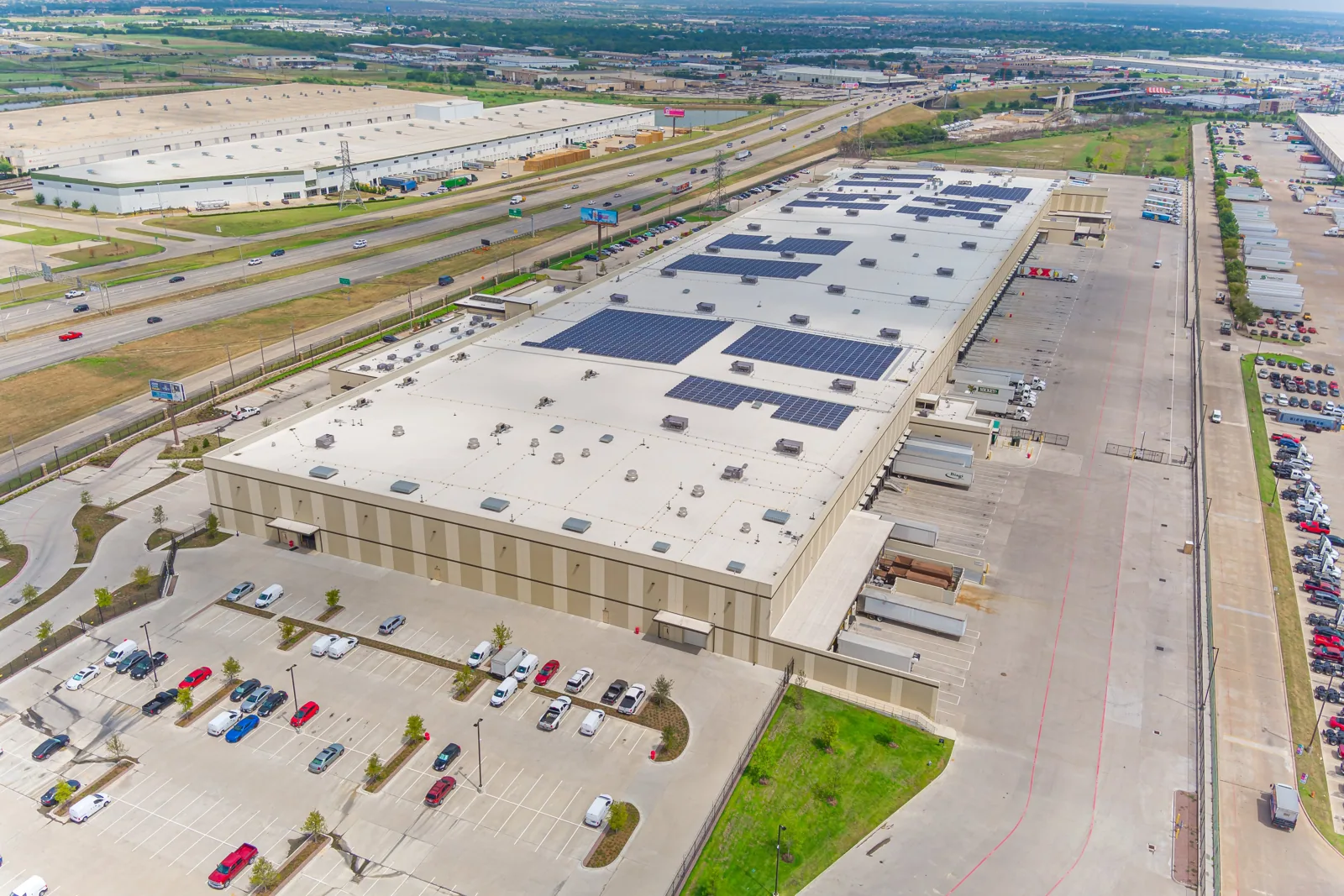
Set the inspection route for the warehouse
Share the roof plan if available, the affected storage or receiving area, prior leak tickets, and the access window. We can map the reported condition and outline the first safe checks.