The first leak work order needs the room, active work area, and safest roof access point. The stain identifies where water became visible. It may not sit below the entry point. We isolate equipment or inventory near the drip, check the ceiling assembly, and compare the interior report with the roof section above it. Then we inspect seams, penetrations, drains, curbs, and perimeter transitions along a controlled route. That sequence turns an urgent call into a repair ticket the facility director can track.
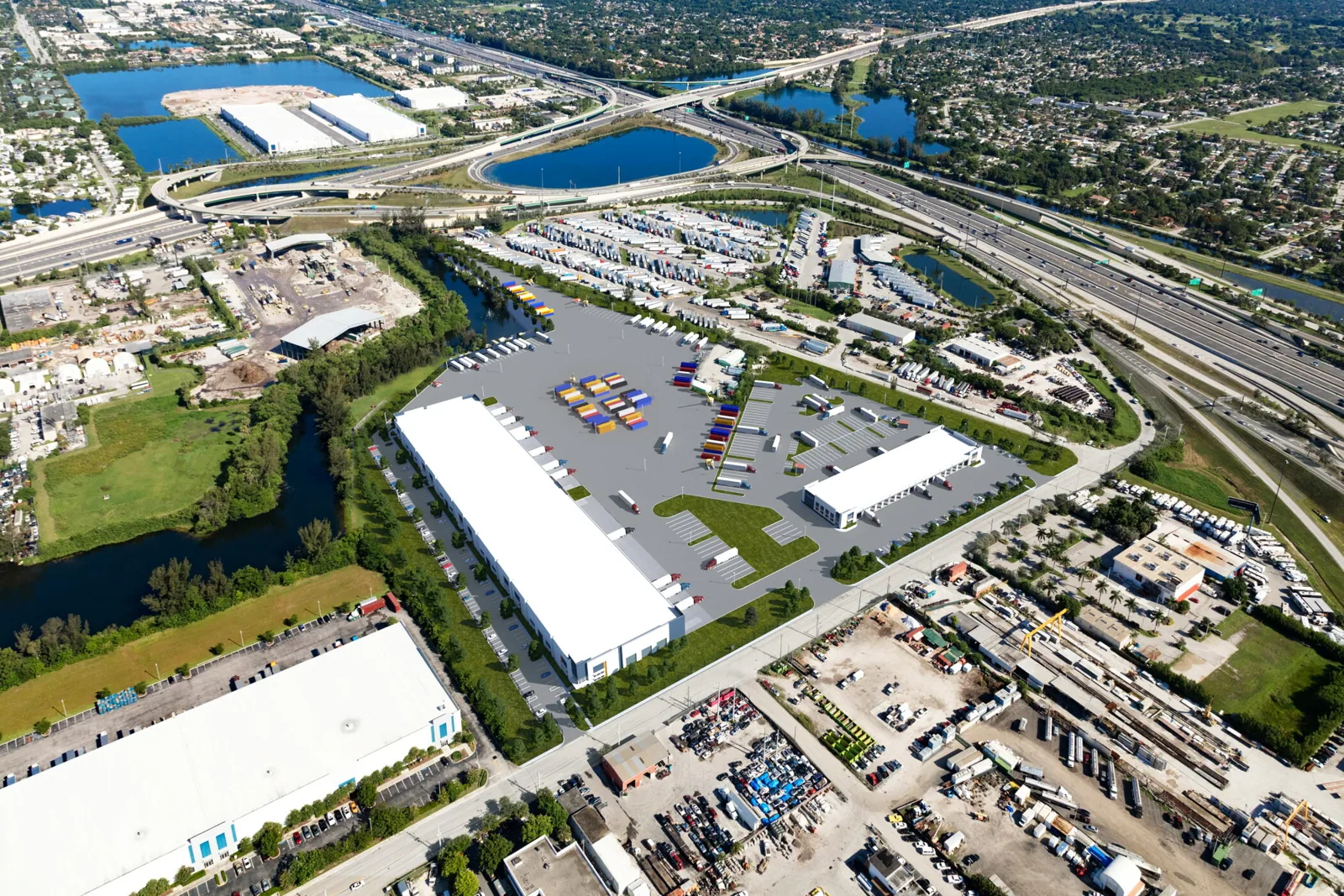
The City's employer list names Medline, Amazon, FedEx, and Target Distribution. At a distribution or industrial building, the active shift, exposed goods, and equipment below help set containment and access. We confirm the on-site contact and operating window before choosing the roof route. That lets the crew bring the right containment materials and avoid arriving during a blocked loading period. If water is spreading now, our emergency roof response can establish containment while we trace the source.
What must be protected first?
We ask the contact to mark the drip location, when it began, and what sits beneath it. Water near electrical equipment, stored product, or an active aisle needs a controlled zone before ceiling materials are removed. A container or temporary barrier can protect the immediate area, but it does not correct the roof. We note any ceiling movement, staining pattern, or water flow that might point toward a wall or service penetration. The person reporting the leak should not climb onto the roof to look for the source.
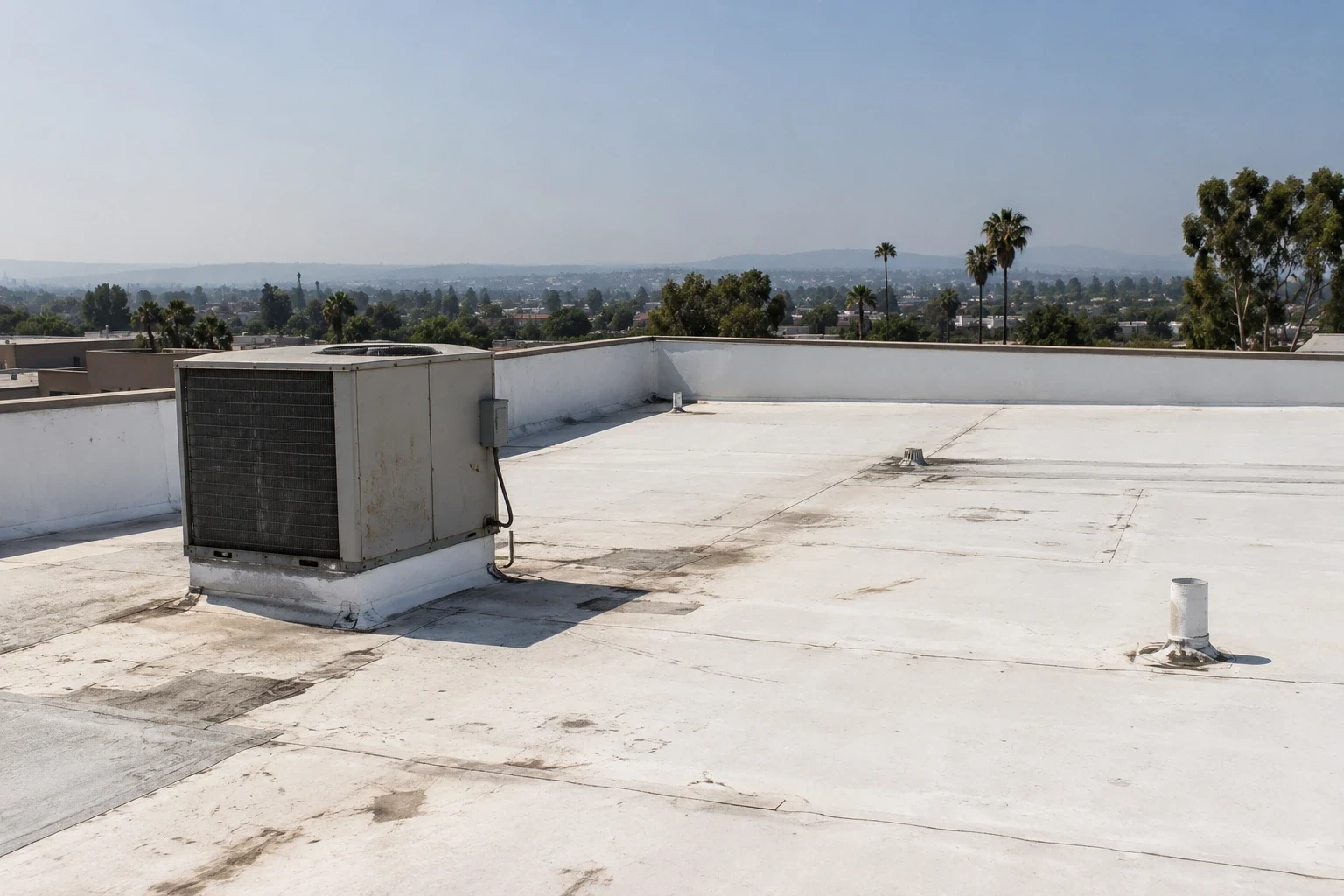
Next we establish the roof access window and choose the shortest safe inspection route. A warehouse may have shift changes, forklift movement, and loading areas that cannot be crossed while a crew is carrying tools. The warehouse roof inspection route accounts for those conditions without assuming the roof layout. We identify who can open the hatch, where fall protection is required, and whether an interior escort must remain available. That keeps the response moving without taking the wrong access path or leaving the work area unsecured.
How do we trace the entry point?
We start above the reported wet area and look upslope, across adjacent seams, and around penetrations. Water can follow insulation joints, deck flutes, piping, or a curb before appearing inside. A drain may be clear while the membrane connection around it has opened. We inspect the edge of the wet area, then record the roof features that could carry water toward the room. If a controlled water test is appropriate, we isolate one detail at a time and keep the interior contact in position to report a change.
Foothill Boulevard and Riverside Avenue are named commercial areas in Rialto. Frequent deliveries can affect the roof approach, so we agree on the route with the facility contact before crossing active work areas. The Agua Mansa Industrial Corridor crosses into Colton and county territory as well as Rialto. On a roof in Rialto, we record the actual seams, curb lines, and drainage conditions at the address. The Rialto commercial corridors help orient the route before we inspect the specific roof. For an opening at the membrane joint, a seam failure repair may need to address adjacent attachment as well as the visible opening. A puncture follows a different repair boundary and material preparation.
What can stop water before permanent work?
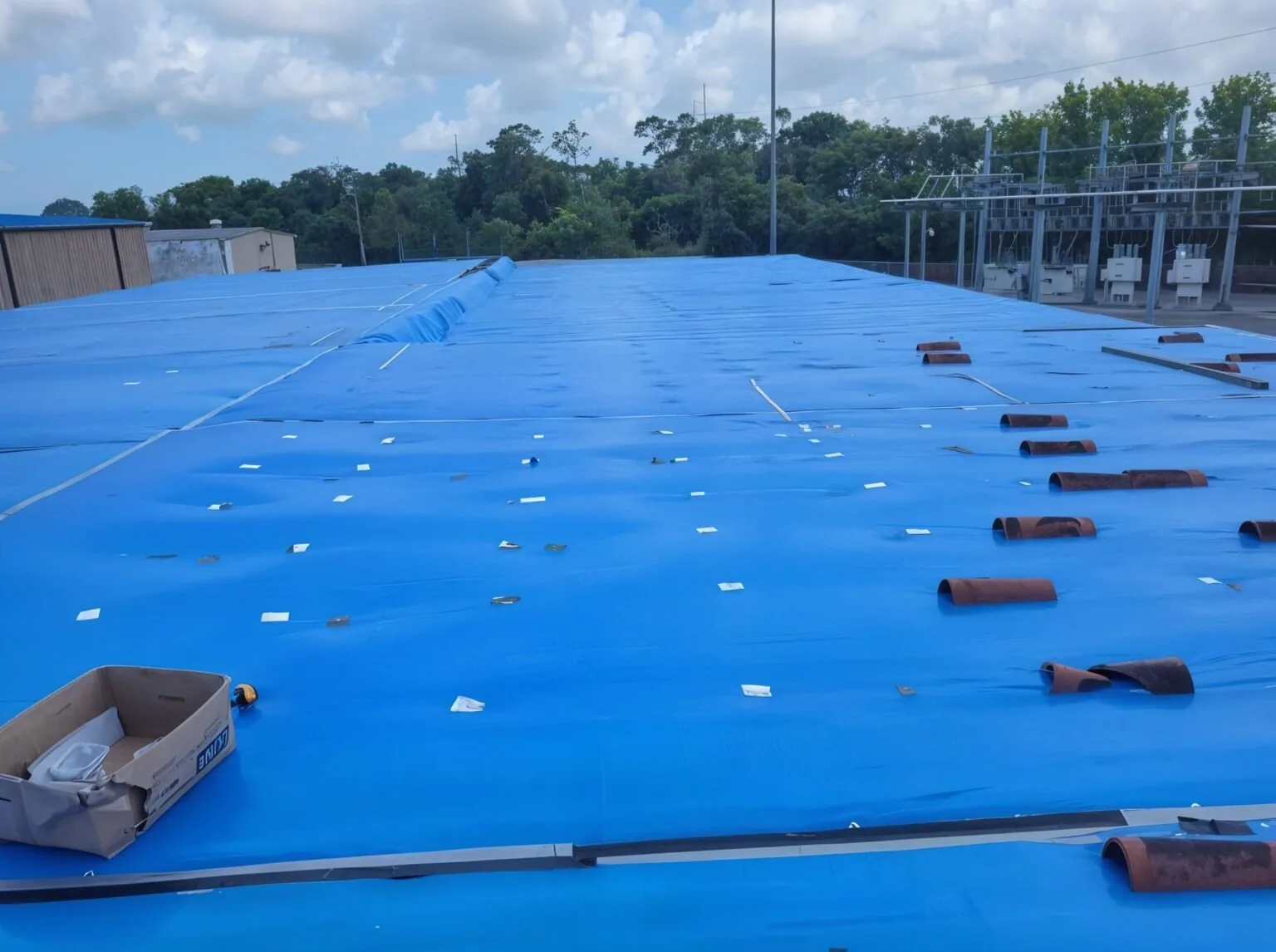
Temporary containment protects the interior until a permanent detail can be repaired. We may divert water, cover an exposed opening, or apply a temporary dry-in suited to the observed condition. The work record labels that measure as interim so it is not mistaken for a finished repair. We set a return route if the weather or access window prevents a safe permanent correction. Interior staff then know what is protected, which area to monitor, and whom to contact if the wet area expands.
Rialto's climate plan notes that hot days are regular. We record the surface and check the selected product's application limits before patching. On a roof with earlier repairs, the membrane and patch material still need compatible preparation and a sound transition. Our planned commercial repair identifies the permanent fix, and a roof inspection can document a wider assembly when the leak is one sign among several.
What does the permanent ticket include?
The permanent ticket identifies the source, repair limits, preparation, and material installed. We remove loose or contaminated material where needed, dry and clean the substrate, and tie the repair into sound membrane. At a curb, we check flashing height and counterflashing. At a drain, we check the bowl, clamping area, and surrounding slope. At an edge, we inspect metal and attachment instead of sealing over a moving detail. Photos and a roof-section reference help the next technician return to the same point.
If the source still needs sampling or a broader assembly review, we keep that follow-up separate from the completed repair. The facility director can assign who monitors the affected area, when to revisit it, and which change triggers another call. A roof condition report can carry the location and photographs into the roof register before shift change. That record keeps the repaired detail, pending test, and next review together so the next technician can start from the unresolved question.
How does the facility confirm closure?
After the repair, we check the corrected detail and document the weather conditions, materials, and any limitations on follow-up. If the area can be tested safely, we coordinate with the interior contact to confirm that water no longer enters at the reported location. A dry ceiling later is useful evidence, but the roof record still needs the detail that was repaired. The maintenance team can then attach the ticket to the roof register and watch for movement at adjacent seams or penetrations.
When you call, share the interior location, time of the report, active operations below, known roof access limits, and any past repair notes. We will set a safe route, isolate the wet area, and trace the roof section above it. If the source is clear, the crew can price a permanent repair. If it is not, we show the test or inspection needed to narrow the cause. Schedule a leak visit before water spreads into more of the assembly or interrupts another work area.
Commercial Roofing Questions
Why is the ceiling stain away from the roof opening?
Water can move along insulation, deck flutes, framing, or a service line before it drops. We compare the stain with the roof slope, drain locations, seams, and penetrations. The repair boundary follows the entry detail, not just the room where water appeared.
What information speeds up a leak response?
A room number, photos from below, start time, active equipment, roof plan, and access instructions help us set the first route. Tell us whether the leak is spreading and what operations cannot stop. We will confirm safe interior protection before inspecting the roof.
Is a temporary dry-in a permanent repair?
No. We label temporary containment in the work order and state what permanent detail remains. The interim measure protects the interior until the crew can prepare and tie in the correct materials under a safe access and weather window.
What happens if the source cannot be confirmed on the first visit?
We document the likely paths and propose the next controlled check, such as a targeted opening or a staged water test. Testing one detail at a time keeps the result useful. The work ticket records the area inspected and the condition that still needs confirmation.
Related Roofing Work

Trace the leak and set the next work order
Call to report active water or schedule a leak inspection. Share the room, start time, affected operations, roof plan, past repairs, and access instructions so we can prepare a safe first route.