
A roof register earns its place when it connects a field finding to an owner decision. We capture the property ID, section label, photos, repair history, access limits, and next action in a record the facilities team can use. Rialto's Economic Development Division describes business retention, attraction, local employment, and redevelopment as City priorities and offers site-selection assistance. Those public priorities support a changing business base; they do not replace property-specific roof records.
In Rialto's General Plan, commercial activity includes the Baseline/Riverside junction and corridors on Foothill, Riverside, and Valley. These areas orient local market coverage, while each capability remains linked to property-specific roof evidence. For a commercial-corridor property, the register still has to identify each building and roof section separately.

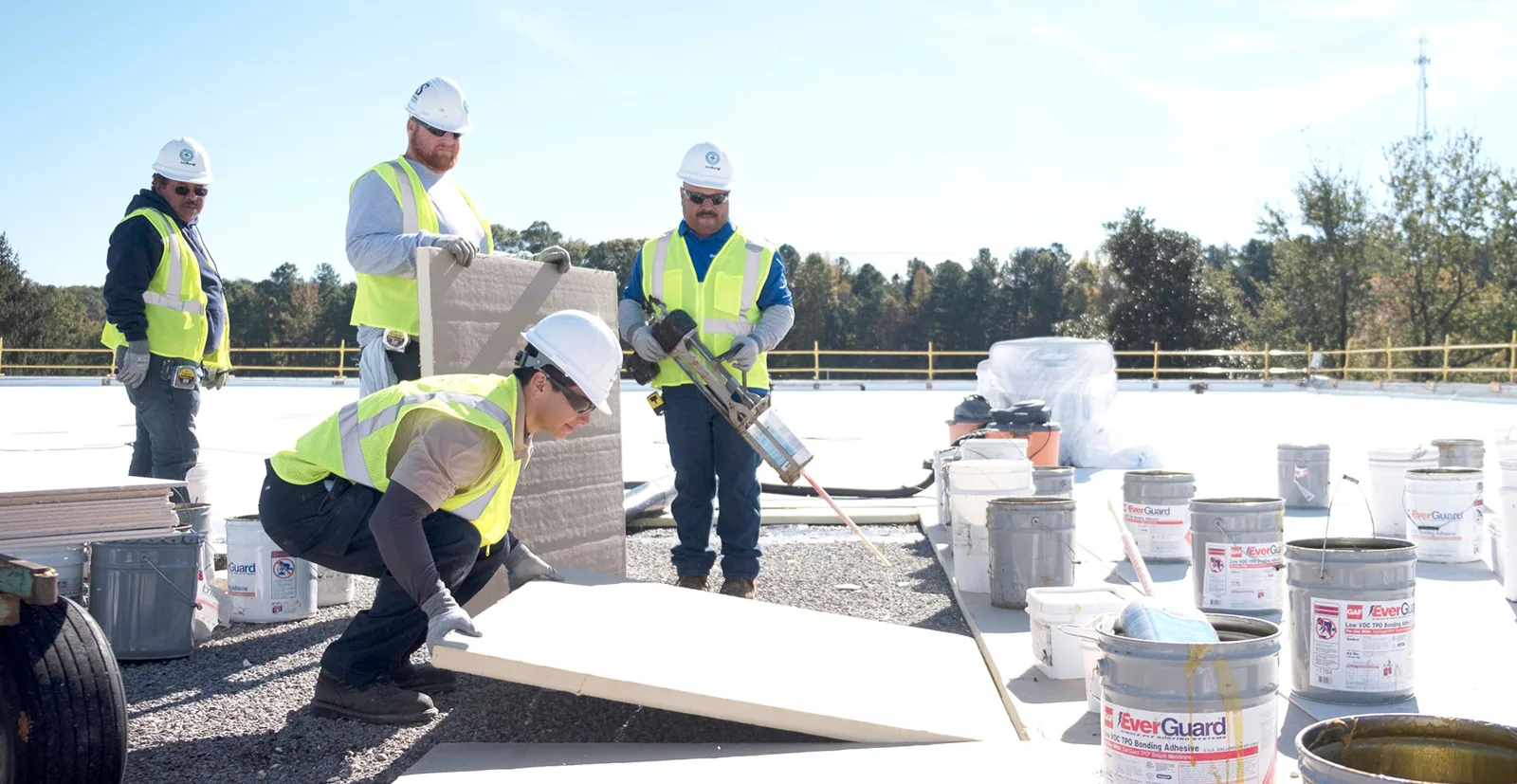
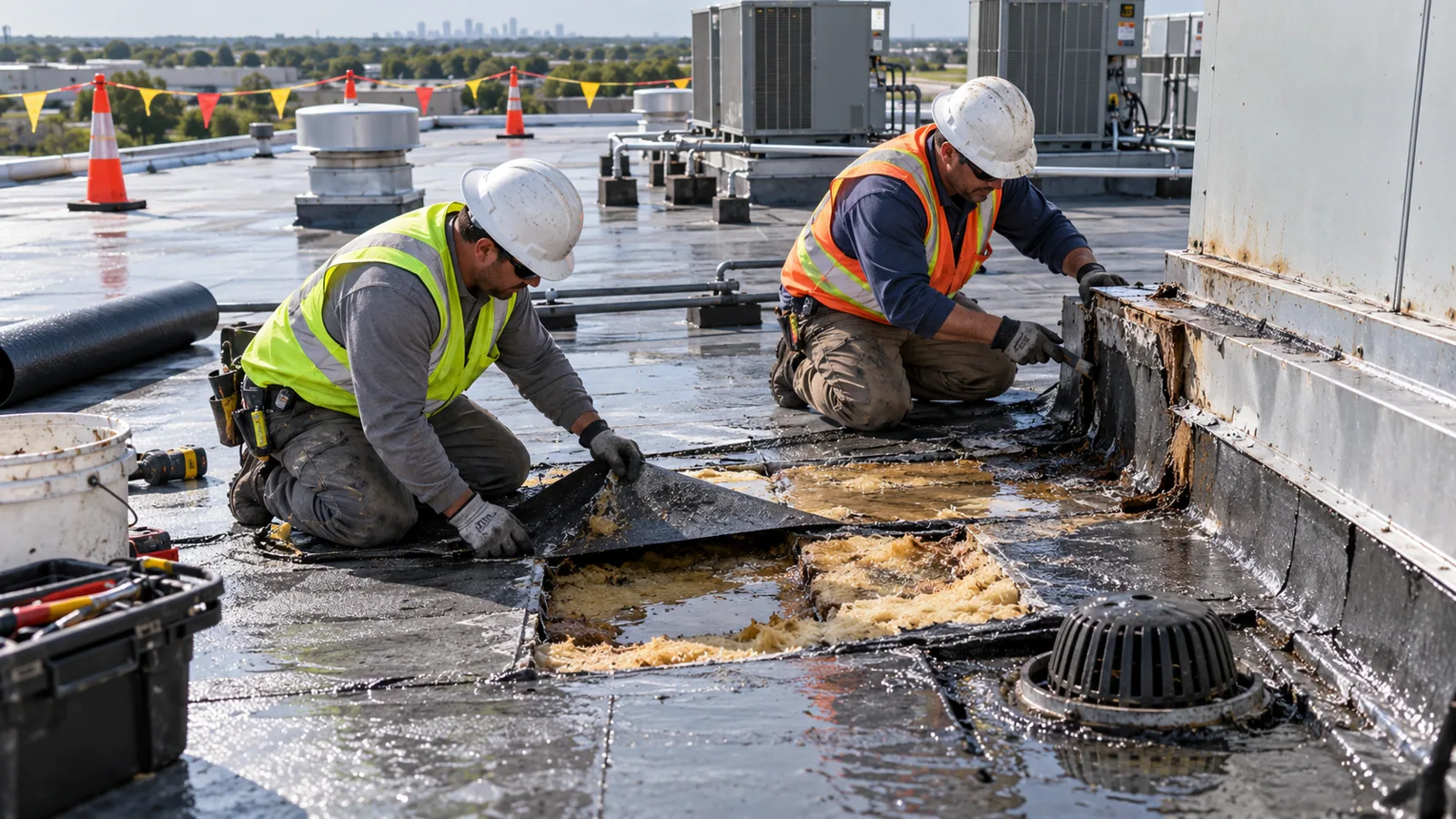

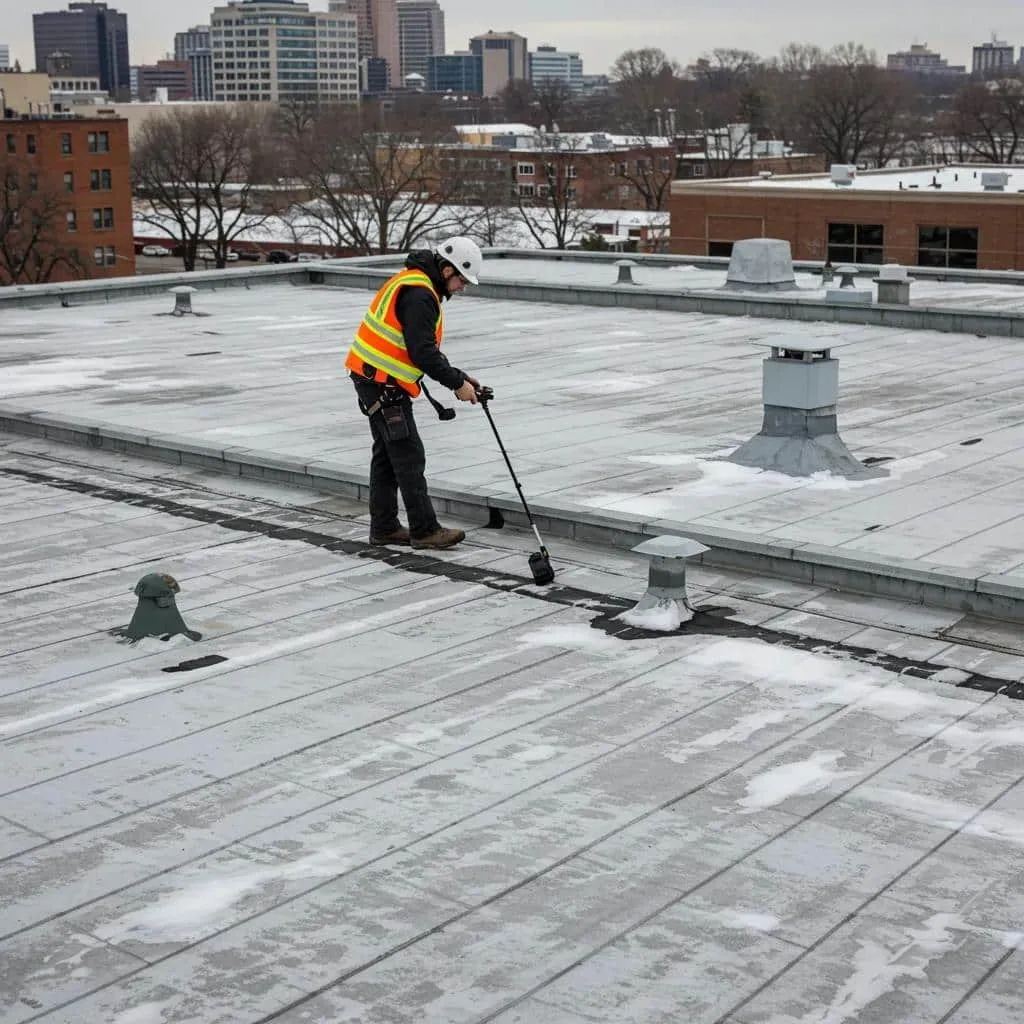
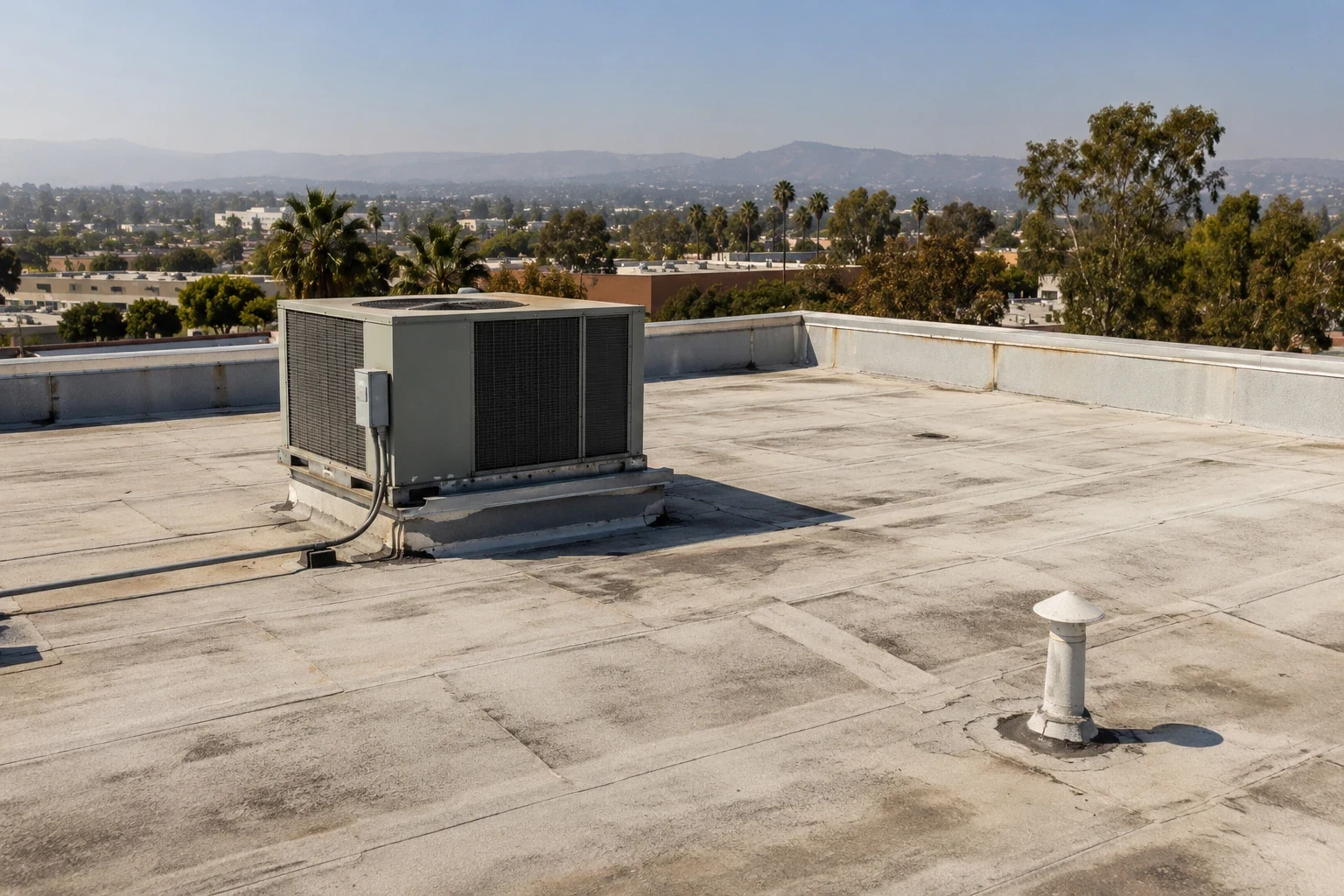
What belongs in a useful roof register?
A roof asset record organizes system evidence, photos, repairs, and open observations by property. A condition report captures the inspection route and limits. warranty coordination keeps available documents and notice tasks with the relevant work history. The record should show observed material only when drawings or field details support it.
How does condition evidence support capital review?
A capital plan compares repair, testing, recover, and replacement decisions with verified quantities and timing drivers. A due-diligence survey can document a transaction review, while a multi-site program can standardize records across locations without flattening building differences. Approval follows the scope and evidence; a forecast or property category cannot substitute for a roof inspection.
Which field step creates the record?
The process starts with the reported issue, roof plan, access contact, and operating window. We inspect seams, drains, curbs, penetrations, edges, and prior repairs on the accessible route. A roof inspection can establish the current condition; a maintenance program can record later changes. Each visit states what was completed and what needs further testing, approval, or a return appointment.
How should managers use open items?
Keep each unresolved observation assigned to a person, with a due action such as access, a test, or a repair decision. The City-level economic priorities and the commercial corridors describe Rialto's planning context, while the capability record describes the individual roof. That separation helps an owner compare capital needs without mistaking a local planning objective for a condition finding. The manager can also see which repair is complete, which detail needs another look, and who can approve the next visit. That small discipline keeps the roof record useful across budgeting cycles and facilities handoffs.
Commercial Roofing Questions
Can one roof register include several properties?
Yes. It can use common fields while retaining distinct property identifiers, roof sections, records, and approvals for each building.
What does a condition report need to show?
The accessible route, photos, section labels, observed conditions, limits, and next actions give the facilities team a usable handoff.
How do warranty files fit with repair records?
We connect available documents and notice requirements to the relevant roof history, then keep field observations separate from warranty terms.
Can a capital plan predict the roof's remaining life?
It can organize verified condition and timing inputs, but any projection depends on the evidence and assumptions recorded for the property.
Request a Roof Assessment
Share the property list, roof records, prior work orders, and current inspection needs. We will connect field findings to clear owners and next actions.