Before approving a PVC patch, locate the failed weld and the nearest drain path on the roof register. A surface can look uniform while a curb or lap carries a separate opening. We check the sheet, test the seam where conditions permit, and inspect the substrate around the reported area. The first work order states what can be repaired now and what remains unknown until a selected opening is made.
Foothill Boulevard and Riverside Avenue appear in Rialto's commercial planning geography. Warehouse and industrial uses also occur near rail lines in the City. That context helps plan a route for moving a welder and membrane rolls, while the site walk verifies the PVC sheet and the work area around its seams. We identify an approved access path before setting a repair window.
What Should a PVC Weld Show?
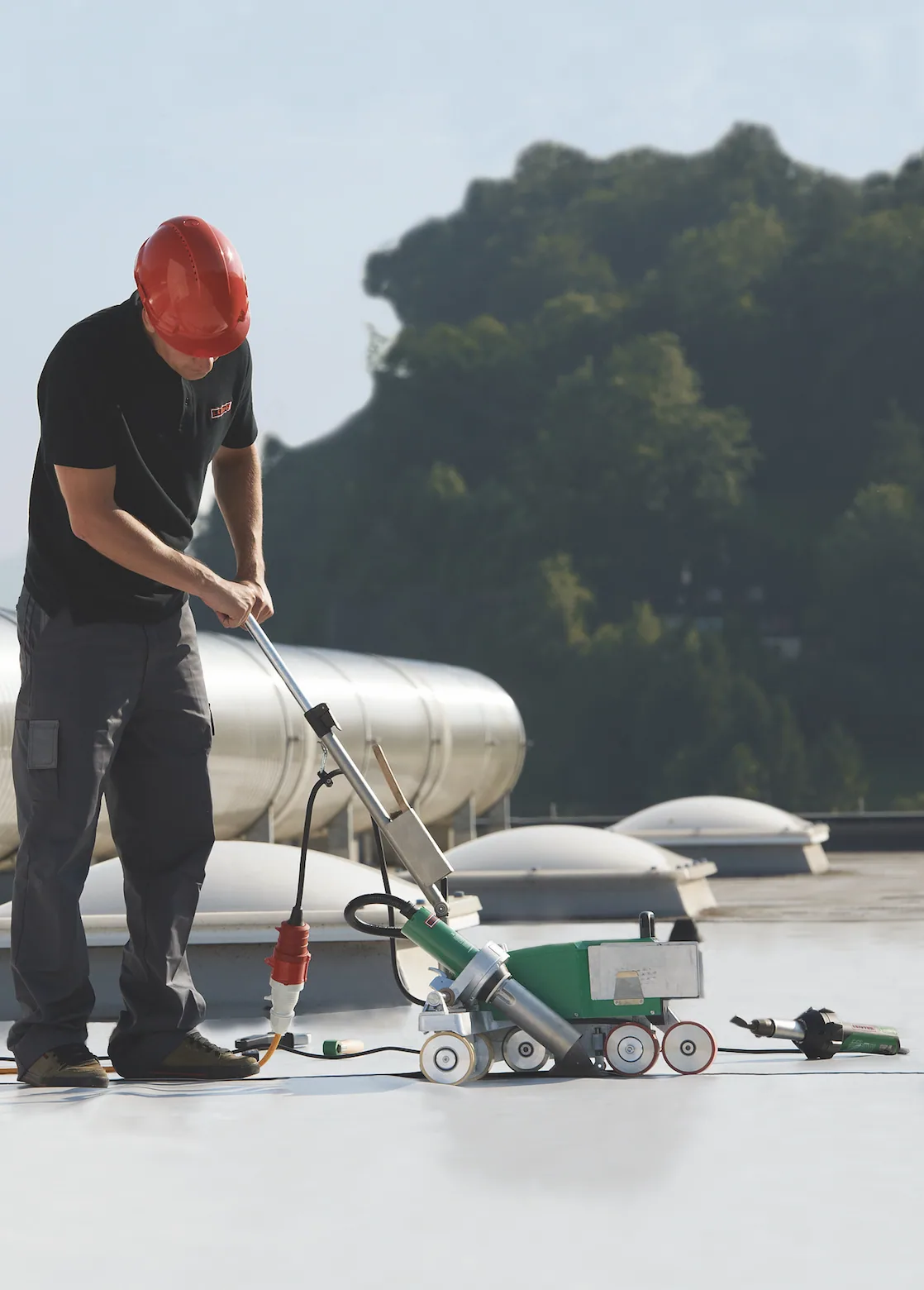
A welded lap needs an even bond across its width. We inspect for fishmouths, narrow channels, contamination, lifted edges, and uneven transitions around corners. A probe can help locate a weak section, but the surrounding membrane also needs to be checked for brittleness, dirt, or an earlier repair that could affect the new weld. We mark the seam length that failed rather than treating one visible opening as the full repair quantity.
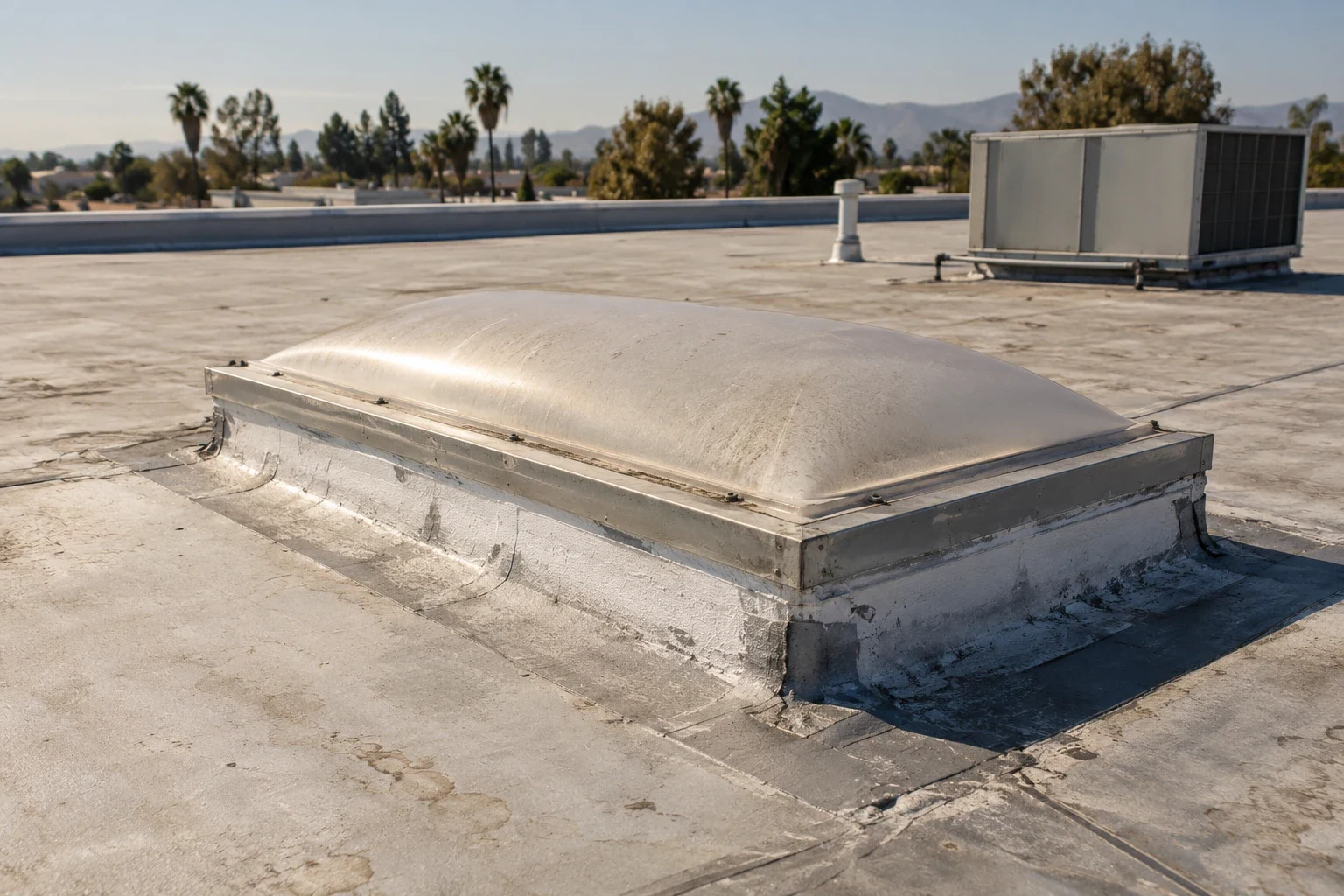
For a patch to hold, the new sheet must be compatible with the existing membrane and welded to prepared material. At a vent or curb, the seam is only one part of the closure. A roof penetration inspection can map boots, corners, and vertical flashing that meet the field sheet. The work ticket records the prepared surface, patch edge, and any adjacent detail left for a separate decision.
How Do You Confirm the Installed Sheet?
Records, exposed edges, markings, and seam behavior help identify whether the field is PVC or another single-ply membrane. A prior patch may hide the original sheet, so we use an accessible edge or approved test rather than guessing from color. The identification matters because cleaners, primers, weld settings, and patch materials differ. The roof register should show how the system was identified and which areas remain uncertain.
A TPO membrane is also joined with hot air, but it is not interchangeable with PVC at the repair bench. KEE formulations are related to PVC yet still require a product-specific method. We compare the installed sheet and available records before selecting material. If an owner is considering a different assembly, a KEE roof review can compare the existing layers with the proposed system without erasing the current repair history.
Where Can Water Cross a PVC Roof?
Water can follow a seam to a drain, travel beneath a flashing return, or pause at a change in slope. We follow the reported route from the interior mark to the roof section, then inspect the bowl, overflow, curb line, and nearest weld. A clear drain does not settle the question if a low point remains. The condition record separates outlet maintenance from membrane work and notes any test that could change the boundary.
City planning places heat alongside wildfire, flooding, and air-quality hazards, and characterizes high-temperature days as recurring in Rialto. For a PVC repair, we inspect sheet flexibility, weld margins, flashing, and the drain connection, then set the hot-air work window from actual roof conditions. A drain and scupper check records outlet details and the water route. If the seam is sound but the drain connection has released, the scope names the flange or transition instead of widening a patch across the field.
When Is a PVC Repair Enough?
A local repair fits when the membrane around the defect is cleanable, flexible, and bonded to a stable substrate. We remove loose or contaminated material, prepare the surface, weld a compatible patch, and check the finished perimeter. Wet insulation, recurring seam separation, or a soft deck can move the work beyond that spot. We mark the finding that changes the repair ticket before asking for approval to open a larger area.
The Gateway Specific Plan Area includes mapped office-park and industrial-park classifications for Rialto. For a PVC repair request in that area, note the access and delivery window, then use a field check to confirm the sheet before considering a weld patch or coating. We compare the result with a commercial repair work order or a coating candidate only when the existing surface supports it. A roof coating does not replace failed insulation or restore loose attachment. The scope must follow the layer that failed.
What Must Be Checked Before a Recover?
A recover adds material over an existing roof, so retained layers must be dry enough, attached, and suitable for the added assembly. We check the deck, fasteners or adhesive where visible, drain height, curb lines, and perimeter terminations. If a roof section holds moisture or cannot support a sound tie-in, adding a sheet can bury the question. A removal plan may be clearer where several layers or repeated openings are present.
Rialto's 2025 California Building Standards took effect January 1, 2026; submitted permit plans dated after December 31, 2025 fall under that cycle. For a PVC recover, keep the review step beside but separate from checks of retained layers and weld compatibility. A roof recover assessment can establish whether another layer is viable. When the roof needs broader renewal, a TPO system comparison or an alternative specification should state attachment, insulation, drainage, and edge details.
Which Items Move Cost and Timing?
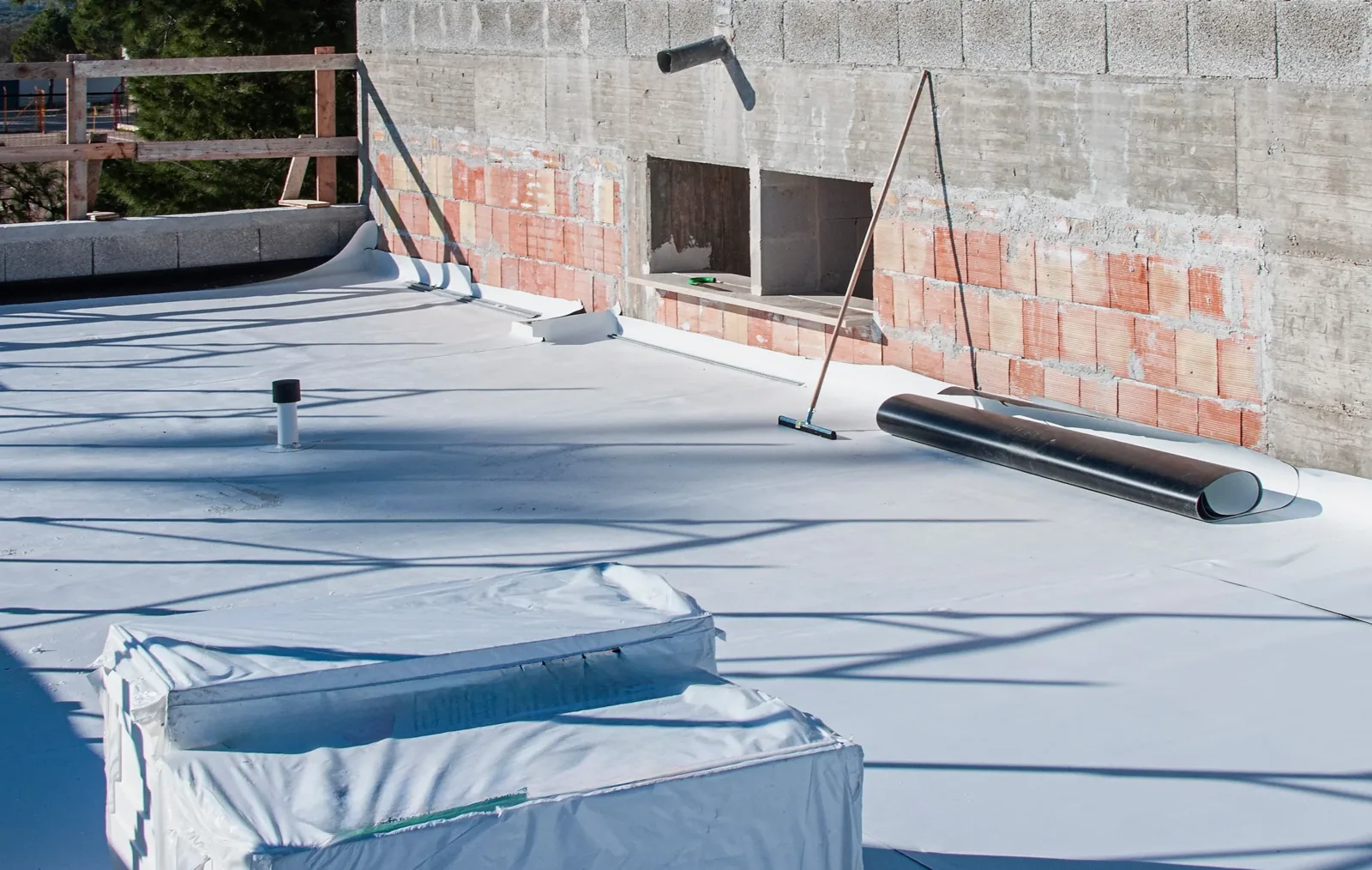
Material quantity, surface preparation, access, height, penetrations, drain count, and removal depth affect labor and sequencing. Hot-air welding requires a prepared work area and suitable site conditions. We identify when a section opens, where temporary dry-in can end, and how the crew will leave the roof at shift close. If equipment or a delivery route limits staging, that constraint belongs in the plan before the material arrives.
The condition record should identify PVC areas, repaired welds, transitions, test points, and unresolved conditions. A roof condition report can hold photographs with the work order and later maintenance checks. For a property along the Rialto commercial corridors, we still confirm the specific entrance and loading window with the facility contact. A clear record gives the next shift a known repair boundary rather than a verbal handoff.
Commercial Roofing Questions
How can we tell a PVC weld has failed?
A PVC lap failure can show as a lifted edge, a channel that accepts a probe, or a bond that separates under inspection. We mark the length, inspect adjacent material, and check whether moisture or movement extends beyond the visible split.
Can PVC be patched with TPO sheet?
No. The repair material and weld process must match the installed assembly. We identify the membrane at an exposed edge or from reliable records before preparing a patch, and we keep an uncertain identification visible in the work order.
Will a new PVC layer fit over an older roof?
That depends on the retained assembly. We check moisture, attachment, deck support, drain elevations, curbs, and edge height before considering a recover. If concealed layers could compromise the tie-in, the scope should account for removal or testing.
What causes the PVC repair boundary to expand?
Wet insulation, a soft deck, repeated weld separation, or movement at a perimeter can extend the work past the first opening. We document the test result and map the added area before revising the ticket.
What should be ready before the PVC crew arrives?
Provide the roof plan, leak location, repair history, authorized access route, and any delivery or equipment window. We use those details to set the inspection route, stage material, and close the section safely at the end of the shift.
Related Roofing Work
Set the PVC Roof Work Order
Share the leak location, system records, roof plan, and access window. We will identify the weld or transition, mark the repair boundary, and prepare the next action from the field conditions.