
A temperature-controlled room cannot be treated like a dry space when a roof leak reaches its ceiling. The first check is to locate the wet area, identify the roof section above it, and determine whether water is moving through a roof detail or condensing at a change in temperature. We then inspect insulation, membrane, penetrations, drains, and equipment supports in a safe sequence. The work order separates a confirmed roof opening from conditions that need a refrigeration or building-envelope review.
Rialto's planning documents describe industrial and warehouse uses across parts of the City, including the Rialto share of the multi-jurisdiction Agua Mansa plan area. The General Plan also identifies commercial frontage along Riverside Avenue and Valley Boulevard. Our Rialto commercial-corridor service area sets broad local context; the roof inspection determines the actual assembly and cold-room operating limits.
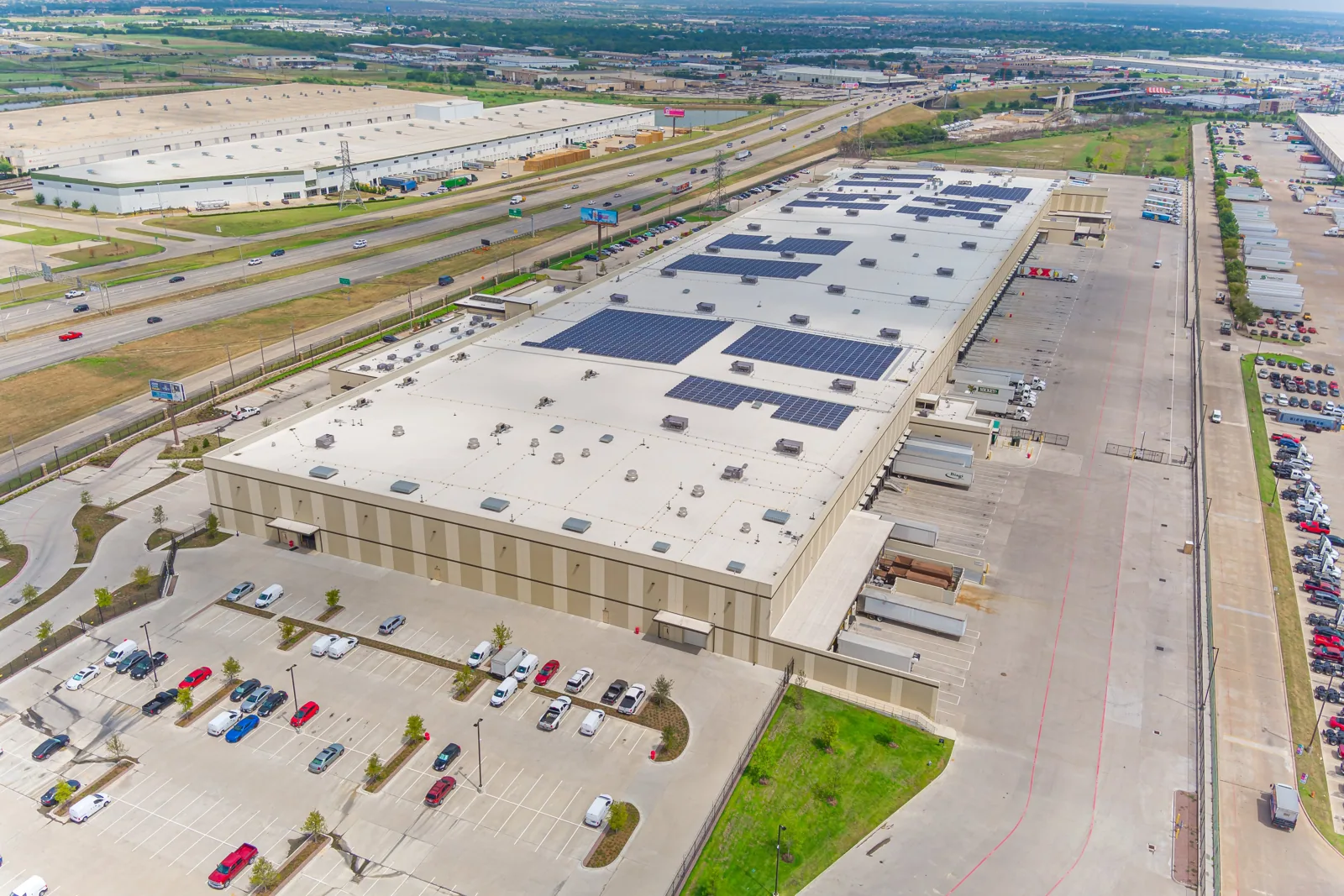
Is the wet ceiling caused by a roof leak or condensation?
Water inside can come from a roof opening, a failed penetration detail, a refrigeration line, or condensation where warm and cold conditions meet. We ask when the moisture appears, which room or zone is affected, and whether the condition changes during equipment cycles or weather. The roof walk follows likely water paths above that location. We inspect curb flashing, membrane seams, drains, edge transitions, and nearby mechanical penetrations, then compare the findings with interior notes supplied by facilities.
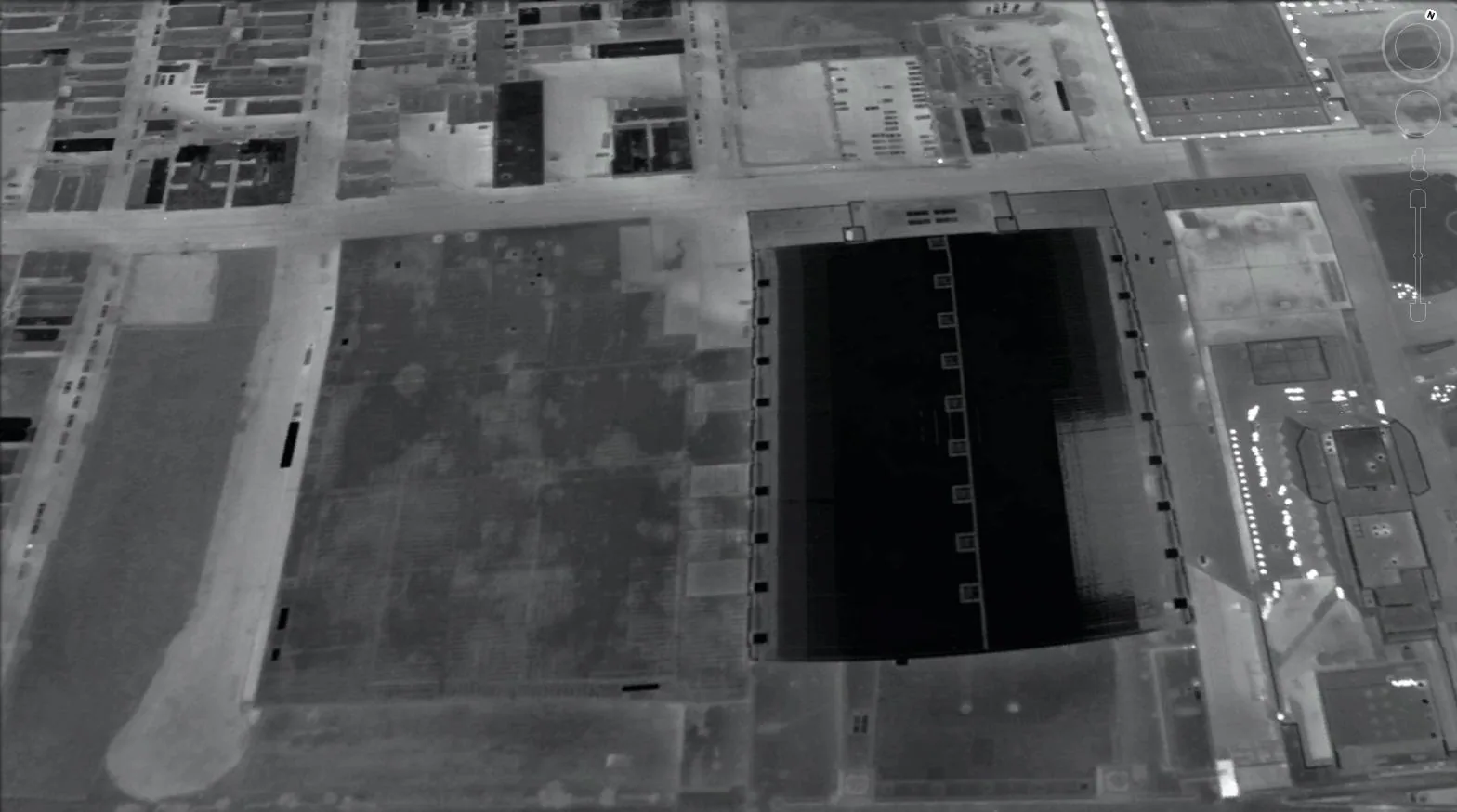
A surface stain alone does not identify the source. If the roof membrane is dry and details appear intact, a mechanical or vapor-control assessment may be needed before opening roof layers. If a roof defect is visible, we record its location and determine whether insulation may be wet below. A moisture survey can help target test points, while physical verification confirms the layers at locations where the answer changes the scope. The facility team receives a distinction between a confirmed roof issue and an unresolved moisture question.
Why does insulation continuity matter in a freezer roof?
Gaps, compressed board, wet insulation, or poorly treated transitions can interrupt the intended thermal boundary. We inspect changes at walls, roof curbs, parapets, drains, pipe penetrations, and equipment supports. Where the assembly is concealed, drawings and prior work records help establish what was installed; a targeted opening may be needed to verify the material and condition. We label each sample location so the finding is not applied to an entire roof without evidence.
Rialto's adopted climate plan notes that hot days are a regular local condition and identifies extreme heat among the City's hazards. This is citywide planning context, not a temperature record for a cold room or a performance promise for a roof. On the property, we record the observed membrane, insulation condition where exposed, and any condensation indicators supplied by facility staff. A roof insulation and cover-board review can compare how the proposed layer sequence connects at the affected transitions and drainage points.
What happens where refrigeration lines cross the roof?
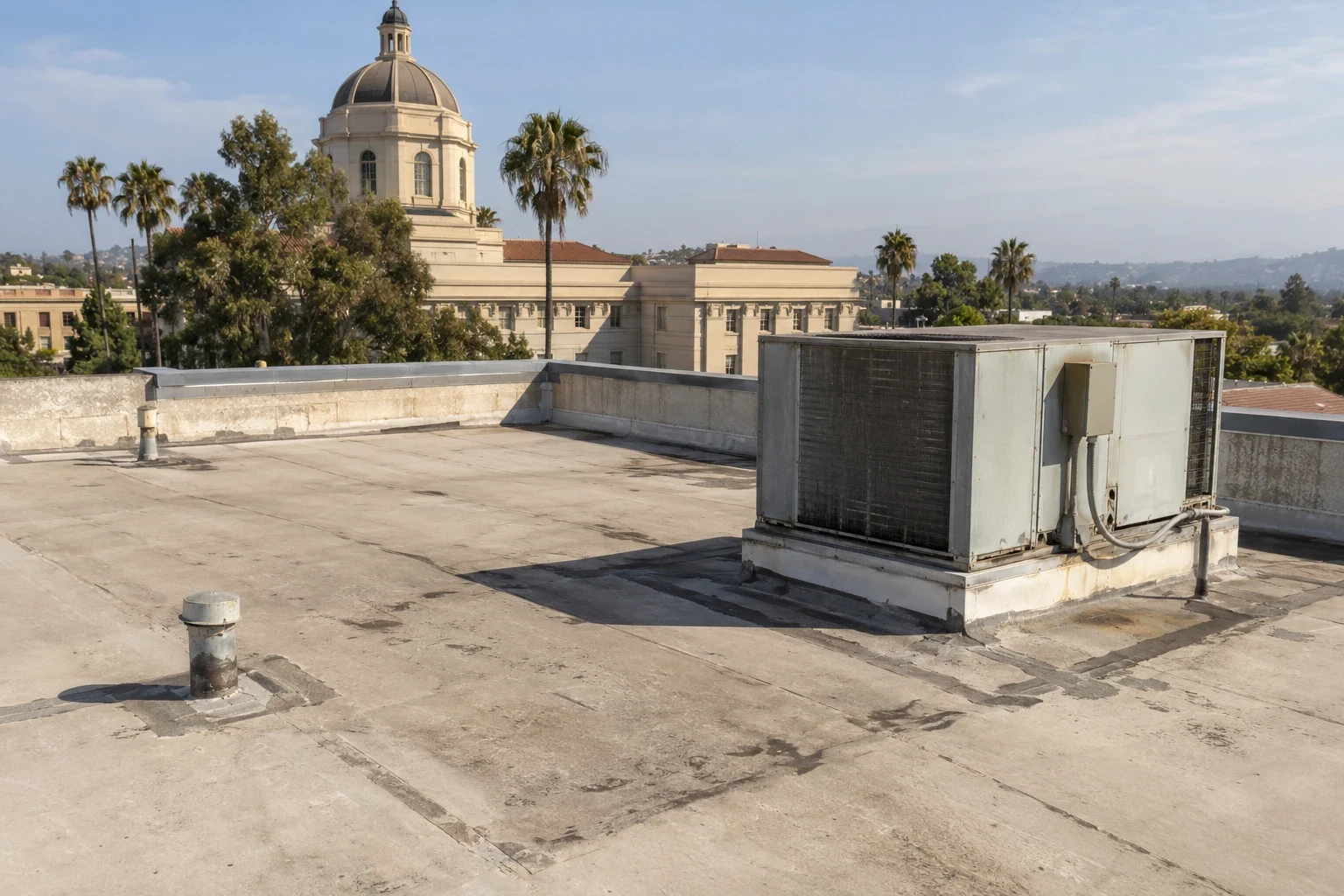
Refrigeration piping, electrical conduit, exhaust, and support frames create a series of roof interruptions. We inspect the boot or curb, membrane turn-up, counterflashing, and nearby seams. A penetration that moves with equipment needs a detail suited to that movement; a sealant bead is not a substitute for sound flashing. Before work, we identify the equipment contact and confirm which line or support cannot be moved or shut down.
Equipment work and roofing can require separate trades. We define the roof portion, protect the line or support, and schedule access with the responsible facility contact. If the roof opening is sound but condensation persists, we record that distinction rather than adding roof material without a confirmed defect. For an active leak at a drain or scupper, a drainage review can examine the bowl, outlet, and adjacent membrane connection. A separate curb and support inspection addresses the roof-to-equipment transition.
How do we protect temperature-controlled operations?
Before an inspection or repair, we confirm check-in, roof access, work hours, staging, and any restricted area below. The facility contact identifies product zones, refrigeration systems, and procedures that apply if a ceiling opening or interior protection is required. For roof removal, the work area has to stay within the crew's ability to make it watertight by the end of the shift. We agree on who receives the closeout update and who can authorize a change if concealed moisture is found.
Rialto's truck-route policy is intended to bypass residential areas and sensitive receptors. It does not establish a delivery or staging route for an individual property. The facility team supplies current gate, dock, and site circulation instructions. We plan material movement around them and keep roof access distinct from cold-room operations. If a larger project must proceed in phases, the crew sequence can address one roof section at a time while the owner tracks temperature-sensitive areas below.
When can the existing roof remain in place?
A localized repair may work when the entry point is bounded and the surrounding membrane and insulation remain suitable. If testing finds wet insulation in a limited zone, selective removal may be possible. Widespread moisture, compressed material, unstable attachment, or repeated detail failures can change the decision toward replacement. We map the confirmed area and state where the assembly remains concealed, giving the owner a basis for repair, recover, or removal.
A recover is appropriate only when retained layers meet the new system's requirements and transitions can be rebuilt at the correct height. Cold-room operations also affect the sequence for removal, temporary protection, and work near penetrations. A recover evaluation can compare eligible sections with a replacement scope. A related distribution center roof review may share loading and receiving constraints, while a warehouse roof assessment may share drainage and storage zones. Each assembly still needs its own moisture and detail checks.
What belongs in the roof record after the work?
The roof record should identify each tested or repaired section, the layers confirmed, and the limit of what was visible. We attach photographs to a roof plan or repeatable location description and note whether a condition was active, corrected, or still under review. That gives maintenance staff a reference if moisture returns and prevents a later ticket from assuming that an interior stain and a roof opening were already proven to share a cause.
For buildings in Rialto's industrial or corridor areas, the service context remains broad. The property record names the cold-room zone, access point, nearby drains and penetrations, and any operational restriction that affected the work. A maintenance route can revisit those locations before a small flashing separation becomes a larger interruption. If an inspection could not reach a section because of equipment or safety limits, the record lists the area for a later visit.
Commercial Roofing Questions
Can condensation be mistaken for a roof leak?
Yes. We compare the time and location of the moisture with roof details and equipment conditions. The findings may call for a roof repair, a mechanical review, or both.
Should wet insulation be covered with new membrane?
Not without checking how far the moisture extends and whether the retained layers meet the new system requirements. We map affected sections and identify test locations before setting the scope.
Can refrigeration piping stay active during roof repair?
That depends on the line, access, and protection requirements. We coordinate with the facility's equipment contact before work near the pipe or its support.
Will reroofing affect cold-room temperatures?
The work plan should limit open roof exposure and coordinate any activity that could affect the building envelope. We discuss the sequence and interior protection with facility operations before removal begins.
What should the leak report include?
Name the affected room or zone, when moisture appeared, whether equipment was cycling, and any recent weather or repair. Those details help us choose the first roof section to inspect.
Related Roofing Work
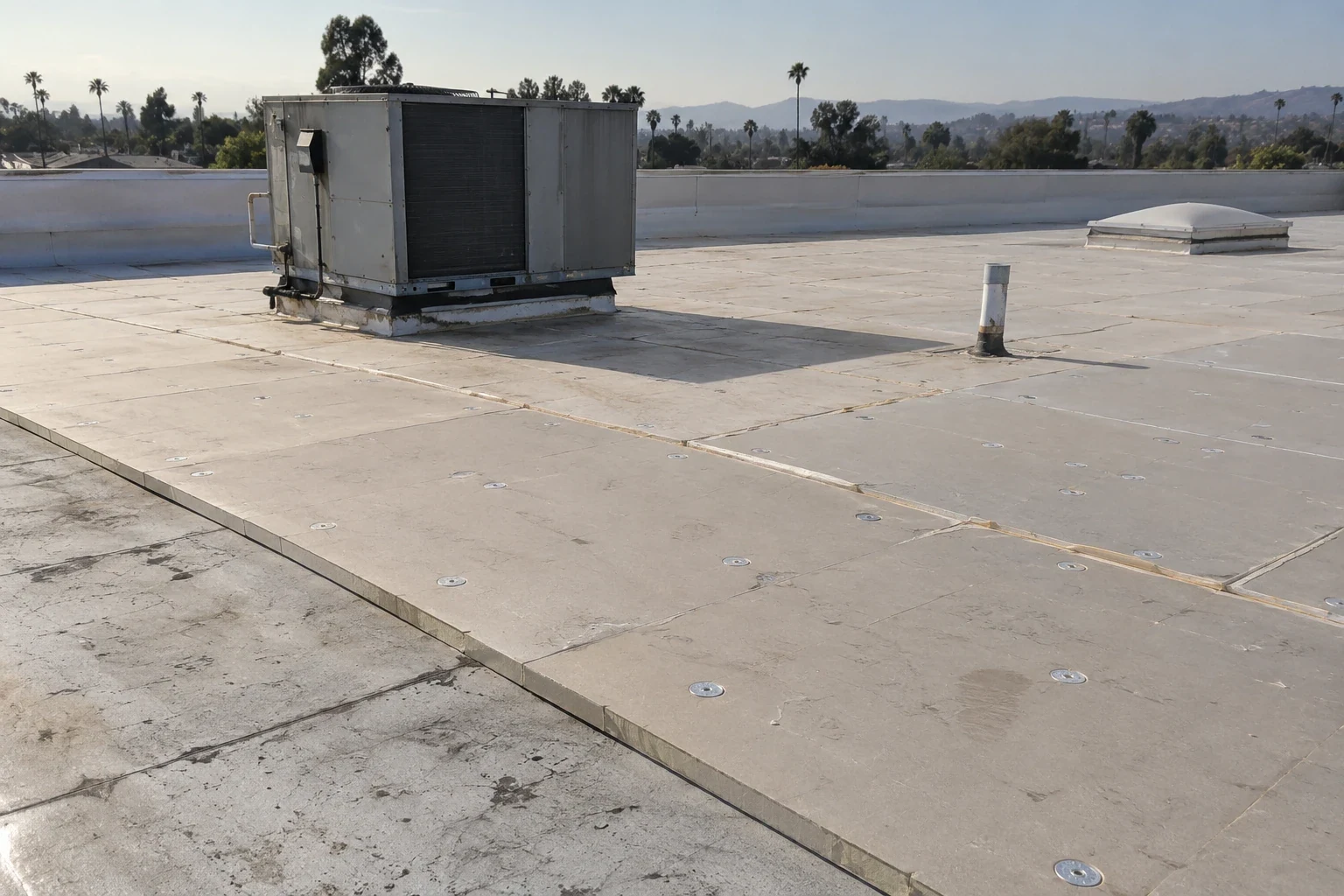
Trace the moisture before selecting the roof scope
Share the affected room or zone, roof plan, refrigeration restrictions, and prior leak notes. We can inspect the roof detail and identify whether the next step is repair, testing, or coordination with another trade.