
A blocked dock can change the work window before a roof crew arrives. We identify the affected roof section, check the operating schedule, and confirm where deliveries, lift equipment, and material staging can be placed. Then we inspect the drain path, seams, curbs, penetrations, and edges above the reported condition. The repair ticket separates urgent containment from permanent correction, with the access limits visible to the operations lead.
Rialto's General Plan places some industrial and warehouse activity near rail facilities in the City's northern and southern areas. The Agua Mansa Industrial Corridor crosses several jurisdictions, with a Rialto portion relevant to this market. Rialto Commercial Corridors provide a separate geographic reference for non-industrial business areas. When a portfolio spans these areas, keep each roof register tied to its property and set the work window from that operator's gate, dock, and roof-access instructions.
How do we keep roof access clear of receiving?
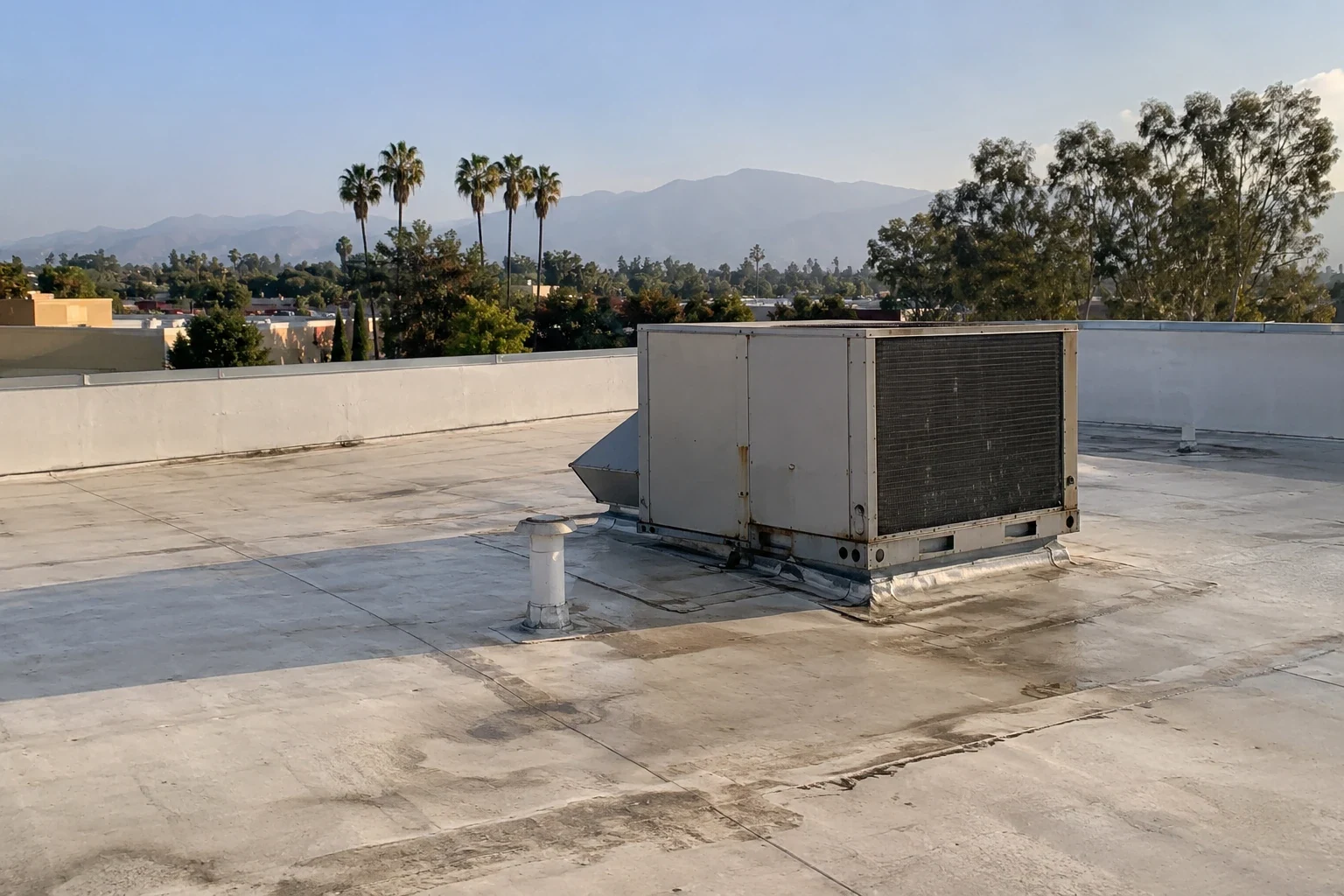
We confirm the delivery schedule, check-in point, roof entry, staging area, and travel paths that must remain open. The facility contact identifies restricted lanes, dock doors, and any equipment that cannot be moved. A lift or material drop can be scheduled outside the receiving peak when the owner provides a workable window. If that window changes, the crew sequence is reset before mobilization rather than improvised around active traffic.
In 2024, Rialto revised its truck network to route heavy traffic away from residential areas and sensitive receptors. In 2025, the City added design and construction rules for new or expanded logistics development. Use the truck network when reviewing heavy-vehicle circulation, then confirm the current gate and staging point with the operator before mobilization. For larger reroofs, an occupied-building work plan can define phases and dry-in checkpoints before receiving and equipment movement resume.
What happens when roof work is above inventory?
Before opening the roof, we ask which storage zones require protection and how the facility wants to handle work below. The repair scope can limit removal to a defined section, identify interior controls, and state what condition will trigger a pause. Materials and tools stay within the approved staging area. At shift end, the roof is secured against exposure, and the operations lead receives a closeout note that names the section and any open item.
Some operators manage buildings directly while others rely on a third-party management team. The property-management workflow can align repair tickets and access contacts when roles are shared. Regardless of who runs receiving, we keep each roof's drain map, prior repairs, and inspection photos tied to that individual building. A report for one facility is not carried over as a condition statement for another property in the same logistics network.
In a mixed-use operation, storage zones, office areas, and temperature-controlled rooms can require different planning. We map each affected area to the roof section and note which systems need protection. The operator can decide whether inventory must be moved and identify the person who receives an immediate update. That preparation is useful for a flashing repair as well as for a larger removal scope.
Which roof conditions interrupt logistics operations?
Water over a staging lane or inventory rack can require immediate containment. We inspect the roof section above the report and check seams, penetration flashings, drain bowls, scuppers, and edge metal along the likely water route. If a drain is blocked, the work order notes cleaning separately from a membrane repair. If a seam has lifted or a curb transition has opened, we document the tie-in and the limits of any temporary patch.
Rialto’s climate plan names heat and flooding as City hazards and describes hot days as a recurring condition. We use that context to choose an appropriate access window; observed roof conditions still determine the repair. A drain and scupper review can identify collection points for planned work, while a wind-damage roof check can document membrane and perimeter conditions after a reported event.
What should the operator keep in the roof register?
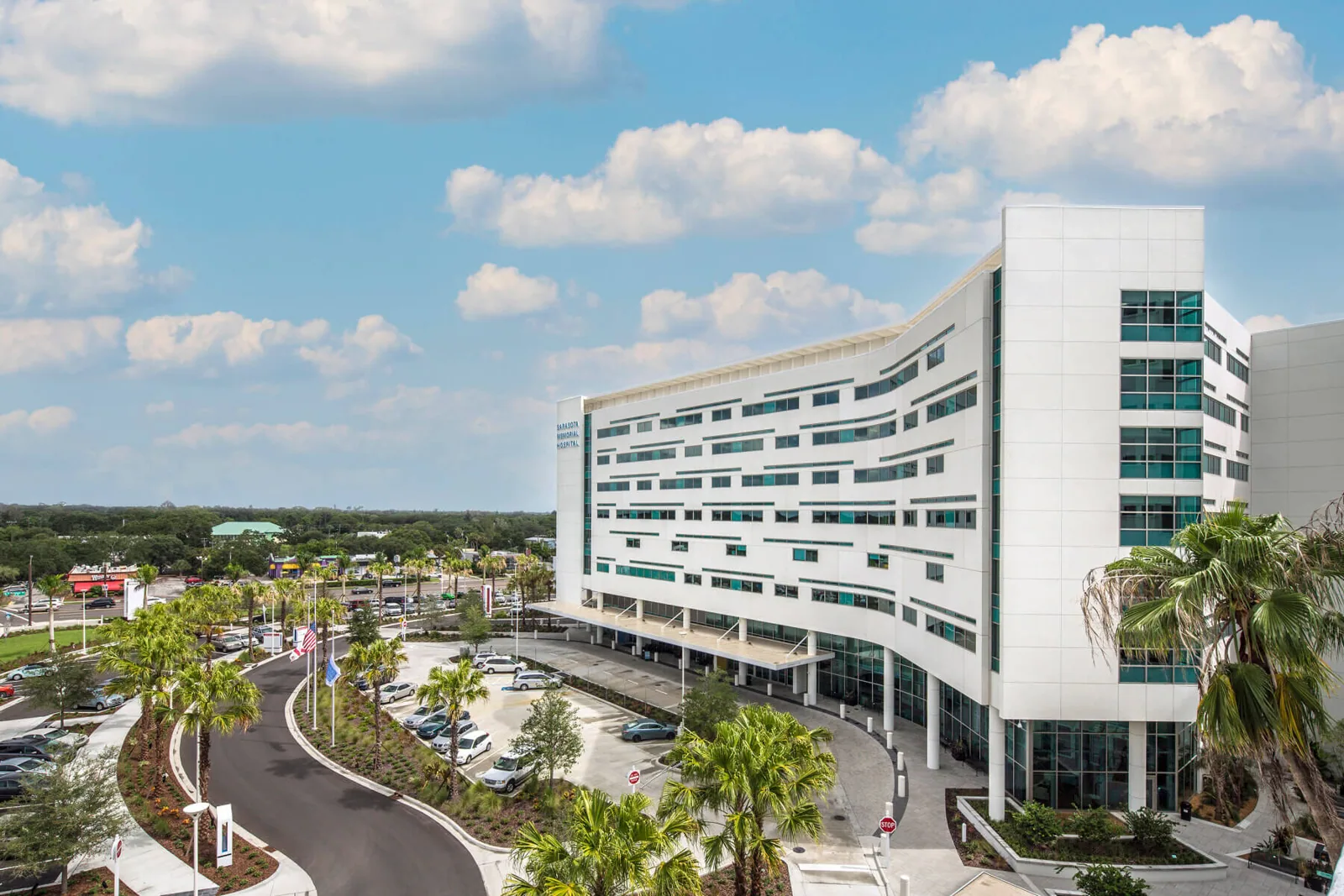
A useful log has building and section names that match the operator's maintenance system. We add photos, visible system type where known, repaired details, access restrictions, and whether each item is complete, open, or waiting on testing. If the roof plan is missing a section name, we establish a repeatable reference with the facility contact. The next shift can then locate the same point without repeating the inspection route.
A condition report can separate urgent repairs from maintenance, monitoring, and capital questions. If an operation includes manufacturing as well as distribution, a manufacturer roof review may add equipment or process-area considerations. The operator can compare reports across its portfolio using consistent fields while keeping the physical observations distinct. That helps prevent a repair in one zone from being treated as proof of a broader roof failure.
When does a small repair grow into a capital item?
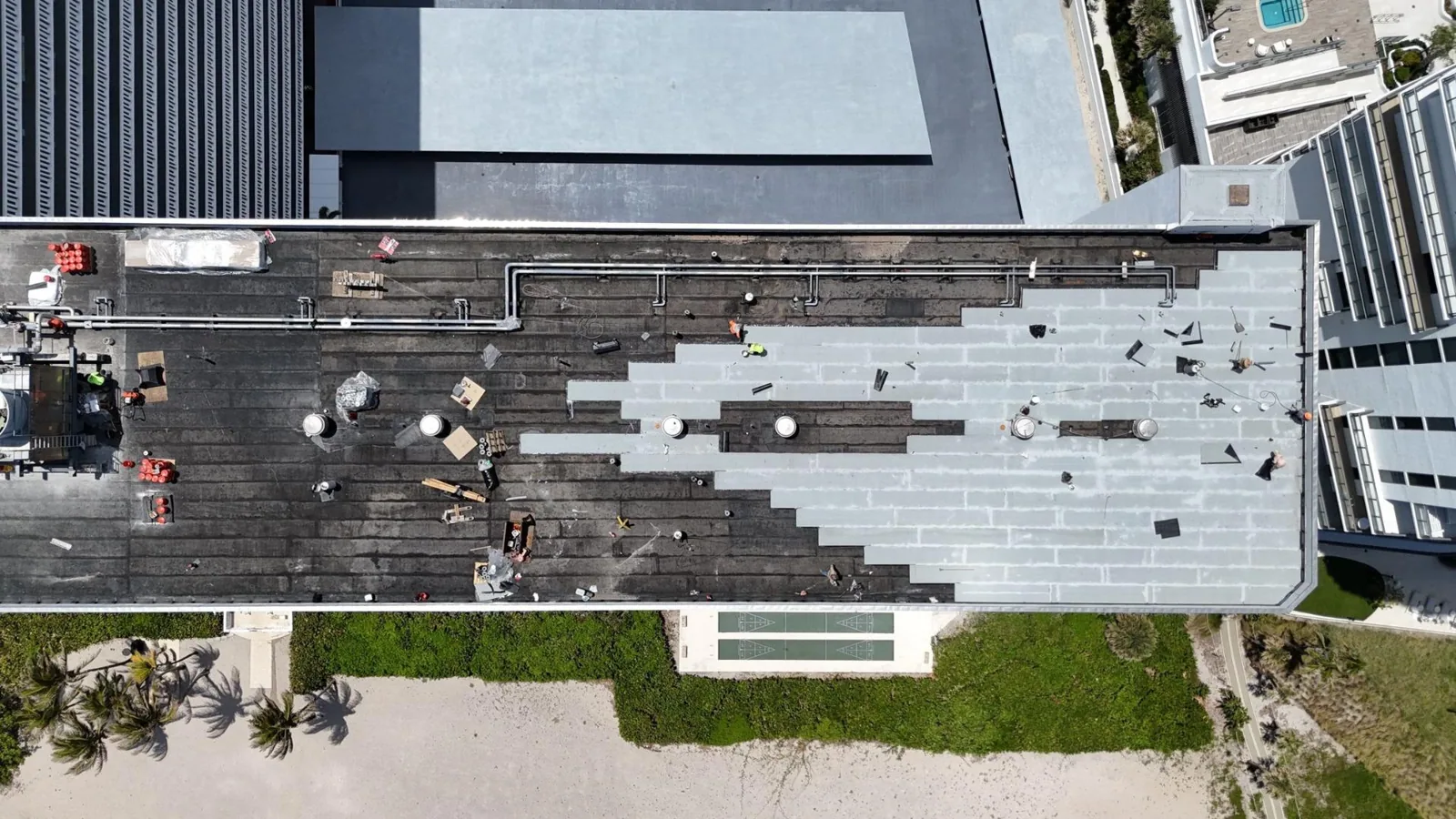
A localized patch is appropriate when the defect is bounded and the surrounding membrane can accept a sound tie-in. Repeated leaks, widespread wet insulation, compromised attachment, or deteriorated deck may need more testing or removal. We label what has been verified and what remains concealed. That gives the asset manager a basis for deciding whether to repair, recover, or replace rather than using a single leak location to set a full-roof scope.
Cost and timing move with access, shift restrictions, removal, substrate repairs, equipment conflicts, and the area that must remain protected. A roof inspection establishes the field record; the estimate then separates immediate correction from broader work. A replacement scope can divide the work by roof section and show dry-in limits, staging needs, and operational handoffs. We can also identify conditions that should be addressed before a busy receiving period.
How do roofers coordinate with a 3PL team?
The logistics contact controls dock timing and internal routes; facilities controls roof access; the owner may approve the scope. We identify those roles at the start and send the right information to each person. If another trade is working near a roof penetration, we confirm which contractor owns the equipment and which owns the flashing. A change in production schedule is carried into the work plan before the crew opens a section.
For a related industrial use, manufacturing operations may have process systems and exhaust near roof repairs. In either setting, the closeout returns to the operator with section, photos, work completed, and next action. That gives maintenance, dispatch, and asset management a shared reference while each team follows its own responsibilities.
Commercial Roofing Questions
Can roof work happen while trucks continue to arrive?
Often, if staging and access can be kept clear of required circulation. We confirm the receiving schedule, approved routes, and any lift restrictions before setting the work window.
How do you protect inventory during a roof repair?
We agree on the section, protection below, and a secure end-of-shift condition before opening the roof. The operations contact identifies any storage zone requiring special coordination.
Does a truck-route plan determine where your crew enters?
No. City circulation policy is broad context. The facility contact supplies the current gate, check-in, dock, and roof-access instructions for the specific work.
What if a leak is above a dock during an active shift?
We assess the roof route and containment need, then coordinate the work zone with operations. A permanent repair follows after the source and tie-in conditions are documented.
How do reports help across a 3PL portfolio?
Consistent section labels and photo records make findings easier to compare. Each property still gets its own condition, access notes, and repair decision.
Related Roofing Work
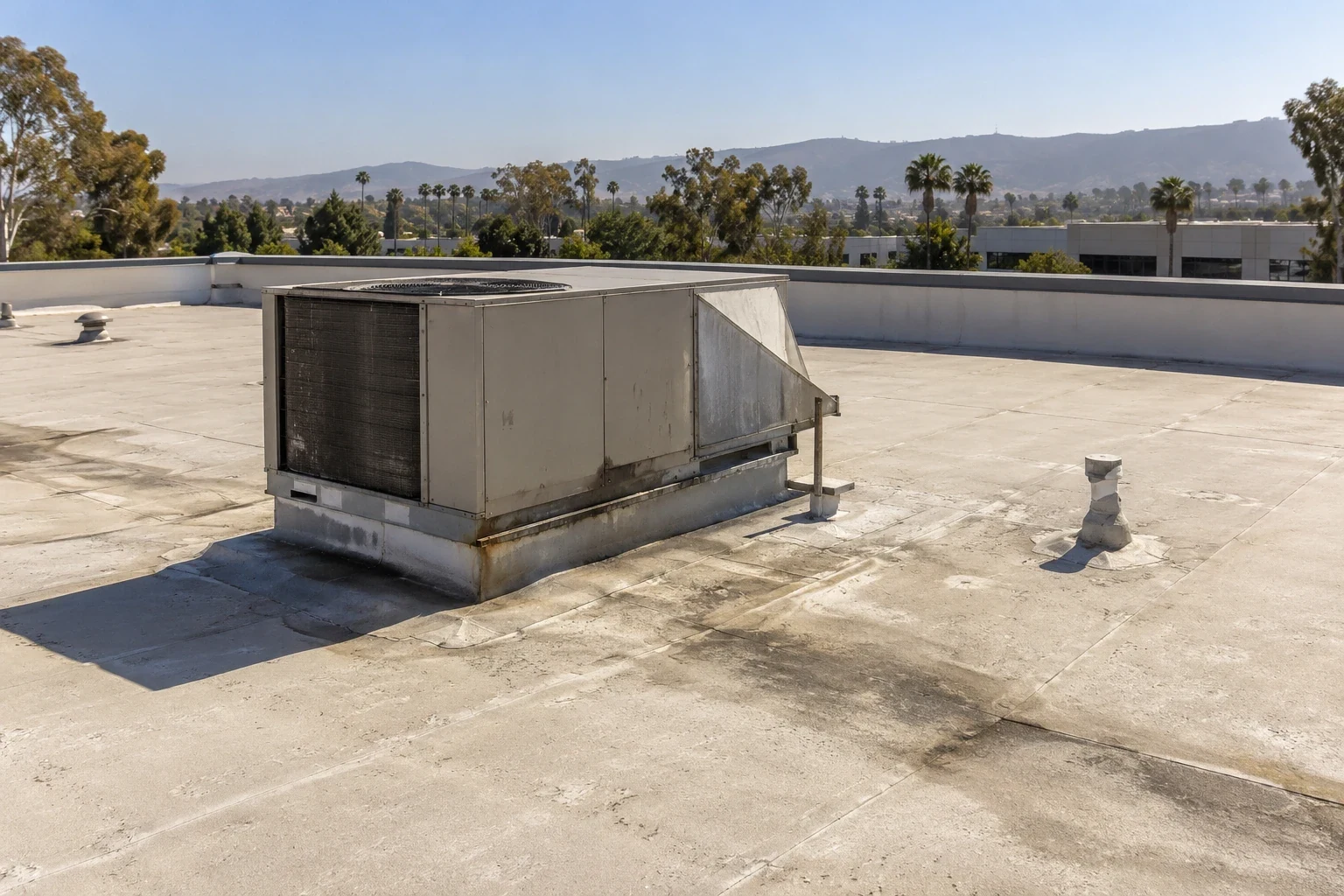
Choose a roof work window that protects dispatch
Share the affected section, dock schedule, approved access route, and any inventory protection requirements. We can define the first inspection route and keep staging constraints in the work plan.