
A system name is not enough to approve a roof scope. We confirm the layers, attachment, insulation, drainage, and transitions on the property before selecting repair or replacement materials. For Rialto construction, the Building Division uses plan review and inspections to check proposed work against state codes and municipal ordinances. A permit package filed in Rialto after December 31, 2025 enters review under the 2025 California Building Standards, which became effective January 1, 2026. The submitted design and scope determine the review path; a roofing product name does not.
In Rialto's General Plan, warehouse and industrial activity is mapped near rail facilities, with additional clusters toward the city's north and south. The building's own roof records still control what assembly is present. We document it section by section before comparing options.
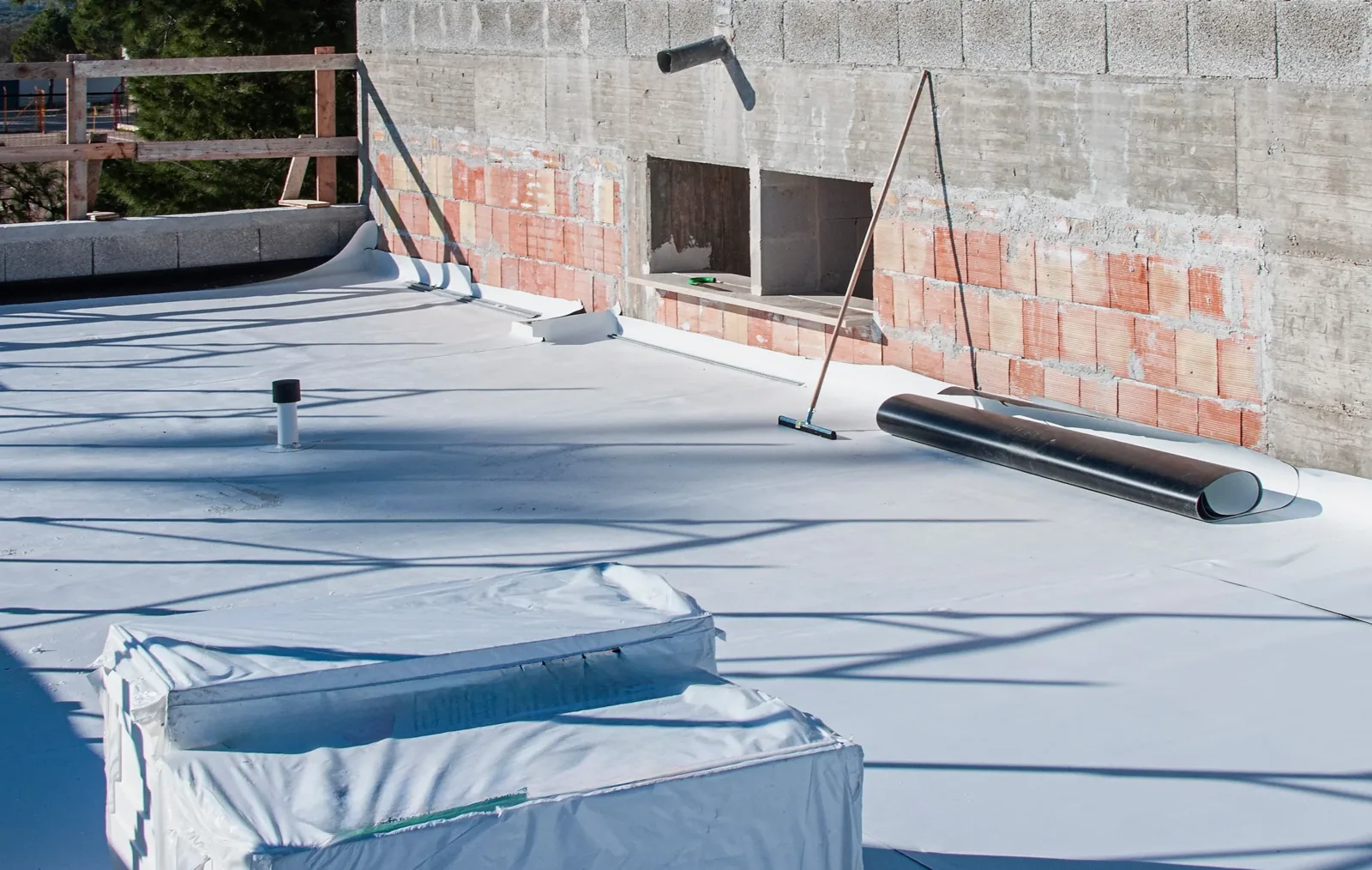
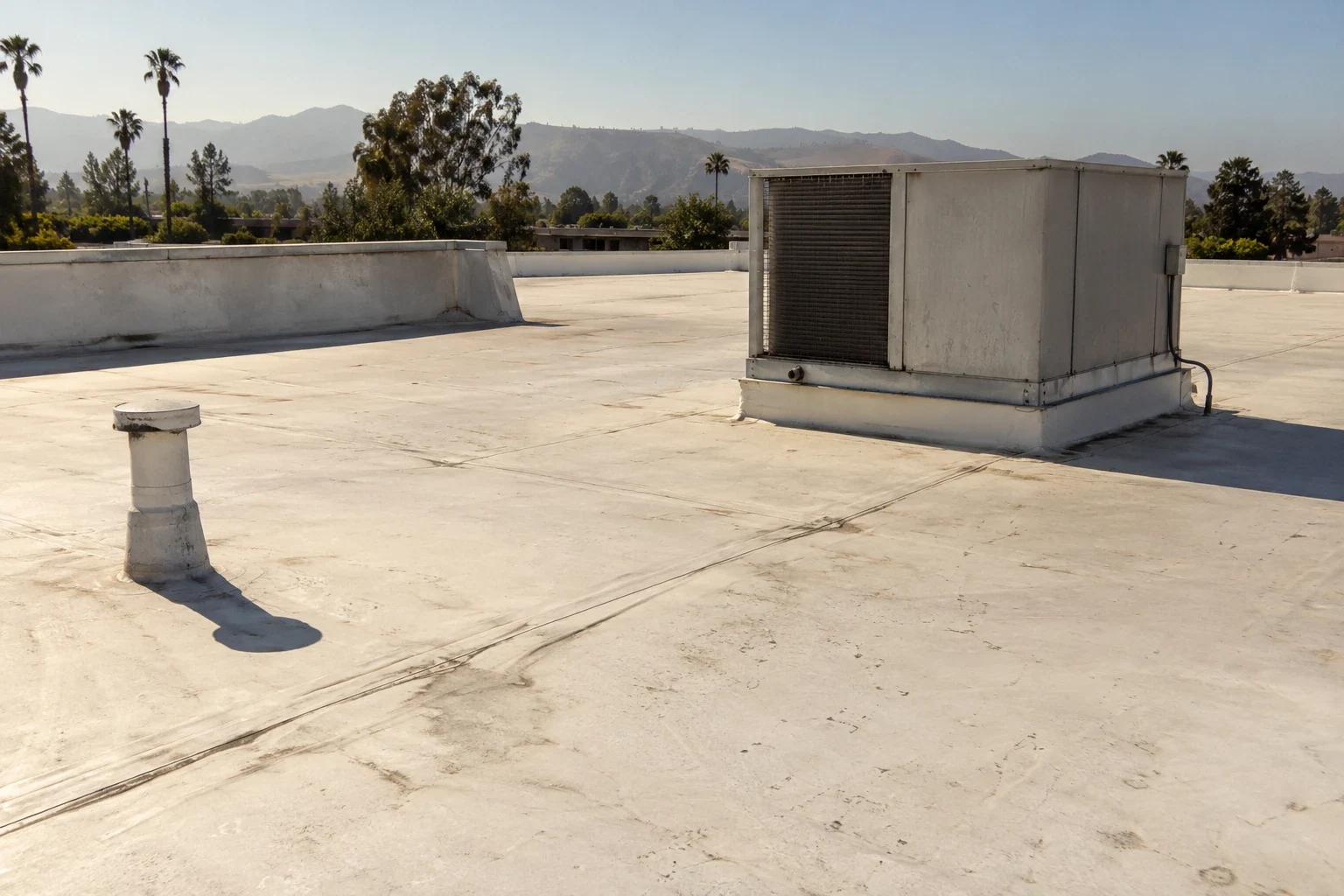
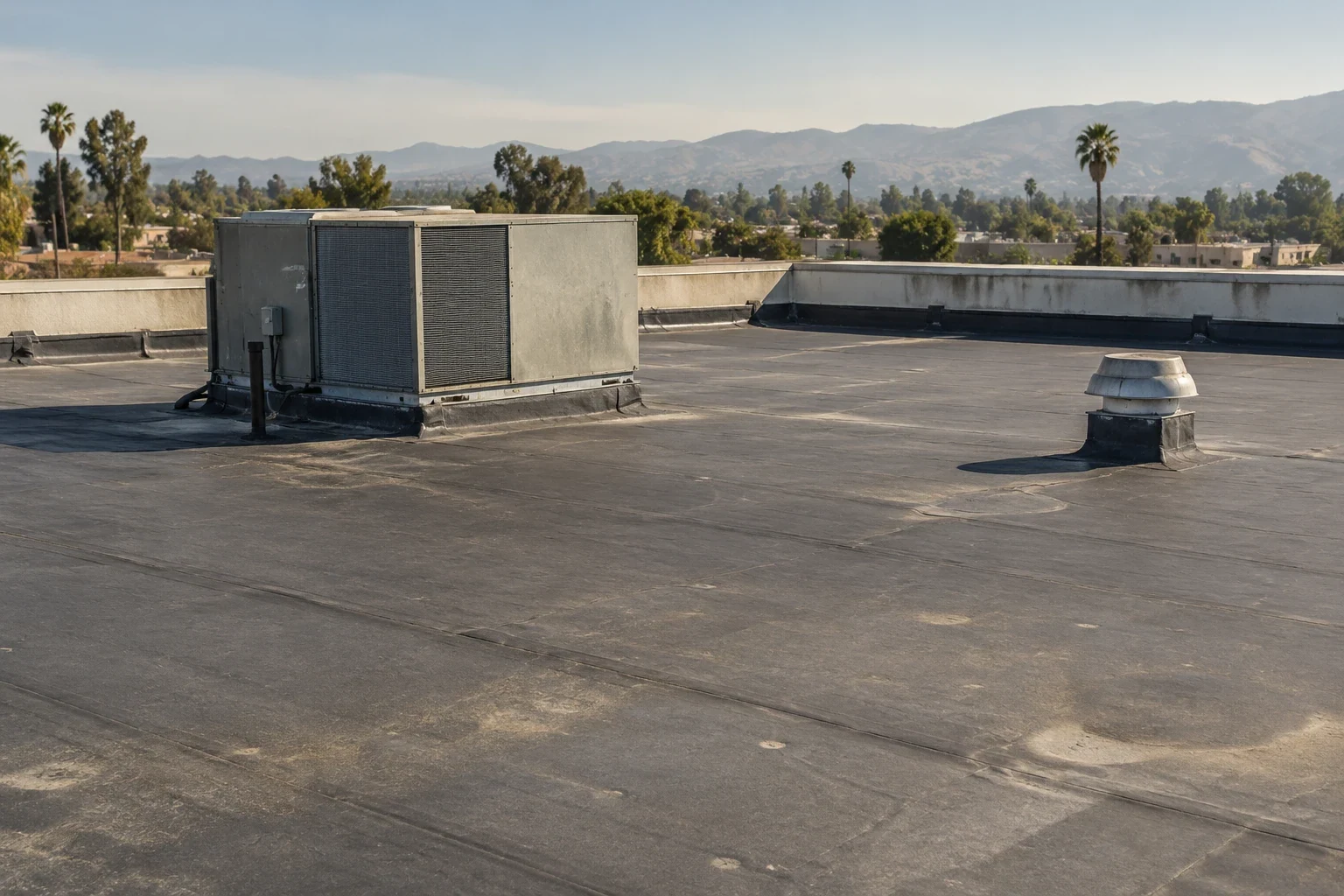

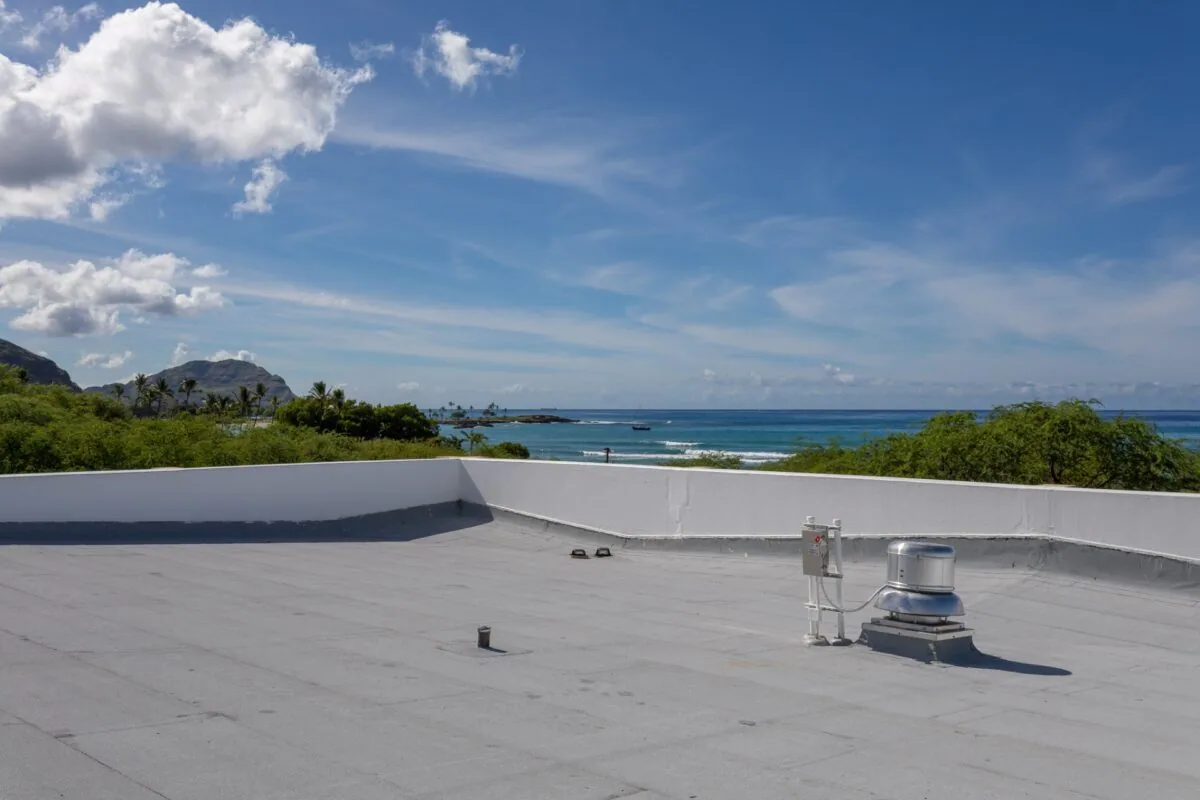
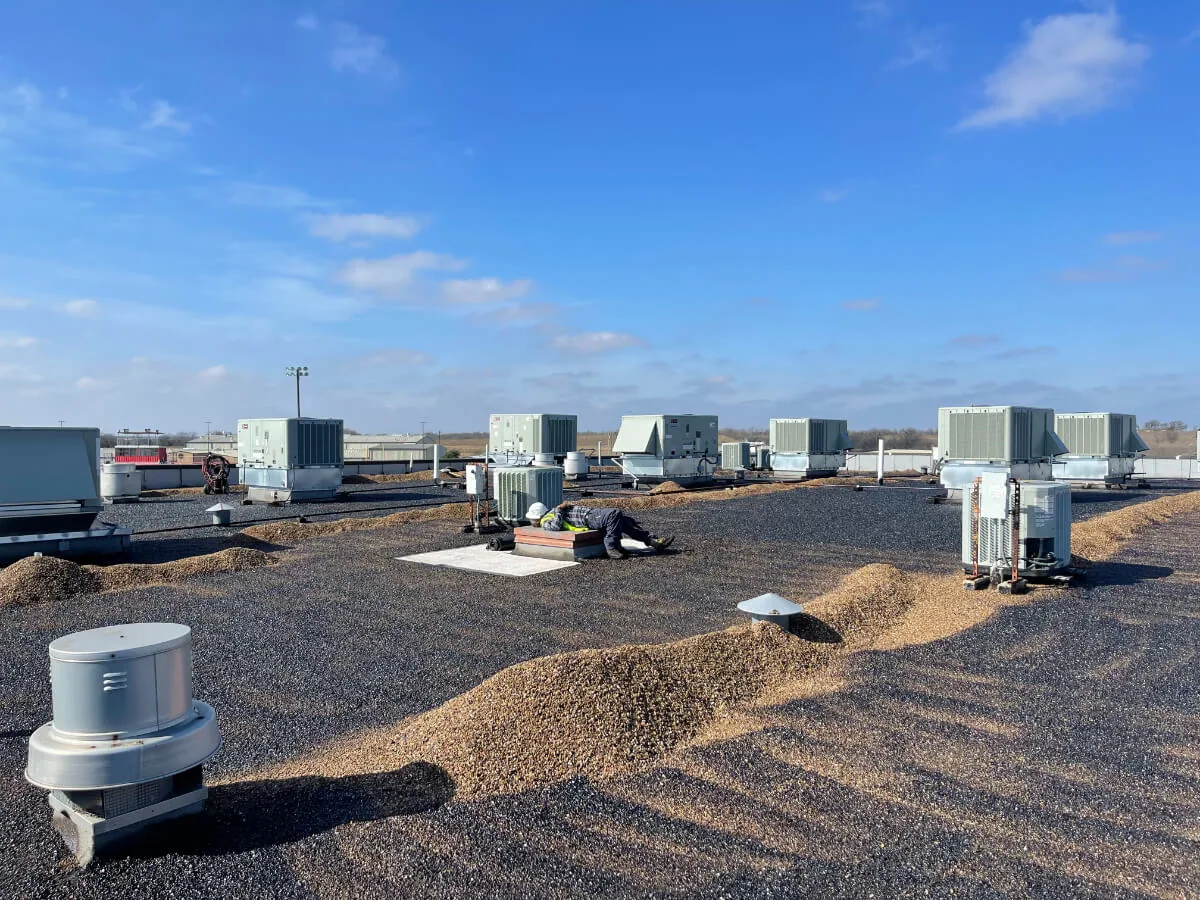

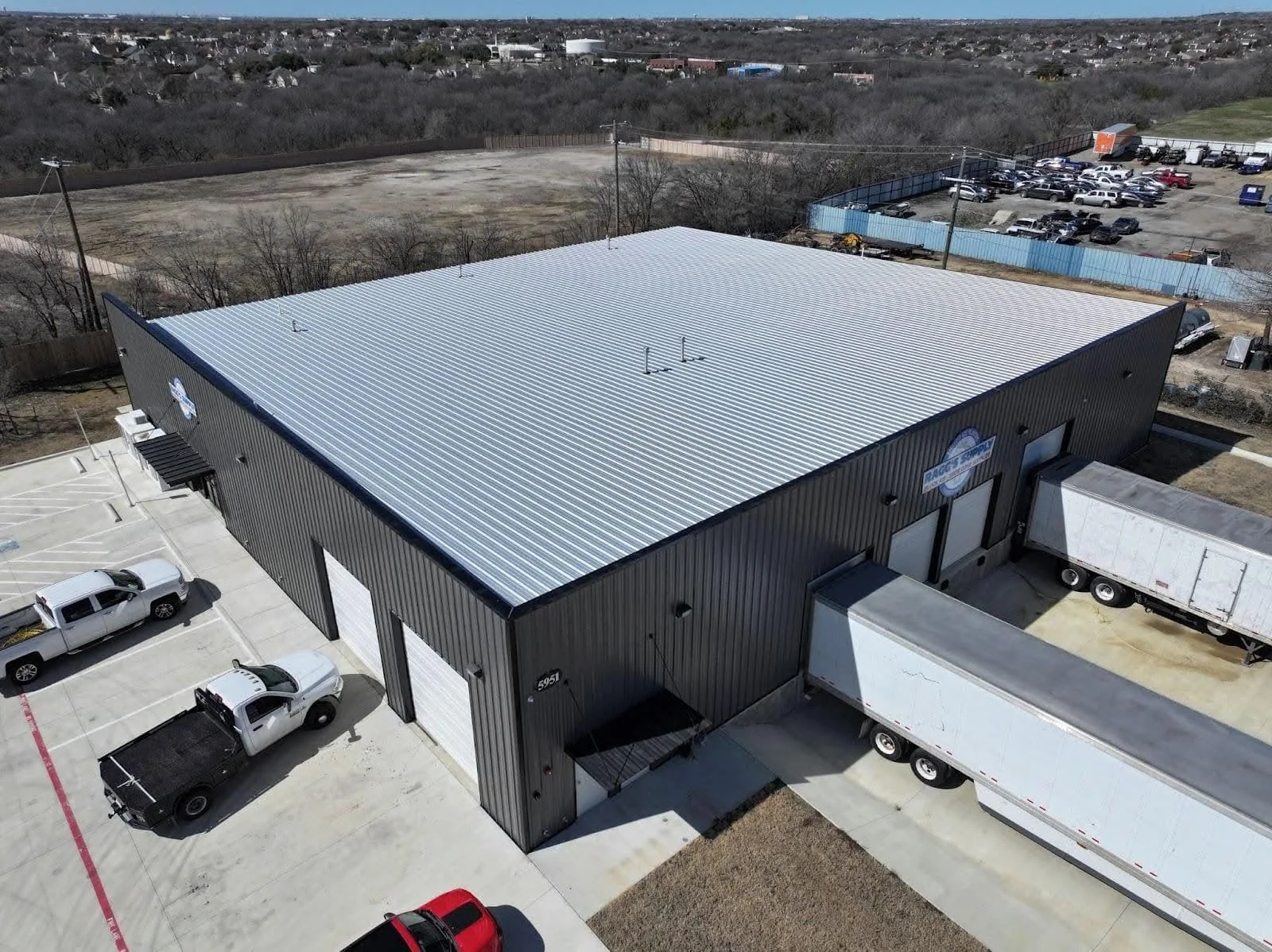
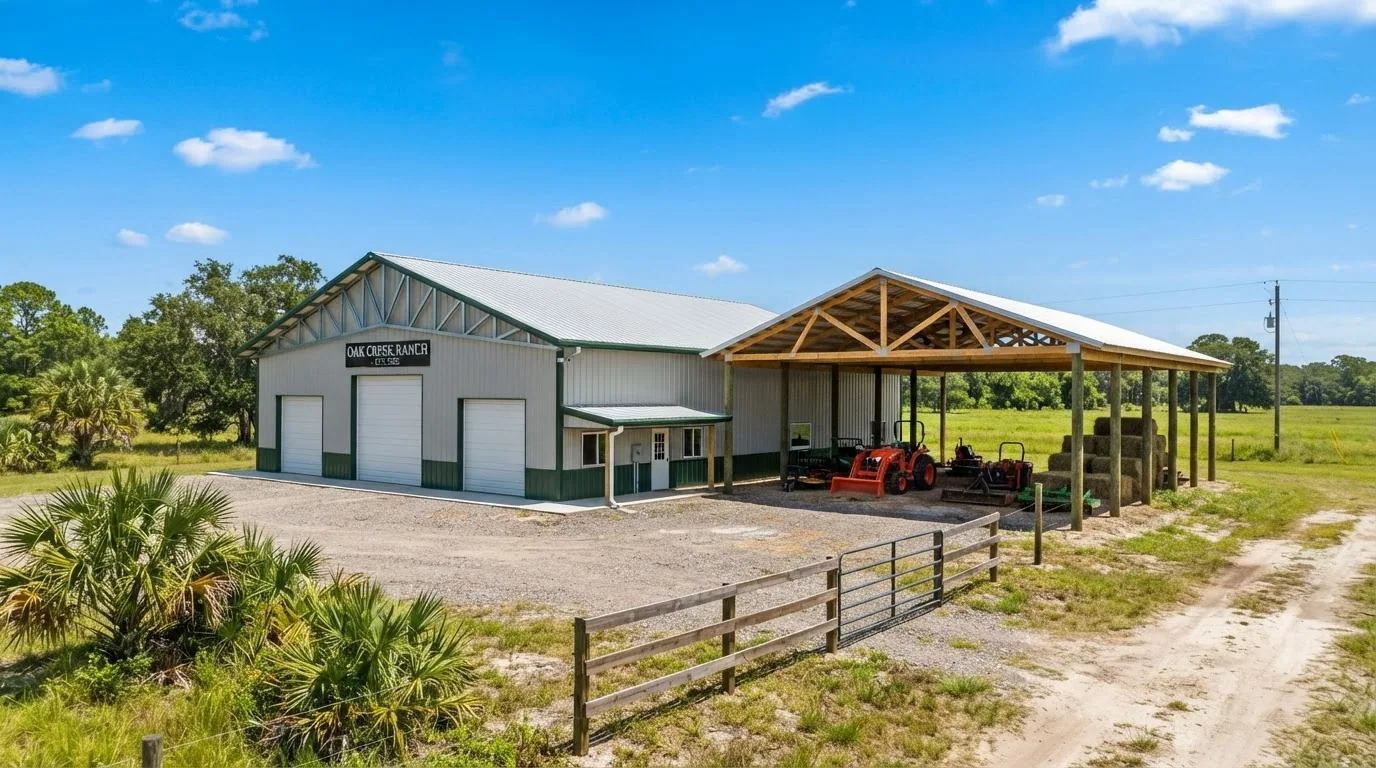
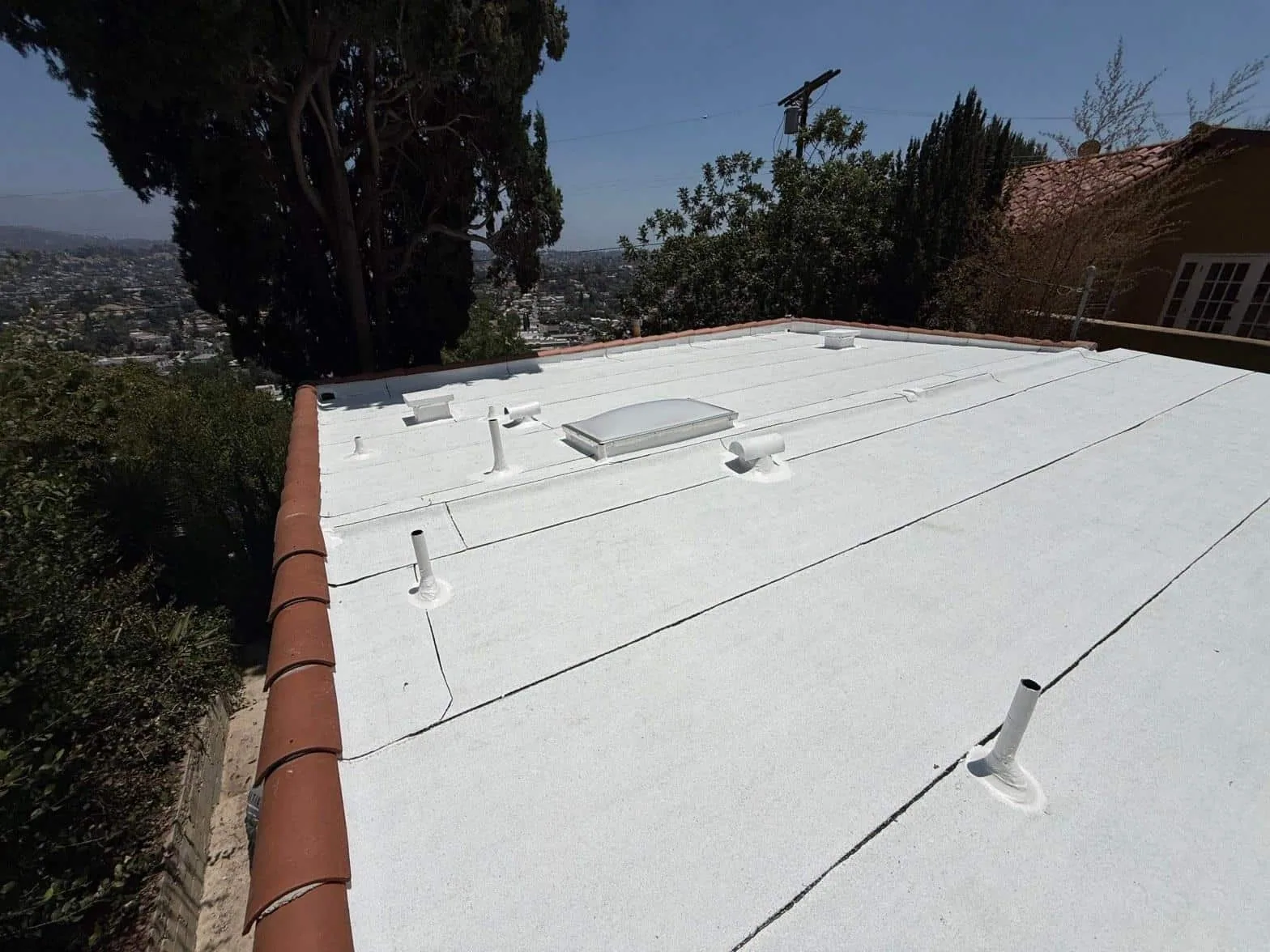
Which assembly matches the verified roof?
Single-ply systems use membrane sheets with seams and perimeter details that must match the roof's design and attachment. A TPO roof or PVC assembly may be specified for a project after checking substrate, insulation, drainage, and terminations. EPDM and KEE have different material properties and detail requirements. We compare actual product documentation and compatibility rather than infer a system from a district or building use.
What should the roof section record include?
We identify membrane type only when drawings, product markings, or field evidence support it. Then we note seams, flashings, curbs, drains, penetrations, edge conditions, and prior repairs. If the roof has multiple layers, a modified-bitumen assembly or built-up roof needs an assessment of its surfacing and retained materials. A commercial inspection ties these details to a labeled section, while an infrared moisture survey can help select test locations when concealed wet material could affect the scope.
How do metal and foam systems change the inspection?
Standing-seam roofs concentrate attention at panel joints, clips, penetrations, and eaves. A standing-seam system or metal retrofit also needs the framing and existing assembly checked before new work is planned. A spray foam roof depends on surface condition and protective coating continuity. We document the observed substrate and transitions before estimating repair, recoating, or replacement.
When should a coating enter the comparison?
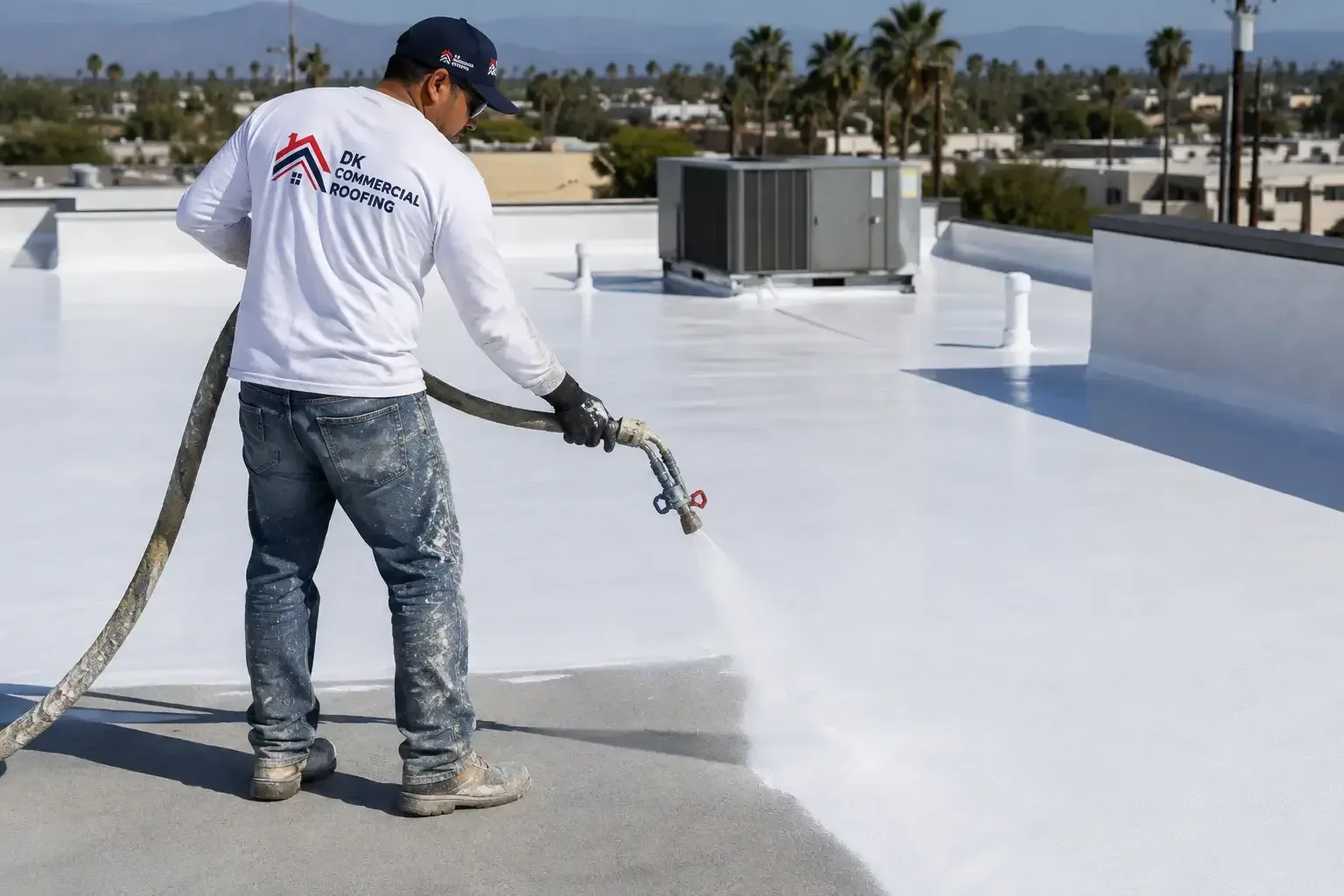
A coating is a restoration method only when the existing assembly and surface meet the selected system's requirements. We inspect adhesion, moisture, seams, penetrations, and drainage; then define preparation and repair work before applying a new layer. Silicone and acrylic coatings are not interchangeable by name alone. The work order identifies compatibility, the section to be restored, and the condition that would make another option more suitable.
Commercial Roofing Questions
Can a roof plan name determine the installed membrane?
A drawing is a useful record, but we compare it with visible layers and details. If the evidence conflicts, the report states what needs confirmation.
When are code requirements checked?
Rialto's Building Division reviews construction under applicable codes and City ordinances. The project design, scope, and submission date establish the review steps.
Can a coating be applied over any existing roof?
The assembly, moisture, adhesion, drainage, and preparation requirements have to support that method. We inspect those conditions before writing a restoration scope.
What changes a system replacement estimate?
Removal depth, substrate repairs, insulation, edge and drain details, access, staging, and daily tie-ins can change quantities and sequence. The estimate should list those inputs.
Request a Roof Assessment
Share the roof drawings, repair history, and reported condition. We will identify the section, confirm its assembly where evidence allows, and set the next scope.