
Keep display access and service traffic separate from the roof work zone. We begin with the leak location, identify the roof section above it, and check what part of the operation sits below the repair. An auto dealership may combine public areas, offices, service functions, and vehicle storage. The inspection plan names the affected space and the route crews can use without sending equipment through a customer path.
The General Plan places commercial activity in several Rialto corridors; it names the Baseline/Riverside meeting point, Valley Boulevard, Riverside Avenue, and Foothill Boulevard. The Gateway Specific Plan Area map includes retail-commercial and office-park designations alongside freeway-commercial and industrial-park areas. These broad planning references help frame the market, but they do not establish what a particular dealership's roof contains. We rely on site inspection for that decision.
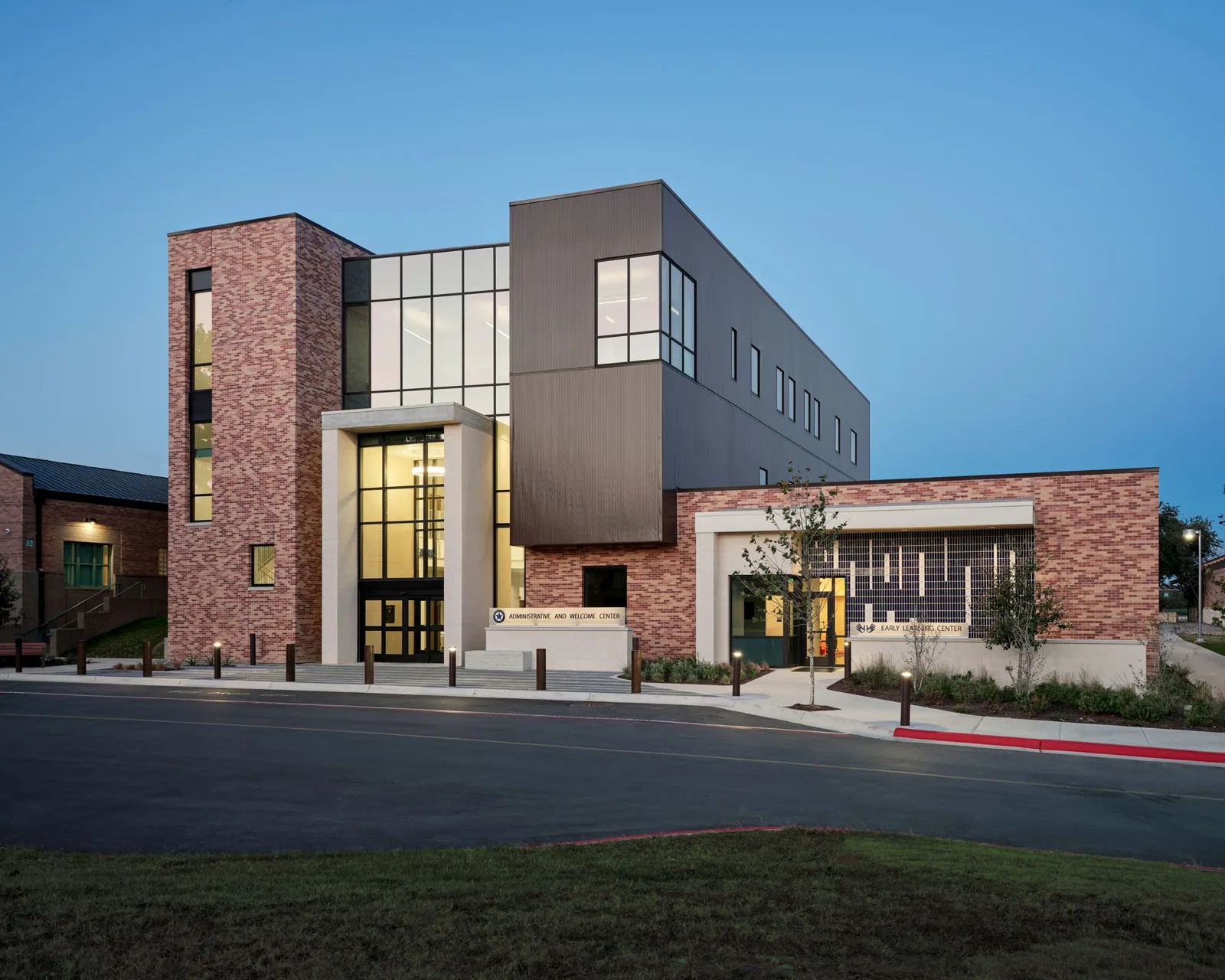
Which Areas Need to Stay Open?
Walk the ground before setting a ladder. Identify the customer entrance, service drive, parts delivery route, employee access, and any vehicle display area that could sit below the work. Mark the active zone and agree on an alternate path if staging will narrow a drive aisle. The property contact should know when the route changes and who will confirm that it is ready to reopen.
Inside the building, note where the water appears and which operations are affected. Then match that location to the roof plan rather than assuming the nearest penetration is responsible. Check the roof plane, drains, seams, curbs, and wall transitions above the area. A commercial inspection can locate the likely path; a repair assessment can convert the confirmed defect into a limited work order.
What Should the Roof Walk Cover?
Inspect the details that interrupt the membrane: rooftop units, exhausts, skylights, pipe penetrations, curbs, parapets, and edges. Look for loose flashing, open laps, punctures, corrosion, sealant separation, or earlier repairs that have lifted. Photograph each finding with a section label and scale reference. Note whether it is a visible repair item, a suspected concealed condition, or an area that could not be safely reached.
Rialto's climate plan names extreme heat among the City's hazards and says hot days are regular. That is citywide context, not a forecast for a particular property. We record the surface condition and use the chosen material's installation limits when planning work. A condition review can sort findings by urgency, and a drainage inspection can address outlets that affect the same roof section.
How Can Inventory and Equipment Be Protected?
Before repair, determine what sits below the work and how the area can be protected. Move vehicles or components if the site team requests it, cover sensitive equipment, and keep falling debris away from customer circulation. For work involving adhesives or heat, define the controls, affected area, and sequence in advance. If a shift ends before the roof is closed, secure the opening and document the temporary condition before leaving.
Rialto describes active and proposed commercial and industrial development in several planning areas, including Gateway. Proposed entries are not a completed inventory and do not describe any dealership's building. For a property inside the broad district, we still map the actual access paths. A Gateway-area roofing visit should coordinate the roof route with the ground activity observed at that location.
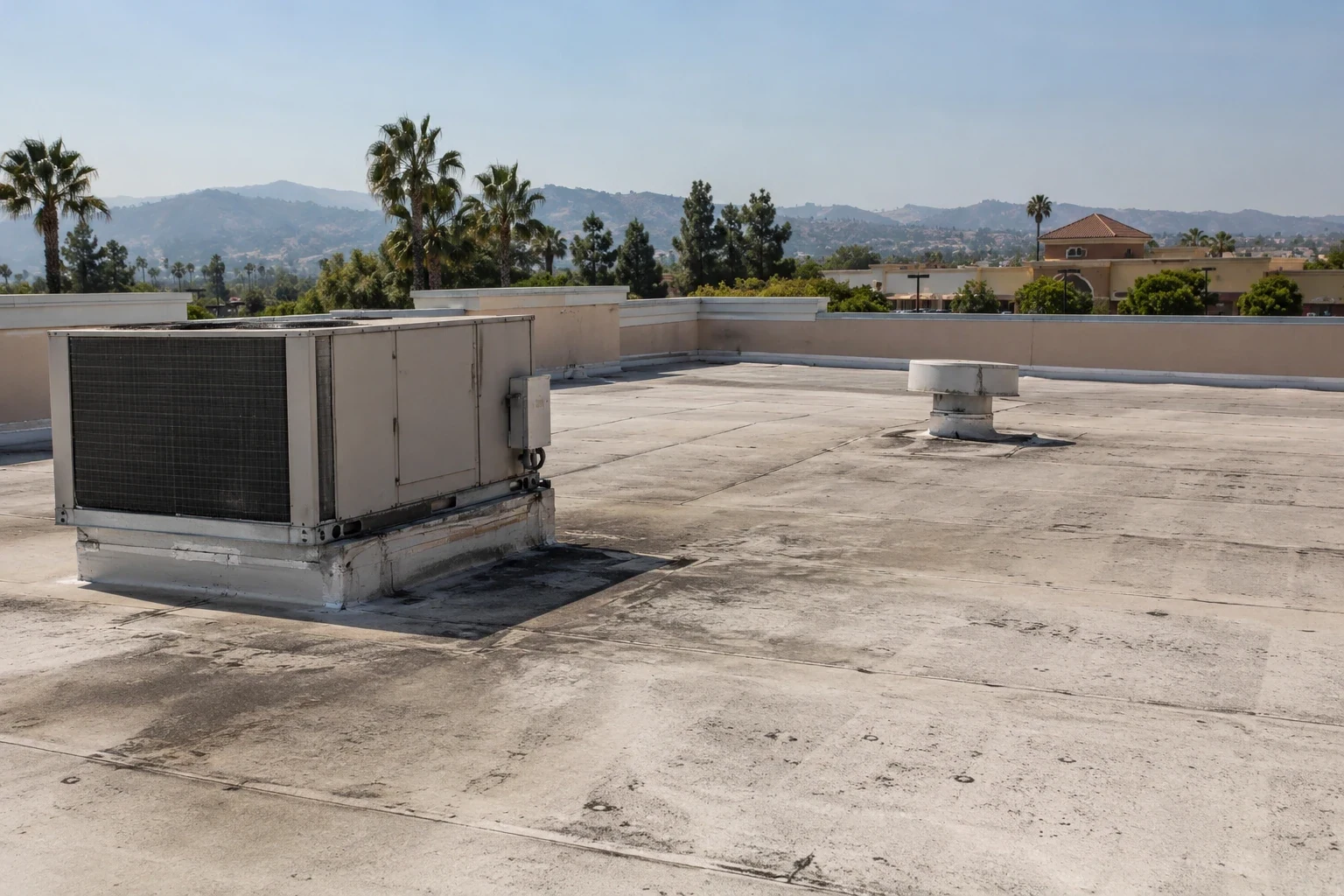
What Is the Safest Repair Sequence?
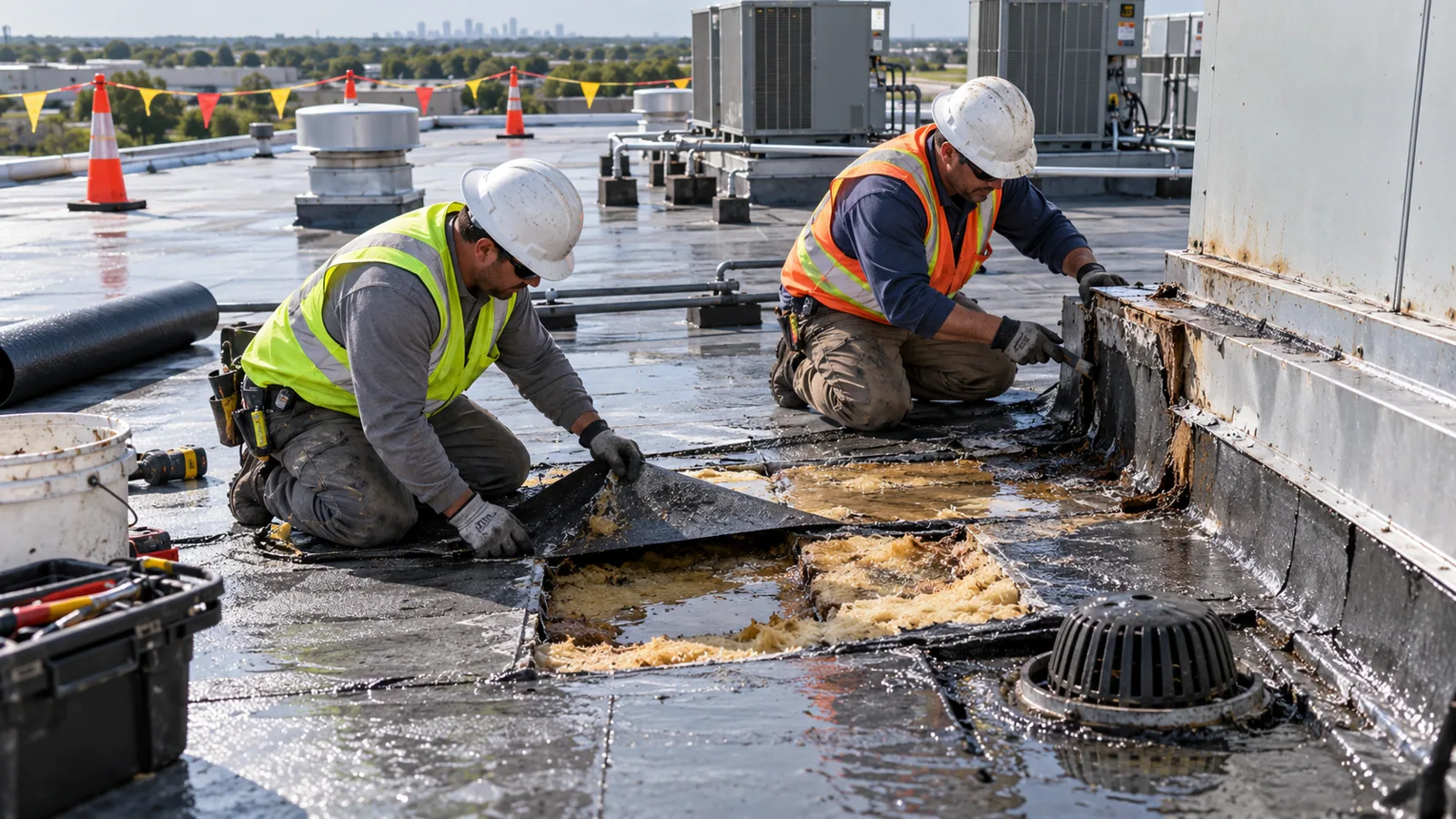
Set the order from leak control to permanent correction. Protect the interior, confirm the roof entry point, remove only the material needed to reach a sound repair boundary, and check the surrounding assembly. Match the repair product to the membrane and detail. Record the repaired limits and any transition that needs later observation. This makes the service ticket useful to the next technician and prevents a temporary patch from being mistaken for a completed assembly repair.
If moisture may extend below the visible defect, use a targeted opening or other appropriate test before finalizing quantities. Keep that allowance separate from confirmed work. A moisture survey may identify areas for verification. For larger failures, a replacement review can compare the repair history and condition map with an assembly change.
When Can the Crew Reach the Roof?
Choose an access window that avoids peak customer movement and service turnover. Confirm where the crew can park, how tools reach the roof, and which doors or lanes must remain available. The site's operating contact should provide any daily restrictions and a method for confirming changes. If a repair needs more than one shift, state the protection plan, roof boundary, and restart point so another crew does not begin at an unsafe or unfinished edge.
Rialto's commercial corridors are planning geographies rather than a promise of service at every parcel. The the city commercial-corridor route covers broad street areas, but the work window remains property-specific. A phased reroof plan can align section limits, daily closeout, and customer notices when repair scope expands beyond one detail.
When Is a Larger Roof Decision Warranted?
One failed curb or open seam may have a clear repair boundary. Repeated leaks, wet insulation across several sections, widespread membrane failure, or unstable attachment can point toward a larger project. Verify concealed conditions that change the recommendation. Put the repair, investigation, and replacement options beside the findings that support them, then state operational impacts such as staging, vehicle relocation, or work-zone duration.
A capital review should compare condition, past repair records, access constraints, and the timing the property can support. A shopping-center roof review or large retail property assessment may have different traffic patterns, but the same roof evidence is required. Do not price an assumed roof-wide scope from one leak report. Show which sections were inspected and which need further confirmation.
What Does a Useful Closeout Record?
Return the inspected section, leak location, completed work, material information, and follow-up items in one record. Add labeled photographs of the defect before repair and the finished transition after work. Confirm that staging and customer routes have been restored. If an opening, dry-in, or test area remains, list its protection and the next action. The site manager should be able to connect the ticket with the roof plan without relying on a verbal handoff.
Rialto's adopted planning documents describe commercial and industrial land uses across broad districts, including Gateway and Foothill Central. Those names locate the wider business context, not a specific roof system. Keep the recommendation tied to the inspected property, and retain the same roof-section labels for future maintenance. A steady record makes it easier to distinguish a recurring failure from a new condition.
Commercial Roofing Questions
Can sales and service operations continue during roof repairs?
Often, if the active work area and ground route are separated. The site contact identifies customer paths, service access, and vehicle movements, then we set a sequence that keeps unaffected areas usable.
What details matter above a showroom or service bay?
We inspect nearby drains, curbs, penetrations, seams, and edge transitions, then trace the water path from the reported area. The record distinguishes confirmed defects from concealed conditions that need testing.
How should vehicles be protected during a repair?
The property team identifies the area below the work and relocates vehicles or equipment when required. We define the overhead boundary, protect the route, and document where staging can occur.
Can one leak justify replacement?
A single leak usually starts with a focused investigation. Replacement becomes a broader question when findings show widespread failure, recurring problems, or concealed damage across multiple roof sections.
What should be in the repair closeout?
Keep the roof section, before-and-after photos, repair limits, material details, and open follow-up items together. Confirm that ground access has been restored before the ticket is closed.
Related Roofing Work
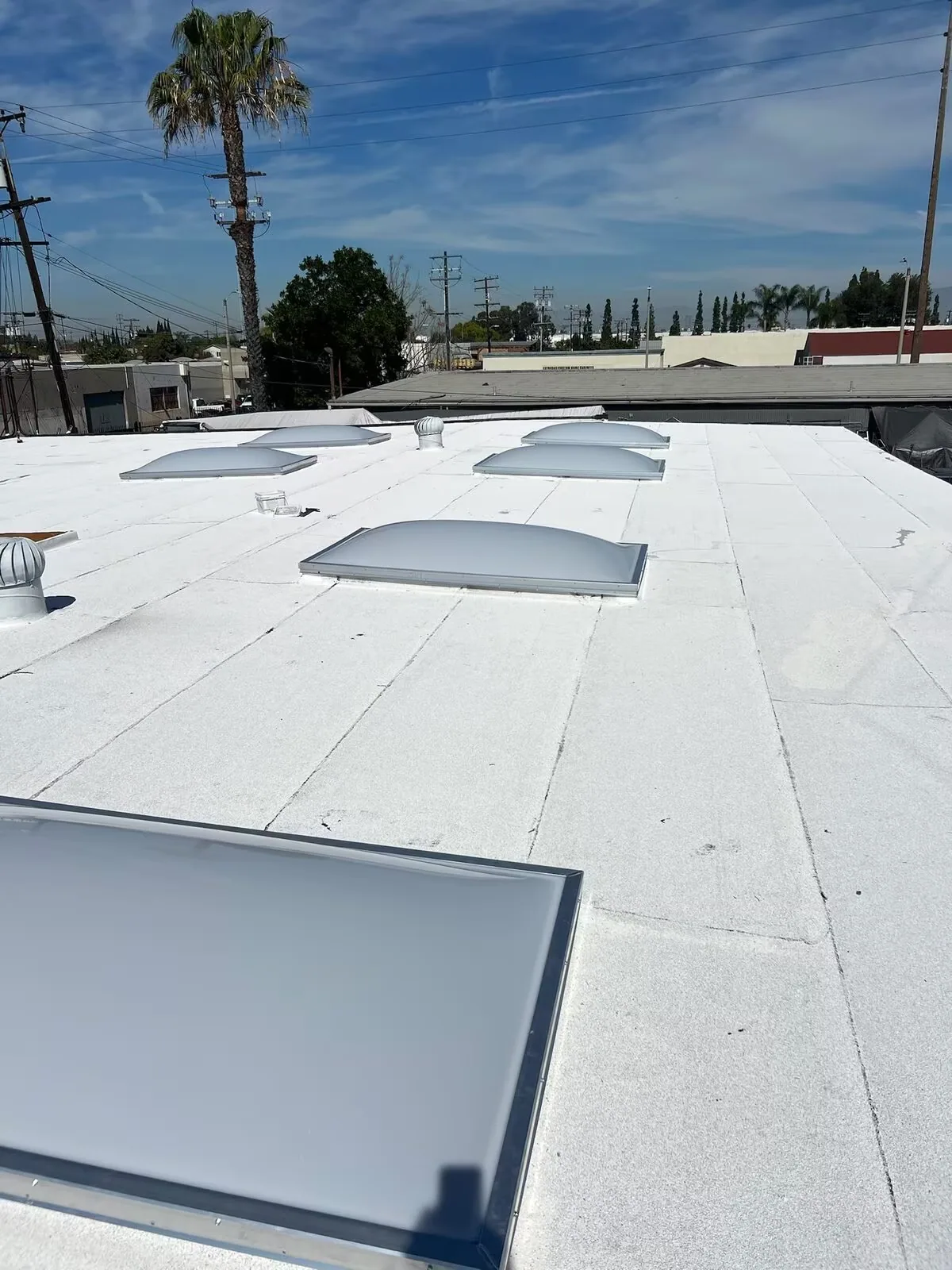
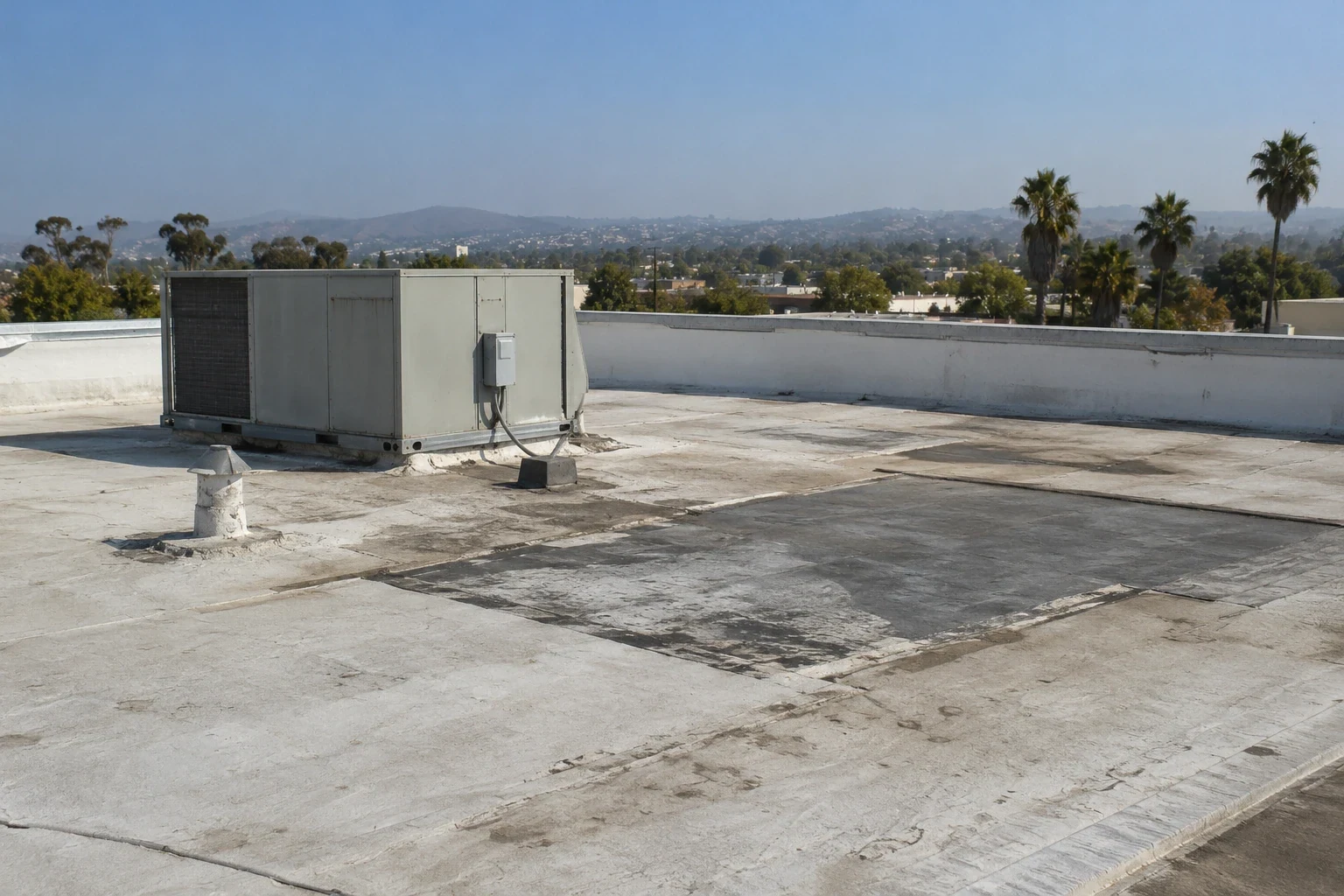
Plan Around Customer and Service Traffic
Share the roof plan, leak area, operating schedule, and access lanes. We will map a safe inspection route and return a defined repair or capital scope.