
A storm report over an active Rialto, CA facility needs a safe access decision before anyone moves toward the roof. First isolate the area below the leak or exposed opening. Then confirm who can authorize the route, whether loading is active, and which roof section needs inspection. We record visible movement, punctures, displaced flashing, and drainage changes before choosing between temporary containment and a permanent repair. The first ticket keeps those actions distinct, so a dry-in is not mistaken for a completed correction.
Rialto's climate plan groups heat, wildfire, flooding, and air quality in its municipal hazard review. Those broad categories inform context; the storm assessment relies on evidence documented at the affected property. The City's map places Foothill Boulevard and Riverside Avenue among its commercial streets. Some industrial and warehouse activity is rail-adjacent, but neither pattern identifies damage or an approved roof route. A roof above customer access requires a different work zone from one above receiving lanes. We build the inspection route from the facility's roof plan and operating window, then connect each finding to the place it can be found again.
What should the crew check first?
Before the crew climbs, the contact identifies the interior location, time of the report, active equipment, and any ceiling movement. If water is near electrical panels, inventory, or a production line, the facility team isolates the affected area and keeps staff clear. A sagging ceiling stays closed off until its condition is addressed. Photos from below help set the first route, but they do not replace a roof inspection. We ask for the gate, roof hatch or ladder, escort rules, and a place to stage tools without blocking fire access.
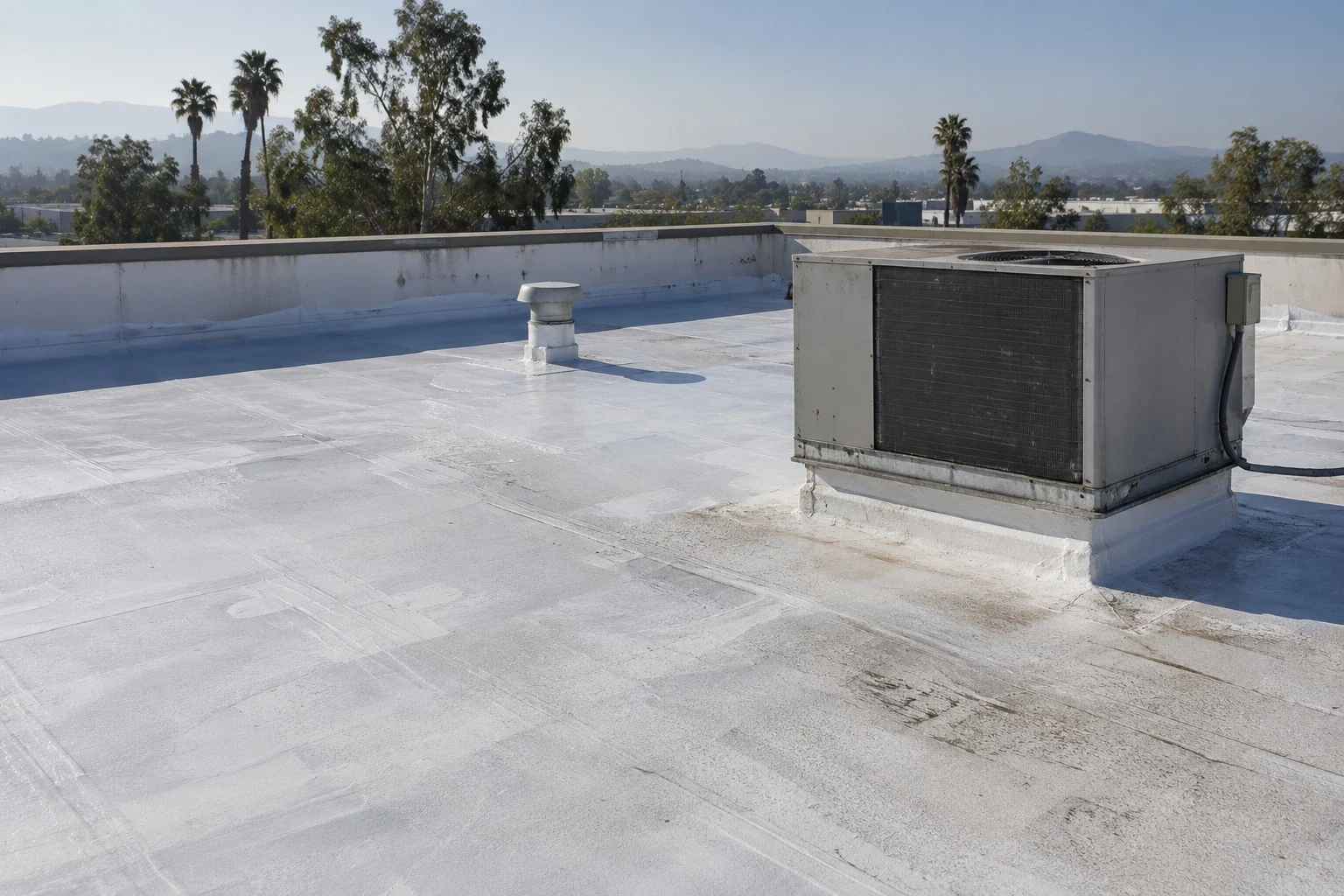
On the roof, we begin above the interior report and extend the walk to nearby seams, drains, curbs, penetrations, and edges. Wind can loosen an edge or open a seam; driven water can enter where flashing has separated or a prior patch has lifted. We document the detail and the area around it before covering anything. If the building needs immediate protection, our emergency roof response can isolate the wet area and establish temporary dry-in. The permanent ticket follows the assembly and explains what must be repaired after conditions permit.
Which roof details need a closer look?
Storm damage can appear as a loose perimeter, lifted membrane, puncture, open flashing corner, displaced cap, or debris lodged in a drain. Each condition creates a different repair boundary. At a seam, we check attachment and the nearby sheet edges before selecting a patch. At a curb, we inspect the flashing turn and counterflashing. At metal edges, we look for movement and exposed fastening. An open seam review may require more than a surface bead if the sheet has pulled back or the substrate is compromised.
Water marks can run beyond the storm opening. We compare ceiling reports with roof slopes, drain locations, and the path over the membrane. A controlled opening or core can show whether insulation is wet at a selected point. That test helps define how much material needs removal; it does not turn one sample into a roof-wide quantity. If the visible issue is a puncture, a membrane puncture repair can identify preparation, compatible patch material, and the tie-in to stable roof surface. The work order names any adjacent detail that remains open for monitoring.
What belongs in the damage record?
Record the date the condition was reported, the roof section, weather information supplied by the property contact, interior effects, and the access used for inspection. Photograph the full context and a closer view of each damaged detail. Mark which conditions were visible, which were opened for inspection, and which remain inaccessible. We separate completed emergency work from recommended permanent repair. That gives a facility director a repair ticket and a condition record that can support the next maintenance or claim conversation without overstating what the crew observed.
Gateway's plan combines business-park, retail, freeway-oriented commercial, and industrial designations. These describe planned land use, not the storm condition at an individual building. A building in one of those areas still needs its own roof section labels and access notes. We write the record around the property rather than treating a planning district as a damage description. A roof condition report can hold the photos, repair history, and follow-up items together. If the claim involves a larger event, our claim documentation support can organize field observations and repair records for the owner's insurer.

When is a temporary dry-in no longer enough?
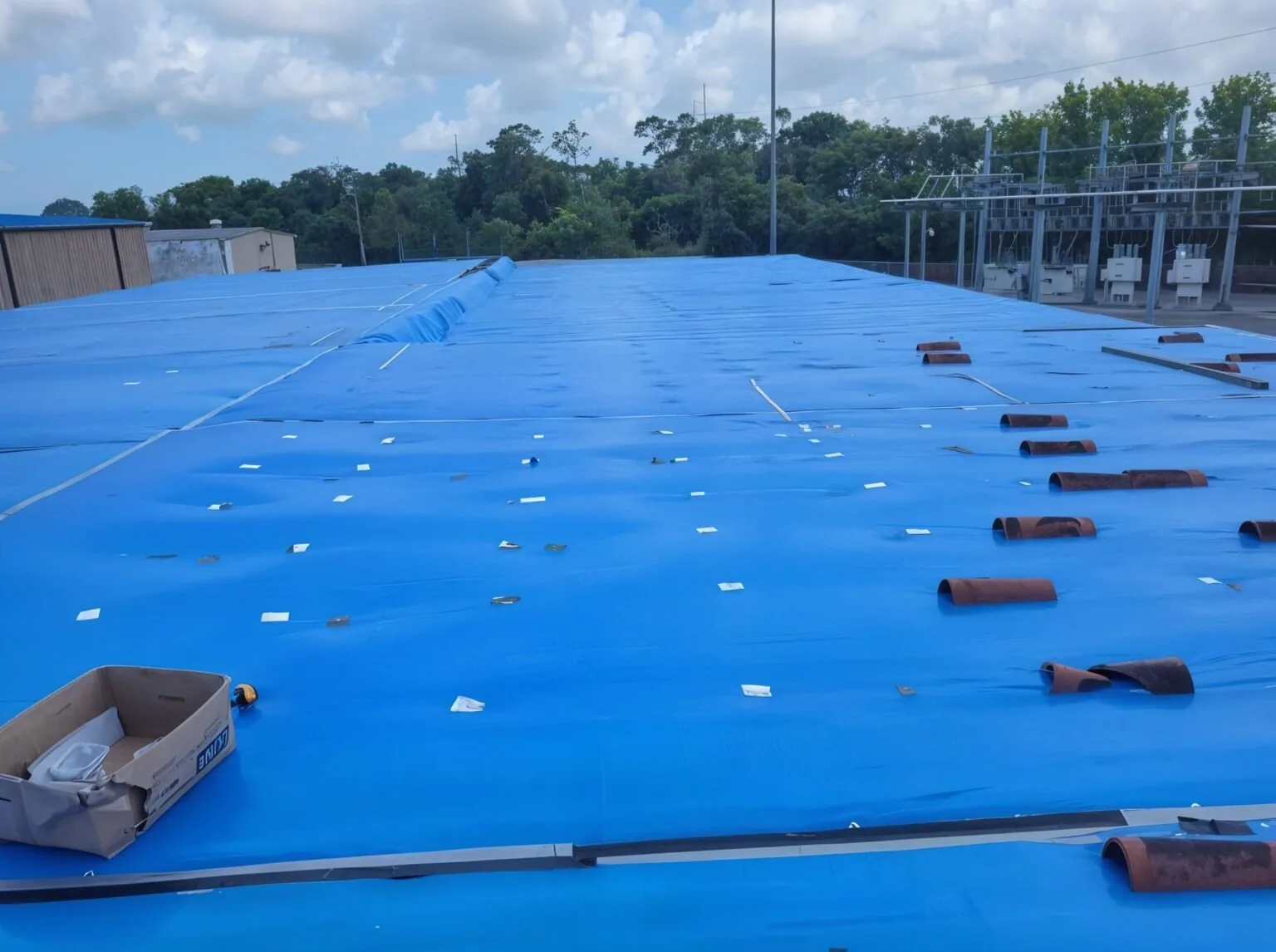
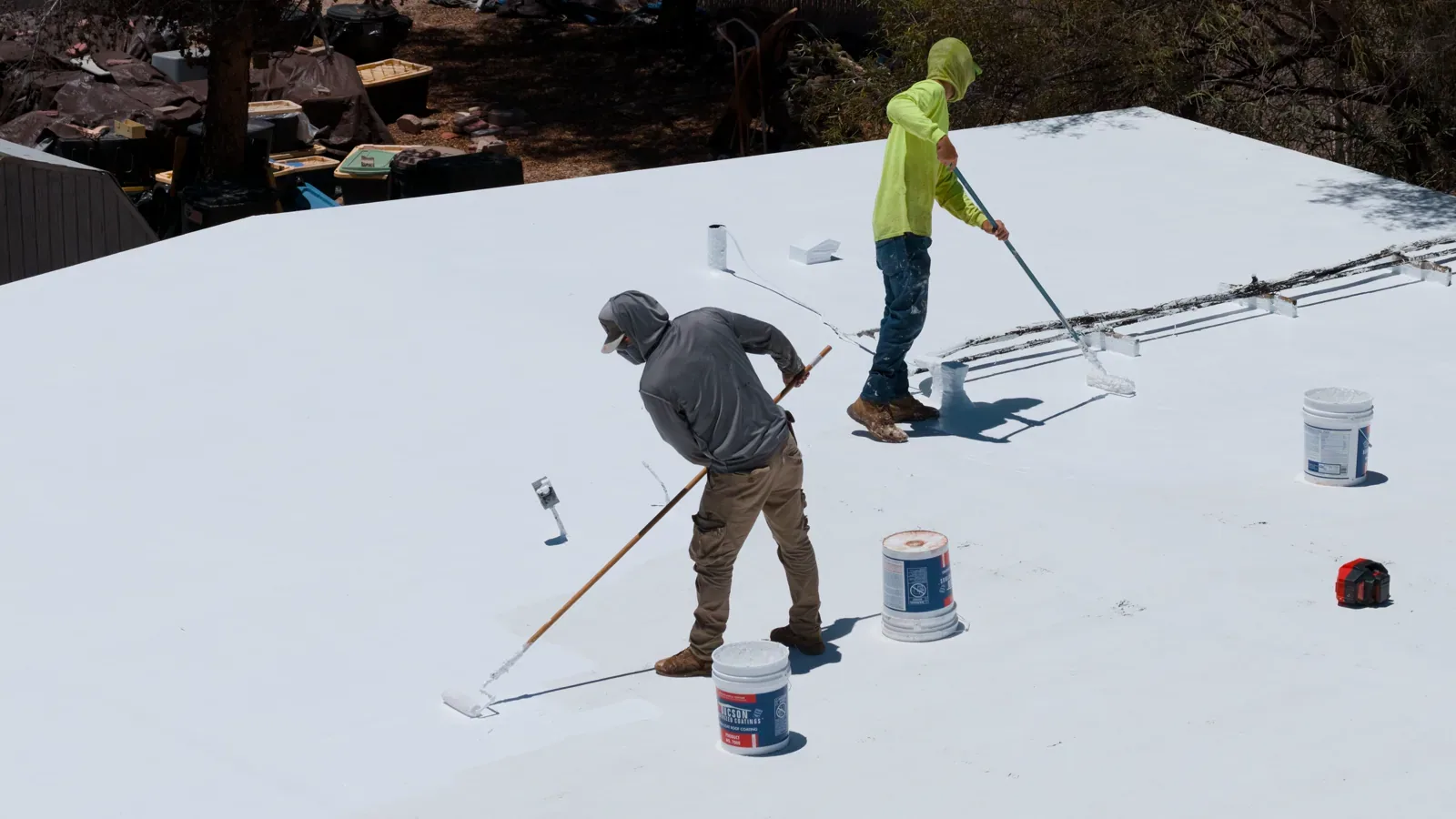
A temporary cover limits exposure while the permanent scope is prepared. We note its boundaries, the protected interior, and the condition that should trigger another call. Once the roof can be worked safely, we remove loose or contaminated material, prepare stable membrane, and tie the repair into compatible surfaces. A patch that bridges a moving edge or wet insulation can reopen. If the inspection finds moisture beyond the original opening, we contact the facility lead and revise the work area before closing it.
Some storm reports reveal a local defect; others expose recurring movement or broader attachment problems. We compare the damage with prior repair tickets and adjacent roof sections. If only a single detail is affected, a localized repair may suit the building. Multiple wet areas, unstable attachment, or separated membrane across sections may call for a wider inspection or replacement review. Our hands-on roof inspection maps the conditions that affect that choice. A perimeter metal repair can be scoped separately when the edge or coping has moved.
How do Rialto operations affect storm repair?
Agua Mansa spans local boundaries, with mapped land inside Rialto as well. Verify the address and jurisdiction before arranging a storm visit. For a repair in that part of the City, we coordinate with the facility contact on yard access, vehicle movement, roof entry, and the work zone below. Rialto's circulation program designates truck paths that avoid residential areas and sensitive receptors. A crew still needs the property's approved entrance and site-specific instructions. That network can inform arrival planning, while the property still determines the approved gate and crew path. We keep material handling and the repair sequence clear of active loading.
The city plan also records frequent hot days. A roof report captures conditions on the inspection date instead of treating that general pattern as a weather forecast. Surface preparation, repair products, and cure time must match the conditions present during the work. If application limits or a shift schedule close the window, we secure the roof section and set the return sequence rather than leave an unfinished tie-in. To start a repair, share roof plans, prior tickets, photos from below, access instructions, and operating hours. Schedule an inspection or report active water; we will set a safe route and separate immediate protection from permanent work.
Commercial Roofing Questions
Does a storm inspection include a roof-wide condition report?
The first visit focuses on the reported damage and nearby details that could share the same water path. We can expand the inspection if separate areas show movement, moisture, or recurring failure. The record identifies what was reached and what needs a follow-up route.
Can the crew repair damage during an emergency visit?
A safe, compatible permanent repair may be completed when the roof, material, and work window allow it. If not, we protect the interior, mark the temporary dry-in, and schedule the tie-in when the surface and access conditions support the repair.
What should we send for an insurance review?
Send the report date, interior location, photos, prior repair tickets, and any roof plan available. We document the observed damage and work performed, while the owner or insurer handles coverage decisions under the policy.
What if the leak appears after the weather clears?
Water can travel below the membrane before reaching a ceiling. We trace the interior location back across seams, curbs, penetrations, and drainage, then record the repair boundary and any test needed to identify concealed moisture.
Related Roofing Work

Separate storm containment from the permanent repair
Call about active water or schedule a storm-damage inspection. Share the roof plan, report location, photos, access rules, and operating window so we can prepare the first route.