
Before a reflective surface is specified, the work order needs a roof section, an existing assembly, and a drainage check. We record the membrane, seams, previous coatings, curbs, and the route water takes to the drains. Then we confirm whether the roof can accept a coating, a replacement membrane, or another restoration scope. The facility director receives a recommendation tied to the roof's condition, not a color choice made before the substrate is checked.
Rialto's Climate Adaptation Plan lists extreme heat as a City hazard and says hot days are a regular local condition. The plan describes citywide planning, not a forecast for one building, so our visit focuses on the actual surface, insulation, and repair history. Foothill Boulevard and Valley Boulevard are among the City's major commercial areas. Gateway's land-use map includes retail-commercial and industrial-park designations, while the Rialto portion of Agua Mansa sits within a wider industrial planning area. On either route, equipment access and delivery hours belong in the work window. A Rialto corridor roof assessment can place that operating schedule beside the assembly findings.
What must the existing surface show?
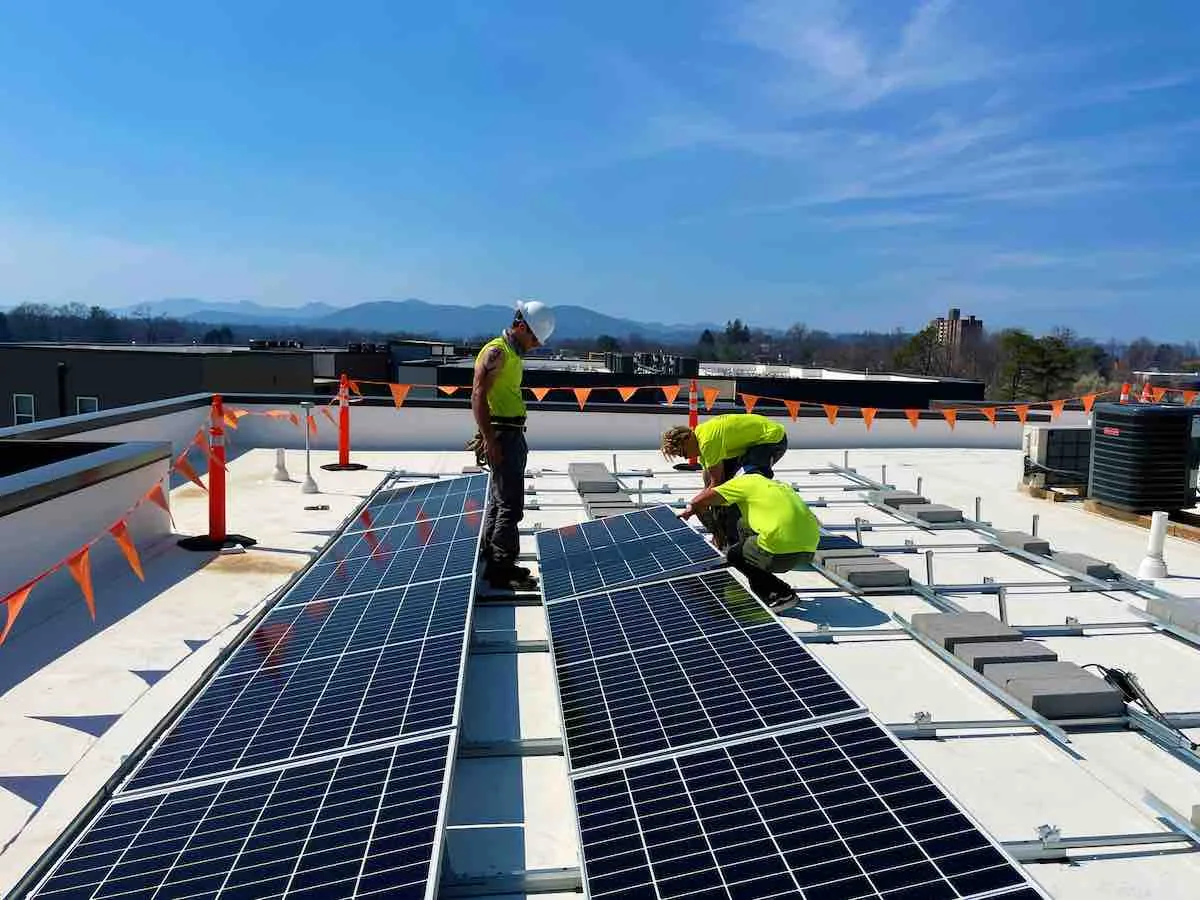
A reflective coating needs a suitable surface beneath it. We inspect adhesion, open seams, blisters, trapped moisture, old patches, and exposed reinforcement. Loose material has to be removed or repaired before a new layer can bond. Where the roof construction is uncertain, we identify a sample point and explain what the opening will confirm. A clean-looking field does not settle the condition at a drain, curb, or previous repair, so those details remain on the inspection route.
We also check whether the existing system and proposed coating are compatible. The field record identifies the substrate and preparation required, then compares that result with the product instructions for the selected assembly. If coating is not appropriate, a restoration assessment can show whether a different repair or replacement is the clearer path. For broad roof areas, the silicone coating assembly and acrylic coating option each need a compatible base and properly formed transitions. We record the basis for the selection in the scope rather than relying on appearance alone.
How should heat affect the system decision?
Reflective materials change how much solar energy the surface absorbs, but that does not make every roof ready for a coating. Insulation, membrane condition, air leakage, roof color, and equipment loads all affect the building's thermal behavior. We separate the requested surface treatment from repairs that address wet insulation or failed seams. If those issues remain, a bright finish can cover a known defect without correcting the assembly. The inspection notes what the coating can address and which conditions need separate work.
The City says hot days are regular in Rialto and includes extreme heat in its planning hazards. We use that context to ask about surface exposure and the facility's cooling schedule, then inspect the roof under the conditions present at the visit. We do not turn the City's climate planning into a promise of reduced bills or a prediction for a specific roof. A hands-on roof inspection establishes the field condition; the owner can then decide whether reflectance belongs in the repair scope or a planned capital project.
Where can a reflective layer create a detail problem?
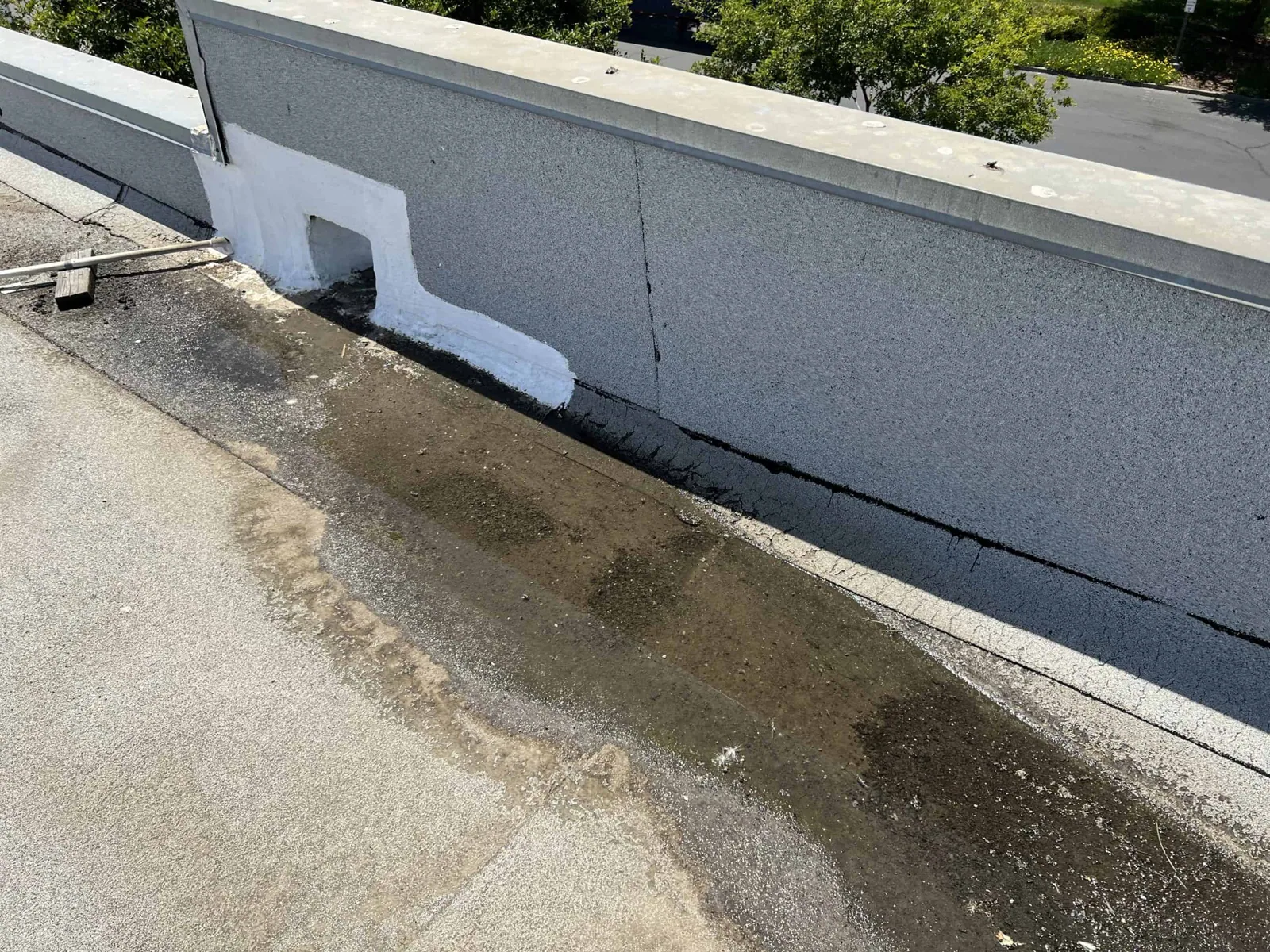
Drains, scuppers, edge metal, and equipment curbs all need a continuous waterproof transition. Added coating thickness can narrow a drain opening or leave a thin edge at a vertical turn. We inspect the drain bowl, surrounding flashing, and overflow route before coating is considered. At the perimeter, we check whether metal is secure and whether the coating can terminate on a sound surface. A drain and scupper review can define corrections before the field is treated.
Foothill Boulevard and Valley Boulevard are commercial corridors identified in Rialto's planning geography. For each property, however, the water path and roof perimeter are confirmed on site. We locate equipment curbs and supports that interrupt the membrane, then set a termination detail that can be inspected later. If an edge is loose or water has entered at a curb, a coating is not a substitute for the needed repair. The work order names each transition and states whether it will be repaired, recoated, or left for a separate scope. This keeps drainage and perimeter conditions visible in the condition record.
How do we set the installation window?
Coating work depends on surface preparation, cure conditions, and a roof that can remain protected while the material sets. We confirm weather conditions, roof access, staging limits, and whether equipment must stay in service. The facility contact identifies areas that cannot be blocked and any hours when roof traffic must stop. We divide the field into workable sections, define the tie-in at the end of each shift, and keep tools or materials away from drains and access paths.
On a warehouse roof, receiving activity and rooftop equipment can alter the crew sequence. A maintenance record may also show which drains, seams, and prior repairs need attention before application. For an occupied building, we protect interior areas below active work and document any temporary limit. The team coordinating HVAC or electrical equipment needs to know which section is open and when the roof will be ready for use. Those details belong in the schedule, not in a last-minute field decision.
What belongs in the approval and closeout record?
The scope should list the roof sections, preparation, repairs, coating system, transitions, and inspection points. It should also state any exclusion, such as a wet area that requires removal or a curb needing mechanical coordination. If a permit is required, Rialto's Building Safety Division reviews construction plans under the applicable California standards and City ordinances. We identify the design and permit questions that need review before work is scheduled. That keeps the field condition separate from the approval decision.
At closeout, we record the surface preparation, repaired details, application areas, and any condition that remains under observation. The roof condition report can connect these photos and notes to later maintenance. If testing or a different assembly is needed, a new membrane system may be reviewed against the same drain, curb, and edge conditions. Share prior repair tickets, roof plans, access rules, and operating hours before the first visit. We will walk the route, confirm the substrate, and give the facility director a decision record that supports a repair or capital review.
Commercial Roofing Questions
Will reflective coating fix a roof with wet insulation?
Wet material changes the scope before the coating is applied. We locate the affected section, verify the assembly where needed, and define removal or repair. The new surface is considered only after the substrate and surrounding tie-ins are suitable.
Can a coating be applied over an older coating?
Compatibility and adhesion have to be established first. We identify the existing material, test a representative area when appropriate, and review the proposed system instructions. If the old layer is loose or incompatible, preparation or another roof option is required.
Does Rialto's heat plan predict performance at our building?
No. The City's plan describes climate hazards at the city level. We inspect the actual roof, document its exposure and assembly, and discuss reflectance as one part of the building's roof decision, without assigning a site-level forecast from that planning material.
What information helps price the coating scope?
Roof plans, area boundaries, prior repairs, access limits, equipment schedules, and the current membrane condition help set the scope. Drain and edge corrections are recorded separately when they change preparation, material quantities, or crew sequence.
Related Roofing Work
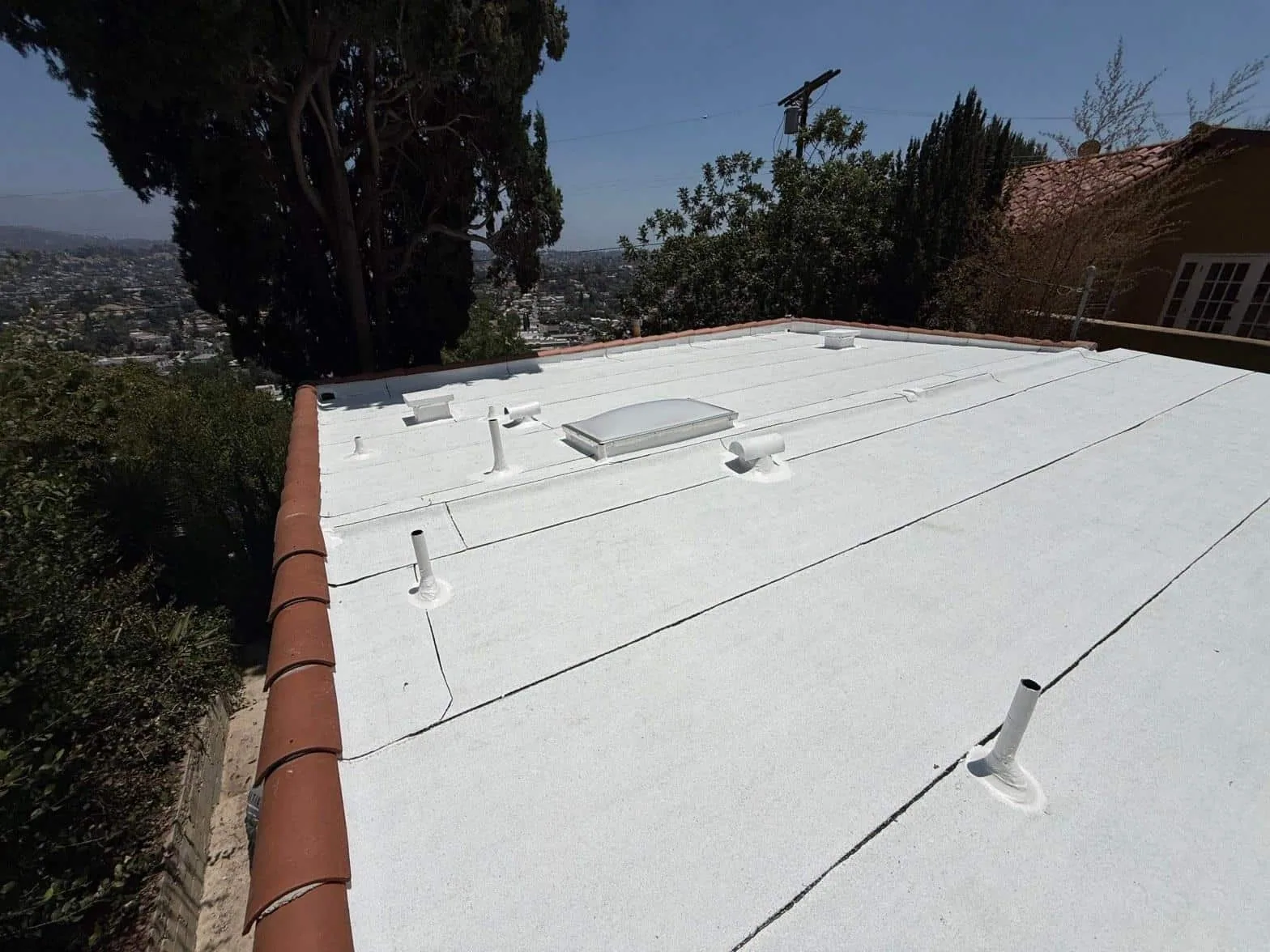
Check the assembly before specifying reflectance
Schedule a roof inspection or discuss a planned restoration. Share roof plans, previous coating records, access limits, and operating hours so we can confirm the surface, transitions, and work window.