
The first unanswered question on a roof ticket is often access: which section can we inspect, and who can authorize the route? We start with the reported room or leak point, compare it with the roof plan, and confirm the entry procedure with the property contact. In San Bernardino, the City Planning Division manages entitlements for proposed commercial and industrial projects under the General Plan and Development Code. Those are land-use references, not descriptions of any building's roof. We record the actual assembly and condition from property documents and an approved field walk.
The City Planning Division also provides access to an interactive zoning map, General Plan materials, and project-review information. Those records can help a property team verify planning context, while the roof work order identifies the building, section, access limits, and person responsible for approval. A Fontana service-area route and a Riverside municipal route are separate city geographies. For San Bernardino work, we keep planning references distinct from the field evidence needed to repair or replace a roof.
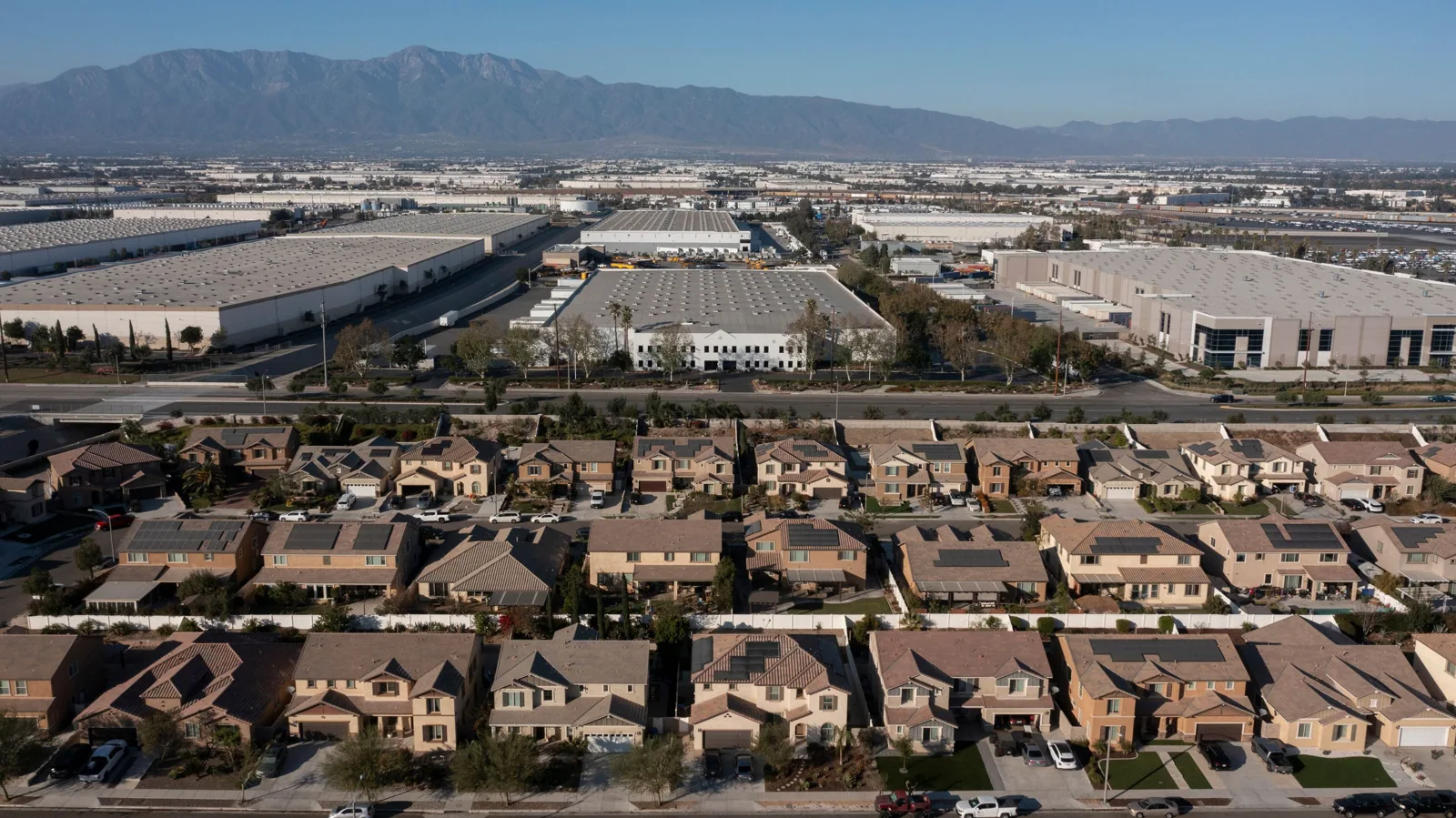
What should the first visit document?
We review the leak ticket, prior repair notes, roof drawings, and any available warranty records before setting the inspection route. The property contact confirms the ladder or hatch, fall-protection rules, restricted equipment areas, and rooms that need protection below. On the roof, we label the section reached, then follow the likely water path across seams, drains, curbs, penetrations, wall transitions, and edge details. The report states what was visible, what was inaccessible, and which question still needs a test.
A City zoning map or entitlement file cannot identify a roof membrane or a hidden wet area. For that, we compare drawings with visible layers, flashing, and attachment details. A commercial roof inspection can capture accessible conditions. If moisture below the surface may change the repair boundary, an infrared moisture survey
At drains, we inspect the visible inlet, membrane connection, and nearby surface. Around penetrations and curbs, we check corners, laps, and the point where flashing returns to the field. At the perimeter, we look at termination and securement details. The interior stain is a location clue, not proof that the opening is directly overhead. If several routes could carry water, we state which one has evidence and where further access is needed. That keeps a repair ticket specific instead of turning a single observation into a building-wide conclusion.
How do access and approvals affect the sequence?
Before staging tools, we confirm roof access, safe movement, the allowed work window, and any operation or room that cannot be interrupted. If equipment needs another trade's attention, the work order names that coordination before a curb or conduit detail is opened. The route also shows where the crew can set materials and how the roof will be secured at the end of the shift. When the owner changes the authorized boundary, we pause at that point and document what remains to inspect.
An active leak may call for temporary protection while a permanent correction is prepared. We identify the area affected, take steps to protect the interior where appropriate, and record temporary work separately. A stable membrane and substrate may support a local patch. If a prior repair has released, the opening spans a transition, or suspected moisture extends beyond the visible damage, we define the next inspection or test before enlarging the scope. A leak investigation can isolate the reported water path, and emergency roof service
For broader work, section sequencing matters as much as material selection. A phased reroof plan can name daily work zones, protection below, secure tie-ins, and the person who accepts a finished area. The owner can review each opening and closure against the operating schedule before a crew mobilizes. If a drawing or access instruction is missing, we identify the missing item rather than assume the route is clear.
Which findings support a broader scope?
A focused repair is supported when the defect is bounded, adjacent material is sound, and the substrate will hold a compatible repair. We prepare the surface, complete the tie-in, and inspect the edge. Repeated failures, loose attachment, broad moisture, or damage below the membrane may require testing or removal to set the boundary. The work order should identify the evidence behind that recommendation and state whether temporary protection remains in place while approval is pending.
A recover evaluation examines retained layers, moisture, attachment, and transitions before another system is considered. A replacement plan identifies removal, substrate review, insulation, drainage details, and the daily tie-in sequence. Cost and timing depend on measured scope, access, removal depth, curb or drain changes, interior protection, staging, and how many safe work sections can close each shift. We describe these inputs separately so the owner can compare the work each option requires.
The San Bernardino City Planning Division's review covers proposed commercial and industrial projects under the General Plan and Development Code. Roofing work still needs its own project documents and applicable review. A capital review can organize immediate repairs, needed tests, and longer-term replacement work. The City Planning Division's published zoning map and project-review resources can help the property team check land-use context; they do not establish a roofing approval or field condition. Keeping those records separate makes the next decision clearer to finance and operations.
What should remain open after closeout?
We record the completed roof section, repair material, tie-in location, photographs, and condition left for follow-up. Temporary protection is labeled as temporary. Any area not reached is marked with the access or drawing needed to continue. The record also names the person who owns the next approval, so a later shift does not mistake an inspection limit for a cleared condition. Roof-section labels and the property identifier should remain consistent across tickets and reports. We also note who accepted the completed area, whether any interior protection was removed, and which rooftop conditions need a return visit. If an access restriction prevented review of a nearby section, the closeout names the entry or approval needed to continue. That distinction keeps a limited repair from being mistaken for a full-system acceptance and gives the next facilities contact a clear point of responsibility.
Before scheduling, send the roof plan, leak history, access contact, operating hours, and any restrictions for the interior below. We confirm where the crew may enter and which trade or manager must approve a route change. A maintenance visit
Commercial Roofing Questions
Does a zoning map tell us what roofing system is installed?
No. The City Planning Division's map provides land-use context. We verify the roof assembly from owner records and field details before recommending a repair method.
Can a roof inspection confirm conditions beyond a locked area?
We report only sections reached under the approved access route. The report identifies the barrier and the contact or access step needed to finish the inspection.
When is a test opening useful?
A test can help when suspected moisture, unstable attachment, or repeated failure may change the repair boundary. We state the proposed location and purpose before opening material.
How do we keep a repair separate from temporary protection?
The ticket records the protected area and method, then lists permanent work still required. We do not mark containment as a completed correction.
Which project records should accompany a roof scope?
Provide the roof plan, previous tickets, site access rules, operating limits, and the authorized approval contact. The actual submitted design establishes any required review.
Related Roofing Work
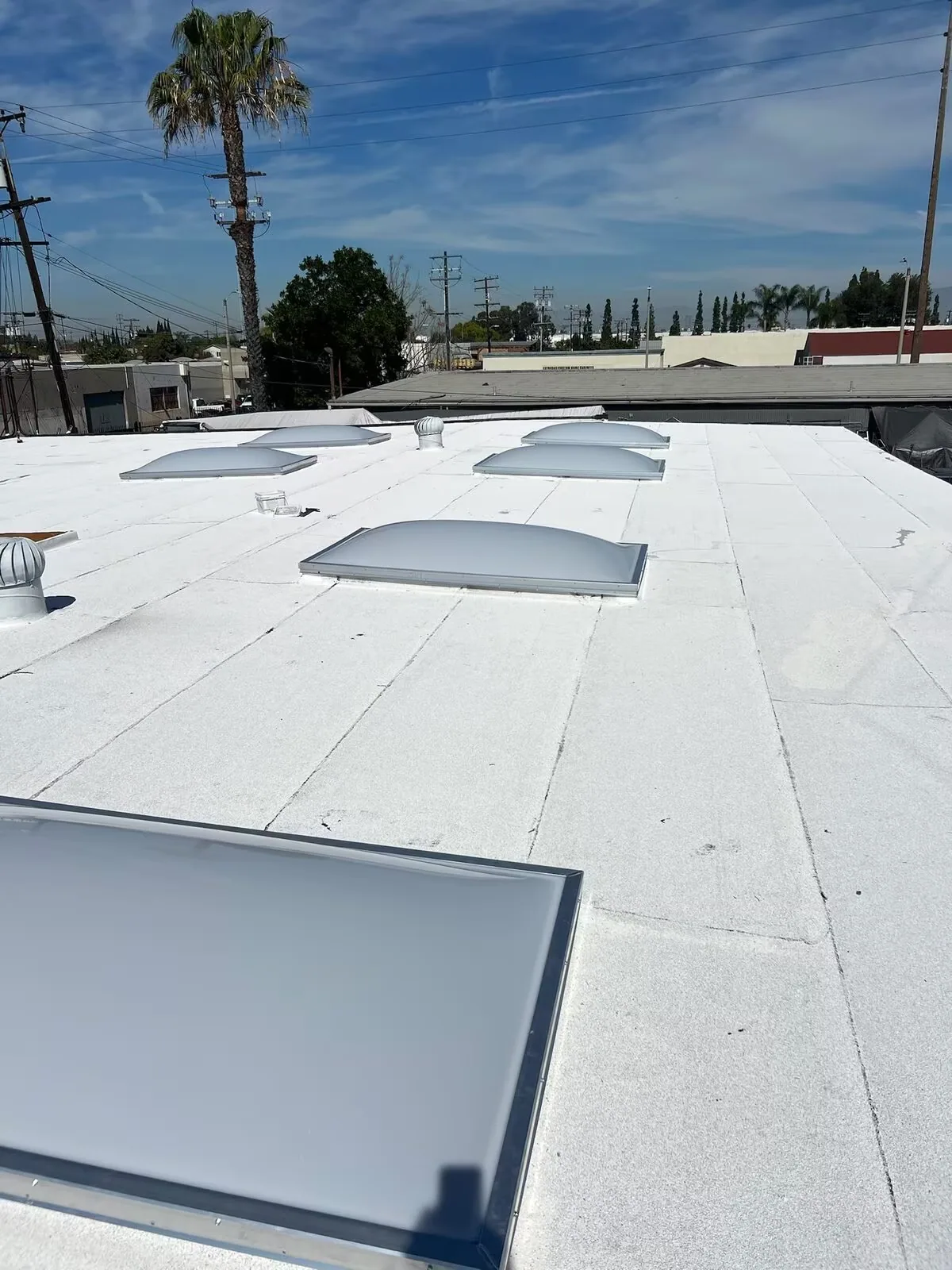
Set the first San Bernardino roof route
Share the property identifier, roof plan, reported condition, access instructions, and operating limits. We will document the section reached and define the next repair or test.