
A roof survey request in Rancho Cucamonga needs a defined section and an access route before the crew chooses a repair. We review the leak report, roof plan, and prior work orders, then locate the area above the affected room or operation. The first walk checks seams, flashing, drains, curbs, and perimeter details. The condition record separates what is visible from what requires a test. That gives the facility director a ticket tied to a place on the roof, not a general description of the building.
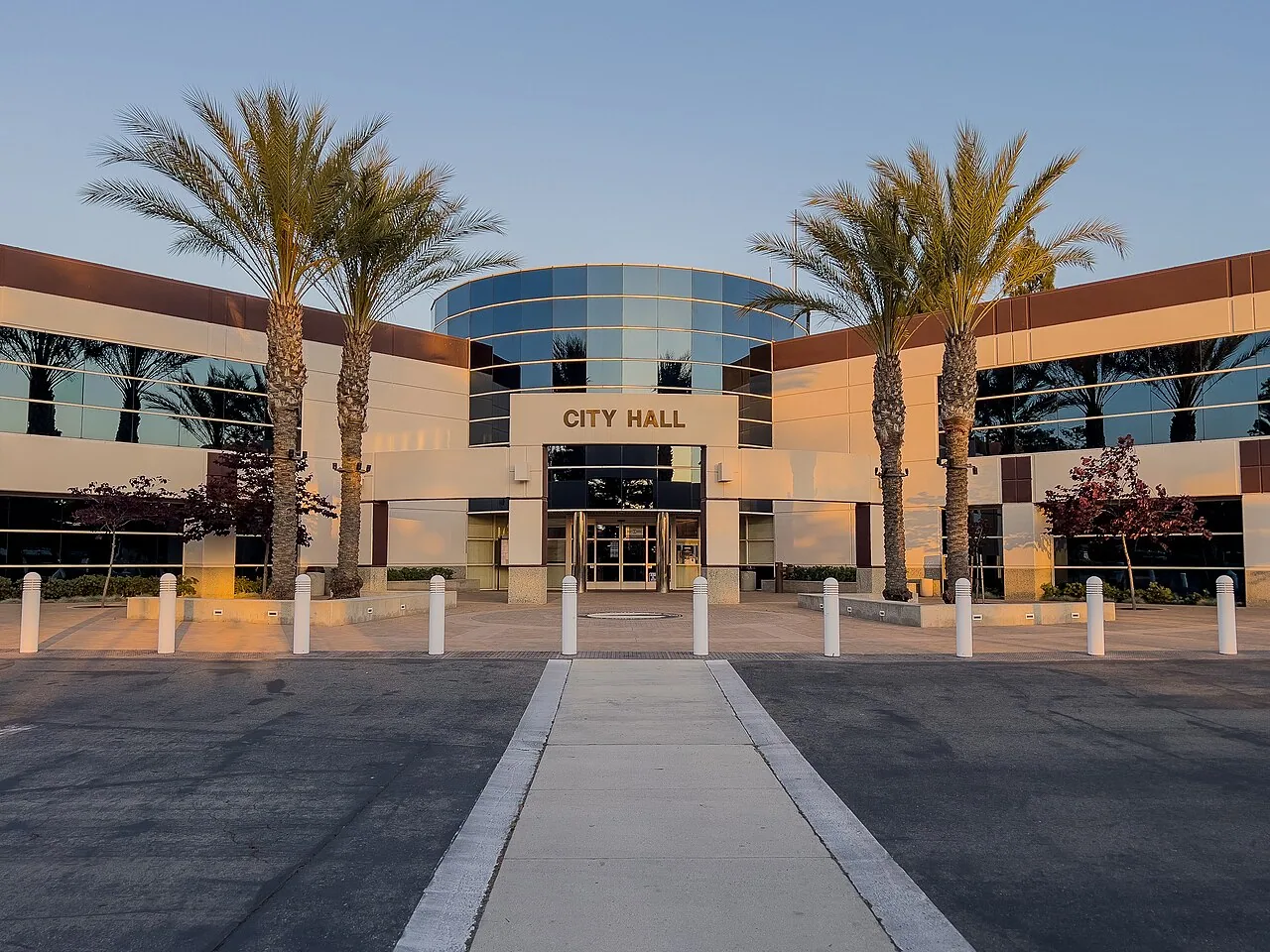
The HART District is a transit-oriented mixed-use area with Haven Avenue, Arrow Route, and Rochester Avenue as its organizing streets; the plan anticipates housing, employment, dining, retail, and hospitality uses. Those named streets help orient a broad property discussion; they do not identify the roof system at any one address. For a building in this city, we confirm the actual use, access window, and roof assembly before setting a repair boundary. A nearby Fontana commercial roof route has its own site conditions and work order.
How does a mixed-use planning area change the route?
A district planned for several uses can call for different access coordination from one property to another. The HART District plan includes housing alongside employment, retail, dining, and hospitality uses. We do not infer a specific tenant or operating schedule from that mix. The building contact identifies loading periods, occupied spaces, roof access, and areas that must remain clear. We then plan staging and containment around that site's rules, keeping the authorized roof section separate from areas that were not inspected.
Haven Avenue, Arrow Route, and Rochester Avenue are the road framework named in the City's HART District description. When a facility contact uses one of those corridors to identify a property, we still need its roof plan and approved entry point. A commercial roof inspection can map the route, photograph details, and label roof sections. If the visit is tied to a planned property investment, the City's business liaison role may help with local coordination, while the roof condition remains a separate field finding.
What must the first walk confirm?
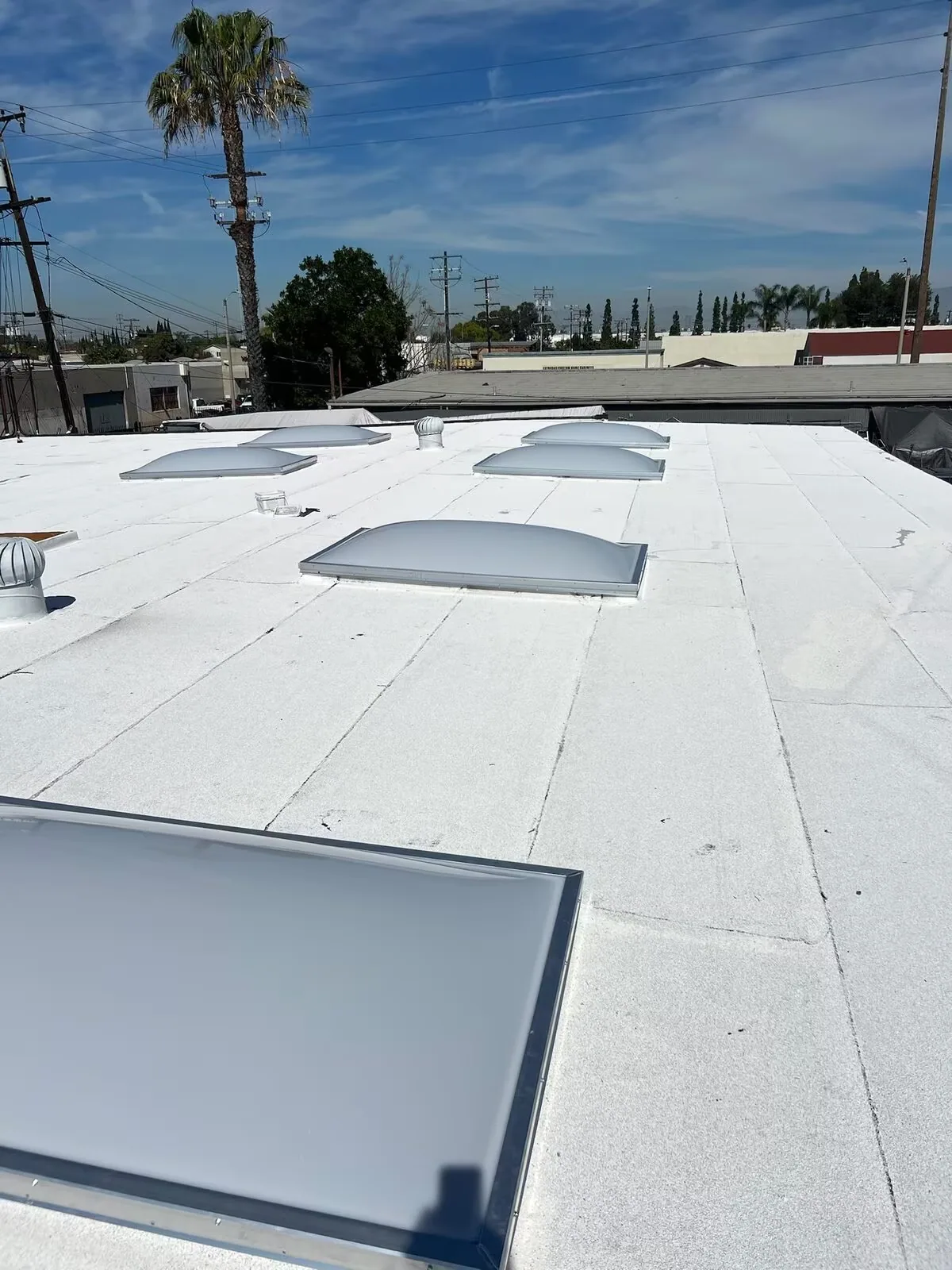
We identify the exposed roof covering, visible attachment, drainage path, curb line, and previous repair edges before naming a correction. A membrane may have been patched or covered since the original submittal. If the records and field evidence do not match, we flag the assembly question and choose a closer check. A material name from a past project file does not tell us whether the present substrate is dry or stable. The route ends with measured observations tied to a roof section.
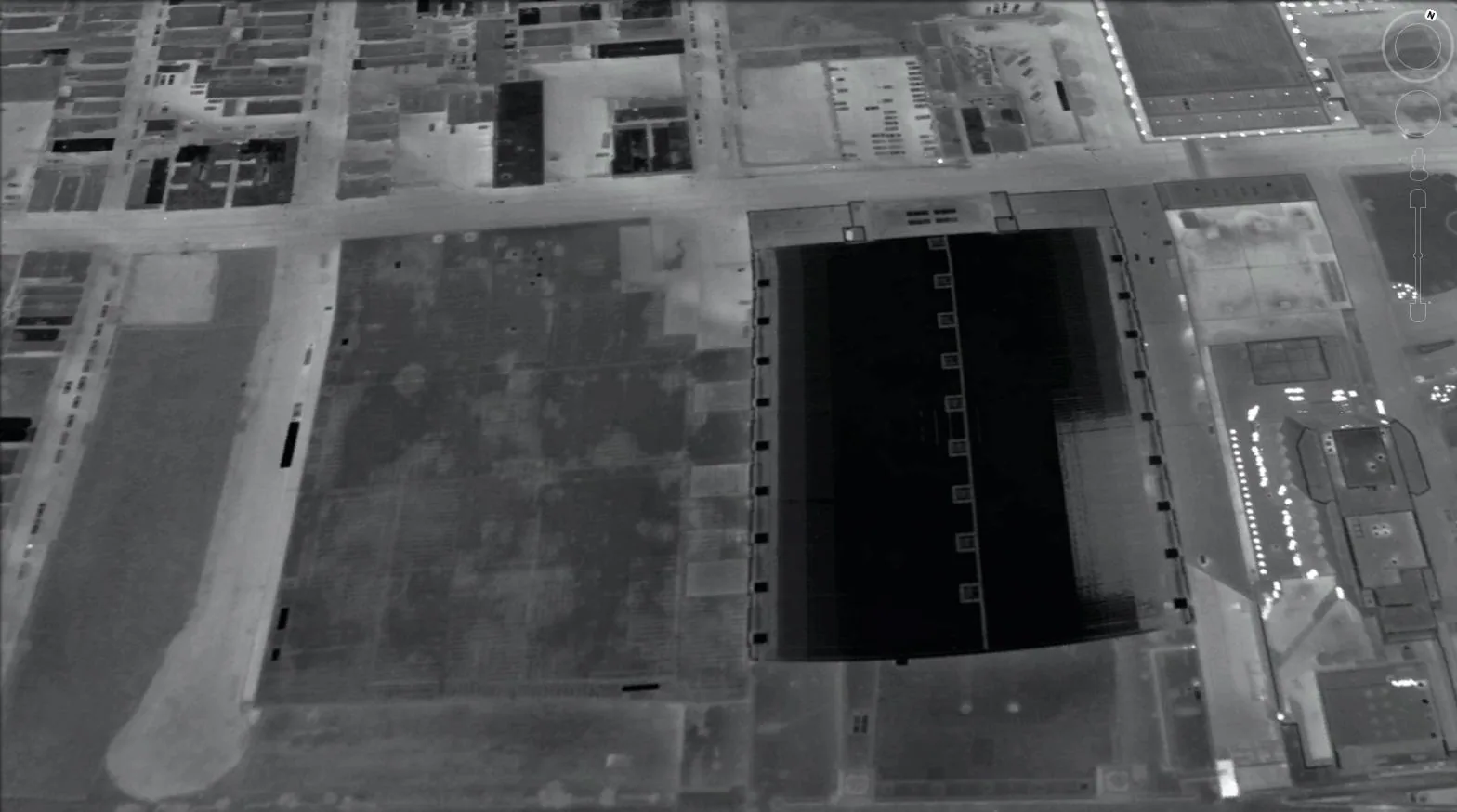
A seam opening near a curb can need a different repair than a puncture in the field sheet. We inspect the full lap, corners, flashing return, and neighboring termination, then define where sound material begins. If moisture beneath the surface could change the decision, a moisture survey can identify candidate areas for physical confirmation under suitable conditions. We keep scan patterns separate from verified wet insulation. A photo-backed condition record can preserve the sample locations and findings for later review.
Where can water leave the intended path?
Runoff should reach the outlet without being trapped by a raised lap, debris, or a low area. At each drain, we check the bowl, membrane connection, overflow, and slope around it. At an edge, we inspect metal joints, attachment, termination, and adjacent flashing. A clear drain does not prove that the membrane is bonded to the bowl. A secure field seam does not establish that coping is sound. The work order lists each condition separately so the crew corrects the right connection.
If a roof section holds water, we mark the extent and compare it with nearby seams and penetrations. Drain cleaning, membrane repair, and slope changes are separate scopes. A drain and scupper review can include the outlet and the adjoining sheet. Where the perimeter metal is involved, coping and gutter work checks the transition as well. A flashing repair review records a loose or split transition without assuming the same condition continues across the whole roof.

When does a patch stop being the useful scope?
A small correction is appropriate only when testing shows the adjacent sheet remains secure and the supporting deck is sound. The crew records the measured limit, prepares compatible material, and documents the new tie-in before closing the ticket. If a test shows wet layers beyond that boundary, or repeated failures appear in separate sections, a small patch may leave the main condition untouched. We show the owner the measurement and the finding that would expand the work order before changing the scope.
The City's Economic Development Department supports investment, retention, expansion, and attraction, and serves as a business liaison. That is economic context, not evidence about a specific roof's age or condition. For an owner reviewing a facility investment, we can compare measured repairs with a recover or removal scope. A recover assessment checks retained layers, attachment, and drainage height. A replacement review defines tear-off, substrate preparation, insulation, edge work, and temporary protection. Those options use the same field record.
What should the facility team put on the work order?
Include the reported room or roof section, prior repair notes, plan version, access contact, and any operating period that cannot be interrupted. We confirm the route, equipment restrictions, staging point, and protection needed below. If a section must be opened, the crew sequence includes temporary dry-in and a safe handback condition. At closeout, the record identifies material used, work completed, photos, and any follow-up test. A later shift can find the same area without relying on a verbal summary.
For a portfolio with properties in Rancho Cucamonga and nearby Jurupa Valley, keep location names and roof-section labels distinct in the asset register. The City supports business investment and retention, but that does not establish a service schedule or roof condition. We set timing from the measured scope, material requirements, safe access, and the time allowed for an exposed section. Schedule an inspection or discuss an active leak; share the plan, repair history, and access instructions so we can set the first route.
Commercial Roofing Questions
What does the HART District plan tell you about one roof?
It describes a broad mixed-use planning area and names Haven Avenue, Arrow Route, and Rochester Avenue as its organizing streets. It does not identify an individual building's roof system or access rules. We verify those with the property contact and field inspection.
Can you inspect a roof while the property remains in use?
Before arrival, the manager identifies permitted entry, work times, staging space, and protected zones. We use that information to sequence containment and note any part of the roof that remained beyond the authorized route.
How do you decide whether a seam repair is complete?
For closeout, we photograph the repaired seam together with its connected flashing or perimeter detail, label the roof section, and record how the new tie-in was checked. That gives a later visit a clear comparison point.
When should a moisture test be added?
Testing is useful when hidden moisture could change the repair boundary or capital choice. We identify candidate areas from the roof walk and explain what an infrared scan or sample can confirm before opening the assembly.
Which records should accompany a replacement comparison?
Send roof plans, previous repairs, leak tickets, access limits, and any moisture results. We check attachment, drainage, curbs, and edge transitions, then measure the repair, recover, or removal scope from the same findings.
Related Roofing Work

Set the Rancho Cucamonga inspection route
Share the roof plan, leak location, previous repair tickets, access point, and operating window. We will map the section, document what is confirmed, and prepare the next work order.