
Set the first roof route from the work order and the property contact, not from an industrial-area label. We locate the reported leak or inspection concern, confirm the authorized access point, and walk the affected roof section. The first check follows water across seams, flashings, curbs, drains, and edges. We mark what is visible and what requires testing. That record gives the facility director a repair ticket tied to one roof section and a clear decision about the next action.
Jurupa Valley's General Plan identifies employment centers near I-15 and SR-60, in the Mira Loma Warehouse Policy Area, within the Agua Mansa Warehouse and Distribution Center Overlay, and along parts of Van Buren Boulevard. These are broad planning geographies, not statements about the roof on a particular property. We use the location to orient a portfolio record, then verify the building's assembly, work hours, and safety rules with its contact. For nearby Rancho Cucamonga properties, we keep a separate roof register entry.
Jurupa Valley's employment-center map also names portions of Van Buren Boulevard. A corridor reference can help locate the property in a portfolio, but the service ticket should use the owner's exact site identifier and authorized roof-section names. We compare that record with the roof plan before the crew follows an access route. If documents use a different section label than the facility contact, we reconcile the terms before photos or testing are filed.
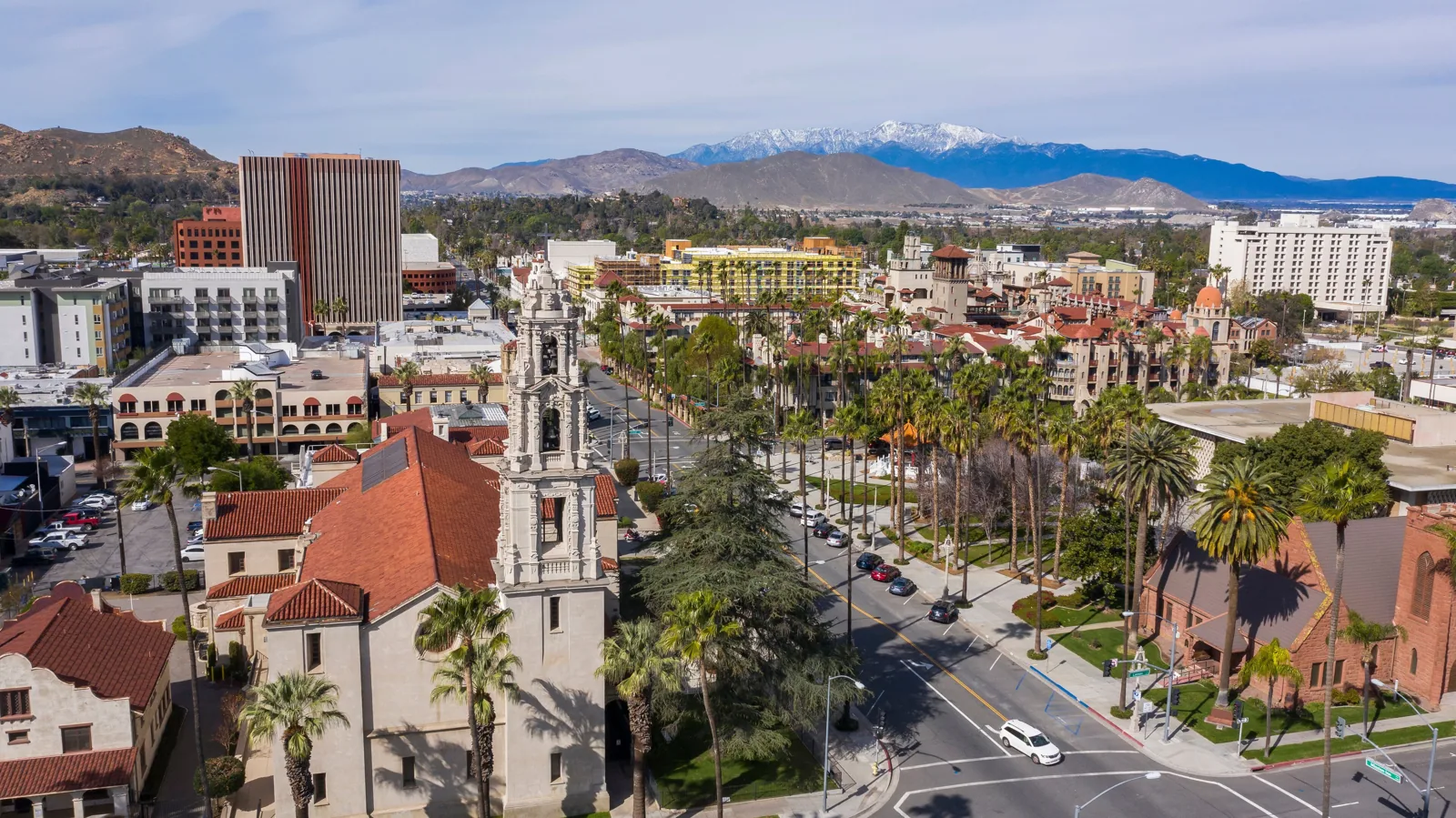
Which planning area is on the roof record?
A route near I-15 and SR-60 may have different access points than a site along Van Buren Boulevard. A property within the Mira Loma Warehouse Policy Area or the Agua Mansa Warehouse and Distribution Center Overlay has its own exact boundary and operating instructions. We ask the facility contact to confirm the parcel and the roof access authorized for the visit. A plan-area name helps locate the discussion; it does not confirm a tenant, material, roof condition, or loading schedule.
The roof file should identify the building by the owner's asset number, not by a broad employment-center label alone. We compare drawings, past repair tickets, and any system submittal with the surface in the field. If a record covers multiple roof sections, we verify the affected section before writing the repair limit. A roof asset register can retain consistent section labels across a property group. For a deeper field record, condition reporting attaches photos and open questions to those identifiers.
What belongs on the first walk?
We begin at the reported interior area and take the safest approved path to the roof section above. Then we trace the likely route through field membrane, seams, penetrations, curbs, drains, and perimeter terminations. At each point, we note surface damage, movement, moisture indicators, and prior repairs. If the cause remains uncertain, we identify the test that could settle it. The report distinguishes an observed condition from a concealed layer or a detail that could not be reached.
A warehouse or employment-area plan does not establish a building's roof type. We identify the exposed system from available records and field evidence. For a membrane seam, we check the full lap and nearby patch edges. Around a pipe or curb, we inspect the flashing return and the direction runoff can travel. A hands-on roof inspection can record those details; an infrared moisture survey can help select areas for physical confirmation when conditions suit.
Where does water meet a transition?
A drain connection can fail even when the bowl is clear. We check its membrane termination, surrounding slope, overflow path, and any seam that may hold water nearby. At a roof edge, we inspect metal joints and attachment. At a curb, we follow the flashing around the corners instead of stopping at the side facing the access route. The work order lists each transition with a location and a correction, keeping outlet cleaning, membrane repair, and metal work distinct.
If the roof has a low area, we map its extent and compare it with seams and penetrations. A surface patch will not correct a drainage design issue, and a drain cleaning ticket will not repair a detached flange. A drain and scupper scope can identify the outlet work. A perimeter detail review checks coping and gutters where those connections are involved. The recommendation follows the measured roof condition instead of the name of the nearby employment center.
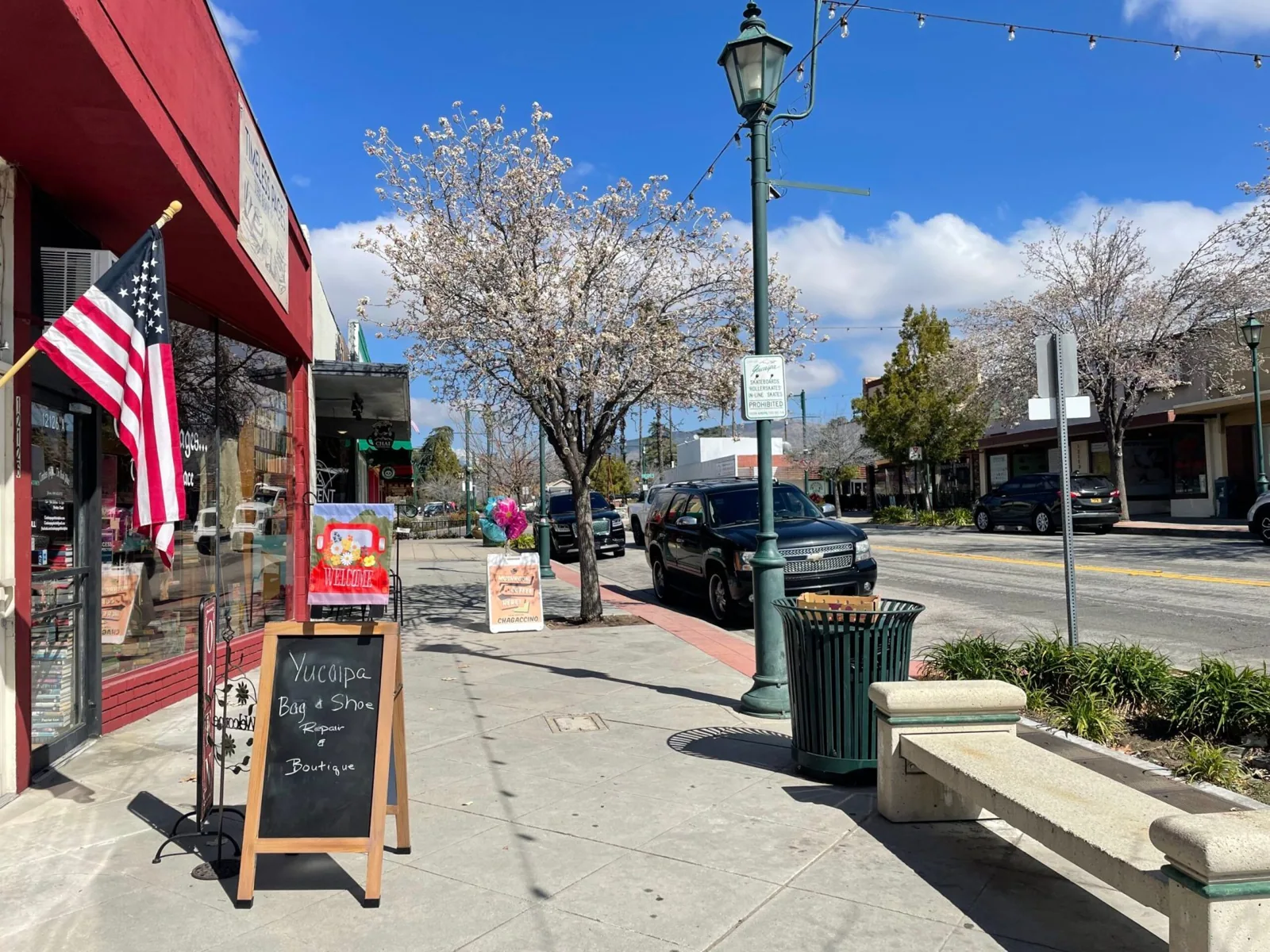
How can a crew work within site rules?
Before mobilization, the facility contact identifies the check-in process, escort or safety requirements, staging point, and hours when the route is available. We confirm which equipment must remain accessible and what area below needs protection. If the repair requires an opening, the sequence includes containment, temporary dry-in, and time to close the membrane before handback. We list who can approve a change if hidden wet material or an unstable deck appears after work begins.
The General Plan's employment-center labels cover multiple parts of Jurupa Valley, but they do not describe an individual operation. The site's own contact supplies loading windows and restricted areas. For phased work while a building remains active, occupied-building reroof planning can divide work by section. If the first visit confirms a localized defect, a repair ticket can name the preparation, tie-in, and closeout check without committing unrelated sections.
When should the scope move to a roof-wide comparison?
A repair remains a clear choice when damage has a limited boundary and the surrounding membrane and substrate are stable. Repeated seam openings, moisture in multiple areas, or loose attachment across a section can change that decision. We map the confirmed extent and identify whether a core sample or additional inspection would change the recommendation. The owner sees the repair area, test point, or removal limit before the work order expands.
For a recover, we check that the retained assembly is dry, secure, and compatible with another layer, with adequate height at drains and curbs. If those conditions do not hold, removal is compared with a local correction. A recover evaluation and replacement review should use the same measured roof sections and access assumptions. For a separate Chino roof register, use its own property identifier. Arrange a roof walk or report water entry; send the plan, repair history, and site rules so we can map the section and write an actionable ticket for the next shift.
Commercial Roofing Questions
Does a plan-area designation describe one property's roof?
No. Jurupa Valley's General Plan names employment centers and policy areas, while the roof assembly, access route, and operating schedule belong to the individual property. We verify those details with the site contact and field inspection.
How do you choose the route near Mira Loma or Agua Mansa?
We confirm the parcel, approved access point, and relevant roof section with the owner. The plan-area name is useful context, but it does not replace the property identifier, safety instructions, or roof drawing.
Can you inspect a roof along Van Buren Boulevard?
Yes. The facility contact confirms the exact address privately, the authorized route, and the work window. We then inspect the roof section and document findings without assuming a material or condition from the road name.
What if the leak source is not visible at the ceiling location?
We trace from the interior report across nearby seams, drains, curbs, and edges. If the route remains uncertain, we record a moisture test or sample that could clarify the repair boundary before the crew opens a larger area.
What records help compare repair with replacement?
Roof plans, prior work orders, moisture results, system submittals, and access limits help establish the current assembly. We measure the affected sections, check drainage and attachment, and identify what remains concealed before comparing options.
Related Roofing Work

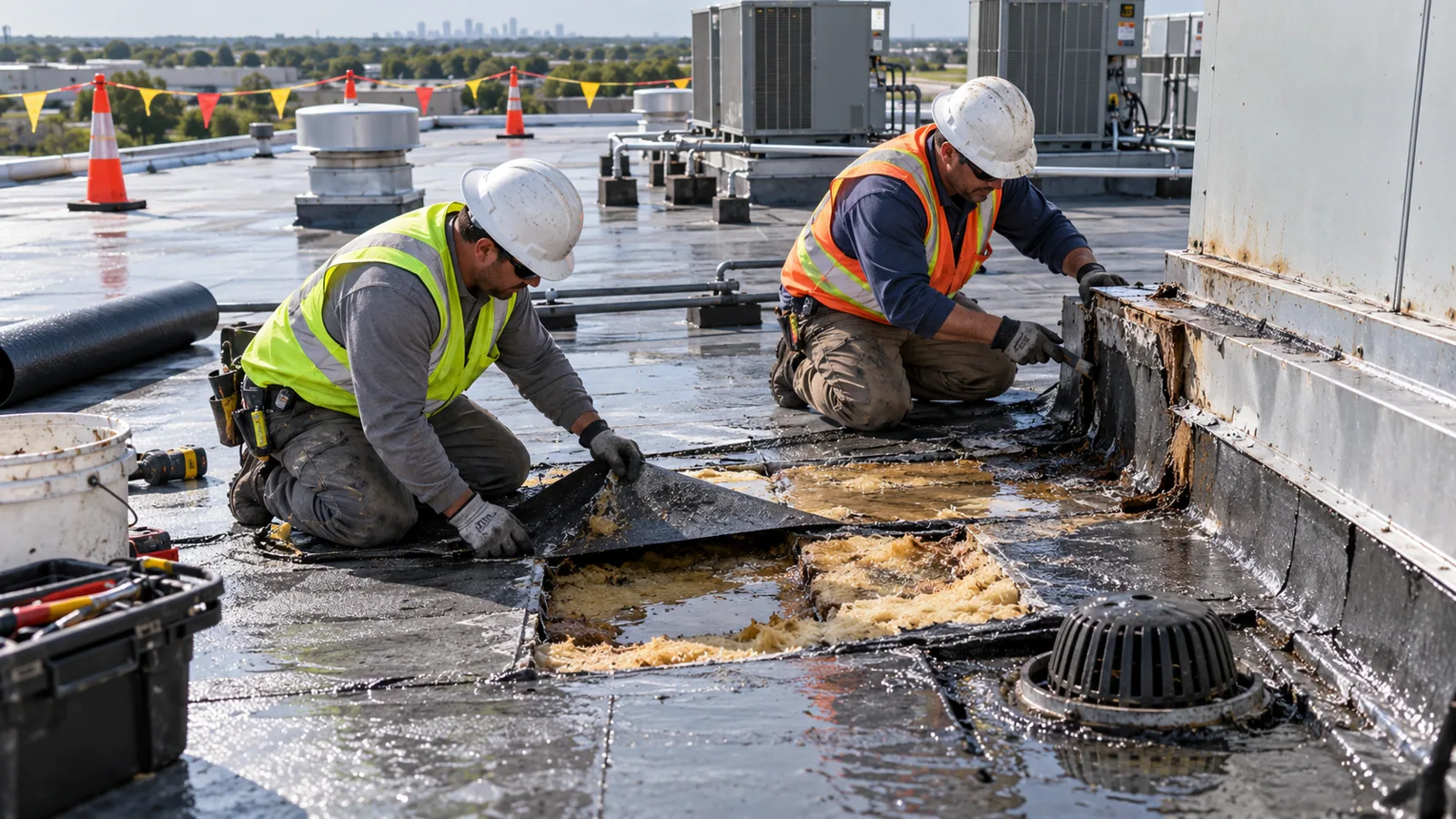
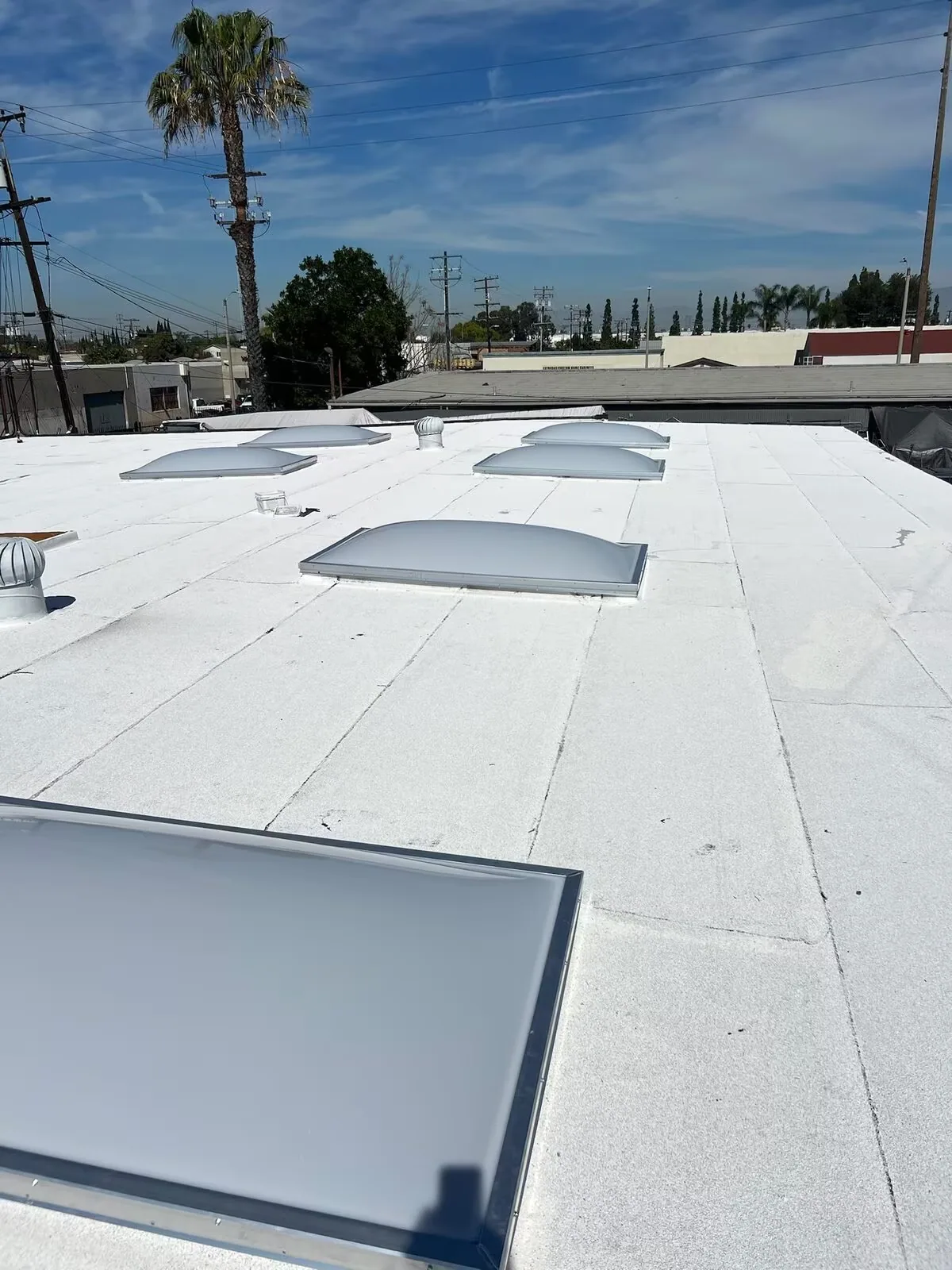
Map the Jurupa Valley roof section
Share the property identifier, roof drawing, leak report, repair history, and access rules. We will set the inspection route and leave the facility team with a measured next action.