
Receiving hours and roof access rarely follow the same timetable; we coordinate both before setting a Beaumont work order. We confirm the affected area, the contact authorized to approve entry, and the route that can be inspected safely. Beaumont's FY2024 city report describes commercial and industrial activity that includes logistics, food production, manufacturing, apparel, and fitness, alongside retail. That broad mix makes an accurate property identifier useful, but it does not show what roofing system any building has. We establish the assembly, section, and repair boundary from owner records and the field walk.
Interstate 10 crosses Beaumont with six interchanges, and the Union Pacific main line runs east-west along the city's commercial and industrial zone. Those are city-scale transportation facts, not directions to a roof or proof of access to an individual property. We confirm the actual entry route and staging limits with the site contact. A Calimesa service area and a Lake Elsinore municipal route address other nearby cities; each Beaumont ticket remains limited to the property and section that its owner authorizes.
What does the crew check before assigning a repair?
We review the leak ticket, previous roof work, drawings, and available warranty records before climbing. The site representative identifies the ladder or hatch, fall-protection controls, active equipment, interior protection needs, and areas that must stay clear. On the roof, we label the section and follow the likely path across seams, drains, curbs, penetrations, wall transitions, and edges. Photos need enough context to match the roof detail with the reported symptom. Any section that could not be reached is listed as uninspected.
The city's commercial and industrial sectors include varied operations, but the sector label does not identify the actual roof assembly or how the property is staffed. We confirm system details from drawings, visible layers, and repair history. A commercial roof inspection can capture the reachable condition. At the drain, we check the visible inlet and membrane tie-in. At penetrations, we inspect corners and flashing returns. At the perimeter, we note termination and securement. If water may have migrated beneath the surface, we identify whether a survey or test opening is needed before selecting a repair size.
A leak stain can sit away from its point of entry. We compare the reported room with seams, curbs, transitions, and roof slopes that could carry water. If a previous patch lies in that path, we inspect its edge for separation and compare it with the ticket. We do not widen the repair because a nearby operation is manufacturing or moving goods; we widen it only when roof evidence or a requested test supports the change. That distinction helps the owner approve the right follow-up.
How should the work window fit active operations?
The property contact sets the entry route, staging area, hours, and business activities that cannot be interrupted. If deliveries, vehicle movement, or equipment service affect access, we establish a sequence that keeps the approved path usable. The crew plan identifies where material can be staged and the tie-in point secured at day's end. The I-10 and rail corridor are useful city context, but actual truck routes, parking, and roof access come from the property team, not the city's transportation description.
When water is entering, a temporary dry-in may be needed before permanent repair can be completed. We record the protected area, materials or method used, and work still required. A localized patch can suit a stable defect with a bondable surrounding surface. If several repairs have released, moisture extends beyond the opening, or attachment is moving, more evaluation can be appropriate. A leak investigation can set the confirmed boundary. An emergency repair visit can address active water entry when a regular appointment cannot protect the building in time.
For an occupied operation, a larger scope may need daily sections, protection below, equipment coordination, and clear points where work can pause safely. A phased reroof plan can identify that sequence and the person who accepts the returned roof area. If another trade has to move or reconnect equipment, we identify the handoff before cutting a curb or disturbing flashing. The owner can review the work calendar with those dependencies visible.
Which roof findings justify a broader comparison?
A bounded defect with sound surrounding material can support a local correction. We prepare the surface, complete a compatible tie-in, and inspect the finished edge. Recurrent leaks, widespread wet material, loose attachment, or deck concerns may require testing or removal. The report names what was observed, what remains uncertain, and which step could resolve the question. If the next test would alter quantities or method, we keep that as a separate approval item.
A recover option depends on retained layers, moisture, attachment, drain elevations, and transition height. A recover assessment examines those conditions before a new layer is specified. A replacement project includes removal depth, substrate repairs, insulation, drainage details, perimeter work, and daily closure. Timing and cost depend on verified scope, staging, safe access, interior protection, delivery sequence, and the number of sections that can be closed in each work window. We identify those drivers instead of treating a citywide sector or transportation fact as a roofing quantity.
For an owner managing more than one Beaumont property, the roof register should separate each building and preserve its own section labels, photos, prior repairs, and open items. A capital review can compare immediate correction, targeted testing, and a future system decision. This helps a facilities lead coordinate operational needs with the actual condition record, whether the property is associated with logistics, production, retail, or another city sector.
What information should transfer to the next shift?
At closeout, we record what was repaired, where the tie-in ends, what temporary protection remains, and which roof area needs another visit. Photos connect each note to a section label. The manager receives a next action and the person responsible for approving it. If the crew had to stop at a loading or equipment restriction, that limit stays visible rather than being buried in a general completion note.
Before scheduling, share the roof plan, prior tickets, access rules, operating hours, leak location, and approval contact. We confirm which areas below require protection and how each workday will end. A condition report can keep images, observations, and unresolved issues together. When reporting a Beaumont roof leak, identify the affected room or operating process and say whether water is still entering. We will document the reachable section and define the next repair or test.
Commercial Roofing Questions
Does the Union Pacific line define access to a commercial roof?
No. It is a broad city geography fact. The property contact confirms the actual entrance, staging rules, and route approved for roof inspection.
Can a logistics or manufacturing label tell us the roof assembly?
Those are sectors described in Beaumont's city report. We verify a building's system from its drawings, visible details, and maintenance history.
What belongs in an emergency work order?
Record the active leak area, temporary protection, route inspected, and permanent work that remains. We attach photos and identify the person who approves follow-up.
How do you coordinate an occupied roof project?
We set work zones and closure points with the site contact, then record interior protection and equipment handoffs. The crew follows the approved daily sequence.
What may make replacement take longer?
Removal depth, substrate condition, staging, equipment coordination, protection below, and tie-in count can change the schedule. We state those dependencies in the scope.
Related Roofing Work
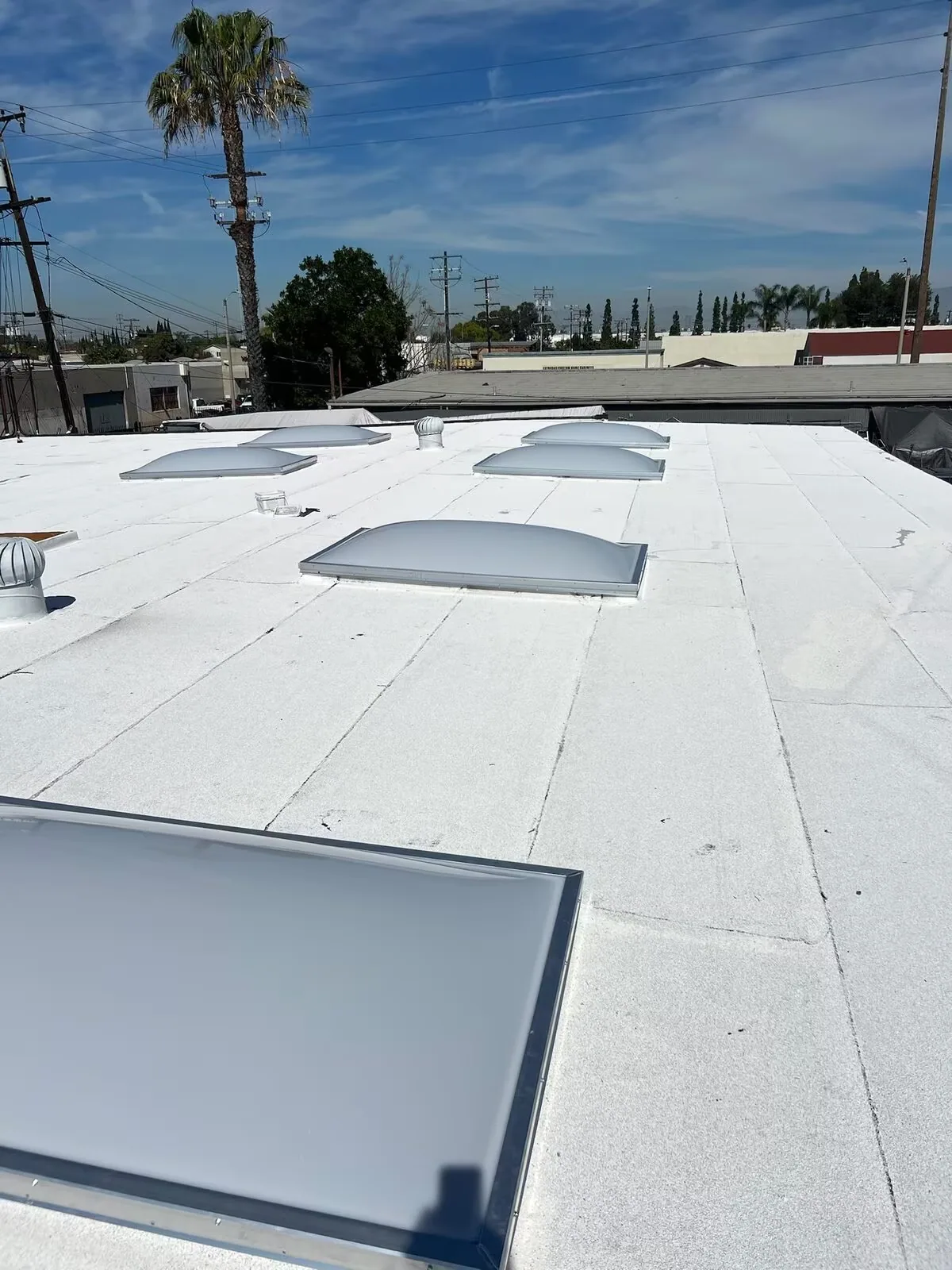
Set a Beaumont roof work window
Send the property identifier, roof plan, issue history, access route, and operating schedule. We will define the area reached and the repair or test that follows.