
A Redlands roof review starts by identifying which section needs a decision today. We compare the service report with the roof plan, confirm the authorized access route, and walk the area above the affected space. The inspection follows seams, flashings, curbs, drains, and perimeter details, with each finding tied to a location. The work order separates immediate containment from a permanent repair or test. That gives the facility director a safe sequence and a record another shift can use.
Redlands identifies the East Valley Corridor Specific Plan as its largest specific plan by area and publishes boundary streets and land-use materials. The City's General Plan page also links an updated truck-route map and adopted development policies for screening commercial and industrial properties. Those materials can orient a property review, but they do not tell us what membrane is installed or how one building operates. We confirm those details with the owner. For a nearby Colton facility, use a separate asset record and inspection route.
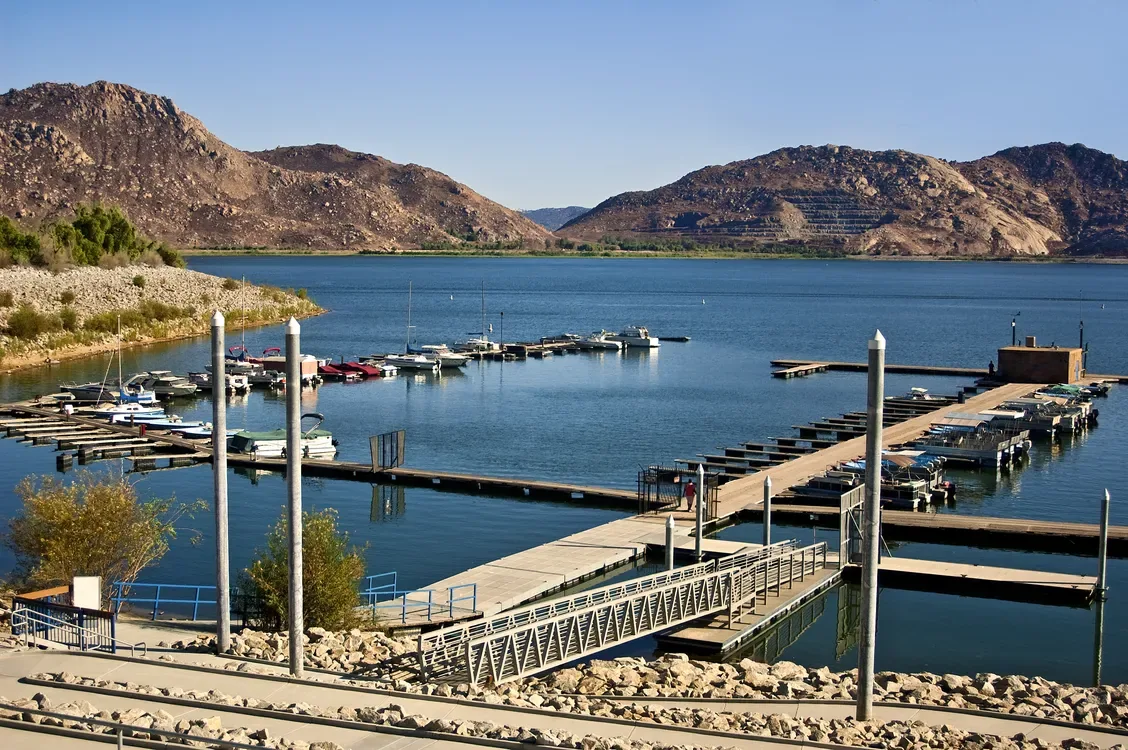
What does the East Valley Corridor plan establish?
The corridor plan provides a broad planning framework with published boundaries and land-use materials. A property manager can use that framework to locate an asset in the city, but the map does not serve as a roof survey. We begin with the specific parcel and building identifier, then compare available drawings with what is visible at the roof. If the plan-area label differs from the owner's property name, both can be recorded without blending separate assets or scopes.
Redlands' General Plan resources include a current truck-route map and adopted development-policy documents. Those references matter when a project team screens commercial or industrial property access, but they do not give us a site's delivery schedule, roof material, or active condition. The contact supplies permitted entry and staging instructions. We capture the route and the name of the person who can approve a scope change. A Perris roof record can be handled separately when the same asset team works in more than one city.
When a parcel appears inside the East Valley Corridor boundary, we keep that plan-area reference beside the municipal name and the drawing version used for the inspection. The map clarifies planning context; Diligence Notes establish the roof route, affected section, and work authorized by the owner.
Which observations change the repair ticket?
A membrane puncture, lifted lap, loose flashing, and blocked outlet can all produce water inside, but each calls for a different correction. We trace from the reported room to the roof, then inspect the field sheet and the connected details. We check whether seams are bonded, curbs are flashed continuously, drains have an open path, and edges are secured. If a prior patch overlaps the failure, we record its extent and preparation. Photos receive a roof-section label before the crew recommends a repair.
The East Valley Corridor plan boundaries help locate the broad area, while the building's roof records and observations define the scope. If a seam opening sits next to a curb, we inspect both transitions. If a drain is clear but water collects near it, we document the slope and membrane connection separately. A hands-on roof inspection can establish those findings. When hidden wet material could widen the work, a moisture survey may help select points for physical confirmation under suitable conditions.
Where does runoff meet metal or flashing?
We follow water toward the outlet and inspect the drain bowl, flange, overflow, and nearby membrane. At the perimeter, we check coping joints, edge metal, termination, and wall transitions. A loose connection at the drain can remain after debris is cleared. A lifted edge may connect to more than one seam. The work order names each detail and the boundary being repaired, so cleaning, sheet replacement, and metal work do not collapse into one vague line item.
When the truck-route map is relevant to a proposed site visit, the facility contact confirms which entrance and staging areas are allowed; the map is not a substitute for current property instructions. The crew route also accounts for safe roof access and the area below. A drain and scupper scope can cover the outlet and its tie-in. perimeter metal work addresses a separate transition when it appears in the inspection. If flashing has split at a penetration, flashing failure repair can define that detail without broadening the entire roof.

When should repair be compared with a new assembly?
A repair remains useful when the failure is bounded and the surrounding roof is stable enough to hold a compatible tie-in. We cut back loose membrane, clean the tie-in area, and inspect the finished edge. If repeated failures appear in several sections, moisture extends under the field, or attachment is moving, the work order may need sampling or a wider scope. We show the measured area and the condition that changes the recommendation before the owner authorizes additional removal.
A recover requires dry and secure retained layers, suitable deck support, and enough clearance at drains and curbs. If those conditions are not present, removal may be the better comparison. A repair ticket addresses a confirmed local defect. A recover review checks the existing assembly. A replacement plan identifies tear-off limits, substrate preparation, insulation, and edge transitions. Using the same roof-section measurements makes the options easier to compare at capital review.
What belongs in the Redlands closeout?
The closeout lists the roof section, observed condition, material, preparation, photos, verification, and any follow-up test. It notes access restrictions and any area left uninspected. If temporary protection was installed, the record states whether permanent work remains open. The property manager can attach that information to the next work order and avoid treating a temporary dry-in as a completed correction. A clear handoff is especially useful when the person managing the ticket changes between shifts.
For a portfolio that includes the Chino market or a Colton property, keep municipal plans and roof-section names aligned with each asset. The East Valley Corridor plan supports location context, while photos and field measurements support the roofing decision. A condition report can preserve findings for a later budget review. Schedule an inspection or report a leak in Redlands; provide the property identifier, roof drawings, repair history, access contact, and operating window so we can set a controlled route.
Commercial Roofing Questions
Does the East Valley Corridor plan tell you a roof's material?
No. It is a land-use and boundary planning reference for a broad part of Redlands. We verify the roof system from available submittals and field observations before selecting a repair method.
How do truck-route maps affect roof work?
They can help a project team screen site access, but the facility contact confirms the current entrance, staging limits, and allowed hours. Those instructions set the crew sequence and remain part of the work order.
Can you trace water when the ceiling mark is away from the roof defect?
We use the interior location as a starting point and inspect the likely route through seams, drains, curbs, and perimeter details. The report identifies the observed path and any test needed to locate concealed moisture.
When is a larger repair boundary appropriate?
Repeated failures, wet material outside the first repair area, or movement in attachment can justify a measured expansion. We identify which condition was confirmed and what additional sampling would affect the capital choice.
What should the owner send before a Redlands inspection?
Provide roof drawings, prior work orders, leak locations, property access instructions, and an authorized contact. We use those records to map the route and note any section that cannot be reached during the visit.
Related Roofing Work
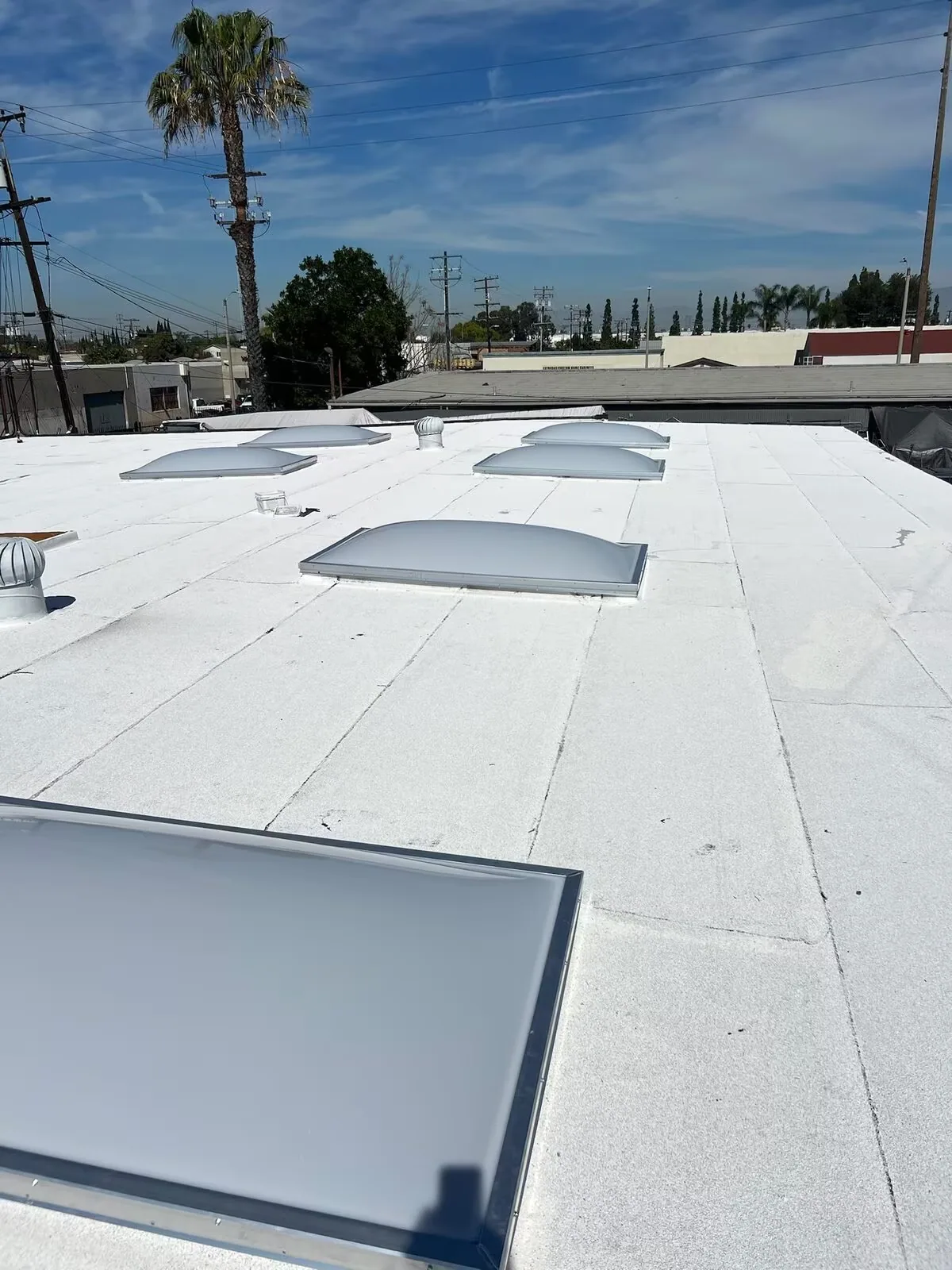
Record the Redlands roof condition
Share the property identifier, roof plan, previous repairs, access route, and operating limits. We will inspect the relevant section and document a repair, test, or capital decision.