
A leaking dining room, sales floor, or back-of-house area creates different work orders, even when the roof issue begins in one section. We record the affected interior, map it to the roof above, and identify access, equipment, and hours that constrain the visit. A store manager needs an immediate containment plan. The facilities team also needs a permanent scope that can be compared with other locations without assuming their roofs share the same assembly or condition.
Rialto's commercial corridors include the Baseline Road and Riverside Avenue junction, plus major areas along Foothill Boulevard. The Gateway map assigns retail and freeway-commercial uses in another broad plan geography. These locations can orient portfolio screening; inspection findings still have to identify the actual roof section, drainage, penetrations, and operating limits.

What belongs in a chain-wide roof record?
Start with a separate record for each property. Use the location identifier supplied by the operator, then note each roof section, system where known, reported leak, access route, and date of the last confirmed repair. Photos should show a repeatable reference such as a drain, curb, wall, or roof edge. A region manager can then sort open tickets by condition and operating effect without turning a similar-looking ceiling stain at another store into evidence of the same defect.
A photo-supported condition report can distinguish immediate repair, routine maintenance, and an area that needs testing. We label the observation and the next action separately. If a location has multiple tenants, departments, or service areas, the work order should state which contact controls roof access and who can approve interior protection. The property management workflow can help align those fields with an existing building register while keeping each roof's findings distinct.
How do we trace a leak above an active store?
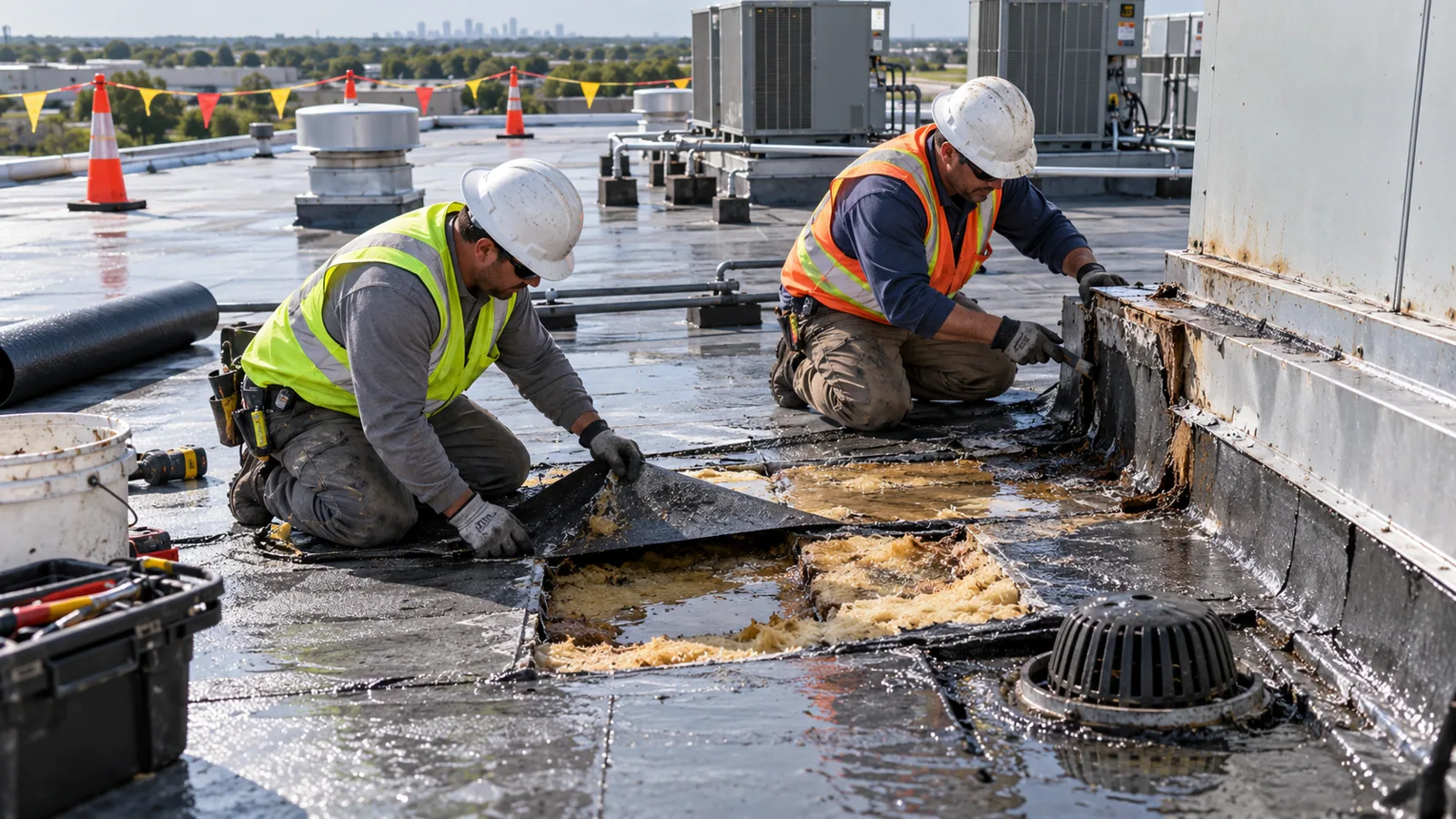
The first report should identify where water appeared and when staff noticed it. We inspect the roof area above that point, then follow likely paths through seams, penetrations, drains, curbs, walls, and edge transitions. Water can travel before it reaches a ceiling tile, so the closest roof detail is not automatically the source. We photograph likely entry points and state which details were checked. If the route remains uncertain, we propose a test only when its result would change the repair scope.
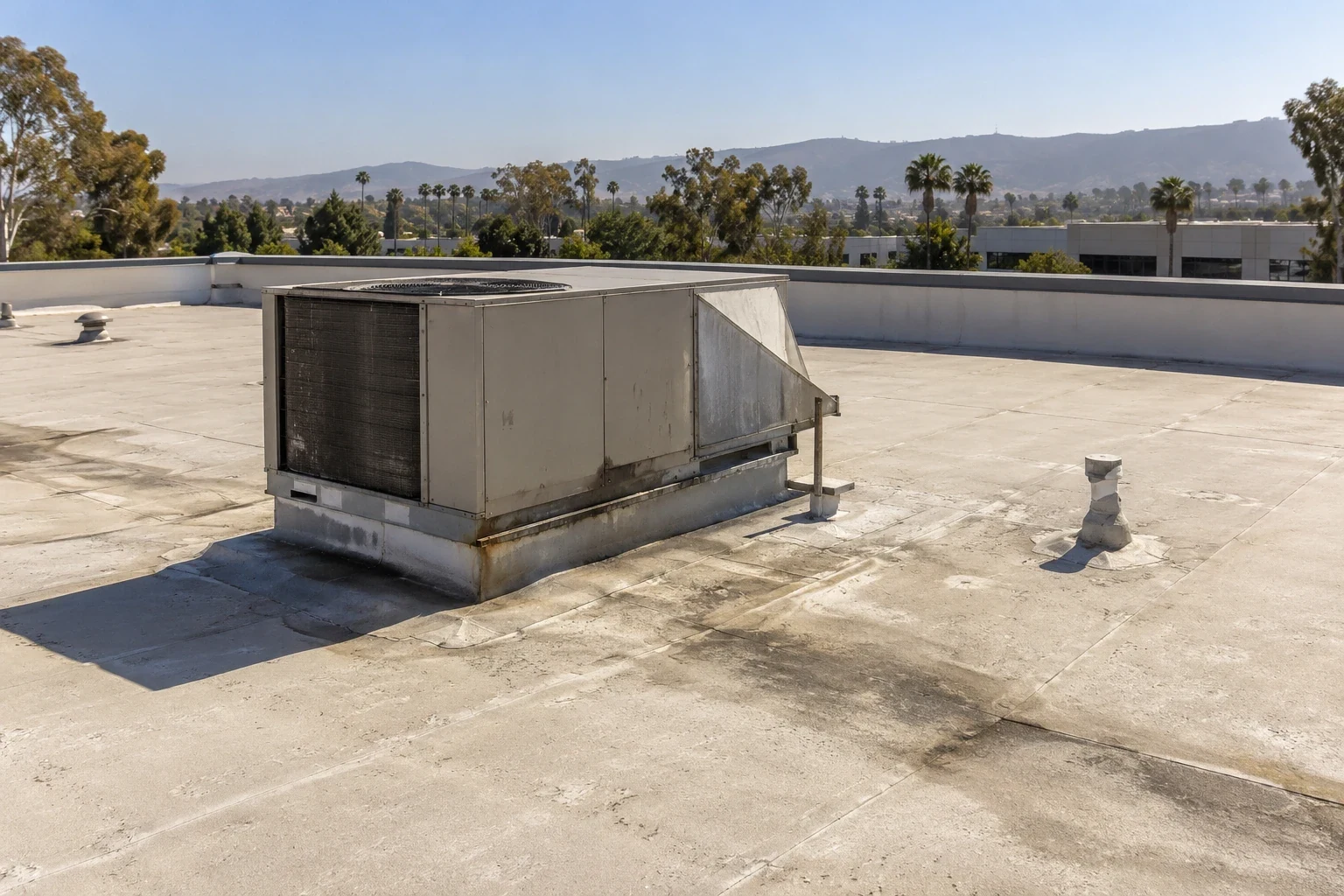
Restaurant roofs may have exhaust equipment, ducts, grease-related service points, and multiple trade penetrations. Retail roofs may have rooftop units, signs, skylights, or later-added conduit. The building contact should identify equipment that must remain active and the trade responsible for moving or shutting it down. Our roof inspection notes the condition around those interfaces, while a ponding-water assessment can help distinguish a drainage concern from a membrane opening.
Which work windows protect daily operations?
Store hours are only one part of the schedule. Receiving, food preparation, deliveries, cleaning, customer entry, and overnight stocking can all restrict staging or interior access. We confirm the work window with the person who controls the building, then mark the roof area that can be isolated and made watertight during that shift. If work affects an entrance, kitchen, or customer-facing zone, the sequence should say how that area will be protected and when normal use can resume.
For a larger repair or reroof, phased occupied-building work can divide removal into smaller sections and set a dry-in boundary for each shift. We coordinate roof access with any equipment contractor and avoid leaving open transitions at a handoff. A regional facilities manager can send store notices from a defined work zone instead of closing unrelated departments. If an active leak starts outside routine service hours, emergency roofing response remains available at any hour, including weekends and holidays.
How does Rialto's planning geography help?
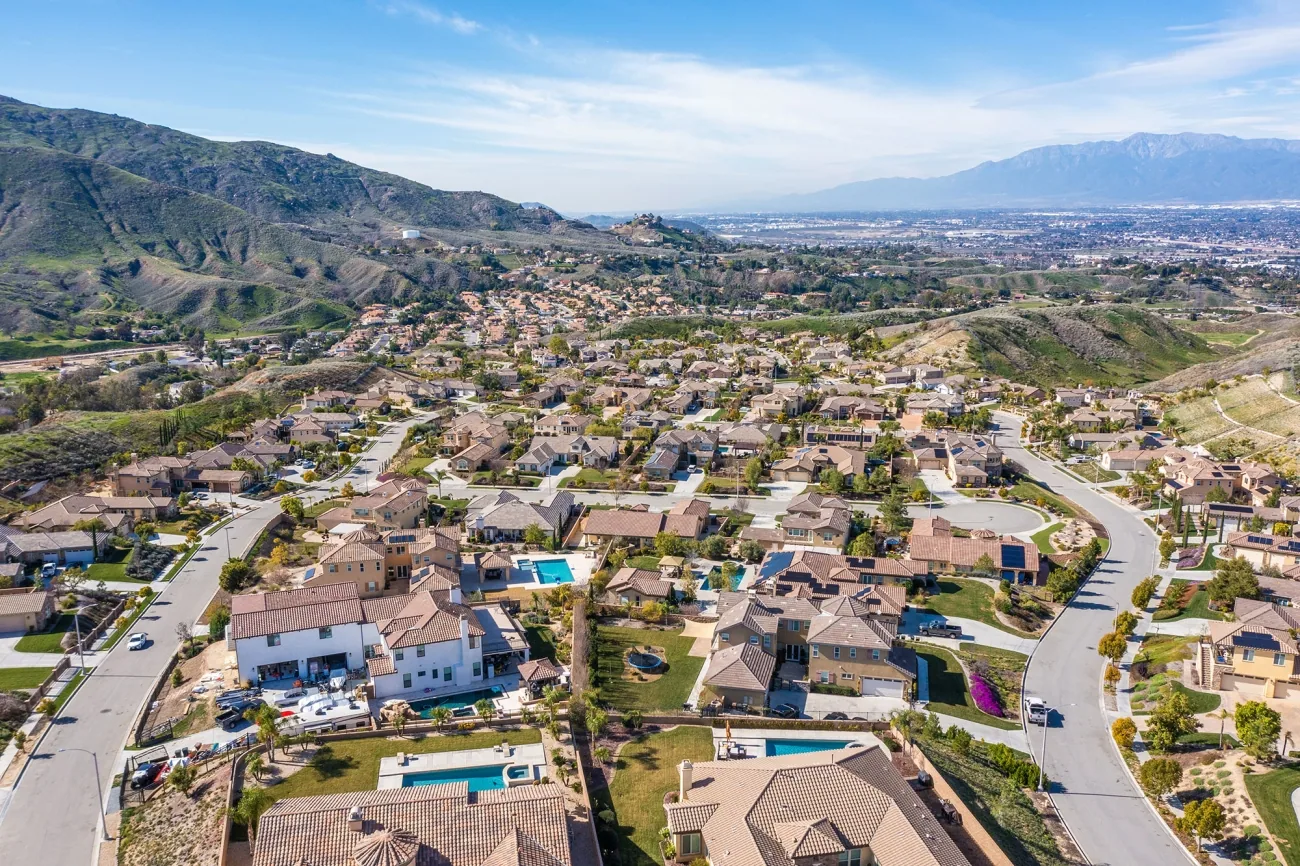
The Gateway Specific Plan Area distinguishes retail and freeway-commercial uses from other mapped categories. Foothill Central Specific Plan Area brings two former plan geographies under one updated policy framework for land-use districts, streets, and mobility. Those named places give a chain operator broad location tags, but they do not establish a roof's age, material, drainage, or current condition. We use the property contact supplied for each work order, then verify assembly and access on site.
Rialto's city climate plan treats heat as a recurring planning issue and describes hot days as regular. For a restaurant or sales building, that is regional context rather than a performance forecast. We document the observed surface, seam, sealant, and drainage condition during the visit and flag follow-up only when the roof evidence supports it. A Gateway Specific Plan Area planning reference can organize screening, while the roof register remains property-specific.
When does a repair become a capital decision?
A localized puncture, loose termination, or failed seal may be repairable if surrounding material remains sound and dry. Repeated leaks, broad wet insulation, weak attachment, or deterioration across several sections can point to a larger scope. We map the observed condition and compare repair, recover, and replacement only where the assembly and substrate make each option technically reasonable. Cost and timing depend on removal depth, access, insulation work, edge details, equipment coordination, and the amount of interior protection required.
For chain operators, the useful comparison is not simply one estimate per store. Each scope should identify the confirmed roof section, areas requiring testing, assumptions, and the work that can be deferred safely. If a test opening is proposed, we state its location and restoration plan before cutting. A replacement scope can separate deck correction, insulation, membrane, and perimeter details; a multi-property operations plan may use similar scheduling fields while retaining each building's own condition record.
Kitchen exhaust and rooftop equipment can concentrate service traffic and hot discharge at particular details. We inspect curb flashing, support framing, nearby seams, and the routes technicians use for access. If another trade must move or reset equipment, the roof work order names that handoff and records which party verifies the final flashing. A separate schedule for exhaust cleaning helps keep its access needs distinct from membrane work.
What should the closeout include?
Close each ticket with the property identifier, roof section, photographs, work completed, material transitions, and any condition that remains open. If access prevented inspection of an area, list it for a later visit. A temporary patch should identify the permanent correction still needed and the condition that would require another response. Those details let a facilities manager update the roof register, close the store-level report, and route unresolved work to the right approval owner.
We can align labels with the operator's work-order platform, but the closeout describes the roof work performed at that individual property. It should not imply that another location received the same repair or has the same roof assembly. Share the affected area, access contact, equipment restrictions, and preferred service window to schedule an inspection or discuss an active leak. We will return a section-based scope for the next facilities decision.
Commercial Roofing Questions
Can a regional team use one report format across stores?
Yes. We can use consistent fields for property, section, condition, photos, access, and action, while keeping each location's evidence separate.
What should staff do when water reaches a sales or dining area?
First identify the interior area and protect people, stock, and equipment below. We then trace the roof route, document containment, and define permanent correction separately.
Can restaurant equipment stay in service during roof work?
The equipment restriction decides the sequence. We coordinate with the responsible trade and identify which units or exhaust points must remain active before setting the work zone.
How do you compare repair with replacement at multiple properties?
Compare confirmed conditions, remaining assembly, testing limits, and operating constraints for each roof. We keep recommendations property-specific instead of inferring from another store.
Can roofing work happen outside customer hours?
We can schedule an agreed access window when the building contact confirms entry, equipment coordination, and protection below. The sequence still needs enough time to secure each open section.
Related Roofing Work
Set a roof review for your Rialto locations
Share the affected property, roof plan, reported condition, equipment limits, and available work windows. We can organize an inspection route and return separate findings for each roof.