
A restoration file needs a roof location, an observed condition, and a record of what changed. We map the reported interior area to the roof section above it, photograph the relevant details, and separate temporary protection from permanent repair. That gives the adjuster, restoration lead, and property contact a shared description of the work. The report stays tied to what we inspected, with open questions marked before a larger scope is priced or scheduled.
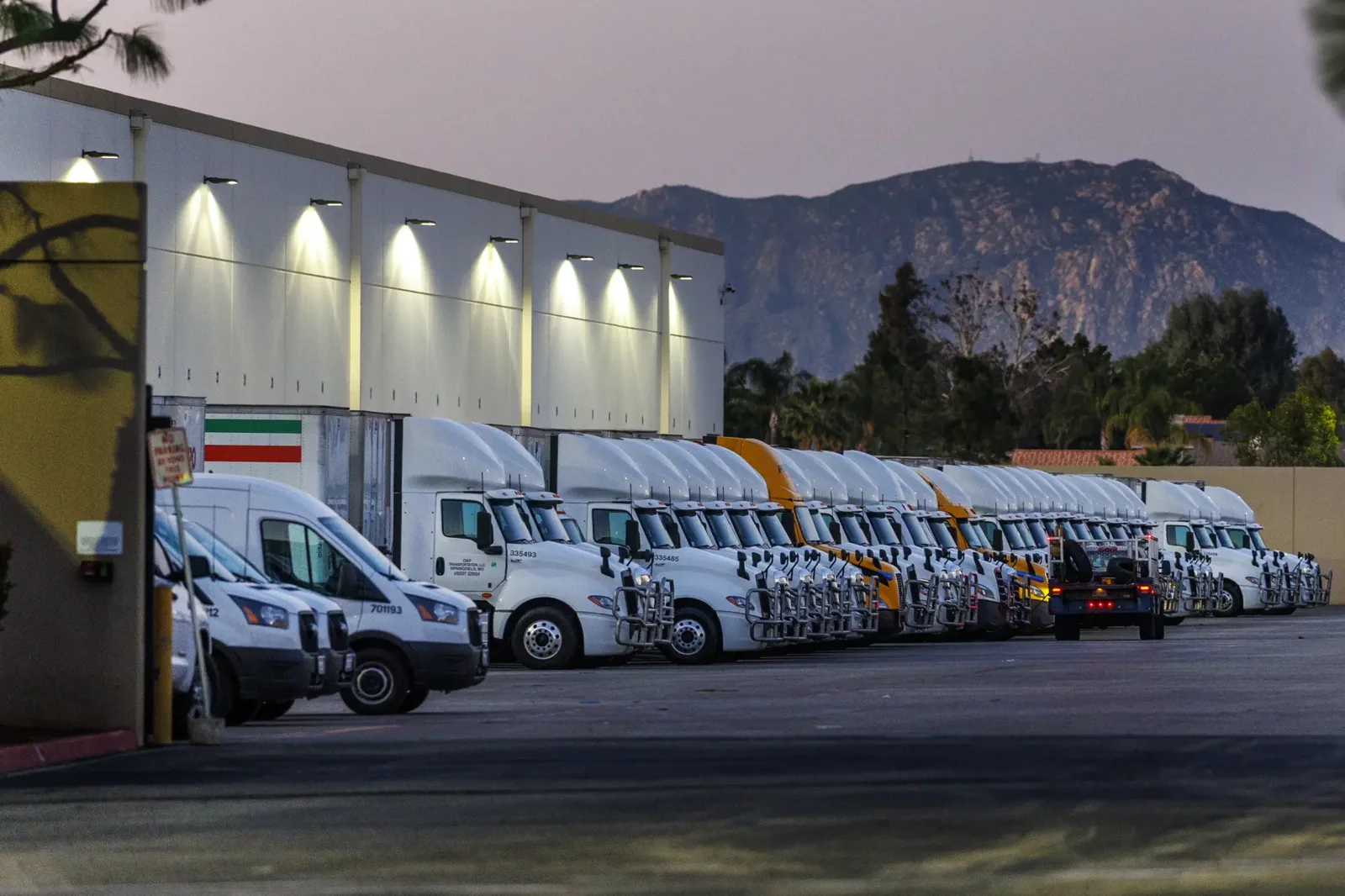
The Rialto Commercial Corridors gather several separate commercial streets into one broad planning reference. The Rialto portion of Agua Mansa belongs to a wider industrial framework that spans more than one jurisdiction. Those geography labels do not replace a roof inspection, which establishes the conditions at the property.
What should the first inspection record?
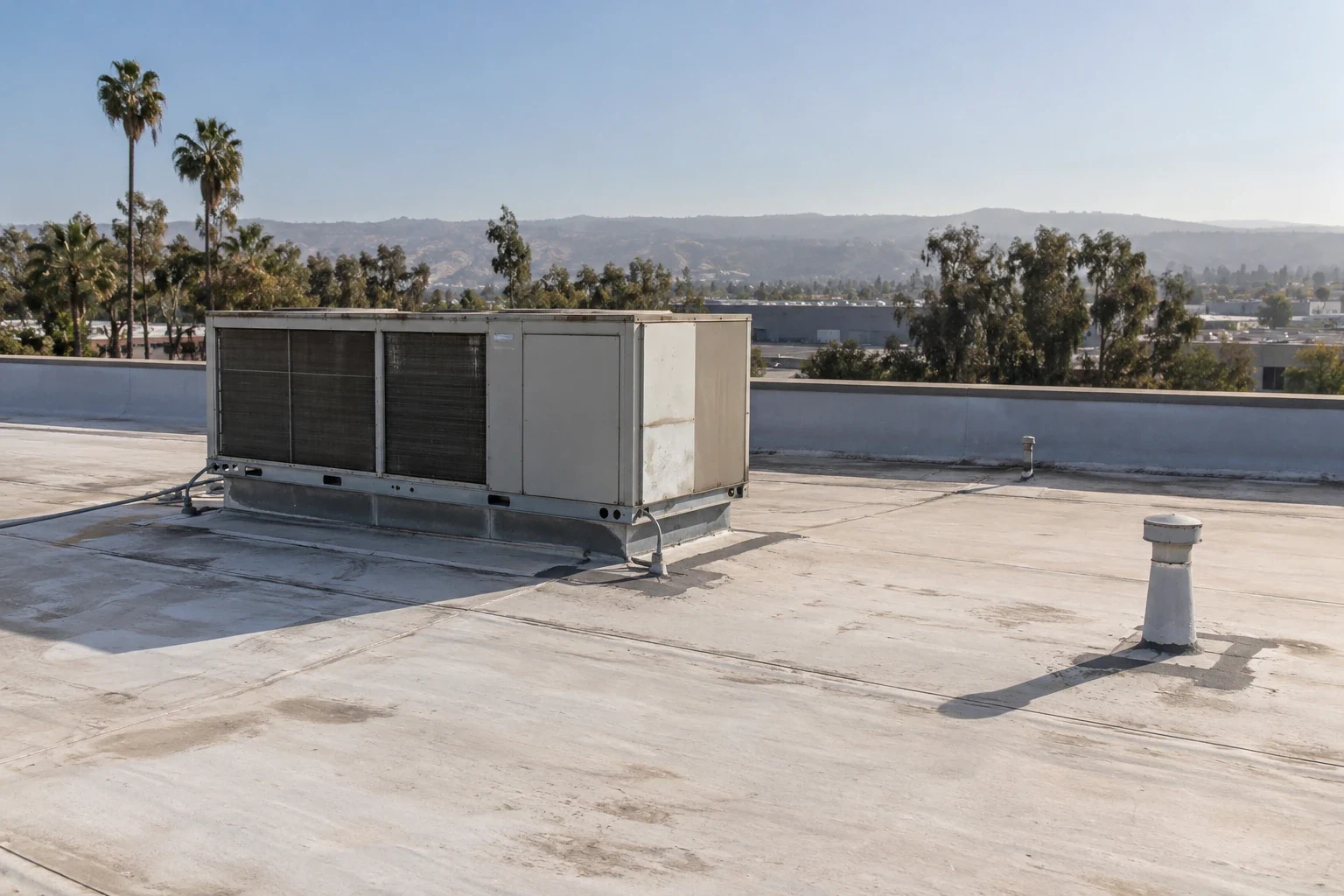
Record the reported area, date and time provided by the site contact, visible interior effects, and any action already taken. On the roof, identify the section, membrane or metal surface where known, seams, flashing, penetrations, drains, curbs, and perimeter details. Photos should include a wide reference and a closer view of the condition. We label the location so another reviewer can return to the same detail without relying on a general description such as the back roof.
We distinguish direct observation from reported history. A damaged surface, displaced edge, open seam, or wet insulation is documented as it appears during the visit. The record should not assign cause based only on a ceiling mark or a single photograph. A photo-based condition report can list inspected areas, access limits, test recommendations, and repairs that remain open. That is useful whether the file is being reviewed by an insurer, owner, or restoration contractor.
How do temporary protection and repair stay separate?
Containment addresses the immediate opening or active water path. Permanent repair restores the roof detail and may require additional testing, material, or substrate work. We write the emergency ticket to state what was protected, where the measure was placed, and which follow-up remains. If the temporary action covers a detail that needs later inspection, we mark that location before leaving. This prevents a short-term measure from being mistaken for a completed permanent correction.
For a leak, we check above the reported area and follow likely paths across membrane seams, penetrations, curbs, walls, and drains. Water may move before it reaches the interior. A hands-on roof inspection can identify the details reviewed and any area not safely reached. If wind exposure is part of the reported event, a wind-related roof assessment documents the observed displacement or opening without extending a finding to unseen sections.
Which records help keep the work moving?
Keep the roof plan, work order, inspection photographs, emergency actions, repair proposal, and approval notes together. The property contact should identify who controls roof access and who can approve a test opening. If a restoration crew or another trade is already working, we record the interface and the area that must remain watertight. A dated section map makes it easier to compare a later visit with the initial condition while keeping each observation attached to its source.
For occupied properties, access, tenant notice, interior protection, and work hours affect the sequence. A property management record can carry the right contacts and work-order labels. If a general contractor coordinates broader repairs, the roof scope handoff should identify tie-ins and the point when adjacent work may resume. We set removal limits so the crew can secure each section within the available shift.
Chronology matters when the same roof is visited more than once. We keep the date and scope of each inspection, label photographs to the affected section, and note which temporary measure was present at that time. A later repair can then be compared with the earlier record without treating a changed condition as though it existed on the first visit. The sequence also helps the owner distinguish mitigation, diagnostic testing, and permanent restoration in the project file.
How should Rialto conditions be described?
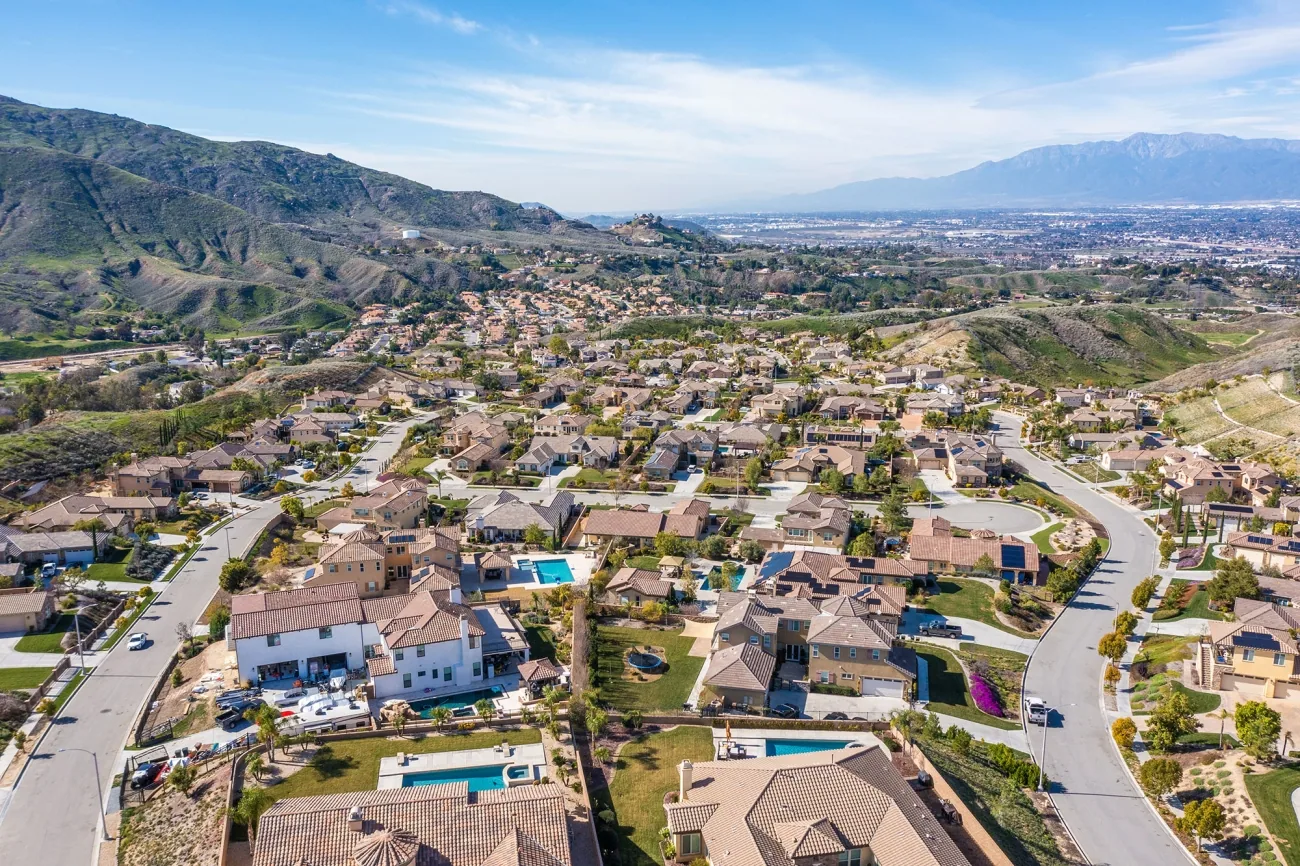
The Rialto climate plan includes extreme heat, wildfire, flooding, and air pollution in its community hazard discussion, and notes recurring hot days. This gives the restoration file regional context only. It does not decide what caused a roof opening or when it occurred. We record the surface, seam, sealant, drainage, and repair condition present at the time of inspection.
City planning material describes industrial development in the Agua Mansa framework, which crosses local boundaries. A project inside Rialto should be logged to the city's part of that broader geography and then to its own roof section. These planning references may inform access conversations, but they do not establish operating schedules, roof type, cause of loss, or service history for an individual building.
What changes a repair estimate?
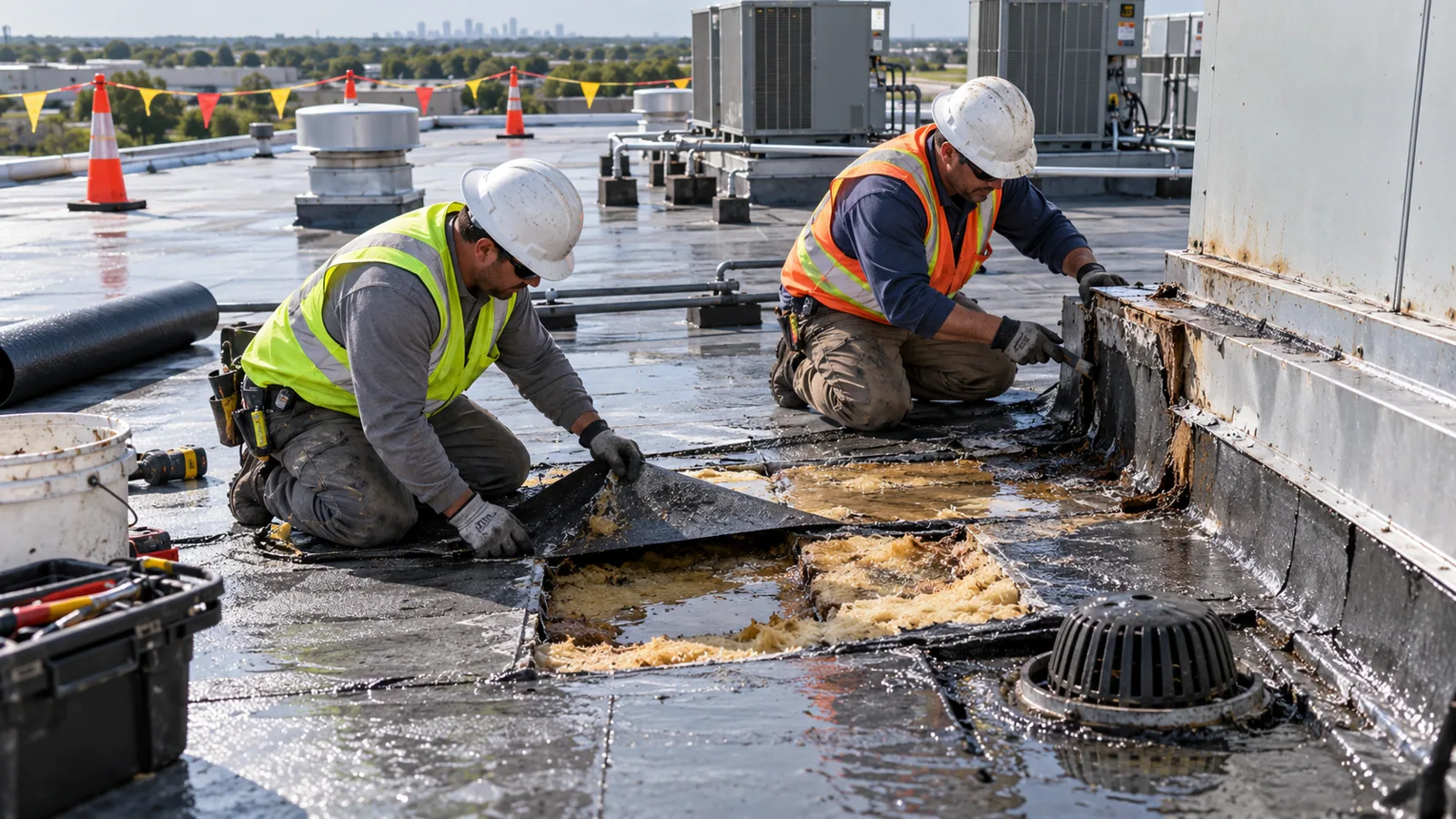
Repair limits depend on the condition found after temporary measures are accounted for. Relevant factors include membrane compatibility, attachment, wet insulation, substrate stability, edge details, penetrations, drainage, and access. We identify what is confirmed and what needs testing before assigning a quantity. If removal reveals a condition beyond the inspected area, we photograph it, state the new limit, and submit a defined correction before expanding the work.
The roof documentation service can organize inspection photos and repair scope for the owner or claim team. It does not decide coverage, causation, or payment. If the assembly is beyond localized correction, a replacement estimate separates tear-off, substrate, insulation, membrane, and perimeter work. Timing changes with material delivery, test results, dry-in limits, and coordination below. Each option should connect the proposed action to a roof section and an observed condition.
What should the closeout preserve?
Closeout identifies the inspected roof sections, temporary measures, completed repairs, photographs, materials or details installed, and open follow-up. If part of the roof could not be reached, list it and state whether another access window or test is needed. The record should also separate the original report from conditions revealed after removal. That gives the property owner a timeline they can retain with the work order and share with the appropriate project participants.
Send the reported condition, roof plan, site contact, access rules, prior repair notes, and any existing photographs to schedule an inspection or discuss active water entry. We will set the first route, document the observed condition, and state which work can proceed. Emergency response is available around the clock, including weekends and holidays, when immediate containment is needed. The permanent scope follows the roof evidence and the owner's approval process.
Commercial Roofing Questions
Can your roof report determine whether a claim is covered?
No. We document roof conditions and proposed repair work. The insurer and policy process determine coverage, while the inspection record shows what we observed.
What should be photographed after a roof event?
Capture the reported interior area, the corresponding roof section, affected details, temporary measures, and a wider reference. We label each image to a location on the roof plan.
Can temporary protection be billed separately from repair?
We can document containment as its own work item, then define permanent correction after inspection. The scope states what was done and what remains.
What if the cause is unclear during the first visit?
We record the details inspected and identify a targeted test if its result could change the repair. The report keeps an observed condition separate from a suspected path.
When can a restoration crew return to the roof?
The work area can be released after the repair or temporary measure is secured and the access contact receives the handoff. We note any detail that still needs inspection.
Related Roofing Work
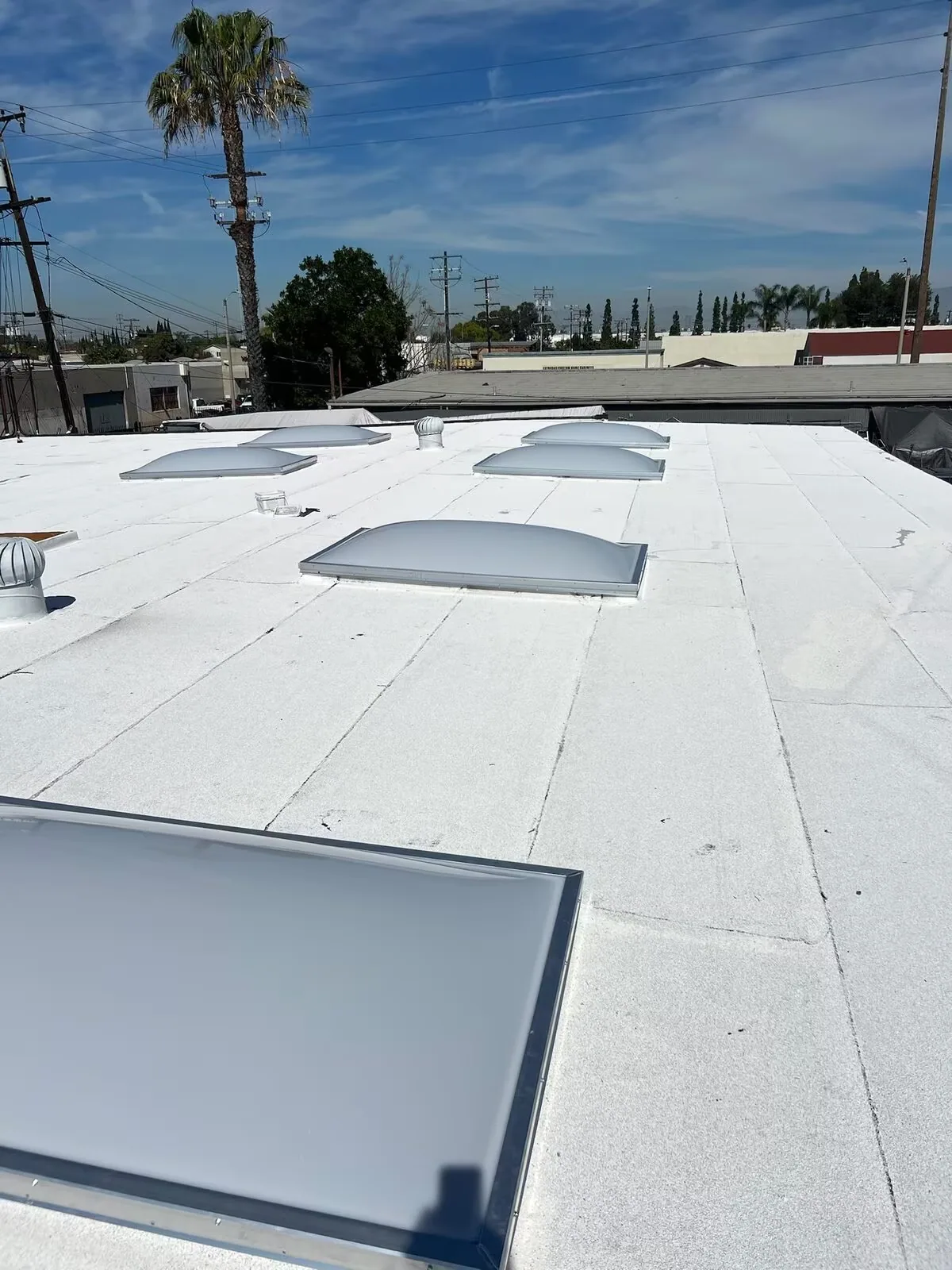
Document the roof before setting the next scope
Share the reported condition, roof plan, prior photos, access contact, and any temporary work already completed. We can inspect the affected section and provide a record of observed conditions and follow-up items.